

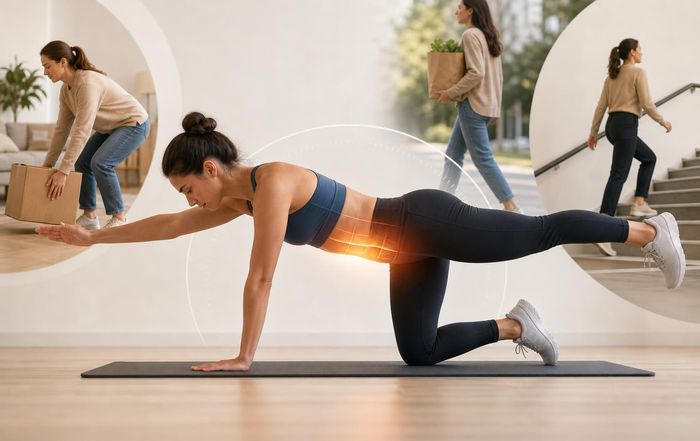
Practical Core Training for Better Daily Stability in 2026
Why Core Stability Has Become a Strategic Asset, Not Just a Fitness Trend
By 2026, core training has moved far beyond the realm of fitness influencers and gym enthusiasts and has become a quiet but decisive factor in how professionals work, compete, and remain healthy in an increasingly demanding world. For the global audience of FitBuzzFeed, whose interests span sports, business, technology, wellness, and lifestyle, the core is no longer just a set of abdominal muscles to be trained for aesthetic reasons; it is a functional system that underpins how people sit in meetings, travel across continents, compete in hybrid work environments, and age while still remaining productive and physically capable.
As organizations in the United States, United Kingdom, Germany, Canada, Australia, and across Europe, Asia, Africa, and South America grapple with rising healthcare costs and musculoskeletal injuries, practical core training has emerged as a strategic investment, embraced not just by athletes but by executives, remote workers, frontline staff, and entrepreneurs. Global health bodies such as the World Health Organization have repeatedly highlighted the economic impact of inactivity and musculoskeletal disorders, and readers can explore how physical inactivity is shaping public health policies through resources such as the WHO physical activity guidelines. In this context, understanding the core as a stability engine rather than a cosmetic project is essential for anyone who wants to sustain performance in both life and work.
For FitBuzzFeed and its community, which already engages deeply with topics such as fitness, health, and wellness, the conversation around core training is naturally evolving into one about resilience, injury prevention, and long-term functional independence. This article examines core stability through the lenses of experience, expertise, authoritativeness, and trustworthiness, translating sports science and occupational health research into practical strategies for daily life.
Redefining the Core: From Abs to a 360-Degree Stability System
The traditional image of "core training" often centers on visible abdominal muscles, but in 2026, sports science, physical therapy, and occupational health converge on a more holistic definition. The core is best understood as a 360-degree stability system that includes the deep abdominal muscles, spinal stabilizers, diaphragm, pelvic floor, glutes, and even the muscles around the hips and lower back. Organizations such as Harvard Medical School have emphasized that a strong core supports almost every movement, from sitting upright to lifting objects, and readers can explore medical insights on core and back health to deepen their understanding.
In this expanded view, the core behaves more like a coordinated team than a single muscle group. The transverse abdominis, multifidus, internal and external obliques, diaphragm, pelvic floor, and gluteal muscles work together to create a stable base from which the arms and legs can move efficiently. This is why elite athletes, from footballers in Spain and Italy to skiers in Switzerland and Norway, train their core not just with crunches but with dynamic stability drills that challenge balance, rotation, and anti-rotation. Research from organizations such as Mayo Clinic underscores that core strength and stability are central to reducing back pain and improving posture, and interested readers can learn more about evidence-based approaches to back and core health.
For the FitBuzzFeed audience, that means core training should be reframed as the practice of building a reliable internal support system that protects the spine, enhances breathing, and allows for efficient movement during sports, work, and daily tasks. Whether someone is interested in sports performance or simply wants to carry groceries, commute, and work at a desk without pain, the same foundational concept applies: the core is a functional stability hub, not a vanity project.
The Daily Stability Gap: How Modern Lifestyles Undermine the Core
Modern working and living patterns in North America, Europe, and across Asia-Pacific have created what can be called a "daily stability gap": people are more sedentary, more digitally tethered, and more exposed to static postures than at any other point in history, while simultaneously being asked to perform at high cognitive and emotional levels. Prolonged sitting, screen-based work, and reduced incidental movement weaken the deep stabilizing muscles of the trunk and hips, while tightening hip flexors and hamstrings, setting the stage for chronic discomfort and injury.
Organizations such as The Lancet have documented the global burden of musculoskeletal conditions and the economic implications of lost work days, and readers can review global data on musculoskeletal health and work capacity to appreciate the scale of the issue. In countries such as Japan, South Korea, and Singapore, where long working hours and high-tech work environments are common, there is growing concern about postural problems, lower back pain, and reduced physical resilience. Similarly, in South Africa, Brazil, and Malaysia, the rapid expansion of service and technology sectors has increased the number of workers spending most of their day seated or in static positions.
At the same time, recreational exercise often focuses on high-intensity efforts or aesthetic goals without addressing fundamental stability. People may attend group classes, run marathons, or lift heavy weights while still lacking the foundational capacity to stabilize their spine and pelvis under everyday loads. This mismatch between lifestyle demands and physical preparedness is where practical core training becomes essential, bridging the gap between how people live and what their bodies are actually capable of handling safely.
Core Stability as a Foundation for Performance in Work and Sport
For professionals, entrepreneurs, and leaders across industries, physical stability is increasingly recognized as a performance variable. In 2026, hybrid work environments mean that many individuals split their time between office desks, home workstations, and frequent travel. Without adequate core stability, this variability in environment can quickly lead to discomfort, fatigue, and diminished productivity. Research shared by organizations such as NIOSH and OSHA in the United States has highlighted the importance of ergonomics and physical conditioning in reducing workplace injuries, and readers can learn more about safe workplace movement and ergonomics to see how these principles apply.
Athletes and active individuals have long appreciated the value of a strong core for performance. In football, basketball, tennis, and athletics, coaches from Germany, France, and Netherlands to Brazil and Japan integrate core stability drills into warm-ups and conditioning blocks because they understand that power is transferred through the trunk. A stable core allows for more effective rotation in sports such as golf and baseball, more efficient force transfer in sprinting and jumping, and better control when changing direction at high speed. Readers interested in the performance side of training can explore more related content on training and performance as they consider how to apply these principles in their own routines.
In the business world, organizations are experimenting with wellness programs that include targeted core training to reduce absenteeism and improve employee engagement. Corporate wellness leaders in United States, United Kingdom, and Australia increasingly partner with physiotherapists and strength coaches to deliver simple, scalable core routines for employees, whether delivered on-site or through digital platforms. These programs align with broader workplace health strategies recommended by institutions such as CDC, and interested readers can explore workplace health promotion frameworks to understand the broader context.
Evidence-Based Principles of Practical Core Training
Practical core training for daily stability is most effective when it follows a few evidence-based principles that have emerged from sports science, rehabilitation, and occupational health. First, the emphasis should be on stability, control, and endurance rather than only on maximal strength or visible muscle definition. Deep stabilizing muscles respond well to lower-load, longer-duration work that challenges posture and alignment rather than just heavy resistance. Organizations such as American College of Sports Medicine (ACSM) offer guidelines on how to structure these efforts, and readers can review general strength and conditioning recommendations to align their training plans with recognized standards.
Second, core training should be multi-planar and functional, meaning that exercises should challenge the body to resist movement in multiple directions-flexion, extension, lateral flexion, and rotation-while maintaining neutral alignment. This approach reflects real-world demands, where the core must stabilize during lifting, carrying, twisting, and reaching. Third, breathing and bracing are critical, as the diaphragm and deep abdominal muscles work together to create intra-abdominal pressure that supports the spine. Proper breathing patterns, often taught in physiotherapy and performance settings, are now recognized as foundational for both injury prevention and performance.
Finally, consistency matters more than complexity. For the typical professional or active adult, short but regular bouts of focused core work integrated into an overall routine are more effective than occasional, intense sessions. Readers who follow FitBuzzFeed's lifestyle and nutrition coverage will recognize that this mirrors broader principles of sustainable behavior change, where small, repeatable actions build long-term resilience.
Integrating Core Stability into a Busy Day
For many readers across United States, Canada, United Kingdom, Singapore, and beyond, the barrier to effective core training is not lack of interest but lack of time and clarity. Integrating core stability into a busy schedule requires a shift from viewing it as an optional add-on to seeing it as a structural component of daily movement. Simple, time-efficient strategies can transform routine activities into opportunities for core engagement without requiring a full gym setup or extended training blocks.
One practical approach is to embed short, focused core sessions into existing training routines. For example, individuals who already engage in running, cycling, or resistance training can allocate 10 to 15 minutes at the beginning or end of their sessions for targeted stability drills, ensuring that the core is challenged in multiple planes. Resources from organizations like NHS in the United Kingdom can help readers understand safe exercise guidelines and core-friendly routines, which can be adapted to varying fitness levels.
Another strategy involves incorporating micro-sessions throughout the day, such as performing a brief series of stability exercises during breaks from desk work, or using standing and walking meetings as opportunities to practice posture and alignment. For the FitBuzzFeed audience whose interests span business and careers and jobs, this approach aligns with modern productivity thinking, where short movement breaks are seen as cognitive refreshers as well as physical maintenance. Over time, this integration of core work into daily rhythms builds endurance and resilience without overwhelming already-full schedules.
The Role of Technology and Wearables in Core Training
In 2026, technology plays a growing role in how individuals across Germany, Sweden, Finland, South Korea, and Japan approach core training and physical stability. Wearable devices, motion sensors, and AI-driven coaching platforms now offer real-time feedback on posture, movement quality, and muscle activation, making it easier to identify weaknesses and correct compensations. Companies such as Apple, Garmin, and Whoop have advanced their wearable ecosystems to track not only activity levels but also metrics related to recovery, variability in movement, and load management, and readers can review how leading wearables are evolving toward movement quality tracking.
At the same time, digital platforms and apps developed by organizations like Nike, Adidas, and specialized health-tech startups provide guided core routines, often co-created with physiotherapists, strength coaches, and sports scientists. These platforms leverage video analysis, voice guidance, and adaptive programming to personalize core training plans based on user feedback and performance. Readers interested in how technology intersects with health can explore more on technology and innovation as they consider which tools best support their own training.
However, while technology can enhance awareness and accountability, it does not replace the need for sound technique and professional guidance, especially for individuals with existing pain or injuries. Trusted medical sources such as Cleveland Clinic emphasize the importance of proper assessment and progression in core training, and readers can learn more about safe exercise for back and core issues to ensure they adopt responsible strategies. Technology should therefore be seen as an amplifier of good practice rather than a shortcut.
Core Stability Across Life Stages and Demographics
Practical core training is not reserved for athletes or young professionals; it is relevant for every life stage and demographic, from students and early-career workers to parents, older adults, and retirees. In many European countries, including Denmark, Netherlands, and France, public health initiatives now emphasize lifelong physical literacy, recognizing that core stability is crucial for fall prevention, mobility, and independence in older age. Organizations such as National Institute on Aging in the United States provide resources on strength and balance for older adults, and readers can explore age-friendly exercise recommendations to understand how core work can be safely adapted.
For younger workers and students in Asia, North America, and Europe, core training can mitigate the impact of prolonged digital device use and sedentary study or work habits. Early adoption of good movement patterns and stability training reduces the likelihood of chronic pain later in life and supports better concentration and energy levels. Parents and caregivers, whether in Australia, New Zealand, South Africa, or Brazil, can benefit from core strength when lifting children, managing household tasks, and juggling multiple responsibilities, where physical resilience is directly linked to quality of life.
For those in physically demanding professions, from healthcare and logistics to hospitality and manufacturing, core stability is a frontline defense against acute injuries and long-term strain. In these contexts, core training is not a luxury but a safety measure, aligning with occupational health recommendations. Readers who follow FitBuzzFeed's world and news coverage can see how different regions are adapting their labor and health policies to account for these realities, reinforcing the idea that core stability is a universal, cross-cultural asset.
Nutrition, Recovery, and the Core: The Often Overlooked Synergy
Core training does not exist in isolation; it is influenced by nutrition, sleep, stress management, and overall recovery. Muscles of the trunk and hips respond to training stimuli like any other muscles, requiring adequate protein intake, hydration, and micronutrients to repair and adapt. Organizations such as Academy of Nutrition and Dietetics highlight the role of balanced nutrition in supporting muscular health and performance, and readers can learn more about evidence-based sports nutrition principles. For FitBuzzFeed's audience, which already engages with nutrition and wellness content, synchronizing eating habits with core training is a logical next step.
Sleep and stress also play critical roles. Poor sleep quality and chronic stress can impair motor control, reduce recovery capacity, and increase sensitivity to pain, all of which affect the ability to perform and benefit from core exercises. Global organizations such as Sleep Foundation and American Psychological Association have drawn attention to the interplay between sleep, stress, and physical health, and readers can explore how sleep and stress influence physical performance to better integrate recovery into their training strategy.
Recovery practices such as gentle mobility work, walking, and low-intensity activity enhance blood flow and tissue health around the spine and hips, supporting the adaptations triggered by core training. For those interested in a more holistic approach, FitBuzzFeed's coverage of physical health and movement offers additional context on how to create a balanced routine that respects both effort and rest.
Building a Personal, Sustainable Core Strategy
For the global readers of FitBuzzFeed, the path to better daily stability through practical core training begins with clarity of purpose and an honest assessment of current habits. Rather than chasing extreme routines or sporadic challenges, the most effective strategy is to build a sustainable, personalized approach that aligns with individual goals, work patterns, and physical history. This often involves starting with foundational exercises that teach proper bracing, posture, and breathing, then gradually layering in more complex and demanding movements as control improves.
Consulting qualified professionals-such as physiotherapists, certified strength and conditioning specialists, or reputable coaches-can help ensure that exercises are appropriate and technique is sound. Organizations like American Council on Exercise (ACE) and National Strength and Conditioning Association (NSCA) maintain directories and standards for certified professionals, and readers can learn more about what to look for in a qualified fitness professional to guide their decisions. For those who prefer digital guidance, choosing platforms that are transparent about their expert contributors and methodologies is essential for trustworthiness.
As FitBuzzFeed continues to expand its coverage across fitness, health, business, and lifestyle, core training will remain a recurring theme, not as a narrow fitness niche but as a foundational pillar of modern life. Whether readers are executives navigating global travel, athletes preparing for competition, remote workers managing long hours at a screen, or older adults prioritizing independence, practical core training offers a common pathway to greater stability, resilience, and confidence in daily movement.
In a world where physical demands and digital pressures continue to rise, and where health and performance are increasingly intertwined, investing in core stability is no longer optional. It is a strategic decision, grounded in science and experience, that supports not only how people move but how they live, work, and thrive. For those ready to take the next step, exploring additional resources on wellness and training at FitBuzzFeed and staying informed through trusted external organizations provides a robust, credible foundation for building a core that quietly supports every aspect of modern life.