

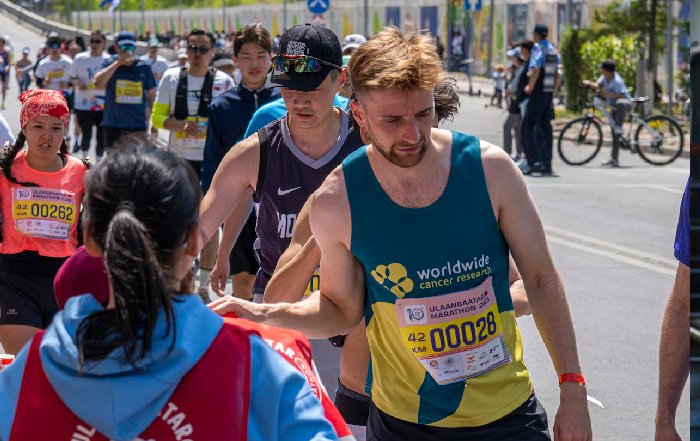
How Major Cities Are Catering to the Running Club Explosion in 2026
The Global Rise of the Urban Running Club
By 2026, running clubs have shifted from niche community groups to powerful cultural and economic forces in major cities across the world, reshaping how urban spaces are designed, how brands communicate with consumers, and how city leaders think about public health, mobility, and community engagement. From New York and London to Berlin, Singapore, Sydney, and São Paulo, the explosion of organized running communities is influencing infrastructure investment, digital innovation, event planning, and even the way employers think about talent attraction and retention, and this evolution is particularly relevant for the audience of FitBuzzFeed, where fitness, health, lifestyle, business, and technology intersect in a single conversation.
The global running boom accelerated during the early 2020s, when outdoor exercise became both a public health necessity and a social outlet, but its staying power has been confirmed in the mid-2020s by the sustained growth of urban running clubs and the way cities have embraced them as strategic partners. According to participation data compiled by World Athletics, interest in road running and mass participation events continues to grow in both established markets like the United States, the United Kingdom, and Germany and in rapidly expanding communities across Asia, South America, and Africa, where running clubs increasingly serve as gateways to broader wellness and lifestyle shifts. As more people look for accessible, low-cost ways to stay active, running clubs offer structure, accountability, and a sense of belonging that individual training often cannot provide, and city governments have taken notice, embedding running into policies that touch transportation, urban planning, tourism, and public health.
Urban Planning: Designing Cities Around the Runner
Major cities now see running clubs as essential stakeholders in discussions about streetscapes, parks, and mobility networks, and this is transforming the physical fabric of urban life. In New York, London, and Paris, city planners collaborate with local running communities to map safe evening routes, identify hazardous intersections, and prioritize lighting upgrades on popular paths, while in cities like Copenhagen and Amsterdam, where active mobility has long been a priority, running is now considered alongside cycling and walking in the design of multi-use corridors that connect neighborhoods, business districts, and waterfronts. These changes are not only about recreation; they are part of broader strategies to reduce car dependency, cut emissions, and improve population-wide fitness levels, which aligns closely with the wellness-focused content that readers find on the FitBuzzFeed health and wellness sections.
Organizations such as C40 Cities and ICLEI - Local Governments for Sustainability have highlighted active mobility as a critical component of climate-resilient urban design, and many member cities now explicitly reference running trails and open streets in their long-term plans. In Berlin and Munich, for example, urban planners have integrated running loops into new park developments, including distance markers, hydration points, and wayfinding signage that reflect feedback from local running clubs rather than being imposed from above. In Singapore, the government's National Parks Board has expanded its Park Connector Network to include more riverside and coastal paths that are heavily used by running groups, creating continuous, scenic routes that support both training and leisure while also contributing to biodiversity and flood resilience. Learn more about how connected green spaces support healthier cities on the World Health Organization's resources on urban health.
This integration of running infrastructure into mainstream urban planning is also evident in North America and Australia, where cities such as Toronto, Vancouver, Melbourne, and Sydney have begun to treat running routes as part of their active transportation networks rather than purely recreational assets. In Toronto, the waterfront and ravine systems have become a backbone for running clubs that gather several times a week, and the city's investment in lighting, snow clearance, and signage has been shaped by consultation with these groups. Similarly, in Sydney, the revitalization of harborside paths and inner-city parks has been informed by data from GPS-tracked runs and community surveys, demonstrating how digital fitness platforms can inform real-world design. Readers interested in the intersection of urban design and physical activity can explore more on UN-Habitat, which has published guidance on public space design that supports inclusive, active lifestyles.
Health Systems, Public Policy, and the Running Club Advantage
Health authorities worldwide now recognize running clubs as valuable partners in combating non-communicable diseases such as cardiovascular illness, type 2 diabetes, and obesity, which remain major cost drivers for healthcare systems in the United States, Europe, and increasingly in Asia and Latin America. Instead of relying solely on individual health campaigns, cities are leveraging the social structure and peer support of running communities to drive sustained behavior change, and this approach aligns with the performance and recovery insights frequently covered on FitBuzzFeed fitness and training pages.
Public health agencies, including the Centers for Disease Control and Prevention (CDC) in the United States and Public Health England (now part of the UK Health Security Agency and Office for Health Improvement and Disparities), have long promoted moderate to vigorous physical activity as a cornerstone of disease prevention, but adherence has historically been low when individuals are left to act alone. By contrast, running clubs create regular, scheduled opportunities for exercise, peer accountability, and social reinforcement, all of which are associated with higher long-term adherence rates according to research summarized by organizations like Harvard T.H. Chan School of Public Health. Cities such as London, Glasgow, and Manchester have experimented with community prescriptions that direct patients to join local walking or running groups, and similar initiatives are now emerging in Canada, Australia, and Nordic countries, where primary care providers work with municipal sports offices and non-profit organizations to match patients with appropriate activity levels.
In many cities, this has led to hybrid models where running clubs partner with hospitals, insurers, and corporate wellness programs to create inclusive training groups for beginners, older adults, and people managing chronic conditions. In Stockholm and Oslo, for instance, some running clubs collaborate with regional health authorities to deliver introductory "couch to 5K" programs that are subsidized or fully funded as part of preventive care initiatives, while in the United States, insurers and employers have begun to offer incentives for participation in verified running club activities tracked through wearable devices. The World Health Organization's Global Action Plan on Physical Activity continues to guide many of these policy approaches, emphasizing the importance of community-based programs and supportive environments that make active choices easier and more appealing.
Technology, Data, and the Digital Layer of the Running City
The explosion of running clubs in major cities cannot be understood without examining the role of digital platforms, wearables, and data-driven services that have transformed how runners connect, plan, and track their activities. Apps such as Strava, Nike Run Club, Garmin Connect, and Adidas Running have made it simple to join local challenges, discover group runs, and analyze performance metrics, and these platforms now serve as informal social networks for runners in cities from New York and Los Angeles to Tokyo, Seoul, and São Paulo. As a result, city leaders and brands have begun to view these digital ecosystems as critical channels for engagement, marketing, and even infrastructure planning, a development that resonates strongly with the technology-focused readers of FitBuzzFeed technology.
In cities like London, Amsterdam, and Barcelona, anonymized GPS data from running platforms has been used to identify heavily trafficked routes, uncover safety issues, and justify investments in better lighting, surface improvements, and traffic calming measures. Urban innovation labs and transport authorities increasingly collaborate with data science teams to overlay running heatmaps with accident statistics and demographic indicators, enabling more targeted interventions that support both safety and equity. Organizations such as The Alan Turing Institute in the UK and various urban analytics labs in North America and Europe have published research on how mobility data can inform smarter, healthier cities, and running patterns are now a recognized part of that picture.
Wearable technology has simultaneously deepened the relationship between runners and health professionals. Advanced devices from companies like Apple, Garmin, and Polar now provide continuous heart rate monitoring, VO2 max estimates, sleep analysis, and stress indicators, which can help runners and coaches design safer, more effective training plans. Some hospitals and sports medicine clinics, including those affiliated with institutions such as Mayo Clinic, are experimenting with integrating wearable data into personalized rehabilitation and return-to-sport programs, blurring the line between recreational running and clinical care. For global brands, this convergence of health and technology creates new opportunities to deliver services, content, and products tailored to the needs of urban runners, reinforcing the kind of cross-sector insights that FitBuzzFeed regularly explores in its business and brands coverage.
The Business of Running: Sponsorship, Tourism, and Local Economies
The economic impact of the running club explosion is increasingly visible in the way cities compete for major events, attract sports tourism, and support local businesses that cater to active lifestyles. Marquee races such as the TCS New York City Marathon, BMW Berlin Marathon, London Marathon, Chicago Marathon, Tokyo Marathon, and Boston Marathon have long been economic engines for their host cities, generating significant spending on hotels, restaurants, transportation, and retail, but the new wave of running clubs has extended this value across the calendar through regular group runs, training programs, and smaller events that activate neighborhoods week after week. For a business-focused audience, this represents a compelling case study in how lifestyle trends can reshape local economies and job markets, a theme that aligns with the employment insights highlighted on FitBuzzFeed jobs.
In cities like Valencia, Rotterdam, and Copenhagen, where road races have gained international reputations for fast courses and strong organization, running clubs play a central role in promoting the city as a destination, welcoming visiting runners, and providing local knowledge that enhances the overall experience. Tourism boards increasingly partner with clubs and event organizers to create "run-friendly" city guides, training camps, and themed events that showcase landmarks, waterfronts, and cultural districts. Organizations such as World Athletics and the Association of International Marathons and Distance Races (AIMS) highlight the economic and branding benefits that come with hosting well-organized races and supporting a vibrant running culture, and many cities are now integrating these insights into broader destination marketing strategies.
At the neighborhood level, independent running stores, cafes, and wellness studios are thriving by aligning themselves with local clubs, offering meeting points, gear advice, recovery services, and community programming. In London, Berlin, and Paris, specialty stores serve as hubs for multiple running groups, hosting weekly runs, educational talks, and product trials that deepen customer loyalty and create a sense of belonging. Similar patterns can be seen in New York, Toronto, Melbourne, and Cape Town, where running-centric businesses anchor micro-communities that blend sport, lifestyle, and entrepreneurship. Learn more about how small businesses can leverage community sport on resources from OECD that explore local economic development and social cohesion.
Inclusivity, Diversity, and the Social Fabric of Running Clubs
While the global running boom has often been associated with middle-class urban professionals, many cities and organizations are working to broaden participation and ensure that running clubs reflect the diversity of their communities. In the United States, United Kingdom, and across Europe, there has been a conscious effort to support women's running, LGBTQ+ friendly groups, clubs serving Black and Brown communities, and initiatives designed for older adults, newcomers to sport, and people with disabilities. This focus on inclusion is increasingly seen as not just a moral imperative but a strategic necessity for cities that want to maximize the health, social, and economic benefits of active populations, and it resonates with the lifestyle and wellness conversations that shape FitBuzzFeed lifestyle and physical coverage.
Organizations such as parkrun, which organizes free weekly timed 5K events in parks around the world, have demonstrated how low-barrier, community-oriented running can attract participants across age, income, and ability levels, and many city governments now support these initiatives through permits, maintenance, and promotion. In South Africa and Brazil, where inequality and safety concerns can limit access to sport, community-led running groups have become important spaces for empowerment, mentorship, and social support, particularly among youth and women. In Asia, cities such as Bangkok, Kuala Lumpur, and Manila are seeing rapid growth in running communities that blend local culture with global training trends, often using social media and messaging platforms to coordinate dawn and night runs that fit around demanding work schedules and urban heat.
Global sportswear and technology brands are also investing in more inclusive storytelling and programming, featuring a wider range of body types, backgrounds, and performance levels in their campaigns and apps. The Women in Sport charity in the UK and similar organizations worldwide advocate for environments where women and girls feel safe, welcome, and supported in sport, and many city-based running clubs have adopted codes of conduct and leadership training to reflect these values. For cities, the lesson is clear: running clubs are not just fitness groups; they are social institutions that can either reinforce or challenge existing inequalities, and policy choices around space, safety, and support will determine which path they follow.
Events, Innovation, and the Future of Urban Running Culture
Looking ahead from 2026, major cities are experimenting with new formats and experiences that build on the running club explosion while integrating broader trends in technology, sustainability, and hybrid physical-digital events. Night runs, themed relay races, city-wide scavenger hunts, and charity challenges have become staples of urban calendars, often co-created by clubs, brands, and municipal event teams. Cities like Barcelona, Vienna, and Zurich have piloted "open streets" running festivals where major boulevards are temporarily closed to cars and turned into multi-lane tracks for runners, walkers, and families, accompanied by music, food markets, and wellness activations. Readers interested in how such events shape civic life can explore more on UNESCO's work on sport, culture, and social inclusion.
Technology is also enabling new kinds of participation that blur the lines between local and global. Virtual races and hybrid events, popularized during the early 2020s, have evolved into sophisticated platforms where runners in New York, Tokyo, London, and Johannesburg can join synchronized group runs, compare performance metrics, and share experiences in real time, often guided by audio coaching and augmented reality features. Companies like Zwift, initially known for indoor cycling, have expanded their running offerings, creating digital environments that complement outdoor training rather than replacing it. For cities, this means that physical events can be amplified by global digital audiences, enhancing their reach and attractiveness to sponsors, while also offering flexible participation options for those who cannot travel.
Sustainability is another priority shaping the future of running events and club activities. Concerns about waste, travel emissions, and resource use have prompted race organizers and city authorities to rethink everything from hydration systems and medal production to course design and logistics. The United Nations Environment Programme (UNEP) and organizations like Sport and Sustainability International have published guidelines on reducing the environmental footprint of sporting events, and many leading marathons and city races now highlight their sustainability credentials as a key part of their brand. Running clubs themselves are adopting practices such as "plogging" (picking up litter while running), promoting public transit or cycling to group runs, and collaborating with local environmental groups, illustrating how fitness communities can drive broader behavioral change.
What This Means for FitBuzzFeed Readers in 2026
For the global audience of FitBuzzFeed, which spans North America, Europe, Asia, Africa, and South America, the running club explosion in major cities is more than a fitness trend; it is a lens through which to understand shifting patterns in health, business, technology, and urban life. Whether a reader is based in New York, London, Berlin, Toronto, Sydney, Singapore, Cape Town, São Paulo, or emerging hubs across Asia and Africa, the transformation of city spaces and policies around running offers both opportunities and responsibilities. On a personal level, joining a running club can provide structure, motivation, and community, supporting physical health, mental resilience, and social connection, themes regularly explored across the FitBuzzFeed sports, nutrition, and world sections. On a professional level, business leaders, urban planners, and policymakers can view running clubs as partners in designing healthier workplaces, more attractive neighborhoods, and more competitive cities.
The evolution of running culture also highlights the importance of evidence-based practice and trustworthy information, especially as new technologies, products, and services enter the market. Readers who follow FitBuzzFeed news and events will continue to see coverage that connects the dots between scientific research, policy developments, and real-world experiences in cities worldwide, helping them make informed decisions about training, equipment, nutrition, recovery, and participation in events. As major cities continue to adapt to the needs of runners, and as running clubs continue to innovate in how they organize, communicate, and contribute to their communities, the relationship between sport, health, business, and technology will only deepen.
From the perspective of 2026, it is clear that the running club explosion has moved far beyond a passing fad; it has become a structural feature of urban life that shapes how people move, connect, and aspire. Major cities that recognize and nurture this movement-through thoughtful infrastructure, inclusive policies, digital innovation, and strategic partnerships-are likely to see dividends in public health, economic vitality, and social cohesion. For those who engage with FitBuzzFeed across its interconnected verticals, the story of running clubs is, in many ways, the story of how modern cities are learning to align physical activity, community, and innovation in pursuit of a more resilient and vibrant future.