

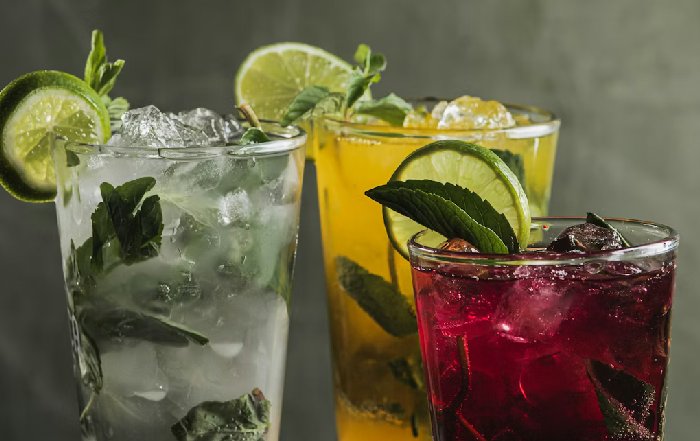
Rehydrating Has Never Been So Sexy: Electrolyte Drinks Reviewed
The New Status Symbol in a Bottle
In 2026, hydration has become a cultural signal as much as a health habit, and nowhere is this more visible than in the explosive growth of electrolyte drinks. What was once a niche product for endurance athletes has evolved into a global lifestyle statement, from Los Angeles fitness studios and London co-working spaces to wellness retreats in Bali and high-performance offices in Singapore. On social media feeds, in boardrooms, and across gyms from New York to Berlin, the choice of hydration brand is beginning to say as much about a person's identity as their sneakers or smartwatch.
For readers of FitBuzzFeed, who move fluidly between interests in performance, aesthetics, health, and business, electrolyte drinks now sit at the intersection of science, branding, and culture. They promise faster recovery after intense training, sharper cognitive performance during long workdays, and a more convenient way to balance the demands of travel, stress, and ambitious goals. At the same time, they are shaped by global supply chains, evolving regulations, shifting consumer expectations, and a relentless wave of innovation that makes yesterday's sports drink look outdated.
Understanding this landscape requires more than a simple ranking of flavors. It demands a rigorous look at what electrolytes actually do, how the leading brands position themselves, how the science translates into daily life, and what trends will define hydration over the next decade. From the locker rooms of Premier League clubs to the training centers of Team USA, from corporate wellness programs in Toronto to esports arenas in Seoul, electrolyte drinks are being reimagined as functional tools for a high-performance lifestyle rather than sugary refreshments on the sidelines.
The Science of Electrolytes: Beyond Marketing Hype
To evaluate the new generation of electrolyte drinks credibly, it is essential to separate biochemical fundamentals from marketing narratives. Electrolytes such as sodium, potassium, magnesium, calcium, and chloride are minerals that carry an electric charge in the body, enabling nerve signaling, muscle contraction, fluid balance, and pH regulation. When individuals sweat heavily during exercise, heat exposure, or high-stress work environments, they lose both water and electrolytes, and replacing only water can, in extreme cases, dilute blood sodium levels and compromise performance and safety.
Research summarized by organizations such as the World Health Organization shows that balanced oral rehydration solutions can accelerate fluid absorption and support recovery in both clinical and athletic contexts. Readers who want to understand the underlying physiology can explore more about electrolyte balance and hydration through resources from the U.S. National Institutes of Health and Mayo Clinic, which provide accessible explanations of how sodium and other minerals influence fluid distribution in the body.
For performance-focused readers of FitBuzzFeed who follow our fitness coverage, the nuances matter. A marathon runner in Boston, a CrossFit enthusiast in Sydney, and a professional cyclist in Girona will each have different electrolyte requirements based on sweat rate, climate, and training intensity. At the same time, a technology professional in Tokyo or a banker in Zurich may be less concerned with maximal sodium replacement and more interested in cognitive clarity, reduced fatigue, and avoiding the energy crashes associated with high-sugar beverages.
From Sidelines to Streetwear: How Electrolyte Drinks Became Lifestyle Icons
The modern electrolyte drink market was shaped by early pioneers such as Gatorade, developed in the 1960s to support American football players, and later popularized globally through partnerships with major sports leagues and athletes. Over time, brands like Powerade and Lucozade Sport extended this model across the United States, United Kingdom, and Europe, embedding the idea that hydration products were primarily for competitive sports. However, the last decade has seen a profound shift, driven by the convergence of wellness culture, social media, and the aspirational fitness lifestyle that FitBuzzFeed readers track through our lifestyle and sports sections.
In cities from New York and London to Berlin and Singapore, electrolyte drinks have become design objects, with minimalist packaging, fashion collaborations, and limited-edition flavors that align with streetwear aesthetics. Influencers and professional athletes now feature electrolyte bottles in carefully staged photos, positioning them alongside luxury athleisure, cutting-edge running shoes, and high-end wearables. This visual language has transformed hydration from a mundane necessity into a symbol of discipline, ambition, and taste.
Simultaneously, the rise of boutique fitness studios, hybrid work cultures, and wellness-centric travel has expanded the contexts in which electrolyte drinks are consumed. They appear not only in gyms and stadiums but also in co-working spaces, airports, conference venues, and music festivals. Global consulting firms and tech companies now integrate hydration strategies into corporate wellness programs, drawing on guidance from organizations such as the World Economic Forum that highlight the economic impact of worker health and productivity. In this environment, hydration products must perform across multiple dimensions: functional efficacy, aesthetic appeal, environmental responsibility, and brand narrative.
What Makes an Electrolyte Drink "Sexy" in 2026?
For an audience that follows the latest in brands, business, and wellness, the term "sexy" in the context of electrolyte drinks is less about superficial glamour and more about a sophisticated blend of design, science, sustainability, and cultural relevance. The most compelling products in 2026 share several attributes that resonate with discerning consumers in the United States, Europe, Asia, and beyond.
First, they present clean, transparent formulations with clearly stated electrolyte levels, minimal artificial additives, and evidence-informed ingredient choices. Many brands now reference guidelines from organizations such as the American College of Sports Medicine or the European Food Safety Authority to shape their sodium and carbohydrate content, appealing to consumers who demand alignment with credible scientific standards rather than vague wellness claims. This emphasis on evidence is especially valued by readers who follow FitBuzzFeed's health and nutrition reporting and expect rigorous analysis rather than trend-driven hype.
Second, they integrate sustainability into their value proposition, from recyclable or reusable packaging to lower-carbon logistics and responsible sourcing of minerals and flavoring agents. Consumers who follow global developments through FitBuzzFeed World and track environmental policy debates in regions like the European Union and Asia-Pacific are increasingly aware of the ecological footprint of bottled beverages. Brands that align with frameworks discussed by institutions such as the United Nations Environment Programme or the Ellen MacArthur Foundation are better positioned to earn long-term trust.
Third, they cultivate a lifestyle ecosystem around their products, integrating with digital platforms, training apps, and community events. Partnerships with elite teams, medical experts, and performance labs help build authority, while collaborations with fashion, music, and technology brands create cultural cachet. In markets like South Korea, Japan, and the Nordic countries, where design and technology intersect powerfully, hydration products are increasingly integrated into wearables and personalized health platforms, echoing trends tracked in FitBuzzFeed's technology and events coverage.
Comparing Formulations: Sugar, Sodium, and Smart Design
When evaluating electrolyte drinks for performance, health, and everyday use, the most significant differentiators are not color or celebrity endorsements, but the balance of sugar, sodium, and supporting minerals. Traditional sports drinks often contained high levels of simple sugars, designed to provide rapid carbohydrates during prolonged, intense exercise. While this model remains relevant for elite endurance athletes, it is less appropriate for office workers, casual gym-goers, or individuals managing weight, insulin sensitivity, or metabolic health.
Public health organizations such as the World Health Organization and the U.S. Centers for Disease Control and Prevention have highlighted the risks associated with excessive added sugar intake, including obesity, type 2 diabetes, and cardiovascular disease. As a result, a new generation of electrolyte products has shifted toward lower sugar content, alternative sweeteners, or unsweetened formulations, targeting consumers who want hydration and mineral balance without the caloric load of traditional sports drinks. For readers following FitBuzzFeed's physical performance and training insights, this shift reflects a more nuanced understanding of how nutrition and hydration interact with long-term health.
Sodium remains a central component of most serious electrolyte formulations because it is the primary mineral lost in sweat and a key driver of fluid absorption. However, brands now differentiate themselves through more precise sodium levels tailored to specific use cases, from light everyday hydration to heavy sweat conditions in hot climates. Educational resources from institutions such as the National Health Service in the UK and Health Canada help consumers understand the broader context of sodium intake, especially for individuals with hypertension or cardiovascular risk factors.
Magnesium, potassium, and calcium are increasingly highlighted as supporting electrolytes, with some products adding trace minerals or functional ingredients such as B-vitamins or amino acids. While these additions can be beneficial in certain contexts, scientifically literate consumers are right to approach extravagant claims with caution and to cross-reference them with neutral sources such as the Harvard T.H. Chan School of Public Health or the Cleveland Clinic. For the FitBuzzFeed audience, the most credible products are those that explain clearly what each ingredient does, why it is present at a particular dose, and how it fits into a broader performance or wellness strategy.
Regional Trends: Hydration Culture Around the World
Electrolyte drinks may be global products, but their adoption and branding vary significantly across regions. In North America, especially the United States and Canada, the category has deep roots in team sports, with strong visibility in the NFL, NBA, and collegiate athletics. In this context, electrolyte drinks are often associated with competitive toughness and high-intensity training, although urban professionals increasingly adopt them as part of a broader wellness routine that includes boutique fitness, biohacking, and mental performance optimization.
In Europe, markets such as the United Kingdom, Germany, France, Italy, Spain, the Netherlands, and the Nordic countries show a more fragmented picture, with traditional sports drinks coexisting alongside functional waters, isotonic beverages, and electrolyte tablets. Regulatory frameworks shaped by the European Union encourage more conservative health claims and clearer labeling, which can enhance consumer trust. European endurance sports culture, from cycling in the Alps and Pyrenees to triathlons in Scandinavia, has also fostered sophisticated use of electrolyte strategies among serious amateurs and professionals.
In Asia-Pacific, growth is particularly dynamic in markets like China, Japan, South Korea, Singapore, Thailand, and Australia. Here, electrolyte drinks intersect with broader trends in convenience retail, urban stress, and extreme climate conditions. In hot and humid regions such as Southeast Asia, hydration is a daily survival concern as much as a performance variable, and products emphasizing heat resilience and recovery have strong appeal. Meanwhile, in technologically advanced markets such as Japan and South Korea, electrolyte brands increasingly integrate with digital health ecosystems, leveraging data from wearables and smart devices, a trend aligned with innovations tracked by institutions like the MIT Media Lab.
In emerging markets across Africa and South America, including South Africa and Brazil, electrolyte drinks are gaining traction not only among athletes but also within healthcare and labor-intensive industries. Here, the line between medical-grade oral rehydration solutions and lifestyle electrolyte beverages can blur, underscoring the importance of evidence-based formulations and responsible marketing. Organizations such as UNICEF and the Red Cross have long used electrolyte solutions in humanitarian and clinical contexts, demonstrating the life-saving potential of properly balanced hydration products under extreme conditions.
Use Cases: From Elite Performance to Everyday Life
For FitBuzzFeed readers, the most practical question is not whether electrolyte drinks are trendy, but when they are genuinely useful. In high-intensity sports, particularly endurance events such as marathons, triathlons, and long-distance cycling, electrolyte replacement is critical to maintaining performance and reducing the risk of cramping, dizziness, and heat-related illness. Professional teams in football, basketball, rugby, and tennis now work closely with sports scientists and dietitians, drawing on research from institutions such as the Australian Institute of Sport and UK Sport, to tailor electrolyte strategies to individual athletes based on sweat testing and environmental conditions.
For recreational athletes and fitness enthusiasts, especially those following structured programs inspired by FitBuzzFeed's training and fitness content, electrolyte drinks can be highly beneficial during prolonged or high-sweat sessions, hot-weather workouts, or back-to-back training days. However, for light exercise under moderate conditions, water may be entirely sufficient, and unnecessary consumption of high-calorie beverages can undermine body composition or metabolic goals. Here, the ability to interpret personal signals-thirst, fatigue, cramping-and to adjust intake accordingly is more valuable than any single brand promise.
In professional and corporate environments, particularly in demanding sectors such as finance, consulting, healthcare, logistics, and technology, electrolyte drinks are increasingly marketed as tools for sustained focus and resilience under pressure. While the cognitive benefits of hydration are well documented by research available through platforms like PubMed, the incremental advantage of specialized electrolyte drinks over consistent water intake in sedentary contexts is more modest. Nonetheless, for individuals who travel frequently across time zones, work in hot environments, or combine intense training with long work hours, strategically using low-sugar electrolyte products can help maintain energy, reduce perceived exertion, and support recovery.
In the broader wellness landscape, electrolyte drinks also intersect with trends such as intermittent fasting, low-carbohydrate diets, and cold or heat exposure practices. Many individuals practicing fasting protocols in the United States, Europe, and Asia use electrolyte solutions without calories to reduce headaches, fatigue, and muscle cramps, drawing on guidance from physicians and nutrition experts. Similarly, those engaging in sauna sessions, hot yoga, or ice-bath recovery routines often integrate electrolytes into their pre- and post-session rituals, seeking to stabilize fluid and mineral balance under extreme thermal stress.
Evaluating Brands Through the Lens of Trust and Transparency
For a business-savvy audience that follows FitBuzzFeed's business, news, and jobs coverage, the success of electrolyte drink brands in 2026 hinges not only on formulation and aesthetics but also on their ability to build long-term trust. This trust is earned through transparent labeling, credible scientific backing, ethical marketing, and responsible engagement with public health issues.
Leading brands increasingly publish detailed information about their ingredient sourcing, manufacturing processes, and quality control practices, sometimes aligning with international standards from organizations such as the International Organization for Standardization. Partnerships with universities, sports science institutes, and medical centers provide additional validation, particularly when studies are peer-reviewed and accessible to the public. Consumers who cross-check claims with neutral resources such as the Cochrane Library or national health agencies can more confidently distinguish robust evidence from promotional rhetoric.
Regulatory landscapes differ across regions, with agencies such as the U.S. Food and Drug Administration, European Commission, and Food Standards Australia New Zealand shaping what can be claimed on labels and in advertisements. For global brands operating in markets from the United States and Canada to Japan and Brazil, harmonizing messaging while respecting local rules is both a legal requirement and a reputational imperative. Misleading claims about performance enhancement, immune support, or disease prevention can trigger regulatory action and erode consumer confidence, particularly among informed readers who follow global health and policy developments through platforms like the World Health Organization.
The Future of Hydration: Personalization, Technology, and Integration
Looking ahead, the electrolyte drink landscape is likely to become even more sophisticated, merging with broader trends in personalized health, digital monitoring, and integrated wellness ecosystems. Wearable devices already track heart rate, temperature, sleep, and sometimes sweat rate, and research groups at institutions such as Stanford University and ETH Zurich are developing sensors capable of analyzing electrolyte loss in real time. As these technologies mature, individuals may receive personalized hydration recommendations based on their physiology, environment, and activity patterns, delivered through apps and connected devices.
For FitBuzzFeed readers who track innovations through our technology and wellness sections, this convergence of data and hydration is particularly relevant. Future electrolyte products may be sold not simply as static beverages, but as components of subscription-based systems that integrate testing, coaching, and adaptive formulations. Such systems could be especially valuable for elite athletes, military personnel, first responders, and workers in extreme environments, but they may also filter into mainstream consumer markets as costs decline and digital literacy increases.
At the same time, sustainability pressures will intensify. Governments and organizations across Europe, North America, and Asia are tightening regulations on single-use plastics and carbon emissions, while consumers increasingly reward companies that adopt circular economy principles. Brands that embrace refillable packaging, concentrated powders, or home carbonation systems, and that align with global initiatives discussed by entities such as the World Resources Institute, will be better positioned to thrive in a resource-constrained world. For FitBuzzFeed's globally minded audience, the most attractive electrolyte products will be those that deliver performance without compromising planetary health.
Making Smart Choices in a Crowded Market
In 2026, rehydrating has indeed become "sexy," but the allure that matters most is not the color of a bottle or the charisma of a spokesperson; it is the alignment between credible science, personal goals, and responsible business practices. For readers of FitBuzzFeed, whose interests span sports, health, nutrition, lifestyle, and global news, the path forward is clear.
Choosing the right electrolyte drink starts with an honest assessment of individual needs: training volume, environmental conditions, health status, and performance targets. It continues with a critical reading of labels, an understanding of sugar and sodium content, and a willingness to cross-reference brand claims with reliable health information from sources such as Mayo Clinic or the Harvard T.H. Chan School of Public Health. It culminates in a broader evaluation of how a brand conducts itself in the world, from sustainability initiatives to transparency and respect for consumer intelligence.
As electrolyte drinks become more deeply woven into the fabric of daily life across the United States, Europe, Asia, Africa, and South America, they will increasingly reflect the values of the people who choose them. For the FitBuzzFeed community, that means demanding products that deliver measurable benefits, respect long-term health, contribute positively to the environment, and embody the same commitment to excellence that defines their approach to work, training, and life. Hydration may be as old as humanity itself, but in 2026, how people rehydrate is becoming a powerful expression of who they are and what they stand for.