

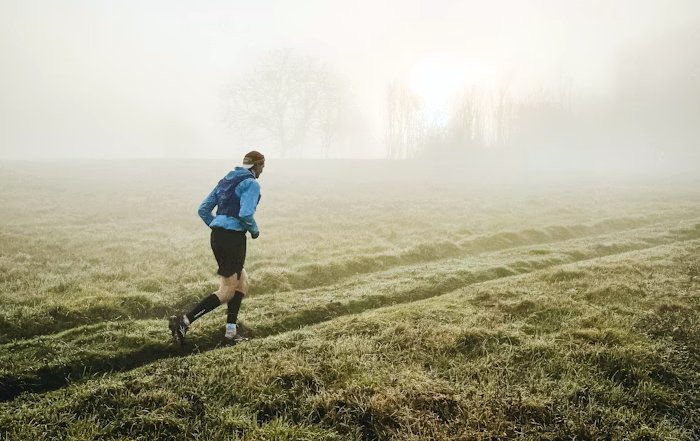
Trail Running: A Beginner's Guide to Getting Off-Road in 2026
Trail running has moved from a niche pursuit to a global movement, reshaping how people in major fitness hubs such as the United States, the United Kingdom, Germany, Canada, Australia and across Europe and Asia think about endurance, health and outdoor lifestyle. By 2026, it has become one of the fastest-growing segments of the running world, attracting everyone from desk-bound professionals in London and New York to weekend adventurers in the Alps, the Rockies, the Dolomites and the Japanese countryside. For the audience of FitBuzzFeed-already engaged with fitness, sports, health, lifestyle and wellness-trail running offers a powerful, evidence-based way to combine physical conditioning, mental resilience and nature immersion in a single, highly adaptable practice.
This guide examines trail running from the perspective of experience, expertise, authoritativeness and trustworthiness, drawing on best practices championed by leading organizations and sports scientists. It is designed for beginners who may be transitioning from road running, gym training or team sports, and who want a structured, low-risk and sustainable way to get off-road, whether on the forest paths of Germany, the coastal tracks of Australia, the fells of the UK, the national parks of the United States or the urban green spaces of Singapore, Seoul and Tokyo.
Why Trail Running Is Surging Worldwide
Trail running has expanded rapidly across North America, Europe, Asia and beyond because it sits at the intersection of several powerful trends: the pursuit of holistic wellness, the desire for outdoor experiences, the growth of flexible work patterns and the increasing recognition of mental health as a core component of performance. Organizations such as World Athletics and UTMB Group have helped formalize the sport, while brands like Salomon, The North Face, Hoka and Nike have invested heavily in off-road footwear and apparel, bringing technical innovation into the mainstream and making trail-specific gear more accessible to beginners.
Global participation data from bodies like World Athletics and research highlighted by institutions such as the World Health Organization show rising engagement in running and outdoor activity, especially since the early 2020s. Those who previously trained exclusively on roads or treadmills are discovering that trails offer softer surfaces, variable terrain and more engaging scenery, which can reduce repetitive strain and improve long-term adherence to exercise. Readers who already follow fitness and training content on FitBuzzFeed will recognize that adherence, not intensity, is the central predictor of long-term health and performance gains, and trail running is particularly effective at keeping motivation high.
At the same time, the sport has benefited from the growth of digital communities and platforms. Runners in Canada, the UK, Germany, Brazil, South Africa, Japan and New Zealand can now share routes, training logs and race experiences in real time through services like Strava and Garmin Connect, while learning from expert resources such as the American College of Sports Medicine and the National Strength and Conditioning Association. This has created an ecosystem in which beginners can access world-class guidance without needing to be professional athletes or live near elite training centers.
How Trail Running Differs from Road Running
For readers who already run on roads or tracks, understanding the key differences is essential to making a safe and enjoyable transition off-road. Trail running typically involves uneven surfaces, frequent elevation changes, variable footing and exposure to natural elements such as mud, roots, rocks, sand and snow. This requires a different movement pattern, with shorter strides, more active foot placement and a greater emphasis on balance, proprioception and core stability.
Sports science research, including work summarized by Harvard Health Publishing, indicates that softer, more variable surfaces can reduce the peak impact forces associated with overuse injuries, but they also demand more from stabilizing muscles in the hips, ankles and trunk. For beginners, this means that trail running can feel more taxing at first, even at slower paces, yet it simultaneously builds functional strength and resilience that transfers to other disciplines such as hiking, skiing, cycling and field sports. Those who follow physical performance coverage on FitBuzzFeed will appreciate that these adaptations are central to long-term athletic development.
The mental experience also differs significantly. On roads, pace and distance often dominate attention, with runners checking watches and apps frequently. On trails, terrain and environment become the primary focus, requiring constant micro-adjustments and visual scanning. Psychologists and performance experts at organizations like APA and centers such as Stanford Medicine have highlighted the cognitive and emotional benefits of "soft fascination," where the mind is lightly engaged by natural stimuli without being overwhelmed, leading to reduced stress and improved mood. Trail running embodies this principle, offering a moving form of nature-based mindfulness that can be particularly valuable for high-pressure professionals in finance, technology, law, consulting and healthcare.
Foundational Gear for Safe and Confident Trail Running
While trail running does not require an extensive equipment investment, certain pieces of gear are critical for safety, performance and confidence, especially for beginners in regions with technical terrain or unpredictable weather such as the Alps, the Scottish Highlands, the Pacific Northwest, Scandinavia and parts of East Asia. The most important item is an appropriate pair of trail running shoes, which differ from road shoes through more aggressive outsole lugs, reinforced uppers and often a slightly stiffer platform to improve stability on uneven ground. Brands such as Salomon, Hoka, Brooks, Asics, La Sportiva and Altra offer a wide range of models tailored to different surfaces and foot types, and new runners can benefit from visiting a specialized retailer or consulting expert guidance from organizations like REI or Runner's World to match their shoe choice to their local conditions.
Beyond footwear, beginners should consider basic protective and comfort gear, including moisture-wicking socks, technical tops and shorts, and layering systems appropriate to their climate. In regions such as the UK, Germany, Scandinavia, Canada and New Zealand, where weather can change rapidly, a lightweight, packable waterproof jacket can be critical, and resources like the UK Met Office or Environment Canada can help runners plan sessions around severe conditions. Hydration systems-handheld bottles, waist belts or small vests-become more important as runners venture farther from urban infrastructure, and guidance from organizations such as the Mayo Clinic on fluid and electrolyte balance can help beginners avoid both dehydration and over-hydration.
Navigation and safety tools are also worth considering, particularly for those running in remote areas of the United States, Australia, South Africa, Brazil and parts of Asia. Apps such as AllTrails and Komoot, combined with offline maps and basic map-reading skills, can reduce the risk of getting lost, while emergency features on smartphones and GPS watches, as explained by manufacturers like Garmin, provide additional reassurance. For readers who follow technology coverage on FitBuzzFeed, trail running offers a practical context in which wearables, location services and performance analytics deliver tangible value rather than mere novelty.
Building a Progressive Training Plan for the Trails
A structured, progressive training plan is essential for beginners who wish to minimize injury risk and build a sustainable trail running habit. Sports medicine authorities such as the American College of Sports Medicine and the NHS in the UK consistently emphasize gradual progression in volume and intensity, and this guidance is particularly relevant when transitioning from flat, predictable surfaces to uneven, hilly terrain. A common approach is to start by integrating short trail segments into existing runs, perhaps one or two sessions per week, before gradually increasing both the duration and technical difficulty of off-road efforts.
For example, a runner in the United States who currently runs 20 kilometers per week on roads might begin with a single 5-kilometer easy trail run, focusing on time on feet rather than pace. Over several weeks, they can expand this to two or three trail sessions, incorporating gentle climbs and descents while keeping overall weekly volume increases within widely accepted guidelines. Readers interested in structured programming can align their approach with the principles frequently discussed in FitBuzzFeed's training and fitness sections, where consistency, recovery and individualized progression are emphasized over aggressive short-term gains.
Strength and mobility work should be integrated alongside running, particularly for beginners in their 30s, 40s, 50s and beyond, and for those returning from injury or extended periods of inactivity. Organizations like Physiopedia and Cleveland Clinic highlight the importance of hip stability, ankle strength and core endurance in preventing common running injuries such as iliotibial band syndrome, plantar fasciitis and patellofemoral pain. Simple exercises, including single-leg squats, calf raises, lateral band walks and planks, performed two to three times per week, can significantly enhance trail stability and confidence, especially on descents where eccentric control is critical.
Managing Risk, Safety and Environmental Responsibility
Trail running introduces specific risks that differ from those associated with urban or track running, including falls, sprains, weather exposure and navigation errors. However, these risks can be effectively managed with appropriate preparation, conservative decision-making and respect for local conditions and regulations. Mountain rescue organizations in Europe and North America consistently emphasize the importance of telling someone your route, carrying basic essentials such as a phone, identification and a small first-aid kit, and avoiding over-ambitious objectives in unfamiliar terrain. Beginners in mountainous regions such as the Alps, the Pyrenees, the Rockies, the Scottish Highlands and the Japanese Alps should take particular care with weather forecasts and daylight hours, using trusted sources such as Météo-France, NOAA or Japan Meteorological Agency.
Environmental responsibility is another crucial dimension, especially as participation grows in sensitive ecosystems across Europe, Asia, Africa, South America and North America. Principles such as those promoted by Leave No Trace encourage runners to stay on established paths, avoid disturbing wildlife, pack out all litter and respect local regulations on protected areas and seasonal closures. For a readership that already follows world and news coverage on FitBuzzFeed, the link between outdoor recreation and environmental stewardship is increasingly clear, and trail running offers a practical way to embody sustainable values while still pursuing ambitious fitness and performance goals.
In many regions, from national parks in the United States and Canada to nature reserves in Germany, the Netherlands, South Africa and Brazil, trail runners share space with hikers, mountain bikers and equestrians. Understanding and following local trail etiquette-yielding appropriately, controlling speed on busy descents, communicating politely and minimizing noise-helps protect access and maintain positive relationships with land managers and other user groups. Resources from organizations such as National Park Service and Parks Canada provide clear guidance on multi-use trail conduct, and beginners are well advised to familiarize themselves with these norms before venturing into high-traffic areas.
Nutrition, Hydration and Recovery for Off-Road Efforts
As trail runs become longer and more demanding, nutrition and hydration strategies move from background considerations to central performance variables. Off-road terrain typically increases energy expenditure relative to flat road running at the same speed, due to both elevation changes and the stabilizing demands of uneven surfaces. Sports nutrition experts at organizations such as Gatorade Sports Science Institute and academic centers like McMaster University and Loughborough University have documented the importance of carbohydrate availability, electrolyte balance and individualized fueling plans in endurance settings, and these insights apply directly to trail running.
For most beginners, runs under 60 to 75 minutes can be completed with water alone, assuming normal conditions and adequate pre-run nutrition. As duration extends beyond this, especially in hot, humid or high-altitude environments common in parts of Asia, Africa, South America and Southern Europe, simple carbohydrate sources such as gels, chews or easily digestible snacks become increasingly valuable. Those who already follow nutrition coverage on FitBuzzFeed will recognize the importance of testing fueling strategies in training rather than experimenting on race day, as gastrointestinal tolerance is highly individual and influenced by intensity, temperature and prior diet.
Recovery practices also deserve focused attention, particularly for busy professionals balancing training with demanding careers. Evidence-based guidelines from organizations like the American Council on Exercise and health systems such as Cleveland Clinic emphasize the role of sleep, protein intake, hydration and active recovery in supporting muscular repair and adaptation. Easy cycling, walking, yoga and mobility sessions can help manage stiffness after long or technical trail runs, while periodic rest days and lighter weeks reduce the risk of overtraining and burnout. Readers who engage with FitBuzzFeed's wellness and health sections will appreciate that recovery is not a luxury but a foundational element of sustainable performance.
Mental Health, Resilience and the Psychological Edge
One of the most compelling reasons for the global rise of trail running lies in its psychological benefits. Across North America, Europe, Asia and beyond, high-pressure work environments and digital overload have driven growing interest in practices that support mental health, stress management and emotional resilience. Research summarized by organizations such as Mind in the UK and health bodies like NHS and CDC indicates that regular physical activity, time in nature and moderate exposure to challenge are all associated with reduced anxiety, improved mood and enhanced cognitive performance.
Trail running uniquely combines these elements. The requirement to focus on foot placement, terrain and breathing naturally pulls attention away from digital devices and work concerns, while the sensory experience of forests, mountains, coastlines and rural paths provides a restorative backdrop. For readers managing demanding roles in finance, technology, healthcare, education, media and entrepreneurship, the ability to "switch mental channels" through a 45-minute or 60-minute trail run can become a powerful tool for productivity and long-term career sustainability. This aligns closely with the holistic view of performance often explored in FitBuzzFeed's business and jobs coverage, where physical and mental health are increasingly recognized as strategic assets rather than peripheral concerns.
Moreover, the incremental challenges of trail running-tackling a steeper hill, extending distance, navigating a more technical route-build a sense of mastery and self-efficacy that transfers beyond sport. Psychologists describe this as a "growth mindset" in action, where individuals learn to view difficulty as an opportunity for development rather than a threat. For beginners, starting with modest goals and celebrating small, consistent improvements can create a virtuous cycle of confidence and motivation, both on the trails and in professional and personal life.
Entering the Trail Running Community and Event Scene
By 2026, the global trail running community has matured into a rich ecosystem of local clubs, regional events and international series, offering multiple entry points for beginners in almost every major region, from the United States and Canada to the UK, France, Italy, Spain, Germany, Switzerland, Scandinavia, Japan, South Korea, Australia, New Zealand, South Africa and Brazil. Events range from short 5-kilometer races in urban parks to multi-day mountain ultras, and organizations such as UTMB World Series, Skyrunner World Series and national athletics bodies have helped standardize safety protocols and course markings, making participation more accessible for newcomers.
For runners considering their first event, it is wise to select a distance and terrain that align with current fitness and experience levels, perhaps a 10-kilometer or half-marathon distance on relatively non-technical trails. Many events now include beginner-friendly categories and dedicated support, and resources from platforms like World Athletics and major race organizers offer clear guidance on preparation, logistics and gear. Readers who follow FitBuzzFeed's events and sports content will find that participating in a well-organized trail race can provide both a tangible goal and a memorable experience that anchors future training.
Community engagement extends beyond racing. Local trail running clubs and informal groups, often organized through social platforms or apps, provide opportunities for shared runs, skill development and mentorship. Beginners in cities such as London, Berlin, Toronto, Sydney, Singapore, Seoul and Tokyo can often find weekly group runs that cater to varying paces and experience levels, reducing the intimidation factor and accelerating learning. This social dimension reinforces accountability and enjoyment, both of which are crucial for long-term adherence to any fitness practice.
Integrating Trail Running into a Balanced Lifestyle
For the diverse global audience of FitBuzzFeed, trail running should be viewed not as an isolated hobby but as a versatile component of a balanced lifestyle that encompasses work, family, social engagement and long-term health. The sport can be adapted to different life stages and professional demands, from short weekday runs in local parks and green belts to longer weekend adventures in regional or national parks. In dense urban environments across Asia, Europe and North America, runners are increasingly discovering creative routes that connect city centers to riverside paths, forested hills and coastal tracks, demonstrating that meaningful off-road experiences do not always require remote wilderness.
Integrating trail running with other interests-such as travel, photography, mindfulness, environmental activism or local tourism-can further enhance its value. For example, a business trip to Switzerland, Italy, Spain, France or the United States can become an opportunity to explore nearby trails with minimal equipment, turning routine travel into a source of physical and mental renewal. Similarly, family holidays in regions like Scandinavia, New Zealand, South Africa or Thailand can incorporate short, inclusive trail outings that introduce children and less active relatives to the joys of outdoor movement without the pressure of competition.
Within the broader context of FitBuzzFeed's coverage of sports, health, nutrition, wellness and lifestyle, trail running exemplifies a modern, evidence-based approach to living well in a complex, fast-moving world. It offers a way to build cardiovascular fitness, muscular strength, balance and coordination while simultaneously supporting mental health, environmental awareness and social connection. For beginners in 2026, taking the first steps off-road does not require elite fitness, specialized knowledge or extensive time; it requires curiosity, respect for the terrain and a commitment to gradual, sustainable progression.
As global interest in health, performance and outdoor experience continues to rise across North America, Europe, Asia, Africa and South America, trail running is likely to remain a central pillar of the active lifestyle landscape. For the readers of FitBuzzFeed, it represents not only a training modality but a gateway to a richer relationship with their bodies, their environments and their communities-one stride, one hill and one trail at a time.