

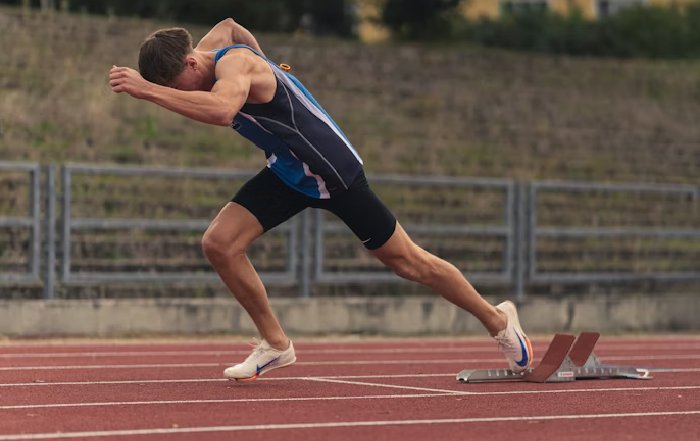
Training Like an Athlete Without Stepping on a Field
The New Corporate Athlete: Why Training Like a Pro Belongs in Everyday Life
By 2026, the idea that only elite competitors deserve elite training has faded. Across the United States, Europe, Asia and beyond, professionals in finance, technology, healthcare, media and creative industries are quietly adopting the mindset, methods and discipline of high-performance sport without ever joining a professional team or stepping onto a stadium field. For the global readership of FitBuzzFeed, which spans interests from sports and fitness to business, technology and wellness, this shift reflects a deeper cultural move toward living, working and performing like an athlete in all domains of life.
Modern research from organizations such as World Health Organization and U.S. Centers for Disease Control and Prevention continues to show that physical training is not only about strength or aesthetics; it is a strategic performance tool that influences cognition, resilience, stress regulation, creativity and long-term career sustainability. As hybrid work stabilizes in cities from New York and London to Singapore and Sydney, the question is no longer whether busy professionals should train, but how they can train like athletes while remaining fully embedded in their careers, families and urban lifestyles, and without joining formal teams or competitive leagues.
From Weekend Warrior to Year-Round Athlete Mindset
The traditional "weekend warrior" pattern, in which office workers compress all intense activity into one or two days, has been linked to higher injury risk and inconsistent adaptations. In contrast, high-performance programs used by organizations such as English Institute of Sport and U.S. Olympic & Paralympic Committee rely on cyclical, periodized training across the entire year, with careful manipulation of intensity, volume and recovery. Translating this to everyday life means that the modern professional in Berlin, Toronto or Tokyo can design their weeks to oscillate between high-output days, active recovery and strategic rest, rather than attempting to "make up" for inactivity in a single heroic session.
This mindset shift is not about becoming obsessed with sport; it is about adopting the same deliberate approach to energy management that world-class athletes use. For readers who follow FitBuzzFeed's coverage of training trends, the parallels are clear: the corporate strategist preparing for an earnings call, the product manager leading a global launch and the founder pitching investors are operating under pressure conditions that, while different from a championship game, still demand peak cognitive readiness, emotional control and physical stamina. Training like an athlete means planning physical and mental preparation with the same seriousness as these high-stakes professional events.
Evidence-Based Training Principles for Non-Athletes
The foundation of training like an athlete outside of sport is to borrow the principles, not the exact drills, from high-performance environments. Organizations such as American College of Sports Medicine and National Strength and Conditioning Association have long emphasized progressive overload, specificity, recovery and individualization as the pillars of effective programs. For a consultant in London or a software engineer in Bangalore, this does not require access to a professional gym; it requires a structured plan that aligns with their workload, travel schedule and personal responsibilities.
Progressive overload can be implemented through incremental increases in resistance, duration, complexity or density of training sessions, even if the main tools are bodyweight exercises, resistance bands or adjustable dumbbells at home. Specificity means that a trial lawyer in New York might emphasize postural strength, breath control and stress resilience, while a remote developer in Stockholm might prioritize long-duration concentration supported by aerobic conditioning and mobility work. Recovery, often neglected by ambitious professionals, is now recognized by institutions like Harvard Medical School as a non-negotiable component of adaptation, affecting not only muscle repair but also immune function, mood and decision-making.
Individualization is particularly important for a global audience, where cultural norms, commuting patterns, climate and access to facilities vary widely from Seoul and Tokyo to São Paulo and Cape Town. Training like an athlete in Oslo during winter might involve indoor cycling, rowing and strength circuits, while in Sydney or Los Angeles the same principles could be applied via outdoor running, calisthenics in parks and ocean swimming. The common thread is a structured progression, clear objectives and continuous adjustment based on feedback from the body and the demands of work and life.
Building an Athlete-Grade Weekly Structure Around a Full-Time Job
For many readers of FitBuzzFeed, the main obstacle is not motivation but logistics. The challenge is to map an athlete-like structure onto a full calendar of meetings, deadlines, travel and family obligations. High-performance sport offers a useful template: macrocycles (months), mesocycles (weeks) and microcycles (days) are organized to balance stress and recovery. A knowledge worker in Paris or Chicago can apply the same logic by creating weekly rhythms that allocate specific days to strength, conditioning, mobility and recovery, while aligning peak training sessions with lower-stress workdays whenever possible.
A practical approach might involve two structured strength sessions per week focusing on compound movements, one or two conditioning sessions that alternate between steady-state cardio and interval work, and frequent short "movement snacks" throughout the workday to counteract sedentary time. Resources from organizations like Mayo Clinic and NHS UK provide clear guidance on safe exercise volumes and intensities for adults across age groups, which can be integrated into such a plan. For those following FitBuzzFeed's fitness coverage, this kind of weekly architecture has become a recurring theme: train with intention, distribute effort, and ensure that no single session is expected to compensate for a week of inactivity.
In regions where long commutes are common, such as greater London, the San Francisco Bay Area or Jakarta, the commute itself can be reframed as training time through walking, cycling or getting off public transport a stop earlier and integrating brisk walking intervals. In dense urban centers like Hong Kong or Singapore, stair climbing in office buildings, short bodyweight circuits during breaks and walking meetings can transform an otherwise sedentary day into a lightly active one that supports more formal training sessions in the morning or evening.
Strength, Power and Mobility Without a Team or Facility
Training like an athlete without access to a field, court or team requires rethinking what "sport-specific" means. For non-athletes, the "sport" is life: carrying luggage through airports, lifting children, maintaining posture during long presentations, reacting quickly in traffic and sustaining energy during extended workdays. Strength, power and mobility are therefore not luxuries but functional investments. Organizations such as Canadian Society for Exercise Physiology and Australian Institute of Sport emphasize that multi-joint movements, full-range patterns and progressive resistance can be effectively trained with minimal equipment.
In a small apartment in Tokyo or Amsterdam, a combination of push-ups, rows using a suspension trainer, split squats, hip hinges and core stability work can build a robust base of strength. Power, critical for maintaining function with age, can be trained through low-impact movements such as medicine ball throws against a wall, controlled jump progressions or fast but technically clean bodyweight exercises. Mobility sessions that integrate dynamic stretching, loaded mobility and breath-driven relaxation can be scheduled on high-stress workdays, providing both physical benefit and psychological decompression. Readers who follow FitBuzzFeed's physical performance features will recognize that these practices mirror the warm-up and accessory work of professional athletes, adapted for living rooms, hotel rooms and small office gyms.
Conditioning for Cognitive Performance and Resilience
Cardiovascular training has long been associated with heart health and endurance, but in the last decade, research from institutions such as Stanford Medicine and Cleveland Clinic has underscored its impact on brain function, neuroplasticity and mood regulation. For knowledge workers in Zurich, Boston or Seoul, conditioning is not only about being able to run a 10K; it is about enhancing executive function, working memory and stress tolerance. Training like an athlete means treating aerobic and anaerobic conditioning as cognitive performance enhancers, not merely calorie-burning tools.
Steady-state sessions, such as 30-45 minutes of brisk walking, cycling or swimming at a conversational pace, can be scheduled on days with demanding but predictable workloads, supporting recovery and mental clarity. Interval sessions, with brief bursts of higher intensity, can be placed on days when short, focused stressors mirror the demands of key meetings or negotiations. Organizations like American Heart Association provide accessible guidelines on safe heart rate zones and intensity scales, which can be used to calibrate these sessions. For readers who track global health and wellness trends through FitBuzzFeed, the convergence of physical conditioning and cognitive optimization is one of the defining themes of the mid-2020s.
Recovery, Sleep and the Science of Sustainable High Performance
No serious athletic program is complete without an equally serious approach to recovery, yet many professionals still treat sleep and rest as negotiable. High-performance centers such as GSSI - Gatorade Sports Science Institute and academic institutions like University of California, Berkeley have highlighted the role of sleep in motor learning, emotional regulation and metabolic health. Training like an athlete in a corporate or entrepreneurial context means protecting sleep windows, managing light exposure, moderating late-night screen time and aligning caffeine use with circadian rhythms.
In global financial centers such as New York, London and Hong Kong, where late-night calls and early-morning markets compress rest opportunities, professionals are increasingly adopting athlete-style routines: pre-sleep wind-down rituals, cooler bedroom temperatures, consistent wake times even when travel across Europe, Asia or North America disrupts schedules, and strategic napping when possible. Active recovery days involving walking, low-intensity cycling or gentle mobility work are not signs of laziness; they are deliberate investments in long-term performance capacity. For readers who follow FitBuzzFeed's wellness coverage, this alignment of sleep science and training practice is now seen as a core pillar of a high-performance lifestyle.
Nutrition and Hydration: Fueling Like a Professional, Eating Like a Human
Elite athletes work with sports dietitians to calibrate energy intake, macronutrients, micronutrients and hydration to support training and competition. While most professionals in Berlin, Toronto or Singapore do not need the same level of precision, the underlying principles are directly transferable. Organizations such as Academy of Nutrition and Dietetics and European Food Safety Authority provide evidence-based guidance on nutrient requirements, hydration strategies and safe supplementation, which can be adapted to busy lifestyles.
For readers of FitBuzzFeed's nutrition insights, the key is to think of food as both fuel and information. Balanced meals that combine high-quality protein, complex carbohydrates, healthy fats and abundant vegetables help stabilize blood sugar, sustain energy and support recovery from training sessions. Hydration, often overlooked in office environments, is essential for cognitive function and physical performance; even mild dehydration can impair concentration and mood. Professionals who travel frequently between time zones, such as those operating between New York, London and Dubai, must also account for changing meal times, in-flight dehydration and disrupted appetite cues. Training like an athlete in this context means planning meals and hydration with forethought, using tools such as meal prep, smart snacking and strategic restaurant choices rather than defaulting to convenience foods that undermine long-term goals.
Mental Skills: Borrowing the Playbook of Elite Performers
Perhaps the most powerful aspect of training like an athlete without stepping on a field is the adoption of mental skills traditionally reserved for competitive environments. Techniques such as visualization, goal setting, self-talk, pre-performance routines and deliberate reflection have been refined in organizations like U.S. Olympic & Paralympic Committee and professional clubs across Europe and Asia. These same methods are now increasingly applied in boardrooms, design studios and remote workspaces from San Francisco to Stockholm.
Professionals can use visualization to rehearse high-stakes presentations, negotiations or creative pitches, much like a sprinter rehearses a race start. Clear, process-oriented goals can transform vague ambitions such as "get in shape" into actionable plans with measurable milestones. Pre-meeting routines that include brief breathing exercises, posture resets and focused intention setting mirror the pre-competition routines of athletes who need to regulate arousal and sharpen concentration. Studies summarized by American Psychological Association show that these mental skills enhance performance, reduce anxiety and improve resilience, making them invaluable for anyone seeking to operate at a high level in volatile, uncertain business environments.
Technology, Data and the Quantified Everyday Athlete
The rise of wearable technology, AI-driven coaching platforms and remote monitoring has brought sports science into homes and offices worldwide. Devices and platforms developed by companies such as Apple, Garmin, Whoop and Oura now provide continuous feedback on heart rate variability, sleep stages, training load and recovery trends. For readers of FitBuzzFeed's technology features, the key question is how to use this data intelligently without becoming overwhelmed or overly dependent on metrics.
Training like an athlete means using technology as a decision-support tool rather than a dictator. Heart rate and perceived exertion can guide session intensity; sleep and recovery scores can inform whether to push or back off on a given day; step counts and movement reminders can counteract the sedentary nature of remote work in cities from Melbourne to Madrid. High-quality information from sources like MIT Sloan Management Review on digital health adoption in workplaces can help organizations integrate these tools into corporate wellness strategies. The most effective everyday athletes use data to refine self-awareness, not to outsource judgment, maintaining a balance between quantified insights and subjective experience.
Integrating Athletic Training with Career, Family and Global Lifestyles
For the global audience that follows FitBuzzFeed's coverage of lifestyle and work, the ultimate test of any training philosophy is integration. Training like an athlete must coexist with demanding jobs, caregiving responsibilities and cultural contexts that shape daily routines. In North America and Europe, flexible work arrangements have opened windows for mid-day training sessions, walking meetings and hybrid office-gym commutes. In parts of Asia, where office hours may be longer and commuting more intense, early-morning or late-evening sessions, combined with micro-break mobility work, can create sustainable patterns.
Families can be incorporated into the training process through shared walks, weekend hikes, cycling or home workouts that allow children to participate. Employers in sectors from fintech and biotech to media and professional services are increasingly recognizing that supporting employee training and recovery is a strategic investment in productivity and retention. Analyses from organizations such as McKinsey & Company and World Economic Forum highlight the growing importance of well-being and resilience in global talent markets, reinforcing the idea that an athlete-like approach to life is not a personal indulgence but a professional asset.
FitBuzzFeed's Role in the Era of the Everyday Athlete
As training philosophies evolve across continents, FitBuzzFeed has positioned itself as a hub where sports science, business performance, health, technology and lifestyle intersect. Readers who move between world news, business analysis, jobs and careers coverage and in-depth features on events and trends are not merely seeking workout tips; they are building a framework for living and working at a high level in an increasingly complex world.
By curating insights from global health authorities, performance institutes, academic research and real-world case studies, the platform helps professionals in New York, London, Berlin, Singapore, Johannesburg, São Paulo and beyond translate elite training principles into daily practice. Whether the reader is a founder in Silicon Valley, a policy analyst in Brussels, a creative director in Milan or a remote specialist working across time zones from Auckland to Vancouver, the message remains consistent: it is possible to train like an athlete without ever stepping onto a competitive field, and doing so can fundamentally reshape health, career trajectory and quality of life.
In 2026, the line between athlete and non-athlete is no longer defined by uniforms, leagues or stadiums. It is defined by mindset, structure and commitment to sustainable performance. For those who turn to FitBuzzFeed as a trusted guide, the emerging model of the everyday athlete offers a blueprint for thriving in work, in health and in the broader arena of modern life, where the real competition is not against an opponent, but against stagnation, burnout and unrealized potential.