

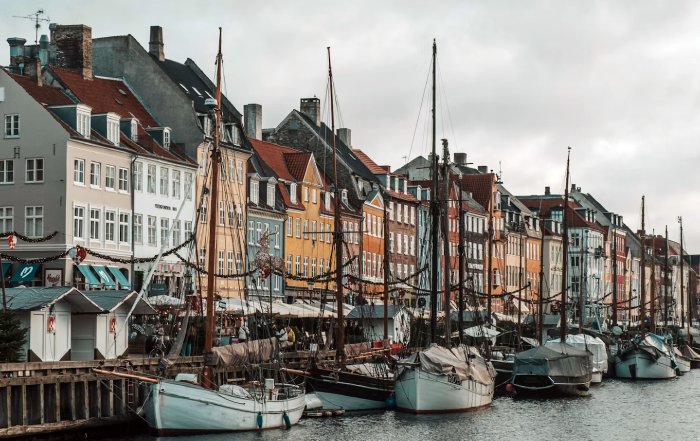
The Scandinavian Secrets to a Balanced Lifestyle
Why Scandinavian Balance Captivates a Stressed World
In 2026, as professionals across North America, Europe, Asia and beyond confront escalating burnout, digital overload and widening health gaps, the Scandinavian model of living has moved from cultural curiosity to strategic benchmark. Executives, entrepreneurs and policymakers now study how countries such as Sweden, Norway, Denmark, Finland and Iceland consistently deliver high life satisfaction, strong economic performance and robust public health outcomes, while maintaining a culture that openly values rest, family and nature. For the global audience of FitBuzzFeed-tuned into fitness, health, business, lifestyle and wellness-the Scandinavian experience offers a practical blueprint for building sustainable performance rather than chasing short-lived productivity spikes.
International benchmarks from organizations such as the World Health Organization and the Organisation for Economic Co-operation and Development show that Nordic societies combine high employment, competitive innovation and strong social cohesion with comparatively low levels of chronic stress and inequality. Readers looking to understand how this is achieved can explore how Scandinavian cultures integrate work, movement, nutrition, social trust and digital habits into a coherent philosophy that prioritizes long-term wellbeing and resilience. As leaders seek to design healthier workplaces, as brands compete on authenticity, and as individuals search for realistic strategies to thrive, the Scandinavian secrets to a balanced lifestyle have become both aspirational and deeply relevant.
The Cultural Foundations of Nordic Balance
Any attempt to apply Scandinavian lifestyle principles elsewhere must begin with an understanding of the cultural values that underpin them. In Scandinavia, balance is not a trend; it is a social norm supported by institutions, workplaces and everyday habits. The concept of "lagom" in Sweden, often translated as "just the right amount," captures a cultural preference for moderation over excess, which influences everything from consumption patterns and home design to working hours and exercise routines. In Denmark, the idea of "hygge" emphasizes comfort, connection and presence, often through simple, low-cost rituals such as shared meals, candlelit evenings and walks in nature, which collectively foster emotional stability and a sense of belonging. Readers interested in global cultural trends can explore world perspectives on wellbeing and examine how these Scandinavian concepts are being adapted in other regions.
Nordic societies also place a high value on trust, both interpersonal and institutional, which shapes how citizens interact with public services, employers and each other. Research from institutions like Harvard University has shown that higher levels of social trust correlate with better health outcomes and stronger economic performance, suggesting that the Scandinavian emphasis on fairness, transparency and collaboration is not merely ethical but also strategically effective. Those curious about broader social and economic implications can learn more through resources such as the World Economic Forum, which regularly highlights how social capital influences innovation and resilience. This cultural infrastructure of trust and moderation is the invisible scaffolding that allows Scandinavian citizens to prioritize balance without feeling that they are sacrificing ambition.
Work-Life Integration: Redefining Productivity
One of the most visible Scandinavian "secrets" is a radically different relationship to work. In contrast to cultures where long hours are worn as a badge of honor, many Nordic organizations treat overwork as a sign of inefficiency rather than dedication. Shorter average working weeks, widespread flexible arrangements and generous parental leave policies are not framed as perks but as investments in human capital. For professionals following FitBuzzFeed's jobs and business coverage, this approach offers a compelling case study in how to align corporate performance with employee wellbeing.
Companies such as IKEA, Spotify and Novo Nordisk, all rooted in Nordic culture, have become global exemplars in designing employee-centric policies that still drive strong financial results. Analyses by organizations like McKinsey & Company and Deloitte have repeatedly shown that firms with healthier cultures experience higher retention, greater innovation and stronger customer loyalty. Learn more about sustainable business practices through resources from the United Nations Global Compact or the International Labour Organization, which highlight how work-life integration is becoming a competitive differentiator in global talent markets. In Scandinavia, leaving the office on time, taking vacation days and disconnecting after hours are normalized behaviors, and this cultural permission structure is one of the most transferable insights for leaders in other countries seeking to combat burnout.
Movement as a Non-Negotiable Daily Habit
While many regions frame exercise as an optional or aspirational activity, Scandinavians integrate movement into the fabric of daily life. Walking, cycling and public transportation are not only infrastructure choices but lifestyle defaults that keep populations active without requiring elaborate fitness regimens. Cities like Copenhagen and Stockholm have invested heavily in cycling lanes, pedestrian-friendly streets and accessible green spaces, which encourage citizens of all ages to choose active transport. Those interested in how urban design shapes health can explore the work of C40 Cities or the World Resources Institute, which document best practices in building movement-friendly environments worldwide.
For the FitBuzzFeed audience, which closely follows sports, training and physical performance, the Scandinavian model emphasizes consistency over intensity. Instead of relying solely on gym memberships or high-intensity programs, many Nordic residents accumulate significant daily activity through commuting, outdoor recreation and community sports clubs. Organizations such as The Swedish Sports Confederation and Norwegian Olympic and Paralympic Committee work with local municipalities to make grassroots sports accessible, reinforcing a culture where physical activity is seen as a lifelong practice rather than a short-term fix. Learn more about the health benefits of regular movement through resources from the Mayo Clinic, which underline how moderate, sustained activity can dramatically reduce the risk of chronic disease.
Nature as a Strategic Health Asset
Perhaps the most distinctive Scandinavian advantage is the deep integration of nature into everyday routines, supported by both cultural traditions and public policy. The Nordic concept of "friluftsliv," loosely translated as "open-air life," reflects a belief that regular exposure to outdoor environments is essential for physical and mental health. This philosophy is not limited to rural areas; even in major cities, forests, lakes and coastal paths are intentionally preserved and made accessible, encouraging residents to spend time outside in all seasons. Those seeking to understand the scientific basis for this approach can explore findings from Stanford University and the University of Exeter, which have documented the psychological and physiological benefits of time in nature.
For readers of FitBuzzFeed interested in wellness and lifestyle, the Scandinavian practice of outdoor immersion offers a powerful, low-cost tool for stress management and cognitive recovery. Nordic schools frequently incorporate outdoor classes and play, while workplaces organize walking meetings and nature-based retreats as part of their wellbeing strategies. Learn more about how green spaces support public health through resources from the European Environment Agency, which tracks the relationship between urban design and health outcomes across Europe. By treating nature as a strategic asset rather than a luxury, Scandinavian societies create conditions where balanced living is both accessible and culturally reinforced.
Food, Nutrition and the Rise of the New Nordic Diet
Nutrition is another pillar of the Scandinavian approach to balance, characterized by simplicity, freshness and a strong connection to local and seasonal ingredients. The "New Nordic Diet," developed through collaborations between chefs, nutrition scientists and policymakers, emphasizes whole grains, root vegetables, oily fish, berries and legumes, while limiting ultra-processed foods and added sugars. Research supported by institutions such as the University of Copenhagen and Nordic Council of Ministers has linked this dietary pattern to improved cardiovascular health, better weight management and reduced inflammation. Learn more about evidence-based nutrition guidance through resources from the Harvard T.H. Chan School of Public Health, which often references Nordic eating patterns in its analyses.
The success of world-renowned restaurants such as Noma has brought international attention to Nordic culinary philosophy, but the underlying principles are widely accessible and highly relevant for FitBuzzFeed readers focusing on nutrition and health. Home cooking, minimal ingredient lists and respect for raw materials are common, and many Scandinavian families still follow traditions of foraging, pickling and preserving, which extend the availability of nutrient-dense foods year-round. Organizations like the World Cancer Research Fund highlight the protective effects of plant-forward, minimally processed diets, aligning closely with Nordic habits. Learn more about healthy eating patterns through the National Health Service (NHS) in the United Kingdom, which provides practical guidance that echoes many Scandinavian principles.
Mental Health, Social Support and Emotional Safety
Beyond visible habits, Scandinavian societies have invested heavily in mental health awareness, early intervention and destigmatization. Public health campaigns, school curricula and workplace programs openly address stress, anxiety and depression, framing mental health as a shared responsibility rather than an individual weakness. In countries like Finland and Norway, access to mental health services is integrated into primary care, and digital platforms are used to extend support to remote or underserved communities. Learn more about global mental health strategies through the World Health Organization, which frequently cites Nordic policies as examples of integrated, preventive approaches.
For the FitBuzzFeed community, where readers balance demanding careers, family responsibilities and performance goals, the Scandinavian emphasis on emotional safety and social support offers important lessons. Regular social rituals, from coffee breaks to community sports and cultural events, help to mitigate loneliness and create informal networks of care. Resources such as Mental Health America or Mind in the United Kingdom provide further insights into how social connection and structured support can reduce the burden of mental illness. By normalizing conversations about mental health and embedding support into everyday systems, Scandinavian societies create an environment where individuals are more likely to seek help early and maintain long-term balance.
Digital Discipline in a Hyperconnected Age
In 2026, digital overload has become one of the most pressing threats to balance worldwide, with professionals across the United States, Europe and Asia reporting constant connectivity and shrinking boundaries between work and personal life. Scandinavia, while highly digitized and home to leading technology companies such as Spotify, Klarna and Ericsson, has begun to experiment with cultural and organizational norms that protect attention and rest. Some Nordic employers have implemented guidelines discouraging non-urgent emails outside working hours, while schools and families are increasingly adopting screen-free periods to preserve focus and presence. Readers following FitBuzzFeed's technology and news coverage can observe how these experiments influence productivity and wellbeing metrics over time.
Research from institutions like MIT and Oxford Internet Institute highlights the cognitive costs of constant digital multitasking and the benefits of structured disconnection. Learn more about healthy technology use through resources from the American Psychological Association, which provides evidence-based recommendations for managing screen time and digital stress. Scandinavian societies, with their cultural preference for moderation and clear boundaries, are well-positioned to model a more disciplined digital culture that other regions can adapt, particularly in sectors where remote and hybrid work are now standard. For ambitious professionals, adopting Nordic-inspired digital habits-such as scheduled focus blocks, device-free meals and intentional offline time-can be a powerful step toward reclaiming balance.
Lessons for Businesses, Brands and Leaders Worldwide
The Scandinavian secrets to a balanced lifestyle are not confined to individual behavior; they are increasingly shaping corporate strategy and brand positioning. Global companies and emerging brands alike are recognizing that employees and customers now evaluate organizations not only on products and profits but also on their contribution to health, fairness and sustainability. For readers tracking brands and business trends on FitBuzzFeed, the Nordic model offers a roadmap for building trust and long-term value.
Organizations such as H&M, Volvo and Maersk, all with strong Nordic roots, have integrated sustainability, employee wellbeing and social responsibility into their core strategies, not merely as marketing narratives but as operational priorities. Learn more about responsible corporate behavior through frameworks from the Global Reporting Initiative and the OECD Guidelines for Multinational Enterprises, which align closely with many Scandinavian practices. As investors increasingly apply environmental, social and governance (ESG) criteria, and as consumers gravitate toward brands that support balanced lifestyles, companies that adopt Nordic-inspired policies-such as flexible work, comprehensive health benefits and honest communication-are likely to gain competitive advantage. Leaders who study Scandinavian examples can identify practical steps to redesign workplaces and brand experiences that support both performance and wellbeing.
Applying Scandinavian Principles in Diverse Contexts
While the Nordic countries benefit from specific historical, economic and political conditions, many of their lifestyle principles can be adapted in other regions, from the United States and United Kingdom to Singapore, Brazil and South Africa. The key is to translate values rather than copy structures. For instance, a small business in Canada or Australia may not be able to replicate Scandinavian parental leave policies immediately, but it can introduce flexible scheduling, encourage regular breaks and normalize taking vacation. Individuals living in dense cities in Asia or South America may not have easy access to forests and lakes, but they can still prioritize daily walks, balcony gardening or visits to urban parks, drawing on the same philosophy that underpins "friluftsliv." Those seeking inspiration can explore FitBuzzFeed's coverage of world and events to see how different cultures reinterpret wellbeing trends.
International organizations such as the World Bank and UN Development Programme provide case studies of how cities and regions across Europe, Asia and Africa are integrating health, sustainability and social cohesion into planning. Learn more about urban wellbeing strategies through the OECD Better Life Index, which allows comparisons across countries on indicators that closely mirror Scandinavian priorities. For the FitBuzzFeed audience, the practical takeaway is that balance is not a fixed destination but a set of daily choices shaped by culture, infrastructure and policy. By selectively adopting Scandinavian practices-such as consistent movement, simple nutrition, nature exposure, social rituals and digital boundaries-individuals and organizations can move closer to a sustainable, high-performance lifestyle that fits their local realities.
The Future of Balance: From Niche Ideal to Global Imperative
As the world navigates economic uncertainty, demographic shifts and rapid technological change, the Scandinavian approach to balance is evolving from a regional hallmark to a global reference point. Policymakers from Germany, Canada, Japan and Singapore are studying Nordic childcare, education and labor models; corporations in the United States, United Kingdom and South Korea are benchmarking against Scandinavian workplace policies; and wellness-focused platforms like FitBuzzFeed are translating these insights into actionable guidance for readers who want to thrive without burning out. Learn more about global wellbeing trends through resources from the Gallup Global Emotions Report, which tracks how different societies are responding to modern pressures.
The central lesson from Scandinavia is that balance is not achieved through isolated wellness hacks or short-lived resolutions but through coherent systems that align culture, policy, business practice and personal habit. For professionals, entrepreneurs, athletes and everyday readers across continents, the Nordic experience demonstrates that it is possible to pursue ambition while honoring rest, to embrace technology while protecting attention, and to drive economic success while preserving health and social trust. As FitBuzzFeed continues to cover developments in fitness, health, lifestyle, business and wellness, Scandinavian insights will remain a vital reference point for anyone seeking not just to perform, but to live well in a demanding, interconnected world.
Ultimately, the Scandinavian secrets to a balanced lifestyle are less about geography and more about priorities: valuing people over hours, depth over speed, and sustainability over short-term gain. Whether a reader is in New York, London, Berlin, Toronto, Sydney, Singapore, São Paulo or Cape Town, the Nordic example shows that balance is a strategic choice-and that in 2026, it may be the most important competitive advantage of all.