

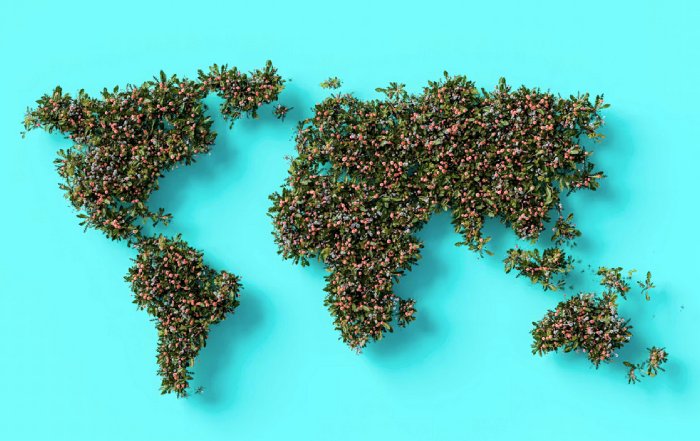
Health-Focused Living in 2026: How a Global Movement Became a Strategic Imperative
A Mature Health-First Mindset in a Post-Pandemic World
By 2026, health-focused living has evolved from an emerging trend into a mature global mindset that now shapes how people work, train, eat, travel, and make career and investment decisions. Across North America, Europe, Asia, Africa, and South America, individuals and organizations are no longer treating health as a side project or a personal hobby; instead, it has become a central pillar of strategy, identity, and long-term planning. The audience of FitBuzzFeed, which spans interests from high-performance fitness and training to business strategy and careers, is living through a period in which health-first thinking is now embedded in corporate boardrooms, government policies, urban planning, and consumer expectations.
The drivers behind this shift are multifaceted and deeply interlinked. The long-term effects of the COVID-19 era, demographic aging in regions such as Europe, Japan, South Korea, and North America, rising healthcare costs, and heightened awareness of climate and environmental risks have all converged to elevate health literacy and make wellbeing a shared societal concern. Institutions such as the World Health Organization (WHO) have continued to promote a holistic definition of health that encompasses physical, mental, and social wellbeing, and their frameworks are increasingly reflected in national strategies and corporate programs across the United States, United Kingdom, Germany, Canada, Australia, and major Asian economies. Readers who want to understand how this holistic view influences global policy can explore how international agencies frame health promotion as a collective responsibility, moving beyond the older paradigm that placed almost all responsibility on individuals.
For FitBuzzFeed, which positions itself at the intersection of health, performance, lifestyle, and global developments, this transformation has created a rich landscape of stories and insights. Health-focused living now connects directly with sports innovation, workplace design, digital technology, urban mobility, and the rapidly expanding wellness economy, offering both opportunities and challenges for athletes, professionals, entrepreneurs, policymakers, and brands.
From Short-Term Fitness Fixes to Integrated Health Ecosystems
In the early 2000s and 2010s, the health and fitness world was dominated by short-lived fads: extreme diets, single-purpose gadgets, and narrowly defined workout trends that often prioritized aesthetics over long-term resilience. By 2026, this fragmented landscape has matured into an integrated ecosystem in which physical fitness, mental resilience, recovery, and preventive care are treated as interconnected components of a single strategy. Consumers in markets as diverse as the United States, United Kingdom, Sweden, Singapore, Brazil, and South Africa expect their training plans, nutrition choices, and digital tools to align with credible science and support sustainable progress rather than quick fixes.
Gyms and training centers have continued their evolution into multidisciplinary health hubs, combining strength and conditioning, mobility work, breath training, mindfulness, and biometric monitoring under one roof. On FitBuzzFeed's dedicated training coverage, readers see how both elite athletes and everyday professionals now adopt periodized programs that integrate sleep optimization, structured recovery, and mental skills training that were once reserved for Olympic or professional teams. Sports brands such as Nike, Adidas, and Under Armour work closely with sports scientists, physiologists, and universities to create data-informed protocols, while national sports institutes in countries like Australia, the Netherlands, and South Korea share best practices that influence community clubs and school programs.
Organizations such as the American College of Sports Medicine (ACSM) have reinforced the link between regular physical activity and reduced risk of chronic diseases, including cardiovascular disease, type 2 diabetes, and certain cancers. Their global recommendations inform public health campaigns, workplace wellness benchmarks, and digital coaching platforms. Readers who want to understand the scientific foundation of exercise guidelines can explore how ACSM's global initiatives are shaping policies and standards. In this integrated ecosystem, physical activity is no longer framed only as a personal choice; it is increasingly seen as a critical component of national resilience and economic productivity.
Wearables, Health Data, and the New Quantified Self
By 2026, wearable technology and connected health platforms have entered a new phase characterized by more accurate sensors, stronger integration with healthcare systems, and smarter personalization. Devices from companies such as Apple, Samsung, Garmin, and newer specialist players now routinely track heart rate variability, sleep architecture, blood oxygen saturation, skin temperature trends, and early indicators of cardiovascular irregularities. In the United States, Germany, Singapore, Japan, and other innovation-driven markets, these devices have become part of daily routines, quietly informing decisions about training intensity, work schedules, and bedtime habits.
For the technology-minded segment of the FitBuzzFeed audience, digital wellness and health tech are no longer experimental topics; they are practical tools that support performance and recovery. Endurance athletes use real-time data to avoid overtraining and tailor fueling strategies, while knowledge workers rely on nudge-based prompts to interrupt prolonged sitting, schedule movement breaks, and manage screen time. Platforms such as Strava, MyFitnessPal, and Headspace have grown into large ecosystems that blend data tracking with community support and mental health resources, demonstrating how digital communities can create accountability and a sense of belonging around shared health goals.
However, the integration of personal health data into broader digital infrastructures has also intensified concerns about privacy, security, and ethics. Regulatory frameworks such as the Health Insurance Portability and Accountability Act (HIPAA) in the United States and the General Data Protection Regulation (GDPR) in the European Union require companies to adopt rigorous standards for data handling, consent, and transparency. Readers interested in how these rules shape the design of health platforms can review GDPR's official guidance to see how European standards are influencing global practices. In this environment, brands that demonstrate robust data governance, clear communication, and user control over personal information are gaining a trust advantage, while those that treat health data primarily as a commercial asset face mounting skepticism.
Nutrition, Longevity, and the Rise of Evidence-Based Wellness
Nutrition remains a cornerstone of health-focused living, but in 2026 the conversation has moved well beyond simplistic categories such as "low-carb" or "low-fat." Consumers in North America, Europe, and Asia increasingly evaluate dietary choices through the lenses of metabolic health, glycemic response, micronutrient density, gut microbiome diversity, and long-term disease risk. Research institutions like the Harvard T.H. Chan School of Public Health have played a central role in translating complex nutritional science into practical frameworks that link dietary patterns with reduced risk of heart disease, diabetes, and certain cancers. Readers who want to explore these frameworks can review how experts explain healthy eating patterns that emphasize whole grains, vegetables, fruits, healthy fats, and lean proteins.
Within the FitBuzzFeed community, interest in nutrition and performance has become more sophisticated, with readers seeking clarity on topics such as protein requirements for strength and longevity, the role of fiber in gut health, and the impact of ultra-processed foods on metabolic markers and appetite regulation. Plant-forward diets, Mediterranean and Nordic patterns, and time-restricted eating protocols attract attention, but they are increasingly evaluated through the lens of scientific evidence rather than marketing promises. Global food giants such as Nestlé, Unilever, and Danone continue to reformulate products to reduce added sugars, salt, and unhealthy fats, while a wave of startups in the United States, United Kingdom, Germany, Israel, and Singapore experiment with precision supplementation, functional beverages, and microbiome-targeted formulations.
Regulatory agencies such as the U.S. Food and Drug Administration (FDA) and the European Food Safety Authority (EFSA) remain crucial gatekeepers in assessing health claims and setting labeling standards, helping consumers distinguish between credible products and exaggerated promises. Readers can deepen their understanding of this oversight by examining how EFSA evaluates nutrition and health claims. At the same time, the global conversation around longevity has expanded, with research centers like the Buck Institute for Research on Aging and leading universities in the United States, United Kingdom, and Japan exploring interventions aimed at extending healthspan rather than merely prolonging lifespan. Outlets such as Nature regularly publish updates on aging and longevity research, and these findings filter into mainstream interest in strength training, protein optimization, sleep quality, and metabolic health-all themes that feature prominently in FitBuzzFeed's wellness coverage.
Mental Health, Burnout, and Sustainable Success
The international spread of health-focused living has brought mental health from the margins to the center of public and corporate discourse. By 2026, organizations across North America, Europe, and Asia-Pacific recognize that psychological wellbeing is not only a moral concern but also a fundamental driver of performance, innovation, and retention. The intense pressures of hybrid work, digital overload, geopolitical uncertainty, and economic volatility have made burnout a critical risk factor for employers and professionals alike.
Leading companies in the United States, United Kingdom, Germany, Canada, and Singapore are expanding mental health benefits, offering confidential counseling, resilience training, and more flexible work arrangements, while integrating mental health metrics into employee engagement and leadership development programs. Nonprofit organizations such as Mind in the UK and the National Alliance on Mental Illness (NAMI) in the US provide practical frameworks that help organizations recognize early warning signs of stress and burnout and build supportive cultures. Readers seeking guidance on organizational approaches can explore resources that outline workplace mental health strategies, which are increasingly used as reference points by HR leaders and line managers.
For the career-focused readers of FitBuzzFeed, who follow jobs and workplace trends, mental health has become a key criterion in evaluating potential employers. Professionals in technology, finance, healthcare, education, and creative industries are asking more direct questions about workload management, psychological safety, and the organization's stance on boundaries and time off. The previously glamorized "hustle culture" is being replaced by a more nuanced model of sustainable performance that values deep work, recovery, autonomy, and purpose. Clinical institutions such as the Mayo Clinic provide accessible explanations of stress physiology and evidence-based strategies for managing chronic stress and preventing burnout, which individuals can use to benchmark their own routines. Those who want to review practical techniques can consult Mayo Clinic's overview of stress management, then align these insights with their training, nutrition, and sleep habits.
Cities, Mobility, and Health-Centric Urban Design
Health-focused living is also being reshaped by the spaces in which people live and work. Urban planners, architects, and policymakers across Europe, Asia, Australia, and North America increasingly recognize that city design can either support or undermine active lifestyles, social cohesion, and mental wellbeing. Concepts such as the 15-minute city, active mobility corridors, and nature-based infrastructure have gained momentum in cities like Paris, Barcelona, Copenhagen, Melbourne, Singapore, and Vancouver, where residents are demanding safer cycling lanes, pedestrian-first streets, and accessible green spaces.
Organizations like C40 Cities and ICLEI - Local Governments for Sustainability help municipalities design climate-resilient, health-promoting strategies that address air quality, noise, heat stress, and access to healthy food. Readers who want to see real-world examples can explore how C40 links climate action with public health, highlighting projects that reduce emissions while encouraging active transport. In many European and Asian cities, investments in public transit, bike-sharing schemes, and low-emission zones are explicitly justified on public health grounds, helping reduce the burden of respiratory and cardiovascular diseases while enabling residents to integrate walking and cycling into daily routines.
For the globally oriented FitBuzzFeed community, which follows world developments and lifestyle shifts, these changes have direct implications for daily practice. In walkable, transit-rich cities, commuting itself can become a form of moderate-intensity exercise, while in car-dependent regions of the United States, Canada, and parts of South Africa and Latin America, individuals often need to be more intentional about scheduling movement and leveraging home-based or workplace fitness solutions. Academic and public health networks, including The Lancet Global Health, have underlined the equity dimensions of urban design, noting that disadvantaged communities are more likely to face polluted air, limited access to green spaces, and unsafe streets. Readers can explore analyses that link urban form to health outcomes to understand why city planning has become a frontline issue in the fight against non-communicable diseases.
Business Strategy, Brand Trust, and the Expanding Wellness Economy
The global embrace of health-focused living has transformed the competitive landscape for businesses across sectors. The wellness economy-which includes fitness, nutrition, mental health, beauty, workplace wellbeing, and health tourism-has grown into a multi-trillion-dollar market, as estimated by organizations such as the Global Wellness Institute. Companies in food and beverage, sports apparel, consumer technology, hospitality, and even real estate are repositioning themselves as partners in their customers' health journeys, recognizing that health-conscious consumers in the United States, United Kingdom, Germany, France, Australia, China, and Brazil increasingly reward brands that demonstrate authentic commitment to wellbeing.
For readers who track business and brand dynamics through FitBuzzFeed, the shift is visible in product portfolios, partnerships, and reporting practices. Multinationals such as Unilever and PepsiCo have public targets for reducing sugar, sodium, and saturated fat in their offerings and are expanding lines that emphasize whole ingredients, functional benefits, and transparent sourcing. Hotel groups in Europe, Asia, and North America are redesigning guest experiences around sleep quality, circadian-friendly lighting, healthy menus, and easy access to fitness facilities or outdoor activity. At the governance level, frameworks such as the Global Reporting Initiative (GRI) encourage companies to report on health and wellbeing outcomes alongside environmental and governance metrics, making it easier for investors and stakeholders to assess the credibility of health-related claims. Those interested in this intersection between ESG and health can explore how GRI standards incorporate social and wellbeing indicators.
At the same time, the rapid growth of the wellness economy has attracted scrutiny. Regulators, consumer advocates, and investigative journalists have exposed cases where products or services were marketed with exaggerated or unsupported health benefits, from supplements with dubious claims to fitness programs promising unrealistic transformations. In this environment, media platforms such as FitBuzzFeed, and its news reporting in particular, play a crucial role in helping readers differentiate between evidence-based offerings and superficial branding. Brands that invest in independent validation, collaborate with credible health organizations, and communicate transparently about the limits of their products are better positioned to earn long-term trust.
Regional Diversity and Global Convergence
While health-focused living has become a global phenomenon, its expression varies by region, shaped by healthcare systems, cultural norms, and economic conditions. In the United States and Canada, high healthcare costs and a strong culture of individual responsibility continue to drive interest in preventive services, direct-to-consumer testing, and boutique fitness experiences, while also revealing stark disparities in access between affluent urban populations and underserved rural or low-income communities. In Western Europe, where universal healthcare is more common, governments in Germany, France, the Netherlands, the Nordic countries, and the United Kingdom integrate public health campaigns with workplace regulation, urban planning, and social protection to promote active aging and reduce lifestyle-related disease.
Across Asia, the picture is heterogeneous but dynamic. Japan and South Korea, facing rapidly aging populations, emphasize community-based programs, workplace wellness, and technology-enabled care models, while Singapore has positioned itself as a regional hub for digital health innovation and preventive medicine. China is investing heavily in both modern preventive care and traditional Chinese medicine, building large-scale health data platforms and AI-driven diagnostics while also promoting physical activity and community health initiatives. Comparative analyses from organizations such as the Organisation for Economic Co-operation and Development (OECD) help contextualize these approaches, and readers can explore OECD's "Health at a Glance" series to understand cross-country differences in outcomes and policies.
In emerging markets across Africa, South America, and Southeast Asia, health-focused living is shaped by the dual challenge of infectious diseases and rising non-communicable diseases, as well as infrastructure constraints. Countries such as South Africa, Brazil, Thailand, and Malaysia are experimenting with community health worker models, mobile clinics, and digital health platforms to extend preventive services to remote or underserved populations. Within this diversity, there is a clear convergence around core principles: regular movement, balanced nutrition, mental wellbeing, and supportive environments. For FitBuzzFeed's globally engaged readers, following health and lifestyle developments around the world offers a window into how best practices travel across borders and are adapted to local realities.
Media, Education, and the Power of Digital Communities
Media organizations and digital communities have become essential intermediaries in the global health conversation. Platforms like FitBuzzFeed translate academic research, policy developments, and industry innovation into accessible, actionable insights for readers who care about sports, fitness, nutrition, wellness, technology, and lifestyle. In an era of information overload and algorithm-driven feeds, this translation and curation function is critical to maintaining trust and helping individuals make informed choices.
Public health agencies and educational institutions increasingly collaborate with media outlets and social platforms to disseminate evidence-based guidance and counter misinformation. Organizations such as the Centers for Disease Control and Prevention (CDC) in the United States and the UK's health authorities provide clear recommendations on physical activity, nutrition, and mental health that journalists and content creators can reference and contextualize. Readers who want to benchmark their own routines can review CDC's physical activity guidelines and compare them with their current habits and training plans.
At the same time, digital communities built around running, cycling, strength training, yoga, and team sports provide powerful social reinforcement. Within these networks, personal stories, progress updates, and peer support often carry as much weight as expert advice, especially when they reflect diverse experiences and body types. For those who follow FitBuzzFeed's sports and events coverage, local races, charity challenges, and virtual competitions illustrate how structured goals and shared milestones can sustain motivation. The challenge for media and community platforms is to inspire without promoting unrealistic or unsafe standards, encouraging ambitious but sustainable goals that align with long-term health rather than short-term aesthetics.
The Road Ahead: Health as a Core Element of Modern Life
By 2026, health-focused living has clearly moved beyond fashion to become a structural feature of modern societies and economies. For individuals, especially those balancing demanding careers with family and community responsibilities, investing in physical activity, nutrition, sleep, and mental health is increasingly seen as non-negotiable for long-term performance and fulfillment. For employers and policymakers, supporting healthier populations is both a moral obligation and an economic necessity, given the rising costs of chronic disease, absenteeism, and social care in aging societies across Europe, North America, and Asia.
For brands and businesses, the health-first era offers substantial growth opportunities but also significant reputational risks. Companies that embed wellbeing into their products, services, and internal cultures-and that demonstrate this commitment through transparent reporting and independent validation-are better positioned to earn loyalty from health-conscious consumers in markets from the United States and United Kingdom to Germany, Canada, Australia, Japan, and Brazil. Those that rely on superficial messaging or ignore the broader social and environmental determinants of health risk losing credibility as consumers, regulators, and investors become more discerning.
For the FitBuzzFeed community, which spans lifestyle and wellness, physical performance, and global news and events, the international spread of health-focused living provides a continuous stream of insights, innovations, and opportunities. Whether the focus is on the latest advances in sports science, the future of workplace wellbeing, the evolution of nutrition science, or the impact of urban design and technology on daily routines, readers are part of a global movement that is redefining what it means to live well and perform at a high level in the twenty-first century. As this movement continues to mature, platforms committed to rigorous, trustworthy coverage of health, fitness, and wellness-anchored in experience, expertise, authoritativeness, and trustworthiness-will remain essential guides in helping individuals and organizations make decisions that support both personal thriving and collective resilience.