

The New Era of Mobile Fitness: How Apps Are Redefining Health, Performance, and Work-Life Balance in 2026
In 2026, the global conversation around health, productivity, and lifestyle has matured beyond simple notions of "hitting the gym" or "eating clean." For a readership that spans executives in New York, software engineers in Berlin, creatives in London, founders in Singapore, and hybrid workers in Toronto, fitness is now deeply interwoven with career trajectories, mental resilience, and long-term quality of life. The team at FitBuzzFeed has seen this shift first-hand: readers are no longer asking merely which workout burns the most calories, but which tools genuinely integrate with demanding schedules, complex travel patterns, and the realities of remote and hybrid work across North America, Europe, Asia, Africa, and South America.
At the center of this transformation sit fitness and wellness apps. What began as simple step counters and basic workout libraries has evolved into a sophisticated ecosystem of AI-driven coaching, biometric analytics, integrated nutrition support, and mental health resources, all delivered through devices that rarely leave users' hands or wrists. Whether someone is dialling into late-night calls with colleagues in Sydney, managing a team across time zones from Amsterdam, or squeezing in a run between client meetings in Tokyo, mobile platforms now provide personalized training, recovery guidance, and lifestyle recommendations that are always on and always adapting.
Industry analysts estimate that the global digital fitness and wellness app sector is on track to far exceed earlier projections of USD 30 billion, propelled by persistent demand from time-poor professionals, health-conscious millennials and Gen Z, and an aging but active workforce seeking sustainable longevity. Organizations such as McKinsey & Company have highlighted how consumers are reallocating spending toward health and wellness experiences, while data from the World Health Organization underscores the economic and social burden of inactivity and chronic disease. In this context, mobile fitness is no longer a niche convenience; it is a structural component of how people worldwide manage their health and their careers. Learn more about how this intersects with global trends in the FitBuzzFeed world section.
The Core Ingredients of a High-Impact Fitness App in 2026
As app stores continue to be flooded with thousands of options, the difference between a high-impact platform and a forgettable download is increasingly determined by depth of expertise, evidence-based design, and the ability to fit seamlessly into a user's life rather than compete with it. For the audience of FitBuzzFeed, which spans entrepreneurs, corporate leaders, shift workers, and athletes from the United States, United Kingdom, Germany, Canada, Australia, and beyond, the most valuable apps share several defining characteristics.
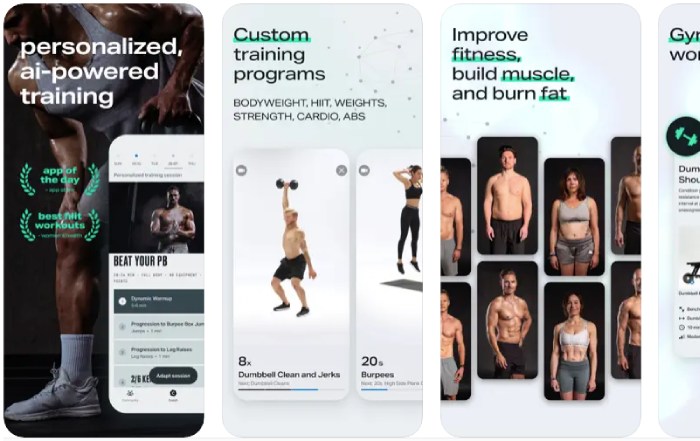
First, personalization has moved far beyond simple questionnaire-based recommendations. Leading platforms now leverage machine learning, behavioral science, and in some cases continuous biometric data to adjust training volume, intensity, and recovery strategies in real time. Apps inspired by research from institutions such as Harvard T.H. Chan School of Public Health and the Mayo Clinic increasingly recognize that a 45-year-old executive with limited sleep, high travel frequency, and elevated stress markers cannot be treated like a 22-year-old student with abundant recovery time. Instead, adaptive training plans adjust for sleep debt, heart rate variability, and even menstrual cycle phases, creating a more precise and safer path toward goals such as fat loss, muscle gain, cardiovascular endurance, or injury prevention.
Second, user experience has become a competitive differentiator. Busy professionals do not have the patience for clunky interfaces or confusing navigation; they expect frictionless onboarding, clear session previews, and workouts that can be started in a few taps between meetings. The most respected apps now invest heavily in design and behavioral nudges, drawing on insights from organizations like IDEO and research published by Stanford University on habit formation and digital engagement. For FitBuzzFeed readers accustomed to premium digital products in finance, productivity, and communication, fitness apps must match that quality to earn a permanent place on their home screens.
Third, integration with wearables and health platforms is no longer optional. Devices from Apple, Garmin, Fitbit, Samsung, and WHOOP collect a wealth of data on activity, sleep, and cardiovascular trends. The most authoritative apps connect seamlessly with ecosystems such as Apple Health and Google Fit, allowing users to consolidate their information into a single, coherent view. For those tracking performance across sports and modalities, this interoperability supports better decision-making, from knowing when to push harder to recognizing early signs of burnout or overtraining. Readers can explore how this connects to broader performance culture in the FitBuzzFeed sports section.
Finally, the definition of "fitness" inside these apps has broadened to include mental health, emotional resilience, and sustainable lifestyle design. Platforms that once focused solely on sets and reps now incorporate guided meditation, breathwork, sleep coaching, and stress management, often drawing on frameworks from organizations such as Headspace Health and resources from the American Psychological Association. This holistic approach resonates strongly with FitBuzzFeed's community, many of whom report that their biggest barrier to consistency is not a lack of knowledge about exercise, but chronic stress, poor sleep, and cognitive overload.
From Guided Workouts to Holistic Systems: How Leading Apps Now Operate
Some of the most recognized names in digital fitness have evolved into full-spectrum systems that blend content, coaching, and community. Nike Training Club, for instance, has expanded its library from straightforward strength and conditioning sessions into a diverse catalogue that includes mobility, yoga, mindfulness, and sport-specific training. Its use of high-quality video instruction and structured programs makes it particularly appealing for users who want professional guidance without the logistical constraints of in-person classes. Those already engaged in more traditional athletic training can complement their routines with targeted mobility or recovery sessions, an approach that aligns with guidance from bodies like UK Sport and Sport Australia on long-term athlete development.
Nutrition-focused platforms have undergone a similar transformation. While calorie counting apps such as MyFitnessPal originally gained traction through extensive food databases and barcode scanning, they now incorporate macronutrient periodization, hydration tracking, and integration with continuous glucose monitoring for those managing metabolic conditions. As research from organizations like the Academy of Nutrition and Dietetics and European Food Safety Authority continues to reinforce the importance of individualized nutrition strategies, these apps increasingly allow users to tailor their approach to cultural preferences, dietary restrictions, and performance goals. FitBuzzFeed readers interested in this intersection of data and diet can delve deeper in the FitBuzzFeed nutrition section.
At the same time, several platforms have positioned themselves as comprehensive lifestyle ecosystems. Centr, associated with actor Chris Hemsworth, exemplifies this trend by combining functional strength programs, boxing, yoga, mindset training, and chef-designed meal plans into one subscription. Rather than treating training, food, and mental health as separate silos, Centr presents them as interdependent levers that must be adjusted together, a philosophy that mirrors emerging longevity research from institutions such as the Buck Institute for Research on Aging. For time-pressed users in hubs like Los Angeles, Melbourne, or Munich, this one-stop structure reduces decision fatigue and increases adherence.
Meanwhile, community-driven platforms such as Strava and the Peloton app have demonstrated that social accountability can be as powerful as algorithmic personalization. Strava's global network of runners, cyclists, and triathletes now spans cities from Stockholm to São Paulo, enabling users to share routes, compare performances, and participate in challenges that transcend borders. Peloton's live and on-demand classes, accessible even without proprietary hardware, deliver studio-style energy to apartments in Paris, offices in New York, or homes in Seoul. Both brands illustrate how digital communities can replicate-and in some cases surpass-the motivational impact of physical gyms and clubs, especially for individuals whose schedules or locations limit access to in-person groups. Readers can explore how these communities influence lifestyle choices in the FitBuzzFeed lifestyle section.
The Rise of Data-Driven Performance and Recovery
One of the defining developments between 2020 and 2026 has been the mainstreaming of performance analytics previously reserved for elite athletes. Devices and platforms like WHOOP, Garmin Connect, and Oura now provide granular insights into sleep architecture, heart rate variability, strain, and recovery. Apps interpret these signals and translate them into daily readiness scores, training recommendations, and lifestyle prompts, often referencing frameworks similar to those used by organizations such as the U.S. Olympic & Paralympic Committee or German Olympic Sports Confederation.
For high-performing professionals in finance, technology, law, and creative industries, this shift has been particularly significant. Many FitBuzzFeed readers report that their work demands resemble those of competitive athletes in terms of cognitive load, travel, and stress, even if their physical activity levels differ. Platforms that can quantify the impact of late-night emails, long-haul flights, or alcohol consumption on next-day performance provide a powerful feedback loop. This has contributed to a broader cultural trend in which sleep and recovery are no longer seen as optional luxuries, but as strategic assets, supported by research from organizations like the National Sleep Foundation.
In parallel, strength and conditioning apps such as Jefit have become more sophisticated in their tracking of progressive overload, training volume, and exercise selection. Users can now monitor long-term trends in strength, muscle balance, and workout frequency, enabling more intelligent programming and injury prevention. For individuals transitioning from casual training to more structured performance goals-such as completing a marathon, improving powerlifting totals, or preparing for a demanding physical job-this level of data granularity can be transformative. FitBuzzFeed's training section offers additional insight into how structured programming supports long-term progress.
Mental Health, Mindfulness, and Emotional Resilience Inside Fitness Apps
The past few years have underscored the extent to which mental health and physical health are inseparable. Global events, economic uncertainty, and rapid changes in work patterns have left many professionals grappling with anxiety, burnout, and chronic stress. In response, a growing number of fitness apps now embed dedicated mental wellness tracks alongside physical training, recognizing that a client who is mentally exhausted will struggle to adhere to even the best-designed workout plan.
Platforms specializing in mindful movement, such as Glo, center their offerings around yoga, Pilates, meditation, and breathwork, explicitly targeting stress reduction and emotional balance. Their programming often aligns with recommendations from organizations such as Mind in the UK and the National Alliance on Mental Illness in the United States, emphasizing the role of consistent, low-barrier practices in managing anxiety and improving sleep. For remote workers in Canada, consultants on the road across Europe, or startup founders in Singapore, the ability to access a 10-minute grounding practice between calls or a restorative session before bed can be as critical as a strength workout.
Even more performance-oriented apps increasingly include mindfulness modules, gratitude prompts, and cognitive behavioral tools. This reflects a broader shift in corporate and athletic environments, where leaders are recognizing that resilience and focus are trainable skills. Companies in sectors from fintech to manufacturing are incorporating app-based meditation and stress management into employee wellness programs, sometimes in partnership with providers recommended by groups such as the World Economic Forum. FitBuzzFeed's wellness section explores how these practices are reshaping workplace culture across continents.
Corporate Wellness, Hybrid Work, and the Business Case for Fitness Apps
From a business perspective, the rise of fitness and wellness apps intersects directly with talent retention, healthcare costs, and employer branding. Organizations across the United States, Germany, France, Japan, South Africa, and Brazil increasingly view digital wellness solutions as strategic investments rather than discretionary perks. By subsidizing app subscriptions or integrating platforms into benefits packages, employers aim to reduce absenteeism, improve mental health outcomes, and signal a commitment to employee well-being that supports recruitment and retention in competitive labor markets.
Reports from bodies such as the World Economic Forum, the OECD, and Deloitte have highlighted the financial impact of chronic disease and burnout on productivity. Against this backdrop, scalable digital tools that can reach employees in offices, at home, or on the road are particularly attractive. Hybrid and remote work models make centralized on-site gyms less relevant for many companies, while app-based programs can be accessed from New York to Bangkok with equal ease. Some enterprises now pair app access with internal challenges, virtual events, and educational content, creating a wellness culture that extends beyond physical activity into nutrition, sleep hygiene, and mental health literacy. Readers interested in this intersection of health and corporate strategy can explore the FitBuzzFeed business section.
For employees themselves, this integration often removes financial and logistical barriers to high-quality coaching. A project manager in Zurich, an engineer in Bangalore, or a marketer in Vancouver can use the same platform to follow structured programs, track key metrics, and access expert-led content without navigating separate memberships or time-consuming commutes. The result is a more equitable distribution of wellness resources across job functions, geographies, and income levels.
Regional Nuances: How Users Around the World Engage with Fitness Apps
Although mobile fitness is a global phenomenon, regional preferences and constraints shape how users in different markets engage with these tools. In North America and parts of Western Europe, high penetration of wearables and premium smartphones has driven adoption of feature-rich platforms that integrate deeply with hardware such as Apple Watch and Garmin devices. In these markets, users often expect advanced analytics, high production values, and broad content libraries, mirroring their experiences with streaming entertainment and productivity apps.
In Asia, particularly in China, South Korea, Japan, Singapore, and Thailand, social and gamified experiences have proven especially compelling. Integration with local messaging platforms, leaderboards, and virtual events create a sense of community that resonates strongly with younger demographics. At the same time, space constraints in dense urban centers encourage the popularity of bodyweight and small-space training solutions that can be performed in apartments or compact gyms.
In Africa and parts of South America, connectivity, device affordability, and language support play a more prominent role in shaping adoption. Lightweight apps that function well on mid-range Android devices and offer offline capabilities are gaining traction, as are platforms that localize content and nutritional guidance to regional cuisines and cultural practices. Organizations such as the World Bank and UNDP have highlighted the potential of mobile health tools to improve access to health information and preventive care in these regions, especially among younger, mobile-first populations.
For FitBuzzFeed's global audience, these nuances matter because many readers travel frequently, manage distributed teams, or operate brands that span multiple continents. Understanding how users in Europe, Asia, Africa, and South America engage with fitness apps can inform everything from workplace wellness strategies to product localization for health-focused startups. The FitBuzzFeed news section regularly follows these cross-border developments.
Choosing the Right App for a Demanding Lifestyle
With such a diverse ecosystem, the central question for many FitBuzzFeed readers is not whether to use a fitness app, but how to select the one that aligns most closely with their lifestyle, goals, and constraints. For some, the priority may be high-intensity, time-efficient training that fits into a 20-minute window between childcare and client calls; for others, it may be a comprehensive solution that combines structured strength programming, nutrition periodization, and sleep optimization.
Professionals who travel extensively across regions like Europe, Asia-Pacific, and North America may benefit from platforms emphasizing flexibility and minimal equipment, as well as route-planning tools for running or cycling in unfamiliar cities. Those with data-driven mindsets might gravitate toward apps that integrate deeply with wearables and provide sophisticated analytics, while individuals recovering from burnout or managing high stress loads may prioritize mindfulness, low-impact movement, and sleep quality.
Whatever the choice, the most effective approach is typically one that acknowledges the realities of work, family, and energy rather than imposing unrealistic expectations. Sustainable progress tends to come from consistent, manageable habits embedded into daily routines-walking meetings, short mobility sessions between calls, structured strength work two or three times per week-rather than sporadic extremes. Readers can explore practical strategies for embedding movement and recovery into everyday life in the FitBuzzFeed physical section and fitness section.
Looking Ahead: The Next Phase of Mobile Fitness
As 2026 unfolds, several emerging trends hint at where the fitness app landscape is heading. Advances in generative AI and multimodal sensing are enabling more nuanced coaching that can interpret form via smartphone cameras, adjust programs based on mood and subjective feedback, and integrate environmental data such as air quality and temperature. Regulatory bodies and health organizations, including the U.S. Food and Drug Administration and the European Medicines Agency, are paying closer attention to digital health claims, pushing serious players to ground their recommendations in robust clinical evidence.
There is also growing interest in the intersection of fitness apps with broader healthcare systems. In some countries, clinicians are beginning to prescribe or recommend specific digital tools for patients managing conditions such as hypertension, diabetes, or musculoskeletal pain, aligning with guidance from entities like the National Health Service in the UK. This medicalization of certain app functions raises the bar for data privacy, security, and evidence-based design, but also opens up new possibilities for integrated, preventive care that extends beyond clinic walls.
For the community at FitBuzzFeed, these developments mean that mobile fitness will continue to evolve from a convenience into an essential layer of personal infrastructure, comparable to banking or communication apps. Whether readers are focused on peak athletic performance, long-term healthspan, or simply staying functional and energized through demanding careers, the tools available in 2026 offer unprecedented support-provided they are chosen and used thoughtfully.
Those seeking to stay ahead of these shifts can follow ongoing coverage across FitBuzzFeed health, wellness, and technology, where the editorial team continues to track how digital innovation, scientific research, and real-world user experience are reshaping what it means to live a fit, resilient, and productive life in a fast-changing world.