

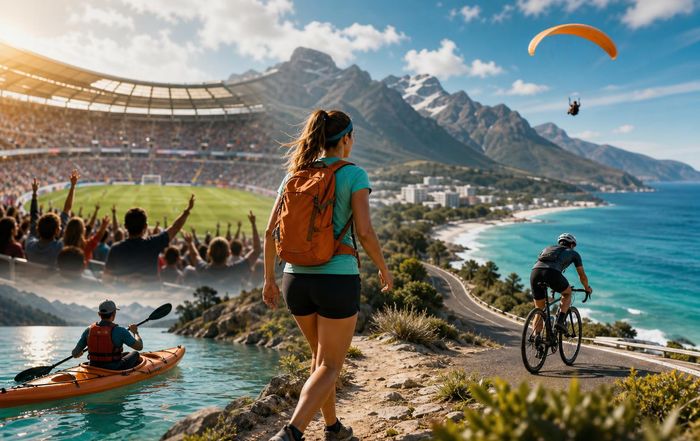
How Sports Tourism Supports Active Lifestyles
The Rise of Sports Tourism as a Global Lifestyle Movement
Sports tourism has evolved from a niche travel segment into a defining feature of how millions of people around the world choose to spend their leisure time, invest in their health, and shape their careers. No longer limited to elite athletes traveling for competitions, sports tourism now encompasses amateurs entering destination marathons, families planning vacations around major tournaments, remote workers combining training camps with workcations, and wellness-focused travelers seeking active retreats. As a result, it has become a powerful driver of active lifestyles, with a direct influence on fitness, health, business, jobs, and technology across continents from North America and Europe to Asia, Africa, and South America.
For a sport news platform like FitBuzzFeed, whose daily keen readers track the latest developments in sports, fitness, health, and lifestyle, the intersection between travel and physical activity is no longer a peripheral topic but a central narrative in how people design their everyday routines and long-term life goals. As international travel rebounds and stabilizes after the disruptions of the early 2020s, sports tourism has emerged as a resilient and fast-growing sub-sector, with destinations in the United States, United Kingdom, Germany, Canada, Australia, France, and beyond competing to attract visitors who want to move more, compete more, and live more actively.
Organizations such as the World Tourism Organization (UNWTO) have documented the steady expansion of sports-related travel, and readers can explore broader tourism trends through resources like the UNWTO tourism data portal. At the same time, health-focused institutions such as the World Health Organization (WHO) continue to emphasize the importance of physical activity for preventing noncommunicable diseases, and professionals in the sports tourism ecosystem increasingly align their offerings with global physical activity guidelines, which can be reviewed through the WHO physical activity recommendations.
Defining Sports Tourism in 2026: Beyond Stadiums and Marathons
Sports tourism in 2026 is best understood as a broad category that includes travel for participation, spectating, training, and wellness-oriented activity, spanning everything from major events like the Olympic Games and FIFA World Cup to grassroots cycling tours, yoga retreats, esports tournaments, and high-altitude training camps. It encompasses both domestic and international trips, short weekend getaways and extended stays, and appeals to diverse demographics across age, income, and fitness levels.
Industry bodies such as the World Travel & Tourism Council (WTTC) have highlighted how sports-related travel now contributes significantly to tourism GDP and job creation, and readers interested in the macroeconomic context can explore global travel and tourism economic impact reports. Simultaneously, sports governing bodies like the International Olympic Committee (IOC) have reshaped their event strategies to emphasize sustainability, inclusivity, and legacy, which in turn shapes the infrastructure and community programs that support active living in host cities, as outlined in the IOC's approach to Olympic legacy and sustainability.
From the perspective of FitBuzzFeed readers, this broader definition is crucial because it reflects how sports tourism intersects with everyday life: a remote worker from London who trains for a triathlon in Mallorca, a software engineer from Seoul who joins a cycling camp in Chiang Mai, a nurse from Toronto who travels to Cape Town for a charity run, or a family from Munich that plans their vacation around a ski festival in the Swiss Alps. These travelers do not simply consume sports as entertainment; they integrate sports into their identity, their social connections, and their long-term health habits.
The Health and Fitness Impact: Turning Trips into Long-Term Habits
One of the most significant ways sports tourism supports active lifestyles is by transforming travel from a sedentary, indulgent break into a catalyst for healthier routines. When individuals book a trip centered around a marathon, a triathlon, a hiking expedition, or a wellness retreat, they commit in advance to weeks or months of structured training, which can significantly increase their overall physical activity levels well before they even board a plane.
Public health research, including work disseminated by institutions such as Harvard T.H. Chan School of Public Health, has consistently demonstrated the benefits of regular physical activity on cardiovascular health, mental well-being, and longevity, and readers can delve deeper into these connections through resources like evidence-based physical activity and health insights. By anchoring their fitness goals to a tangible event in an inspiring destination, many individuals find it easier to maintain consistency, adhere to training schedules, and overcome motivational slumps.
On FitBuzzFeed, the synergy between travel and training is reflected in how readers move between sections like training, physical, and wellness, seeking programs that prepare them not only for a single competition but for a more sustainable, active lifestyle. Sports tourism reinforces this shift by adding emotional resonance and social accountability: registering for a half-marathon in New York, a cycling gran fondo in Italy, or a trail race in New Zealand becomes a personal commitment shared with friends, colleagues, and online communities.
Importantly, sports tourism also encourages cross-training and diversification of movement. A traveler who traditionally runs on a treadmill may be inspired to try open-water swimming in Australia, Nordic walking in Finland, or mountain biking in Chile, which can reduce overuse injuries and enhance overall fitness. Resources such as the American College of Sports Medicine (ACSM) provide guidance on safe training and cross-training principles, and those interested can explore ACSM's recommendations on exercise and performance. This blend of variety, challenge, and novelty makes active travel particularly effective in reinforcing long-term behavioral change.
Mental Well-Being, Purpose, and Community
Beyond the physical benefits, sports tourism exerts a powerful influence on mental health, resilience, and social connection. Many travelers report that training for a destination event or participating in a sports-focused retreat provides a sense of purpose that counteracts the stress, burnout, and digital overload associated with modern work. The anticipation of a goal-oriented trip can improve mood months in advance, while the experience itself often delivers a potent combination of novelty, mastery, and community that is difficult to replicate in everyday routines.
Mental health organizations such as Mind in the United Kingdom and the National Alliance on Mental Illness (NAMI) in the United States have highlighted the role of physical activity and social engagement in reducing anxiety and depression, and readers can learn more about the connection between exercise and mental health. Sports tourism amplifies this connection by placing individuals in environments where movement is normalized, where peer support is abundant, and where digital distractions are often replaced by real-world experiences.
For the FitBuzzFeed audience, which spans high-pressure professional sectors in cities from New York and London to Singapore and Sydney, active travel offers a structured way to unplug without disengaging from personal growth. Whether through corporate wellness trips, charity events, or self-organized training camps, professionals can reframe vacations as opportunities to build resilience, develop leadership skills, and strengthen team cohesion. Participating in a relay race in Berlin, a charity ride in Toronto, or a group trek in the Dolomites becomes a shared story that reinforces identity and belonging.
Furthermore, sports tourism often fosters intergenerational and inclusive participation. Families travel together for youth tournaments, parents join their children in fun runs, and older adults sign up for walking or cycling tours tailored to their abilities. Organizations like Age UK and similar advocacy groups worldwide have emphasized the importance of staying active in later life, and travelers interested in longevity-focused activity can explore guidance on staying active as you age. By normalizing movement across age groups and abilities, sports tourism helps dismantle the notion that intense physical activity is reserved only for the young or the elite.
Economic and Business Dimensions: Cities, Brands, and Jobs
The sports tourism ecosystem is also a major economic engine that creates opportunities for cities, regions, brands, and professionals whose work centers on health, fitness, and hospitality. Host cities invest in stadiums, cycling paths, running routes, aquatic centers, and multi-use trails not only as temporary event venues but as long-term assets that serve residents and visitors alike. This infrastructure often becomes a foundation for more active urban design, encouraging walking, cycling, and outdoor recreation in everyday life.
Economic development agencies and city planners frequently collaborate with organizations such as the Organisation for Economic Co-operation and Development (OECD) to understand how tourism and sports can drive inclusive growth, and those interested can learn more about sustainable tourism and regional development. For destinations in Europe, Asia, Africa, and the Americas, a well-executed sports event can enhance international visibility, attract long-term investment, and reposition a city as a hub for healthy living and innovation.
From a business perspective, global brands in sportswear, nutrition, technology, and hospitality have recognized sports tourism as a strategic growth channel. Companies like Nike, Adidas, Puma, Under Armour, and Asics sponsor international races, training camps, and fan experiences, while nutrition leaders such as Nestlé Health Science and Danone develop specialized products for endurance athletes and wellness travelers. Readers who follow brand strategy on FitBuzzFeed can explore how these companies are reshaping consumer expectations in the brands and business sections, where active lifestyles are increasingly linked to product design, marketing, and corporate responsibility.
The job market around sports tourism is equally dynamic. Event organizers, sports scientists, physiotherapists, nutritionists, performance coaches, sports psychologists, data analysts, and digital marketers all find new roles as events scale and diversify. Hospitality professionals who understand the specific needs of active travelers-such as early breakfast times, secure equipment storage, recovery facilities, and proximity to training routes-gain a competitive advantage. Readers exploring career opportunities in this space can reflect on how sports tourism intersects with the evolving landscape of jobs, where hybrid roles blending fitness expertise, digital skills, and cross-cultural communication are increasingly in demand.
Nutrition, Recovery, and the Science of Performance on the Road
Sports tourism has also brought greater visibility to the science of nutrition, hydration, and recovery, as travelers must adapt their routines to different climates, time zones, and cultural food environments while maintaining performance. Athletes and enthusiasts traveling from the United States to Japan, from Germany to South Africa, or from Canada to Brazil must navigate jet lag, unfamiliar ingredients, and varying access to training facilities, which makes evidence-based guidance particularly valuable.
Institutions such as the International Society of Sports Nutrition (ISSN) and Gatorade Sports Science Institute (GSSI) provide research-driven recommendations on fueling and recovery strategies for endurance and high-intensity activities, and readers can learn more about sports nutrition best practices. For the FitBuzzFeed community, which regularly engages with content in the nutrition and health sections, this knowledge translates into practical decisions about what to eat before a race in Singapore, how to hydrate during a cycling tour in Spain, or how to recover after a high-altitude trek in Peru.
Moreover, sports tourism has accelerated the mainstream adoption of recovery-focused services such as sports massage, cryotherapy, compression therapy, and sleep optimization. Hotels and resorts increasingly partner with sports medicine clinics and wellness brands to offer integrated recovery packages that appeal to both elite competitors and recreational participants. Organizations like the American Council on Exercise (ACE) and the National Strength and Conditioning Association (NSCA) provide guidance on evidence-based recovery techniques, and those seeking a deeper understanding can explore professional resources on exercise recovery.
This convergence of travel, performance science, and wellness aligns closely with the editorial mission of FitBuzzFeed, which emphasizes trustworthy, expert-driven content that helps readers make informed decisions about their bodies and their goals. As more travelers prioritize recovery as much as training, sports tourism becomes a conduit for disseminating high-quality information about sleep hygiene, stress management, and long-term health.
Technology, Data, and the Connected Active Traveler
In 2026, technology is a central enabler of sports tourism, connecting travelers with events, coaches, communities, and health data in real time. Wearable devices from companies such as Apple, Garmin, Polar, and Whoop track metrics like heart rate variability, sleep quality, training load, and altitude adaptation, allowing travelers to adjust their efforts based on objective feedback rather than guesswork. Event organizers integrate these devices into race apps and training platforms, offering personalized pacing strategies and post-event analytics.
Digital platforms like Strava and TrainingPeaks serve as virtual training grounds and social networks, where athletes from Norway, Singapore, Australia, Italy, and Brazil can share routes, compare performances, and plan meetups. Readers interested in the technological backbone of this ecosystem can learn more about how digital tools are transforming sports and fitness, as innovation continues in areas such as AI-driven coaching, virtual reality training, and biometric-based travel recommendations.
At the same time, sports tourism has accelerated the adoption of digital health records and telemedicine, as travelers seek continuity of care while abroad. Platforms supported by organizations like Mayo Clinic and Cleveland Clinic provide remote consultations, injury prevention advice, and rehabilitation plans, and those curious about these developments can explore digital health and sports medicine insights. For business leaders and entrepreneurs in the FitBuzzFeed audience, this convergence of data, health, and travel represents a fertile ground for innovation, whether in app development, insurance products tailored to active travelers, or integrated wellness ecosystems that bridge home and destination.
Crucially, the responsible use of data and technology reinforces the trustworthiness of sports tourism as a lifestyle choice. Travelers increasingly expect transparency on privacy, ethical use of biometric data, and evidence-based claims from apps and devices. This expectation aligns with the broader emphasis on Experience, Expertise, Authoritativeness, and Trustworthiness that guides both FitBuzzFeed editorial standards and the evaluations of regulators and consumer watchdogs.
Sustainability, Ethics, and the Future of Active Travel
As sports tourism expands, questions about environmental impact, social responsibility, and inclusivity have become central to its long-term viability. Frequent air travel, large-scale events, and infrastructure development can contribute to carbon emissions and local disruption if not managed carefully. In response, cities, event organizers, and brands are increasingly guided by frameworks such as the UN Sustainable Development Goals (SDGs), and readers can learn more about sustainable business practices that apply to tourism and sports alike.
Many events now incorporate carbon offset programs, encourage rail or bus travel where feasible, and design circular economy initiatives for waste, uniforms, and equipment. Trail races and outdoor events in regions like Scandinavia, New Zealand, and Canada often adopt "leave no trace" policies and partner with conservation organizations to protect sensitive ecosystems. This shift resonates with the FitBuzzFeed audience, who often view personal health and planetary health as inseparable dimensions of a responsible lifestyle.
Ethically, sports tourism also grapples with issues of accessibility and equity. High entry fees, expensive equipment, and long-haul travel can create barriers for participants from lower-income backgrounds or underrepresented communities. Organizations such as Right To Play and Laureus Sport for Good work to expand access to sports and play worldwide, and those interested can discover how sport can drive social change. For sports tourism to truly support active lifestyles on a global scale, stakeholders must invest in scholarships, community-based events, and inclusive design that accommodates different abilities, cultures, and economic realities.
This is where digital platforms like FitBuzzFeed play a critical role, by highlighting stories from diverse regions and backgrounds in its independent thinking world and news sections, showcasing models of inclusive events in Africa, Asia, Latin America, and smaller European markets, and providing practical guidance for readers who want to participate in sports travel without compromising their values.
Integrating Sports Tourism into Everyday Life
For many in 2026, sports tourism is no longer an occasional luxury but a recurring element of an integrated lifestyle strategy that balances work, movement, recovery, and exploration. Remote and hybrid work models enable professionals in cities like New York, London, Berlin, Toronto, Singapore, and Sydney to plan extended stays in training-friendly locations, combining daily video calls with morning trail runs, lunchtime swims, or evening group classes. This evolution aligns with broader lifestyle shifts that FitBuzzFeed tracks across wellness, lifestyle, and events, where the boundaries between home, office, and travel continue to blur.
To integrate sports tourism sustainably, individuals often adopt a portfolio approach to active travel: a local 10K in spring, a domestic cycling tour in summer, an international marathon or triathlon every few years, and periodic wellness-focused weekends that emphasize recovery and mental health. This pattern allows them to enjoy the motivational and experiential benefits of destination events without overextending financially or environmentally. It also encourages them to discover and support local sports ecosystems in their own countries, from community races in the United States and United Kingdom to regional tournaments in Japan, South Korea, South Africa, and Brazil.
For readers of FitBuzzFeed, the key lies in aligning sports travel choices with personal values, long-term health goals, and professional responsibilities. By drawing on trustworthy information from global health authorities, sports science organizations, and reputable tourism bodies, and by engaging with the expert content available across fitness, sports, health, business, and world sections, they can design active journeys that enhance-not disrupt-their broader life trajectory.
Conclusion: Sports Tourism as a Catalyst for a Fitter, More Connected World
Sports tourism stands at the intersection of health, business, technology, and culture, shaping how individuals across continents pursue fitness, build community, and experience the world. From marathon routes in New York and Berlin to cycling climbs in the Alps, surf camps in Australia, ski festivals in Switzerland, yoga retreats in Thailand, and trail races in South Africa, the global map of active travel opportunities has never been richer or more accessible.
For a global amazing readership that looks to FitBuzzFeed for credible, expert-driven insights, sports tourism offers both inspiration and a practical framework for living more actively. It transforms training plans into passports, turns vacations into vehicles for personal growth, and redefines success not only in terms of finish times and medals but in the quality of movement, relationships, and memories built along the way. As cities, brands, and professionals continue to innovate in response to this demand, sports tourism will remain a powerful catalyst for healthier bodies, stronger communities, and a more connected, movement-oriented world.