

How Wellness Events Strengthen Professional Networks
The New Intersection of Work, Health, and Connection
Wellness has moved from the periphery of corporate life to the center of serious business strategy, and for the fitness loving engaged audience of FitBuzzFeed, which is already deeply engaged with fitness, health, and business, the rise of wellness-focused events is reshaping how professionals connect, collaborate, and build careers. Across North America, Europe, Asia-Pacific, and emerging hubs in Africa and South America, executives, entrepreneurs, and high-performance teams are discovering that carefully designed wellness experiences do more than reduce stress or improve physical condition; they also create unusually strong and enduring professional bonds that traditional conferences and networking receptions rarely achieve.
As organizations from Fortune 500 enterprises to fast-scaling startups recalibrate their post-pandemic strategies, wellness events have become a preferred vehicle for uniting distributed workforces, engaging clients in more meaningful ways, and supporting leadership pipelines that can withstand the pressures of an uncertain global economy. From immersive retreats in the Alps or Bali to urban micro-retreats in New York, London, Singapore, and Sydney, the common thread is clear: when people move, breathe, and recover together, they tend to trust each other more, share more openly, and collaborate more effectively, which in turn strengthens professional networks that are both broad and resilient.
Why Wellness Experiences Forge Deeper Professional Bonds
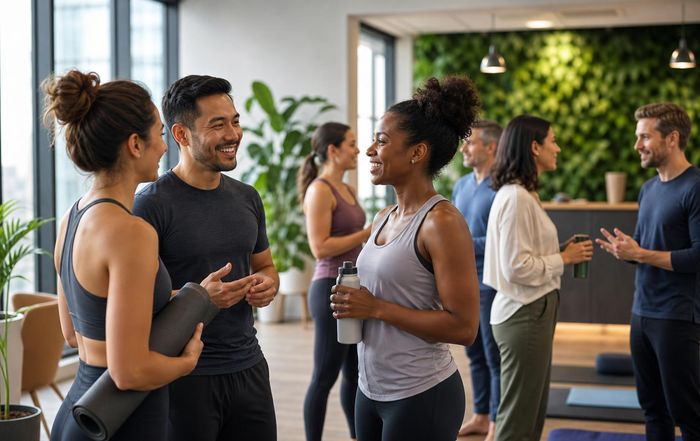
The distinctive power of wellness events lies in their ability to blend physical activity, psychological safety, and shared challenge into a single experience that accelerates relationship-building. When colleagues join a guided breathwork session, participate in a functional movement workshop, or complete a low-intensity team hike, the usual professional armor tends to soften, making room for conversations that are more authentic and multidimensional than those that occur over a hurried coffee at a traditional industry conference. Researchers in organizational behavior and performance psychology, such as those featured by Harvard Business Review, have repeatedly shown that shared, non-competitive physical experiences can increase trust and cooperation, and business leaders are increasingly applying these insights to structured wellness programming that is deliberately designed to foster connection rather than simply entertain.
Professionals who are already invested in their own training and physical performance, and who follow platforms like FitBuzzFeed's training coverage, often find that wellness events create a natural bridge between personal and professional identities. When a senior manager in a global bank in London joins a sunrise yoga session alongside a software architect from Berlin and a marketing director from Toronto, the hierarchy of titles temporarily recedes, replaced by a shared commitment to personal wellbeing. This shift in dynamic tends to open space for more candid discussions about career aspirations, cross-border opportunities, and strategic partnerships, which often continue long after the event has concluded.
The Global Momentum Behind Corporate Wellness Events
The growth in wellness events is not a niche phenomenon restricted to a handful of progressive companies; it is now firmly embedded in the global corporate agenda. Data from organizations such as the World Health Organization and the OECD has highlighted the economic burden of stress-related illness and burnout, prompting governments and employers in the United States, United Kingdom, Germany, Canada, Australia, and across Asia to invest more heavily in health promotion and preventive strategies. Many of these strategies are now being expressed through experiential formats, including wellness conferences, hybrid retreats, and localized "wellness days" that weave together physical activity, mental health education, and skills-based learning.
Industry bodies and consulting firms, including McKinsey & Company, have pointed to the rapid expansion of the global wellness market, with particular growth in corporate wellness, mental health technologies, and performance coaching. Learn more about the broader wellness economy through resources such as the Global Wellness Institute, which tracks investment and innovation across fitness, nutrition, mental wellbeing, and workplace wellness. For multinational employers with teams across Europe, Asia, Africa, and the Americas, wellness events are increasingly being used to unify cultures, reinforce values, and attract talent in fiercely competitive job markets, aligning directly with the interests of readers following FitBuzzFeed's jobs coverage.
From Traditional Conferences to High-Impact Wellness Experiences
Traditional business conferences have long been criticized for their passive formats, overreliance on slide presentations, and limited opportunities for authentic connection. In contrast, wellness-centered events are intentionally structured around participation, interaction, and embodiment, which creates a very different networking environment. Instead of starting the day with a keynote in a dark ballroom, many of the most forward-thinking events now begin with light movement, guided stretching, or a short mindfulness practice led by certified instructors, often in collaboration with trusted brands such as Nike, Lululemon, or Adidas, whose performance and recovery products are already familiar to the FitBuzzFeed audience.
Conference organizers are integrating evidence-based approaches from sports science and occupational health, drawing on research from institutions such as Mayo Clinic and Cleveland Clinic to design schedules that respect circadian rhythms, incorporate adequate breaks, and encourage attendees to hydrate, move, and recharge. Learn more about sustainable business practices and the human-centric design of events through resources from Deloitte and PwC, which increasingly emphasize wellbeing as a core component of corporate strategy. When attendees feel physically better and mentally clearer, they are more likely to engage in meaningful conversations, remember names and faces, and follow up on promising connections after the event.
The Role of Physical Activity in Building Trust and Collaboration
Physical activity is a powerful social glue, and wellness events use this to their advantage in carefully calibrated ways. Team-based workouts, low-impact group runs, or guided walks through urban or natural environments create shared experiences that are challenging yet inclusive, allowing participants with different fitness levels to contribute and support one another. For readers already committed to structured training programs, the synergy between personal performance goals and professional networking is particularly strong, and many find that business relationships formed during a workout or recovery session feel more genuine and enduring than those formed in formal boardroom settings. To further explore how structured training supports performance, the FitBuzzFeed training hub offers additional context.
Sports psychologists and performance coaches, including experts featured by American College of Sports Medicine, have long argued that collective physical effort can strengthen group cohesion and foster a sense of shared identity. In a corporate context, this might mean a cross-functional team from New York, Tokyo, and Paris participating in a low-intensity cycling session together during a global sales meeting, or a group of founders and investors in Singapore joining a guided mobility and breath session before discussing funding strategies. These moments of synchronized movement and shared exertion help to humanize colleagues and partners, reducing the social distance that often exists between senior leaders and more junior professionals, and creating conditions for more open and constructive dialogue.
Mental Wellness, Psychological Safety, and Authentic Networking
Beyond physical activity, the mental and emotional dimensions of wellness events are becoming central to their networking impact. As awareness of mental health challenges has grown worldwide, with organizations like National Alliance on Mental Illness (NAMI), Mind in the UK, and Beyond Blue in Australia leading public education efforts, professionals are more willing than ever to talk about stress, burnout, and resilience. When events incorporate facilitated conversations, expert panels, or small-group workshops on topics such as psychological safety, emotional agility, or mindful leadership, they create an environment where participants can connect over shared challenges and values rather than just job titles and business cards.
This shift is particularly relevant to the FitBuzzFeed community, which is already attuned to the interplay between wellness, physical health, and performance. Resources from platforms like Headspace and Calm have normalized practices such as meditation and breathwork in professional settings, and many wellness events now integrate these tools in ways that feel both practical and culturally adaptable across regions from Scandinavia to Southeast Asia. When participants engage in a short guided mindfulness practice together, followed by a structured reflection or networking circle, the quality of conversation often deepens, as individuals feel safer sharing their experiences, aspirations, and concerns, which in turn makes professional collaboration more grounded and trustworthy.
Nutrition, Recovery, and the Informal Spaces Where Deals Are Made
Nutrition and recovery have also become strategic components of wellness-focused networking. Rather than the heavy buffets and rushed coffee breaks that once defined conference catering, many events now offer thoughtfully curated menus that align with contemporary understanding of performance nutrition, often drawing on guidance from sources like Harvard T.H. Chan School of Public Health or national nutrition guidelines in the United States, the European Union, and Asia-Pacific markets. Attendees might find balanced options featuring lean proteins, whole grains, plant-forward dishes, and low-sugar snacks designed to sustain energy and cognitive clarity throughout the day. Readers who want to deepen their understanding of performance-oriented nutrition can explore more through FitBuzzFeed's nutrition coverage.
These shared meals and recovery breaks, often held in open, light-filled spaces rather than cramped foyers, become prime venues for informal networking. A conversation that begins with a discussion about plant-based protein options, intermittent fasting, or caffeine timing can quickly evolve into an exchange about market trends, career opportunities, or partnership ideas. Similarly, designated recovery zones offering stretching tools, guided relaxation, or even short educational talks on sleep and circadian health, informed by research from organizations such as Sleep Foundation, provide quieter environments where deeper one-on-one or small-group conversations can unfold. These settings are particularly valuable for professionals who find traditional networking receptions overstimulating or superficial, and they align with a broader movement toward more inclusive and neurodiversity-aware professional environments.
Digital Wellness Platforms and Hybrid Networking
The rapid evolution of digital wellness platforms and remote collaboration tools has given rise to hybrid event formats that blend in-person and virtual experiences, expanding the reach and inclusivity of wellness-driven networking. Platforms that integrate video conferencing, wearable data, and guided digital programs enable participants from regions as diverse as South Korea, Brazil, South Africa, and Norway to join shared wellness sessions, track progress, and connect with peers around the world. Technology-focused readers can explore how these innovations intersect with broader trends in health and performance through FitBuzzFeed's technology coverage.
Organizations such as Microsoft, Google, and Zoom have continued to refine digital collaboration tools that now integrate with wellness apps and platforms, enabling event organizers to schedule virtual movement breaks, mindfulness sessions, or small-group discussions directly within meeting environments. Learn more about responsible technology use and digital wellbeing through resources from Center for Humane Technology, which has been influential in raising awareness of attention, focus, and mental health in the digital age. These hybrid wellness experiences allow professionals who cannot travel, whether for budgetary, environmental, or personal reasons, to still participate in shared wellness rituals and networking conversations, ensuring that global networks are not restricted to those with the ability to attend in person.
Regional Nuances: Wellness Networking Around the World
While the underlying principles of wellness events are broadly universal, their specific expressions vary significantly across regions and cultures, reflecting local norms, regulatory environments, and lifestyle patterns. In the United States and Canada, for example, corporate wellness events often emphasize physical performance, sports, and outdoor activities, with strong participation in group runs, functional fitness sessions, and competitive team challenges. In the United Kingdom, Germany, the Netherlands, and Scandinavia, there is a growing emphasis on sustainable transport, cycling, and nature-based retreats, influenced by national policies on climate, urban planning, and public health, which can be further explored through resources from the European Commission and World Economic Forum.
In Asia-Pacific markets such as Singapore, Japan, South Korea, Thailand, and Australia, wellness events often blend traditional practices with modern performance science, integrating elements such as yoga, meditation, martial arts, or thermal bathing with workshops on digital wellbeing and productivity. Meanwhile, in emerging wellness hubs across Africa and South America, including South Africa and Brazil, there is increasing interest in integrating local cultural practices, outdoor adventure sports, and community-based initiatives into corporate wellness programming, aligning with broader sustainable development goals promoted by organizations such as the United Nations. For globally minded professionals, following FitBuzzFeed's world coverage offers ongoing insight into how these regional differences shape business, lifestyle, and networking opportunities.
Brand Partnerships, Events, and the Business of Wellness Networking
The business ecosystem surrounding wellness events has expanded rapidly, with brands, event organizers, and hospitality providers recognizing the value of aligning with credible, evidence-based wellness programming. Major sportswear and equipment companies, including Under Armour, Puma, and Asics, have partnered with corporate clients and event agencies to supply gear, instructors, and digital coaching platforms tailored to professional audiences. Hospitality groups and resorts in Europe, Asia, and North America have developed specialized corporate retreat offerings that combine conference facilities with spa, fitness, and outdoor activities, often marketed explicitly as tools for leadership development and team cohesion. Readers can follow evolving brand strategies and partnerships through FitBuzzFeed's brands coverage.
Industry associations and event organizers are also working to professionalize the field of wellness event design, drawing on frameworks from organizations such as International WELL Building Institute and Global Business Travel Association to ensure that events are safe, inclusive, and aligned with best practices in health and sustainability. Learn more about sustainable business practices and standards through resources from ISO and national occupational health agencies, which increasingly provide guidance on integrating wellbeing into corporate travel and event policies. This professionalization adds an important layer of trustworthiness for companies and individuals deciding which events to attend, sponsor, or host.
The Strategic Value for Careers, Talent, and Leadership
For individual professionals, participation in wellness events can have a direct and measurable impact on career development and leadership opportunities. In fields as diverse as finance, technology, media, healthcare, and sports, senior leaders are increasingly visible at wellness-focused gatherings, not only as keynote speakers but as active participants in workouts, workshops, and reflective sessions. When an emerging leader from Milan, Toronto, or Singapore shares a small-group session or recovery break with a regional CEO or influential investor, the resulting connection often carries more weight than a fleeting introduction at a crowded cocktail reception. For those looking to navigate career transitions or expand their professional horizons, following FitBuzzFeed's jobs section in parallel with targeted wellness event participation can be a powerful strategy.
Organizations that systematically integrate wellness events into their talent management and leadership development programs are also reporting benefits in retention, engagement, and succession planning. Resources from Gallup and Society for Human Resource Management (SHRM) have documented the link between wellbeing and employee engagement, and many HR leaders now see wellness events as a high-leverage way to identify emerging leaders who demonstrate self-awareness, resilience, and collaborative skills in dynamic, real-world situations. By observing how individuals show up in wellness sessions, support teammates during physical challenges, or contribute to discussions on mental health and performance, organizations gain richer, more holistic insights into leadership potential than traditional assessment centers or performance reviews can provide.
How FitBuzzFeed's Audience Can Leverage Wellness Events
For the global community that turns to FitBuzzFeed for insights on lifestyle, sports, wellness, and news, the rise of wellness events presents a clear opportunity to align personal health goals with professional ambitions. Whether a reader is a seasoned executive in New York or London, a startup founder in Berlin or Singapore, a performance coach in Sydney or Cape Town, or a remote professional in smaller markets across Europe, Asia, Africa, and the Americas, the same strategic principles apply. Choosing events that are grounded in credible science, facilitated by experienced professionals, and designed with inclusive, multi-level programming will maximize both wellbeing and networking outcomes.
It is also important for professionals to approach wellness events with intentionality. Setting clear objectives, such as meeting potential mentors, exploring cross-border collaborations, or simply expanding one's circle of like-minded peers, can help guide decisions about which sessions to attend and how to engage with fellow participants. Integrating insights gained from these events into ongoing routines-whether through new training approaches, nutrition strategies, or mental wellbeing practices-ensures that the benefits extend beyond the event itself. For those seeking a broader context on how health, technology, and business intersect in 2026, the main FitBuzzFeed portal offers a continuously updated view across sectors and regions.
Jumping Up, Wellness Events as a Core Business Infrastructure
As the decade progresses, wellness events are likely to become even more embedded in the infrastructure of global business, evolving from occasional perks or experimental retreats into standard components of corporate calendars, industry conferences, and leadership programs. Advances in wearable technology, biometric analytics, and personalized coaching will allow events to deliver more tailored experiences, while growing regulatory and investor pressure around human capital and ESG reporting will push organizations to demonstrate concrete commitments to workforce wellbeing. Learn more about these broader trends through organizations such as World Economic Forum and International Labour Organization, which continue to highlight the centrality of health and wellbeing in sustainable economic development.
For professionals and organizations that choose to engage thoughtfully with this evolution, wellness events offer a rare combination of benefits: improved physical and mental health, deeper and more authentic professional relationships, and a stronger foundation for long-term performance in an increasingly complex and volatile world. For the sports active, latest news motivated groups watching FitBuzzFeed, which already understands that fitness, nutrition, and wellness are not separate from business success but integral to it, the message is clear. Those who step into the arena of wellness-focused networking-literally and figuratively-are not just investing in their own bodies and minds; they are building the trusted, resilient networks that will define leadership, innovation, and opportunity in 2026 and beyond.