

How Tech Is Bridging the Gap Between Fitness and Healthcare in 2026
A New Convergence Shaping Health, Business, and Everyday Life
By 2026, the long-predicted convergence of fitness and healthcare has moved from marketing slogan to operational reality, and nowhere is this more visible than in the ecosystems that readers of FitBuzzFeed engage with every day, from connected wearables and digital coaching platforms to telehealth services and employer wellness programs. What was once a fragmented landscape of step counters, gym memberships, and isolated medical records is being replaced by integrated, data-driven systems that treat physical activity, nutrition, mental wellbeing, and clinical care as parts of a single, continuous health journey.
This transformation is being driven by rapid advances in sensors, artificial intelligence, cloud computing, and interoperability standards, combined with shifting expectations from consumers, employers, insurers, and regulators across North America, Europe, Asia, and beyond. For business leaders, health professionals, and fitness innovators, the implications are profound: new revenue models, new forms of competition, new regulatory risks, and new opportunities to create measurable impact on population health and workforce performance. For the global audience of FitBuzzFeed, which spans interests from fitness and training to business and jobs, this convergence is no longer a distant trend but a daily reality influencing how they move, work, and access care.
From Step Counters to Clinical-Grade Wearables
The first generation of consumer wearables focused on basic metrics such as steps, distance, and calories, offering limited insight and almost no clinical relevance. In contrast, the devices dominating wrists and pockets in 2026 capture continuous streams of heart rate variability, sleep architecture, blood oxygen saturation, skin temperature, and in some markets even non-invasive glucose trends, enabling a far more detailed understanding of an individual's physiological state.
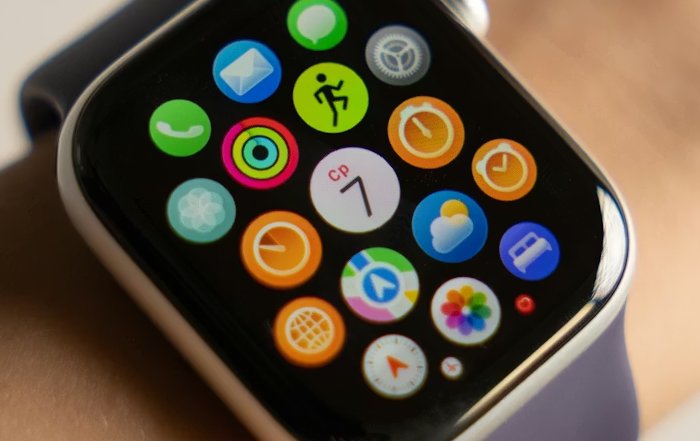
Major players such as Apple, Samsung, and Garmin have progressively transformed their devices from lifestyle accessories into quasi-medical tools, often supported by regulatory clearances in the United States, Europe, and parts of Asia. The ability of some smartwatches to perform single-lead electrocardiograms and detect irregular heart rhythms has already led to documented cases of early atrial fibrillation detection, illustrating how consumer devices can feed directly into clinical pathways. Readers can explore how regulators are responding to these developments through resources from the U.S. Food and Drug Administration and the evolving guidance of the European Medicines Agency.
This evolution has shifted expectations among consumers in the United States, United Kingdom, Germany, and other leading markets, where individuals increasingly assume that their personal devices should play an active role in monitoring and managing their health. It has also forced healthcare providers to rethink how they interpret and act on patient-generated data, raising questions about liability, data quality, and workflow integration. At the same time, fitness professionals and organizations featured on FitBuzzFeed are learning to use these data streams to personalize training programs and recovery protocols, making the traditional divide between "fitness tracking" and "medical monitoring" far less meaningful than it once was.
The Rise of Connected Fitness Platforms as Health Gateways
Connected fitness platforms, from interactive home equipment to AI-driven coaching apps, have become a primary entry point into the broader health ecosystem, particularly for younger demographics in North America, Europe, and parts of Asia-Pacific. Companies such as Peloton, WHOOP, and Strava have built communities that extend well beyond exercise, incorporating recovery strategies, mental health content, and increasingly, partnerships with healthcare providers and insurers.
Many of these platforms now integrate with electronic health record systems using standards such as FHIR, allowing clinicians to view longitudinal activity data alongside traditional clinical metrics. Organizations like Epic Systems and Cerner have opened APIs that enable secure data flows from consumer platforms into clinical workflows, although adoption varies widely by region and health system. Those interested in the technical and policy foundations of this shift can review resources from the Office of the National Coordinator for Health Information Technology, which has been instrumental in advancing interoperability in the United States.
For FitBuzzFeed readers who follow sports and performance, this integration is particularly relevant, as elite training methodologies become more accessible to everyday users through algorithmic coaching that adapts to real-time biometrics. At the same time, health systems in countries such as Canada, Australia, and Singapore are experimenting with prescribing digital exercise programs delivered through consumer platforms, turning what was once a purely commercial service into a reimbursable component of care. This blurring of categories is reshaping business models, as fitness companies seek clinical validation and healthcare providers look for scalable, engaging tools to support lifestyle change.
Telehealth, Virtual Coaching, and the Hybrid Care Model
The telehealth boom that began in the early 2020s has matured into a hybrid model of care, where in-person visits, video consultations, asynchronous messaging, and app-based interventions are combined into flexible care pathways. What distinguishes 2026 from earlier stages is the deep integration of fitness and lifestyle data into these virtual encounters, enabling clinicians and coaches to make decisions based on objective, continuous evidence rather than sporadic self-reports.
Telehealth providers in the United States and Europe increasingly collaborate with fitness and wellness platforms to deliver comprehensive programs for chronic conditions such as diabetes, hypertension, and musculoskeletal disorders. Organizations like Teladoc Health and Livongo helped pioneer this model, and newer entrants in Asia and Latin America are now adapting it to local contexts, often focusing on mobile-first experiences. Those seeking a broader perspective on telehealth adoption across regions can consult analyses from the World Health Organization and the Organisation for Economic Co-operation and Development.
For the FitBuzzFeed community, which values both performance and wellbeing, this hybrid model offers unprecedented flexibility. An individual in London or Singapore might complete a strength session guided by a connected training app, automatically share performance and recovery data with a remote physiotherapist, and receive real-time adjustments to their rehabilitation plan. Similarly, a professional in New York or Berlin could participate in an employer-sponsored virtual wellness program, combining video consultations with nutritionists, AI-based sleep coaching, and personalized exercise prescriptions delivered through their preferred fitness platform. This convergence is reshaping expectations of what "going to the doctor" or "working with a coach" actually means.
Data, AI, and the New Personalization of Health
Artificial intelligence sits at the center of the bridge between fitness and healthcare, transforming raw data into actionable insights and personalized recommendations. Machine learning models trained on large, diverse datasets can now predict injury risk, detect early signs of overtraining, flag potential cardiac anomalies, and tailor exercise and nutrition plans to individual physiology, goals, and constraints.
Global technology leaders such as Google, Microsoft, and IBM have invested heavily in health AI platforms, while specialized startups in the United States, Europe, and Asia focus on niche domains such as musculoskeletal health, metabolic optimization, or cognitive performance. Interested readers can explore broader trends in AI and health through resources from the World Economic Forum and research overviews from the National Institutes of Health on AI-enabled biomedical discovery.
In practical terms, this means that a fitness enthusiast in Canada or Australia using a connected training platform may receive dynamic programming that accounts not only for their performance metrics but also for sleep quality, stress levels, travel schedules, and even local environmental conditions. At the clinical level, AI-driven decision support tools are helping physicians interpret continuous streams of patient-generated data from wearables and home sensors, identifying patterns that would be impossible to detect manually. For FitBuzzFeed readers interested in training and physical performance, these capabilities promise more efficient progress and reduced injury risk, while for those focused on wellness and lifestyle, they offer more nuanced support for sustainable habit change.
However, this personalization depends heavily on data quality, diversity, and governance. Bias in training datasets can lead to unequal performance across populations, particularly for underrepresented groups in Africa, South America, and parts of Asia, and there is growing recognition among regulators and industry leaders that responsible AI requires rigorous validation and transparency. Initiatives from organizations such as the National Institute of Standards and Technology aim to establish frameworks for trustworthy AI, which are increasingly relevant as algorithms influence decisions about exercise prescriptions, mental health interventions, and clinical referrals.
Corporate Wellness, Workforce Performance, and the Business Case
For employers across North America, Europe, and Asia-Pacific, the integration of fitness and healthcare through technology has become a strategic issue rather than a fringe benefit. Rising healthcare costs, talent competition, hybrid work patterns, and heightened awareness of mental health have pushed organizations to invest in evidence-based wellness programs that combine physical activity, nutrition, stress management, and preventive care, often delivered through digital platforms.
Multinational corporations, including leaders in finance, technology, and manufacturing, now deploy global wellness ecosystems that integrate wearable devices, virtual coaching, mental health apps, and telemedicine services, with incentives tied to participation and outcomes. Resources from the World Economic Forum and the International Labour Organization highlight how these programs intersect with productivity, safety, and organizational culture.
For the business-oriented audience of FitBuzzFeed, which follows jobs, brands, and corporate strategy, this trend presents both opportunities and challenges. On one hand, health and fitness technology companies can position themselves as strategic partners to employers, offering platforms that support physical activity, mental resilience, and preventive care at scale. On the other, organizations must navigate privacy concerns, regulatory constraints, and the risk of creating perceived surveillance cultures if programs are not designed with clear boundaries and voluntary participation.
In leading markets such as the United States, United Kingdom, Germany, and Singapore, employers increasingly collaborate with insurers to structure incentives and coverage around verified engagement with digital health and fitness tools. This creates a feedback loop in which employees benefit from lower premiums and enhanced health services, while insurers gain richer data for risk assessment and intervention design. For FitBuzzFeed readers considering career paths in this space, the intersection of health technology, data analytics, and corporate strategy represents a rapidly expanding field with roles spanning product development, clinical operations, behavioral science, and regulatory affairs.
Global and Regional Perspectives on the Fitness-Healthcare Bridge
While the overarching trend toward integration is global, regional differences in regulation, infrastructure, culture, and economic conditions shape how the bridge between fitness and healthcare is built and experienced. In the United States, a fragmented healthcare system and strong consumer demand for self-management have fueled rapid adoption of direct-to-consumer fitness and wellness technologies, alongside growing integration with private insurers and employer programs. The Centers for Medicare & Medicaid Services has played a significant role by expanding reimbursement for remote monitoring and telehealth, indirectly supporting the use of connected fitness and health tools in clinical contexts.
In Europe, countries such as Germany, France, and the Netherlands have taken a more regulated approach, with frameworks for reimbursable digital health applications and stricter requirements for data protection under the General Data Protection Regulation. Readers can learn more about these policies through the European Commission's digital health portal, which outlines initiatives aimed at creating a cohesive digital health space across member states. Nordic countries like Sweden, Norway, Denmark, and Finland, with strong public health systems and high digital literacy, are at the forefront of integrating fitness data into primary care and population health management.
In Asia, markets such as China, South Korea, Japan, Singapore, and Thailand exhibit diverse but dynamic trajectories. China has seen rapid growth in domestic fitness platforms and wearables, often integrated with super-apps that bundle payments, social networking, and health services. South Korea and Japan leverage advanced telecommunications infrastructure and strong electronics industries to deliver sophisticated connected health solutions, while Singapore positions itself as a testbed for smart nation initiatives that blend urban planning, healthcare, and citizen wellness. Regional overviews from the Asian Development Bank provide additional context on how digital health is evolving across Asia.
In emerging markets in Africa and South America, including South Africa and Brazil, mobile-first solutions are crucial, often focusing on basic health access, maternal health, and infectious disease management, with fitness features layered on top as disposable incomes and infrastructure improve. International organizations and non-profits are increasingly exploring how low-cost wearables and community-based digital programs can support preventive care and physical activity in resource-constrained settings, highlighting that the bridge between fitness and healthcare must be inclusive if it is to deliver global impact.
Privacy, Regulation, and the Trust Imperative
As fitness and healthcare converge, the stakes around privacy, security, and ethical use of data rise significantly. Consumers who once viewed step counts as innocuous information now realize that combined datasets can reveal highly sensitive insights about health status, mental wellbeing, reproductive health, and even daily routines, raising concerns about misuse by employers, insurers, or third-party data brokers.
Regulators across major markets have responded with increasingly stringent frameworks governing digital health and wellness data. The European Union's GDPR and forthcoming AI regulations, the United States' HIPAA and state-level privacy laws, and analogous frameworks in Canada, Australia, and other jurisdictions shape how companies collect, store, process, and share data. Industry participants and observers can follow developments through resources provided by the European Data Protection Board and the U.S. Federal Trade Commission, which regularly issue guidance and enforcement actions related to health and fitness apps.
For FitBuzzFeed and its audience, trust is not an abstract concept but a practical requirement. Users deciding whether to connect their wearable data with a telehealth provider, or to participate in an employer wellness program, will scrutinize privacy policies, data-sharing practices, and the reputations of the organizations involved. Companies operating in this space must therefore demonstrate robust cybersecurity measures, transparent consent mechanisms, and clear value propositions that justify data sharing. Those that succeed will be able to build long-term relationships with users and partners; those that fail risk reputational damage, regulatory penalties, and user attrition.
The Role of Media, Education, and Community
As the line between fitness and healthcare blurs, individuals face an increasingly complex landscape of options, claims, and technologies. Media platforms and communities play a critical role in helping users make informed decisions, interpret emerging research, and distinguish evidence-based solutions from hype. FitBuzzFeed, with its cross-sectional coverage of health, nutrition, technology, and lifestyle, is well positioned to provide this guidance by combining accessible explanations with a focus on experience, expertise, authoritativeness, and trustworthiness.
Educational institutions and professional bodies are also adapting, creating new curricula and certifications that span exercise science, digital health, behavioral psychology, and data analytics. Organizations such as the American College of Sports Medicine and the Royal College of Physicians have expanded their guidance on integrating wearable data and digital tools into practice, while universities across the United States, United Kingdom, Germany, and other countries offer programs in digital health and health informatics. Readers can explore broader educational trends through resources from the World Health Organization Academy and the Association of American Medical Colleges, which highlight how professional training is evolving in response to digital transformation.
Community-driven platforms, both online and offline, further reinforce this ecosystem. Local running clubs, cross-training groups, and wellness communities in cities from New York and Toronto to Berlin and Melbourne increasingly rely on shared digital tools for tracking, coaching, and health support, creating a feedback loop between individual experiences and broader trends. For FitBuzzFeed, which also covers events and live experiences, these communities represent both a source of insight and a channel for amplifying best practices around safe, effective, and inclusive use of fitness and health technologies.
Looking Ahead: Strategic Priorities for Stakeholders
As the bridge between fitness and healthcare solidifies, stakeholders across sectors must make strategic choices that will shape the trajectory of this convergence over the next decade. For technology and fitness companies, the priority is to deepen clinical integration and evidence generation without losing the engagement and accessibility that made their products successful. This involves investing in research collaborations, navigating regulatory pathways, and designing products that can serve both consumer and clinical use cases.
Healthcare providers and health systems, in turn, must determine how to embed fitness and lifestyle data into care models in ways that enhance outcomes without overwhelming clinicians or exacerbating inequalities. This includes developing clear protocols for when and how to act on patient-generated data, building multidisciplinary teams that include exercise professionals and behavioral specialists, and ensuring that digital tools are accessible to diverse populations, including older adults and those in underserved communities.
Employers and insurers need to refine their approaches to wellness and preventive care, moving beyond participation metrics toward outcomes-based programs that respect privacy and autonomy. Governments and regulators must continue to update frameworks that balance innovation and protection, ensuring that citizens benefit from technological advances without being exposed to undue risk. International organizations and non-profits should focus on ensuring that the benefits of this convergence reach low- and middle-income countries, where the potential impact on population health is immense but infrastructure and resources may be limited.
For the global audience of FitBuzzFeed, spanning interests in world news and trends as well as personal performance and wellbeing, the message is clear: the tools that once served primarily to track workouts or count calories are now part of a much larger health infrastructure. The decisions individuals make about which platforms to use, how to share their data, and how to engage with digital coaching and care will shape not only their own health trajectories but also the evolution of the broader ecosystem.
Conclusion: A Connected Future for Human Performance and Health
By 2026, technology has fundamentally reshaped the relationship between fitness and healthcare, turning what were once separate domains into interconnected components of a continuous health journey. Wearables, connected fitness platforms, telehealth services, and AI-driven analytics now collaborate to provide more personalized, preventive, and responsive care, while employers, insurers, and governments experiment with new models of engagement and incentives.
This transformation brings significant promise: earlier detection of disease, more effective management of chronic conditions, enhanced athletic performance, and improved quality of life across diverse populations. It also brings challenges related to privacy, equity, regulation, and the need for trustworthy information and guidance. As a platform dedicated to helping readers navigate the intersections of sport, fitness, health, business, and technology, FitBuzzFeed occupies a pivotal role in this landscape, translating complex developments into actionable insight for a global audience.
The bridge between fitness and healthcare is no longer a vision; it is a living, evolving infrastructure that touches daily life in New York and Nairobi, London and Lagos, Tokyo and São Paulo. The task for organizations, professionals, and individuals alike is to cross that bridge thoughtfully, leveraging technology to enhance human performance and wellbeing while safeguarding the values of privacy, equity, and trust that underpin a healthy society.