

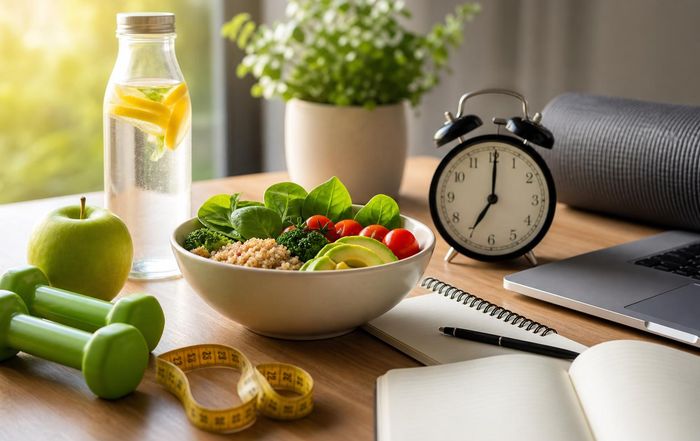
Healthy Lifestyle Choices for Better Daily Productivity
The New Productivity Equation: Health as a Strategic Asset
Productivity is no longer being measured solely by hours worked or short-term output; instead, it is increasingly being defined by sustainable performance, cognitive resilience, and emotional stability across demanding workdays. For the fitness folks, whose interests span sports, fitness, health, business, careers, and technology, the connection between lifestyle choices and daily productivity has become both a personal priority and a strategic business concern. Executives, entrepreneurs, remote professionals, and frontline workers across the United States, Europe, Asia, Africa, and the Americas are recognizing that energy, focus, and decision quality are not accidents of willpower but the predictable outcomes of structured routines, evidence-based habits, and intentional recovery.
Modern organizations such as Microsoft, Google, and Unilever have publicly emphasized the importance of well-being programs and flexible work models, and their experiences reinforce a central insight: individuals and companies that treat health as core infrastructure tend to outperform those that still see it as a perk. As research from institutions like the World Health Organization and Harvard T.H. Chan School of Public Health continues to show, physical activity, nutrition, sleep, and mental health are not soft variables; they are the foundation of cognitive capacity, creativity, and reliable performance under pressure. For readers engaging with FitBuzzFeed through its focus on health, fitness, business, and jobs, the practical question is how to design daily choices that consistently enhance productivity rather than undermine it.
Energy Management Over Time Management
The traditional productivity narrative has centered on time management: planning the calendar, prioritizing tasks, and eliminating distractions. While these skills remain useful, they are no longer sufficient in a world where knowledge work, digital collaboration, and hybrid schedules dominate. Increasingly, high performers are focusing on energy management, recognizing that the same hour can yield radically different results depending on physical vitality, mental clarity, and emotional balance. Research from the American Psychological Association and Stanford University has highlighted that cognitive fatigue, decision overload, and chronic stress can significantly degrade performance, even when individuals believe they are functioning adequately.
From a practical standpoint, energy management means aligning demanding tasks with periods of peak alertness, protecting recovery windows during the day, and using movement, hydration, and nutrition as levers to stabilize focus. Many professionals now design their days around ultradian rhythms, working in concentrated blocks of 60 to 90 minutes followed by short active breaks, which is a pattern that aligns with findings from the National Institutes of Health about the brain's need for periodic rest to consolidate information and maintain accuracy. For FitBuzzFeed readers who follow training and wellness content, the same principles that guide athletic periodization-alternating effort and recovery-are increasingly being applied to knowledge work and leadership responsibilities.
Movement as a Cognitive Performance Multiplier
In 2026, sedentary behavior remains one of the most underestimated threats to productivity across global workplaces. Despite the spread of standing desks and wellness apps, professionals in sectors from finance in London and New York to technology in Berlin, Singapore, and Seoul still spend large portions of their day seated, which has been associated with decreased metabolic health, musculoskeletal discomfort, and reduced cognitive sharpness. Studies summarized by the U.S. Centers for Disease Control and Prevention indicate that even modest increases in daily movement-such as light walking or mobility exercises-can improve mood, attention, and executive functioning.
For individuals seeking to translate this into daily practice, the most reliable approach is to treat physical activity as a non-negotiable appointment rather than an optional extra. Short, frequent bouts of movement, such as five to ten minutes of walking every hour, can help counteract the negative impact of prolonged sitting and are easier to sustain than a single long workout for many busy professionals. Athletes and sports enthusiasts following FitBuzzFeed through its sports and physical sections will recognize that regular aerobic exercise, strength training, and flexibility work not only enhance physical performance but also support neuroplasticity and memory, as described by neuroscientists at institutions like Johns Hopkins University.
Hybrid and remote work environments across the United States, Canada, Australia, and Europe have also created opportunities to integrate movement more seamlessly into workdays, from walking meetings to active breaks between virtual calls. In Asia and South America, urban planners and employers are increasingly collaborating to promote active commuting and workplace fitness programs, drawing on frameworks promoted by organizations such as the World Economic Forum that highlight the economic benefits of healthier workforces.
Nutrition for Stable Focus and Long-Term Resilience
Daily productivity is strongly affected by what individuals eat and drink, as blood sugar variability, hydration status, and micronutrient intake all influence concentration, reaction time, and mood stability. While extreme diets and rapid trends continue to circulate online, a growing consensus among nutrition researchers and medical organizations such as the Mayo Clinic emphasizes balanced, minimally processed eating patterns that prioritize whole grains, lean proteins, healthy fats, and a wide variety of vegetables and fruits. For readers of FitBuzzFeed who follow nutrition content, the focus has shifted from restrictive rules to sustainable structures that support both performance and health.
Breakfast and lunch choices play a particularly significant role in shaping cognitive performance throughout the workday. Meals that combine protein, fiber, and moderate amounts of complex carbohydrates can help maintain stable energy and reduce mid-afternoon crashes, which are often linked to high-sugar, highly processed options. Hydration is equally important; even mild dehydration has been shown by organizations like the European Food Safety Authority to impair attention and short-term memory, yet many professionals rely heavily on coffee and forget to balance caffeine intake with water.
In global hubs from New York and Toronto to London, Berlin, Singapore, and Tokyo, forward-looking companies are rethinking workplace food offerings, shifting from sugary snacks and heavy lunches to more balanced options that support sustained mental performance. At the same time, individuals are using digital tools such as nutrition tracking apps and wearables to monitor how specific foods affect their focus and energy, drawing on public health guidance from resources like Dietary Guidelines for Americans. For FitBuzzFeed readers, integrating these insights into daily routines can transform food from a source of distraction and fatigue into a reliable ally for productive work.
Sleep as the Hidden Engine of High Performance
Despite the visibility of sleep science in recent years, many professionals across continents still attempt to compensate for insufficient sleep with caffeine, willpower, and extended work hours. However, evidence from the National Sleep Foundation and University College London underscores that chronic sleep restriction degrades attention, working memory, emotional regulation, and immune function, often in ways that individuals underestimate. For leaders, entrepreneurs, and knowledge workers, this translates into poorer judgment, slower problem-solving, and reduced creativity, all of which directly undermine business outcomes.
By 2026, high-performing organizations in the United States, Europe, and Asia are increasingly acknowledging sleep as a critical component of talent management and risk mitigation. Some companies have begun adjusting meeting schedules to respect circadian rhythms, limiting late-night communication expectations, and providing education about sleep hygiene. On an individual level, consistent sleep and wake times, reduction of late-night screen exposure, and pre-sleep routines that promote relaxation have been shown to improve sleep quality, which in turn enhances daytime productivity.
For the FitBuzzFeed community, which spans time zones from Los Angeles to London, Dubai, Mumbai, Singapore, and Sydney, the challenge is often balancing global collaboration with local well-being. Practical strategies, such as rotating meeting times to share the burden of inconvenient hours and using asynchronous tools where possible, can help protect sleep while maintaining international coordination. Resources such as the National Health Service in the United Kingdom and Health Canada offer accessible guidance on sleep and fatigue management that can be adapted to diverse cultural and professional contexts.
Mental Health, Stress, and Cognitive Load Management
In recent years, mental health has moved from the margins of workplace conversations to the center of strategic discussions about performance and retention. Chronic stress, anxiety, and burnout are now recognized as major productivity risks, affecting professionals in sectors as varied as finance in Frankfurt, technology in San Francisco, manufacturing in Shenzhen, and creative industries in Paris and Milan. The World Economic Forum and OECD have both highlighted the economic costs of untreated mental health issues, which include absenteeism, presenteeism, and reduced innovation capacity.
For individual professionals, managing cognitive load-the total mental effort being used at any given time-has become a critical skill. Multitasking, constant digital notifications, and fragmented work patterns can overload working memory and reduce the quality of thinking. Techniques such as structured prioritization, time-blocking, and single-tasking can help reduce mental clutter, while mindfulness practices and breathing exercises have been shown by organizations like Mind and Headspace Health to support emotional regulation and stress resilience.
The FitBuzzFeed audience, particularly those interested in wellness and lifestyle, is increasingly adopting mental fitness routines that parallel physical training: regular reflection, digital boundaries, scheduled downtime, and deliberate recovery after intense projects. In many countries, from Sweden and Norway to New Zealand and South Africa, employers are expanding access to counseling services, mental health days, and training for managers to recognize early signs of burnout, aligning with best practices shared by organizations such as the World Health Organization.
Technology, Wearables, and Data-Driven Habits
The integration of technology into health and productivity strategies has accelerated rapidly, with wearables, smart rings, and advanced fitness trackers now widely used across North America, Europe, and Asia. Companies like Apple, Garmin, Fitbit, and Oura have expanded their platforms to monitor sleep stages, heart rate variability, activity levels, and even stress indicators, providing individuals with real-time feedback on how lifestyle choices affect their readiness and performance. For professionals and athletes alike, this data has enabled more precise adjustments to training loads, work intensity, and recovery protocols.
At the same time, productivity and focus tools-from digital planners to distraction-blocking applications-are helping individuals protect deep work sessions and align tasks with their biological prime times. Research from the MIT Sloan School of Management and INSEAD has highlighted that when technology is used intentionally rather than reactively, it can support better decision-making and reduce cognitive overload. The key is to ensure that digital tools serve clear goals rather than fragment attention through constant alerts and unstructured communication.
For readers of FitBuzzFeed who follow the platform's technology coverage, the most effective approach combines objective data from wearables with subjective reflection: noticing how different sleep patterns, exercise routines, and nutrition strategies influence focus, mood, and output. This fusion of quantitative and qualitative insight can help individuals across continents-from busy executives in New York and London to remote freelancers in Bangkok, Cape Town, or São Paulo-build personalized systems that support sustainable productivity.
Designing a Daily Routine for Sustainable High Performance
While the science of productivity has become more sophisticated, its practical application still depends on simple, repeatable behaviors embedded into daily routines. For the global community engaging with FitBuzzFeed, the most impactful routines tend to share several characteristics: they are realistic, flexible, and anchored in personal values rather than external trends. A typical high-performance day might begin with a consistent wake time, light movement or stretching, hydration, and a balanced breakfast, followed by a period of focused work aligned with the individual's peak cognitive window.
Throughout the day, short active breaks, mindful breathing, and regular hydration can help maintain energy and prevent the mental fatigue that often leads to errors and reduced creativity. Lunch choices that emphasize whole foods and moderate portions can support stable afternoon focus, while deliberate boundaries around digital communication-such as turning off non-essential notifications during deep work-can protect attention. Toward the end of the workday, a brief review of accomplishments and priorities for the next day can reduce mental clutter and support better sleep, a practice aligned with recommendations from performance psychologists and productivity experts featured by organizations like the Harvard Business Review.
Evening routines that minimize late-night screen exposure, incorporate relaxing activities, and respect a consistent bedtime help consolidate learning and prepare the brain and body for the next day's challenges. For readers inspired by FitBuzzFeed content on fitness, wellness, and lifestyle, the most sustainable routines are those that integrate enjoyable activities-such as a preferred sport, hobby, or social connection-rather than relying solely on discipline. This is particularly important in culturally diverse contexts across Europe, Asia, Africa, and the Americas, where family structures, commuting patterns, and social norms influence when and how people can implement health-promoting habits.
The Role of Employers, Brands, and Policy in Shaping Productive Lifestyles
Healthy lifestyle choices are ultimately made by individuals, yet the environments created by employers, brands, and policymakers significantly shape what is realistic and sustainable. In 2026, leading organizations across the United States, United Kingdom, Germany, Canada, Australia, Singapore, and beyond are increasingly integrating well-being into core business strategies, recognizing that talent attraction, retention, and innovation depend on more than compensation alone. Companies are redesigning offices to encourage movement, revising travel policies to reduce exhaustion, and aligning performance metrics with long-term outcomes rather than constant availability.
Public institutions and regulators in regions such as the European Union and Asia-Pacific are also influencing the landscape through policies related to working hours, right-to-disconnect regulations, and public health campaigns. Resources from the European Commission and International Labour Organization provide guidance on balancing productivity with worker well-being, while national health agencies across continents continue to promote physical activity, healthy eating, and mental health awareness.
Brands in the fitness, nutrition, and wellness sectors are playing their part as well, shaping consumer behavior through product design, messaging, and partnerships. Readers who follow the brands section of FitBuzzFeed will recognize that companies perceived as authentic, science-based, and socially responsible are gaining trust among consumers who are increasingly discerning about claims related to health and performance. Transparent labeling, evidence-backed products, and responsible marketing are becoming non-negotiable expectations in markets from the United States and Europe to Asia, Africa, and South America.
How FitBuzzFeed's Ecosystem Supports Health-Driven Productivity
As a platform positioned at the intersection of sports, fitness, health, business, and lifestyle, FitBuzzFeed is uniquely placed to help readers integrate healthy lifestyle choices into their daily productivity strategies. Through its coverage of world developments, news, and business trends, the site contextualizes how global events, technological shifts, and workplace transformations influence the way people work and live. Its focus on wellness, training, and physical performance offers practical guidance on building routines that support both professional ambitions and personal health.
For professionals navigating career transitions, the jobs section provides insight into emerging roles, skills, and workplace expectations, many of which now explicitly include well-being and resilience as core competencies. At the same time, the platform's emphasis on lifestyle, events, and community experiences reflects a holistic view of productivity that goes beyond the office or home workspace, recognizing that social connection, recreation, and purpose all contribute to sustainable performance.
By curating evidence-informed content and connecting readers to trusted external resources such as the World Health Organization, Harvard T.H. Chan School of Public Health, Mayo Clinic, and Centers for Disease Control and Prevention, FitBuzzFeed supports Experience, Expertise, Authoritativeness, and Trustworthiness in a digital environment where misinformation and superficial advice are common. This commitment to depth and reliability positions the platform as a partner for individuals and organizations seeking to build healthier, more productive futures.
From Individual Habits to Global Productivity Culture
As the year progresses, the convergence of health, technology, and work will continue to reshape expectations of what productive, fulfilling lives can look like across continents and cultures. In the United States, United Kingdom, Brazil, Japan, New Zealand, and beyond, individuals are increasingly aware that daily choices about movement, nutrition, sleep, and mental health directly influence both personal success and collective prosperity.
The next stage of this evolution will likely involve deeper integration of data-driven personalization, cross-sector collaboration, and policy innovation, with organizations, governments, and brands working together to create environments that make the healthy choice the easy choice. For the global community of FitBuzzFeed, this represents both an opportunity and a responsibility: to apply emerging knowledge with discernment, to experiment with routines that align with personal values and cultural realities, and to share insights that can help others navigate similar challenges.
Ultimately, healthy lifestyle choices for better daily productivity are not a trend but a long-term shift in how people understand performance. By aligning physical vitality, mental clarity, emotional stability, and purposeful work, individuals can build careers and lives that are not only more productive but also more sustainable and meaningful. In this landscape, cool sites like this, with their integrated focus on fitness, health, business, and lifestyle, serve as essential guides, helping readers around the world turn evidence into action and ambition into enduring, well-supported achievement.
For those ready to take the next step, exploring the broader ecosystem at FitBuzzFeed's homepage offers a pathway into a curated world of insights, tools, and stories designed to support healthier, more productive days-wherever in the world those days are being lived.