

The 2026 Global Playbook for Wellness and Fitness Travel
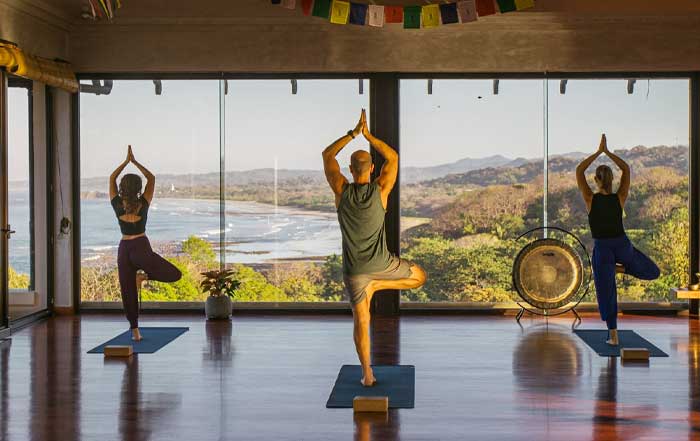
In 2026, wellness travel has evolved from a niche luxury into a core expression of how high-performing individuals, executives, athletes, and health-conscious professionals design their lives. Around the world, destinations are no longer selling only scenery and relaxation; they are competing on science-backed recovery, performance-oriented training, mental resilience, nutrition intelligence, and sustainable lifestyle design. For the audience of FitBuzzFeed-who follow the intersection of fitness, health, sports, and global trends-wellness travel is now as much a strategic investment in long-term performance as it is an escape from daily demands.
This article examines how leading wellness and fitness destinations across Asia, Europe, the Americas, Africa, and Oceania are redefining what it means to travel for health and performance. It also explores the role of technology, sustainability, global brands, and careers in shaping an industry that, according to the Global Wellness Institute, surpassed 7 trillion dollars in value and continues to grow as organizations and individuals place greater emphasis on prevention, resilience, and holistic wellbeing. Readers who follow world, business, and lifestyle coverage on FitBuzzFeed will recognize that wellness travel is now firmly embedded in broader economic, cultural, and technological shifts.
Asia: Tradition, Technology, and Holistic Performance
Thailand: From Retreat Culture to Integrated Performance Hubs
Thailand remains one of the most influential wellness destinations worldwide, yet its role in 2026 is notably more sophisticated than the early wave of detox and yoga retreats. Iconic properties such as Chiva-Som International Health Resort in Hua Hin and Kamalaya Wellness Sanctuary in Koh Samui now combine traditional Thai healing arts with precision diagnostics, personalized training plans, and clinically informed recovery protocols. Guests often arrive not only to relax but with specific performance objectives-ranging from metabolic reset and body recomposition to stress recovery, post-injury rehabilitation, and executive burnout prevention.
The country's Muay Thai ecosystem has also matured into a global performance platform. Training centers in Bangkok, Phuket, and Chiang Mai now attract professional fighters, CrossFit athletes, endurance competitors, and corporate leaders seeking mental toughness. Many facilities integrate sports science, heart rate variability monitoring, and structured strength and conditioning alongside traditional Muay Thai technique, offering an experience that blends cultural authenticity with modern sports performance. Visitors increasingly pair intensive training cycles with restorative days at beach or jungle retreats, where plant-forward menus and mindfulness practices are designed to stabilize hormones, support gut health, and improve sleep quality. Those interested in the business side of this evolution can learn more about sustainable business practices that are influencing how Thai wellness operators manage resources, staffing, and community impact.
Japan: Precision Wellness at the Intersection of Culture and Technology
Japan's wellness landscape in 2026 illustrates how a nation can harmonize centuries-old traditions with digital innovation. In Tokyo and Osaka, high-end fitness clubs and performance labs integrate AI-driven coaching, motion analysis, and biometric tracking into daily training. Wearable ecosystems, many developed by Japanese technology firms, allow travelers to arrive with existing health data and instantly synchronize programs for strength, cardiovascular conditioning, and recovery. At the same time, Japan's wellness brand is still anchored in onsen culture, Zen meditation, and forest bathing (shinrin-yoku), practices increasingly supported by scientific evidence for stress reduction and cardiovascular benefits, as documented by organizations such as the National Institutes of Health.
Destinations like Hakone, Kyoto, and the Japanese Alps now offer curated itineraries that move seamlessly from temple-based meditation and tea ceremonies to guided forest immersion and low-impact hiking, followed by evidence-informed nutrition experiences grounded in the traditional Japanese diet. For readers who follow technology on FitBuzzFeed, Japan serves as a living case study in how digital tools can enhance-not replace-deeply rooted cultural wellness practices, making it a compelling destination for those who seek both innovation and authenticity.
Europe: Evidence-Based Wellness in Diverse Landscapes
Switzerland: Medical Wellness, Altitude Training, and Longevity
Switzerland continues to set the benchmark for high-trust, medically grounded wellness. Alpine destinations such as Zermatt, St. Moritz, and Davos attract elite athletes, executives, and health-focused travelers who value precision diagnostics, altitude training, and structured recovery. Facilities like Clinique La Prairie on Lake Geneva exemplify the convergence of luxury hospitality and medical science, offering programs that include cellular and regenerative therapies, advanced lab testing, tailored nutrition protocols, and neurocognitive optimization. For decision-makers in Europe and North America, Switzerland has become a favored location for combining board-level strategy offsites with structured health interventions.
The country's natural environment remains central to its value proposition. Hiking, skiing, mountaineering, and cold-water immersion in alpine lakes are not framed merely as recreational activities but as integral components of cardiovascular health, metabolic conditioning, and mental resilience. Professionals who monitor global health and wellness trends will recognize how Swiss operators align closely with clinical guidelines while still delivering aspirational experiences that appeal to discerning travelers.
Spain: Mediterranean Lifestyle as a Scalable Wellness Model
Spain has transformed its tourism identity from sun-and-party to a more sophisticated blend of fitness, longevity, and Mediterranean lifestyle. Regions such as the Costa Blanca, Ibiza, and Marbella now host retreats that balance structured training-ranging from strength and conditioning to Pilates, cycling, and open-water swimming-with nutrition strategies grounded in the Mediterranean diet, which has been widely studied by organizations such as Harvard T.H. Chan School of Public Health. SHA Wellness Clinic, near Alicante, remains one of the most recognized names in integrative wellness, offering programs that combine functional medicine, sleep optimization, stress management, and body composition analysis.
Across the Balearic and Canary Islands, yoga and mindfulness retreats coexist with surf and endurance camps, attracting visitors from the United Kingdom, Germany, Scandinavia, and North America who seek a climate and culture conducive to year-round outdoor activity. Spain's emphasis on social connection, fresh food, and moderate, regular movement aligns closely with the lifestyle medicine principles that many FitBuzzFeed readers follow through wellness and nutrition content, making it a replicable model for sustainable everyday living rather than a one-off escape.
North America: Innovation, Performance, and Lifestyle Integration
United States: From Boutique Studios to Integrated Wellness Ecosystems
The United States remains one of the most diverse wellness markets, with offerings that range from hyper-local boutique studios to large-scale integrated wellness resorts. In cities like New York, Los Angeles, Austin, and Miami, fitness concepts have become more specialized and data-driven, encompassing everything from recovery-focused studios with infrared saunas and cryotherapy to performance labs offering VO2 max testing, lactate threshold analysis, and individualized strength periodization. Luxury retreats such as Canyon Ranch in Tucson and Miraval Arizona Resort & Spa have expanded their focus beyond spa and relaxation to include neuroscience-informed mindfulness, trauma-aware coaching, and structured programs for executives facing chronic stress and digital overload.
Corporate wellness travel is also on the rise. Many organizations now allocate budget for leadership teams to attend retreats that integrate strategic planning with health diagnostics, movement sessions, and nutrition education aligned with guidance from institutions like the Centers for Disease Control and Prevention. Readers who track the intersection of business and fitness on FitBuzzFeed will recognize that, in the U.S., wellness travel is increasingly seen as a risk management tool, enhancing productivity, reducing burnout, and supporting talent retention.
Canada: Nature-Driven Recovery and Sustainable Adventure
Canada's wellness appeal is grounded in scale and nature. British Columbia, Alberta, Quebec, and Ontario have developed ecosystems where hiking, skiing, paddling, and trail running are embedded in wellness programs that emphasize mental health, recovery, and environmental stewardship. Vancouver and Whistler host retreats that combine yoga, breathwork, cold-water immersion, and endurance training with plant-forward menus and Indigenous-informed healing practices, aligning with growing interest in culturally respectful wellness experiences.
Across the country, lodges and spas emphasize sustainability, aligning with principles championed by organizations such as the UN Environment Programme. Travelers are increasingly attentive to the carbon footprint of their trips, the sourcing of spa and nutrition products, and the impact on local communities. As wellness enthusiasts look to extend their active years, Canada offers an environment where physical challenge and psychological restoration coexist, supporting the kind of balanced lifestyle often highlighted in FitBuzzFeed coverage of outdoor sports and physical training.
South America: Energy, Culture, and Transformational Landscapes
Brazil: Movement, Rhythm, and Community-Based Fitness
Brazil's wellness identity is inseparable from its culture of movement, music, and outdoor living. In 2026, the country's coastal cities and eco-regions attract travelers who want to experience fitness as a social and cultural phenomenon rather than a solitary gym routine. Capoeira academies in Salvador and Rio de Janeiro offer immersive programs where participants train agility, coordination, and strength while engaging deeply with Afro-Brazilian history and music. Along Rio's iconic beaches, outdoor gyms and group training sessions have become informal community hubs that attract both locals and visitors, illustrating how public infrastructure can support population-level fitness.
Retreats in Bahia and the Atlantic Forest region now combine yoga, meditation, and breathwork with nutrition programs that highlight native plants, fruits, and grains, many of which are being studied for their potential health benefits by institutions such as Embrapa and international research partners. For readers of FitBuzzFeed tracking world wellness travel, Brazil demonstrates how inclusive, community-based fitness cultures can be both aspirational and accessible, expanding wellness beyond luxury segments.
Argentina: Patagonia and the Culture of Endurance
Argentina offers a contrasting but complementary wellness proposition, centered on endurance, resilience, and frontier landscapes. Patagonia, with its glaciers, rugged mountains, and vast plains, has become a global stage for multi-day treks, ultramarathons, and mountaineering expeditions that challenge physical and mental limits. Towns such as El Chaltén and Bariloche now host lodges that pair demanding outdoor activity with structured recovery, including mobility work, sports massage, and nutrition designed to support high energy expenditure and adaptation to cold climates.
Buenos Aires contributes an urban counterpoint, with a flourishing Pilates and boutique fitness scene that attracts professionals seeking structured, technique-focused training. Nutrition programs embedded in Argentine wellness experiences increasingly emphasize balanced versions of the country's culinary traditions-lean meats, seasonal vegetables, and moderate wine consumption-aligned with guidance from organizations like the World Heart Federation. For performance-oriented readers of FitBuzzFeed, Argentina represents a destination where fitness is inseparable from adventure and identity.
Africa: Authentic Healing, Nature, and Regenerative Tourism
South Africa: Safari Fitness and Holistic Adventure
South Africa has leveraged its biodiversity and landscape diversity to create a wellness offering that integrates adventure, conservation, and culture. Cape Town's mountains and coastline provide a natural training ground for trail runners, surfers, climbers, and cyclists, while nearby wine regions host retreats that balance movement, nutrition, and mindful consumption. Increasingly, safari lodges in areas such as Kruger National Park and the Eastern Cape are incorporating fitness pavilions, open-air yoga decks, and spa facilities into itineraries traditionally focused solely on wildlife viewing.
There is also a growing emphasis on local healing traditions and community engagement. Programs that incorporate indigenous herbal medicine, storytelling, and community-led fitness initiatives help travelers connect with wellness as a social and cultural experience, not just a personal objective. This aligns with broader lifestyle wellness trends that emphasize connection, meaning, and purpose as pillars of health, echoing frameworks promoted by organizations like the Global Wellness Institute.
Morocco: Desert Calm and Mountain Resilience
Morocco provides a distinct fusion of sensory richness and physical challenge. The Atlas Mountains host trekking and trail-running retreats where altitude, terrain, and climate combine to build cardiovascular resilience and mental stamina. In parallel, desert-based programs in regions such as Merzouga offer walking meditations, stargazing, and digital detox experiences that help participants recalibrate attention and nervous system regulation in an environment with minimal sensory noise.
Traditional hammam rituals-steam, exfoliation, and massage-remain central to Moroccan wellness and are increasingly integrated into structured recovery protocols after hiking, surfing, or cycling. Nutrition experiences highlight tagines built around vegetables, legumes, and moderate portions of lean protein, aligning naturally with many modern wellness diets and echoing recommendations from institutions like the European Food Information Council. For FitBuzzFeed readers seeking a destination that combines culture, climate, and contemplative space, Morocco offers a compelling blend.
Oceania: High-Performance Lifestyles in Pristine Environments
Australia: Everyday Athleticism and Advanced Retreats
Australia's wellness identity is built on an outdoor, athletic lifestyle that permeates daily life. Cities such as Sydney, Melbourne, and Brisbane feature coastal paths, parks, and sports facilities that encourage running, cycling, and group training before and after work, contributing to a culture where movement is normalized. Retreats like Gwinganna Lifestyle Retreat in Queensland and Golden Door Health Retreat in New South Wales have evolved into comprehensive behavior-change environments, combining functional fitness, stress physiology education, sleep hygiene, and personalized nutrition.
Australian operators increasingly collaborate with sports scientists and universities, integrating research on performance, recovery, and mental health into program design, often referencing frameworks similar to those shared by the Australian Institute of Sport. For FitBuzzFeed readers interested in how fitness and health converge in everyday culture, Australia provides a clear example of a nation where wellness is not an exception but a baseline expectation.
New Zealand: Adventure, Recovery, and Indigenous Wisdom
New Zealand complements Australia's high-performance culture with a deeper emphasis on wilderness immersion and Indigenous perspectives on wellbeing. The Southern Alps, Fiordland, and the North Island's volcanic regions offer endless opportunities for trekking, kayaking, mountain biking, and alpine sports. Many wellness lodges and adventure retreats now integrate structured recovery-mobility sessions, hot-cold contrast bathing, and mindfulness practices-into daily schedules to support nervous system regulation and reduce injury risk.
The influence of MÄori concepts of health, which emphasize the interconnectedness of physical, mental, spiritual, and family wellbeing, is increasingly visible in program design. This holistic framework resonates strongly with global trends toward integrated wellness and with FitBuzzFeed readers who follow wellness and training content focused on long-term, sustainable performance rather than short-term outcomes.
Emerging Urban and Regional Leaders
Singapore: High-Density, High-Tech Urban Wellness
Singapore has positioned itself as a model for urban wellness in high-density environments. Rooftop yoga, luxury gyms integrated into office towers, biohacking clinics, and precision nutrition services coexist with traditional Chinese medicine, acupuncture, and reflexology. The city-state hosts major conferences and events dedicated to digital health, sports science, and nutrition, attracting leaders from across Asia, Europe, and North America to discuss the future of wellness in cities. Travelers with limited time can assemble highly efficient programs that combine diagnostics, training, recovery, and culinary experiences within a compact geography, mirroring the efficiency that defines Singapore's broader economic model.
Scandinavia: Nature, Recovery, and Long-Term Health
Norway, Sweden, Denmark, and Finland continue to gain attention for wellness cultures that treat nature access and recovery as non-negotiable components of life. Sauna traditions, ice bathing, and year-round outdoor activity-running, cross-country skiing, hiking, and open-water swimming-are not framed as elite pursuits but as ordinary habits that support longevity. This approach aligns with research summarized by organizations such as the European Society of Cardiology on the cardiovascular benefits of regular moderate activity and thermal stress exposure.
The Nordic diet, rich in whole grains, fish, root vegetables, and berries, is increasingly cited as a model for anti-inflammatory and heart-healthy eating patterns. Readers interested in how nutrition underpins performance and longevity can learn more about nutrition insights that resonate strongly with Scandinavian practices and offer practical frameworks for everyday life.
Global Brands, Careers, and the Future of Wellness Travel
Brands Shaping the New Standard of Trust
Global hospitality and wellness brands have played a pivotal role in professionalizing and standardizing the wellness travel experience. Companies such as Six Senses Resorts, Aman Resorts, and Equinox Hotels have expanded portfolios that emphasize integrated wellness-combining architecture that supports circadian health, data-informed fitness programming, and nutrition that aligns with evidence-based guidelines from organizations like the World Health Organization. Their properties increasingly function as living laboratories for new concepts in sleep optimization, digital detox, longevity, and mental performance.
Alongside these global players, specialized boutique brands are emerging with a focus on women's health, neurodiversity, trauma-aware movement, and sports-specific recovery. This diversification allows travelers to select destinations that match their unique physiological, psychological, and professional needs. Readers who follow brands on FitBuzzFeed will recognize that the competitive landscape is pushing operators to demonstrate clear expertise, transparency, and measurable outcomes, reinforcing trust in an industry that once relied heavily on marketing language alone.
Careers and Skills in a Growing Wellness Economy
The expansion of wellness travel has generated significant demand for skilled professionals in fitness, nutrition, mental health, hospitality, and technology. Trainers are now expected to understand not only exercise science but also behavior change, sleep, and basic mental health first aid. Nutrition experts must be adept at translating complex research into practical, culturally sensitive menus. Spa and retreat managers increasingly require skills in data analytics, sustainability, and digital customer experience, reflecting the sector's growing sophistication.
For professionals exploring this sector, roles range from performance coaches at high-altitude training centers to wellness directors at luxury resorts and product managers for digital wellness platforms. Those considering career transitions or upskilling can explore opportunities and insights through FitBuzzFeed jobs, where the convergence of health, technology, and hospitality is creating new, hybrid roles that did not exist a decade ago.
Conclusion: Wellness Travel as a Strategic Life Choice in 2026
By 2026, wellness travel has moved far beyond the concept of a temporary retreat. It has become a strategic life and business choice for individuals and organizations that understand health as a long-term asset. From the Muay Thai camps of Thailand and the onsen towns of Japan, to the Swiss clinics, Spanish Mediterranean retreats, North American performance labs, South American adventure hubs, African safari sanctuaries, and Oceania's outdoor cultures, the global map of wellness destinations reflects a shared shift toward integrated, evidence-informed, and culturally grounded health experiences.
For the global readership of FitBuzzFeed, these destinations are not merely aspirational vacation ideas; they are extensions of a lifestyle that values physical capacity, mental clarity, emotional resilience, and social connection. As readers continue to engage with news, world, sports, and lifestyle coverage, wellness travel will remain a lens through which to understand broader shifts in how societies invest in human potential. The future of travel is not just about where people go, but how those journeys transform the way they live, work, and perform long after they return home.