

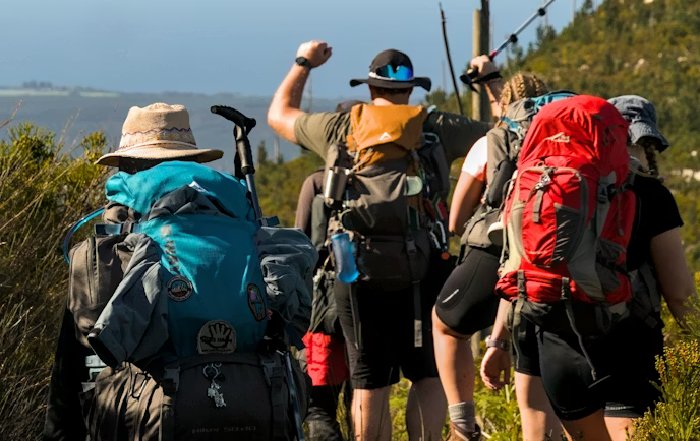
How South Africa's Outdoor Terrain Is Shaping the Future of Adventure Sports
A New Global Frontier for Performance, Lifestyle, and Business
As adventure sports evolve from a niche pursuit into a mainstream global industry, South Africa's vast and varied outdoor terrain has emerged as one of the most influential testing grounds for athletes, brands, event organizers, and wellness innovators. From the rugged escarpments of the Drakensberg to the cold, nutrient-rich waters off the Cape coast, the country's geography is no longer just a scenic backdrop; it is an active architect of new performance standards, business models, and lifestyle trends that resonate with the global audience of FitBuzzFeed.com, whose interests span sports, fitness, health, business, technology, and wellness across continents.
For decision-makers in sports, fitness, and outdoor-related industries, understanding how South Africa's landscapes shape adventure sports is increasingly essential. The country's terrain is driving innovation in athlete preparation, data-driven coaching, sustainable event management, tourism strategies, and even talent recruitment, while influencing consumer expectations in key markets such as the United States, United Kingdom, Germany, Canada, Australia, and across Europe, Asia, and Africa. In this context, South Africa is functioning as both a live laboratory and a showcase for how geography can be leveraged to build resilient, experience-rich ecosystems around adventure sports and active lifestyles.
The Geography Advantage: A Natural High-Performance Lab
South Africa's topography is uniquely suited to multi-disciplinary adventure sports, combining high-altitude plateaus, deep river gorges, extensive coastlines, and semi-arid deserts within a single country. This diversity provides an unparalleled natural training ground for athletes and adventure travelers who seek to push physical and psychological boundaries while also testing equipment, apparel, and digital tools in real-world conditions.
The Drakensberg mountain range, stretching along the eastern part of the country, offers steep ascents, technical ridgelines, and high-altitude passes that are ideal for trail running, mountain biking, and alpine-style expeditions. Athletes and coaches increasingly use these environments to simulate the physiological demands of major international events, drawing on science-based guidance from institutions like World Athletics, where professionals can explore altitude training insights. This high-altitude advantage is complemented by the iconic Table Mountain and the Cape Fold Belt, which provide complex, rocky terrain within minutes of urban centers, enabling athletes to integrate technical outdoor sessions into structured training cycles without sacrificing access to modern infrastructure and medical support.
Coastal regions such as the Western Cape and Eastern Cape add another dimension, with powerful Atlantic and Indian Ocean swells shaping surfing, open-water swimming, and coastal ultra-running events. Organizations like World Surf League have highlighted how the combination of cold-water exposure, variable weather systems, and long-period swells creates an ideal environment to understand big-wave performance and risk management. For brands and performance labs, this convergence of mountains, oceans, and open plains within a single jurisdiction offers a cost-effective, logistically efficient platform for product testing and athlete development, while also enabling integrated storytelling that appeals to a global audience increasingly driven by authenticity and outdoor experience.
Adventure Sports as a Catalyst for Fitness and Health Innovation
For the community that follows fitness and performance developments on FitBuzzFeed.com, the rise of adventure sports in South Africa is closely tied to wider shifts in health and wellness culture. The country's terrain encourages multi-modal training, where strength, endurance, agility, and mental resilience are developed simultaneously through activities such as trail running, rock climbing, mountain biking, and open-water swimming. This approach aligns with contemporary research from organizations like The American College of Sports Medicine, which continues to outline the health benefits of varied, outdoor physical activity.
The health benefits extend beyond elite athletes. Adventure sports tourism and local participation are encouraging broader segments of the population to embrace active lifestyles, often as a counterbalance to urban stress, digital fatigue, and sedentary work patterns. The emphasis on outdoor activity intersects with the growing interest in holistic wellness, which includes nutrition, mental health, and recovery strategies. Readers who follow health and medical trends on FitBuzzFeed.com will recognize that South Africa's adventure sports culture is increasingly integrated with evidence-based interventions such as structured conditioning programs, injury-prevention protocols, and mental skills coaching, supported by guidance from bodies like the World Health Organization, which regularly publishes physical activity guidelines.
This integration is also shaping how fitness professionals and wellness entrepreneurs design services and products. Training camps in the Drakensberg and coastal wellness retreats near Cape Town now combine guided adventure activities with personalized nutrition planning, mindfulness practices, and digital health tracking, appealing to a global clientele from Europe, North America, Asia, and beyond. The terrain itself becomes part of the health solution, turning mountains, forests, and oceans into active partners in long-term wellbeing.
Economic Momentum: Tourism, Events, and Global Brands
Adventure sports are not only reshaping lifestyles; they are also reshaping business strategies across tourism, hospitality, and sports marketing. South Africa's outdoor assets are increasingly central to destination branding campaigns aimed at attracting high-value international visitors, remote professionals, and sports enthusiasts who seek experiences that combine challenge, authenticity, and sustainability. The global adventure tourism segment, documented by organizations such as UN Tourism, continues to grow faster than traditional mass tourism, and South Africa is positioning itself as a premium destination within this segment.
Large-scale events such as ultra-marathons, mountain bike stage races, open-water swims, and multi-discipline adventure races are drawing participants from the United Kingdom, Germany, France, Australia, the United States, and across Africa, generating significant economic impact for local communities. This event-driven model creates opportunities for accommodation providers, transport companies, equipment retailers, and nutrition brands, while also enabling long-term partnerships between local organizers and global sponsors seeking to align with high-performance, environmentally conscious narratives. Readers following business and market developments on FitBuzzFeed.com can observe how these events act as anchor points for broader investment in infrastructure, from trail networks to digital connectivity in remote regions.
International brands in apparel, footwear, and outdoor equipment increasingly view South Africa as a strategic test market. The demanding terrain allows them to validate product durability, comfort, and performance under real-world stress, while the country's diverse climate conditions provide valuable data for global product lines. Organizations like McKinsey & Company have analyzed how outdoor and sportswear segments are gaining competitive advantage through performance-driven design and sustainability, and South Africa's adventure scene offers a tangible context in which this strategy can be executed. For brand managers and marketers, the combination of visually striking landscapes and authentic athlete stories provides powerful content that resonates across digital channels in North America, Europe, and Asia.
Talent, Jobs, and the Evolving Adventure Sports Workforce
As adventure sports expand, they are also reshaping the labor market in South Africa and influencing global talent flows. The growth of guided expeditions, technical training, event management, and adventure tourism has created a distinct ecosystem of jobs that range from mountain guides and surf coaches to sports physiotherapists, logistics coordinators, and digital content specialists. For professionals exploring career opportunities in sports and wellness, the South African context illustrates how outdoor terrain can generate employment and entrepreneurial pathways, particularly in rural and semi-rural regions that historically faced limited economic diversification.
This workforce is increasingly professionalized, with certifications aligned to international standards from bodies such as IFMGA for mountain guiding and surf-specific training frameworks recognized by organizations like ISA. Institutions and training providers are collaborating with global education platforms and sports science departments to create curricula that blend technical skills, safety management, environmental stewardship, and customer experience design. Those who follow training and performance education on FitBuzzFeed.com will note how this competency-based approach enhances both safety and quality in adventure sports, reinforcing trust among international visitors and corporate partners.
Digitalization is also redefining roles within this sector. Adventure sports companies now rely on data analysts, UX designers, and remote operations managers to optimize booking systems, monitor environmental conditions, and personalize client experiences. Insights from organizations such as the World Economic Forum, which regularly examines the future of work and skills, suggest that this hybridization of outdoor expertise and digital proficiency will continue to intensify, positioning South Africa as a case study in how terrain-driven industries can adapt to a technology-centric global economy.
Technology, Data, and the Connected Athlete
Technology is increasingly embedded into South Africa's adventure sports ecosystem, transforming how athletes train, how events are managed, and how safety is maintained in challenging environments. Wearable devices, GPS trackers, and real-time communication tools enable athletes and guides to monitor performance metrics, environmental conditions, and route progress across mountainous, coastal, and desert terrain. For readers who track technology trends in sport and wellness, the country offers a compelling illustration of how connectivity and data analytics can be integrated into physically demanding, remote activities.
Partnerships between local adventure companies and global tech firms are becoming more common, with pilot projects focused on satellite-based communication, AI-driven route planning, and environmental monitoring. Research institutions and innovators draw on frameworks from organizations like MIT Technology Review, which frequently highlights emerging technologies in sports and outdoor environments, to design solutions that improve safety and user experience without diluting the sense of exploration that defines adventure sports. Real-time weather and ocean data, sourced from bodies such as NOAA, which provides detailed marine and climate information, are integrated into event management systems and athlete dashboards, allowing for more informed decision-making in volatile conditions.
From a business perspective, data generated in South African adventure contexts is valuable beyond national borders. Performance metrics, injury patterns, and user behavior insights inform product design and service models in markets as diverse as Japan, Canada, Brazil, and the Nordic countries. Brands and coaches increasingly analyze how athletes respond to steep gradient trails, long-duration exposure, and temperature variability, refining coaching methodologies and equipment specifications for global distribution. This feedback loop strengthens South Africa's role as a high-value node in the international adventure sports and wellness innovation network.
Nutrition, Recovery, and Holistic Performance
Adventure sports in South Africa are driving a more sophisticated understanding of how nutrition, hydration, and recovery strategies must adapt to specific terrains and climatic conditions. Endurance events in hot, dry regions such as the Karoo, contrasted with cold-water swims in the Atlantic or multi-day mountain races in temperate zones, require nuanced approaches that balance macronutrient intake, electrolyte management, and thermoregulation. For readers engaged with nutrition and performance insights, this terrain-driven variability underscores the importance of context-specific planning.
Sports nutrition companies, both local and international, are using South African events and training environments to test formulations for gels, hydration mixes, and recovery products. They align their research with evidence from organizations like The International Society of Sports Nutrition, which provides position stands on fueling endurance and high-intensity activity. This synergy between real-world testing and scientific research contributes to more precise recommendations for athletes competing in environments around the world, whether in the Alps, the Rockies, or the mountains of Japan and South Korea.
Recovery practices are evolving in parallel. Athletes increasingly incorporate modalities such as cold-water immersion, altitude-adapted rest protocols, sleep optimization, and mindfulness-based stress reduction, recognizing that sustained performance in demanding terrain depends on more than raw conditioning. These practices align closely with the growing interest in wellness and holistic health, where mental resilience and emotional balance are viewed as integral components of long-term athletic and professional success. South Africa's combination of wild landscapes and accessible wellness infrastructure allows for integrated programs that appeal to both elite competitors and corporate teams seeking high-impact retreats.
Sustainability, Conservation, and Responsible Growth
As adventure sports expand across South Africa's national parks, coastal reserves, and mountain regions, sustainability has become a central strategic concern for policymakers, operators, and brands. The same terrain that attracts athletes and tourists is often ecologically sensitive, requiring careful management to prevent erosion, habitat disruption, and pollution. Global organizations such as the International Union for Conservation of Nature (IUCN) provide guidance on balancing recreation and conservation, and South African stakeholders are increasingly aligning with these frameworks to design low-impact trails, regulate event capacities, and implement restoration initiatives.
This focus on sustainability is not only an ethical imperative; it is also a business differentiator. International participants and corporate partners from Europe, North America, and Asia are increasingly selective about the environmental footprint of the events and experiences they support. Learn more about sustainable business practices and environmental governance from sources such as UNEP, which offers resources on green sports initiatives. South African adventure operators who integrate waste reduction, carbon accounting, and community-based conservation into their models are better positioned to attract long-term partnerships and premium clientele.
Local communities play a pivotal role in this equation. Adventure sports can provide income streams through guiding, hospitality, transport, and craft production, but only if governance structures ensure equitable participation and benefit-sharing. Monitoring by institutions like the World Bank, which analyzes sustainable tourism and inclusive growth, underscores the importance of aligning adventure sports development with broader social and economic objectives. In South Africa, where historical inequalities remain a critical challenge, the design of adventure tourism corridors and event routes increasingly considers how to integrate local enterprises and cultural experiences, ensuring that the terrain-driven boom supports long-term regional resilience.
Cultural Narrative, Global Perception, and Media Influence
The international perception of South Africa's adventure sports landscape is shaped not only by physical terrain but also by storytelling, media coverage, and digital content. High-quality imagery and narratives from ultra-marathons through the Cederberg, surf sessions at Jeffrey's Bay, and multi-day mountain bike races across the Karoo circulate widely across social platforms, streaming services, and specialized sports media. Audiences who follow sports coverage and global event reporting and world news perspectives on FitBuzzFeed.com are increasingly exposed to these stories, which highlight both the beauty and the challenge of South Africa's outdoor environments.
Global media outlets and documentary producers collaborate with local filmmakers, photographers, and athletes to create content that goes beyond spectacle, emphasizing themes such as resilience, environmental stewardship, and cross-cultural collaboration. Reputable news organizations such as BBC Sport and ESPN regularly feature adventure and endurance events that take place in demanding landscapes, and South African terrain is increasingly visible within this global narrative. This visibility contributes to soft power, influencing how investors, tourists, and professionals from regions such as Europe, Asia, and North America perceive the country as a place to visit, work, and partner.
For FitBuzzFeed.com, which connects audiences across interests in lifestyle, active living, and breaking developments, this evolving narrative offers opportunities to highlight individual and organizational stories that embody experience, expertise, authoritativeness, and trustworthiness. The platform can showcase how South African athletes, guides, entrepreneurs, and communities are leveraging terrain not only to compete and entertain, but also to educate, innovate, and build sustainable futures.
Strategic Outlook: What Comes Next for South Africa and the Global Adventure Ecosystem
Going on, South Africa's outdoor terrain is poised to continue shaping adventure sports in ways that extend far beyond national borders. Climate variability, technological advancement, and shifting consumer expectations will require ongoing adaptation from athletes, brands, policymakers, and service providers. Regions such as the Western Cape, KwaZulu-Natal, and the Eastern Cape will face new environmental pressures, while also benefiting from enhanced infrastructure and digital connectivity that make remote adventure more accessible and manageable.
For global stakeholders in sports, wellness, and related industries, South Africa offers a compelling blueprint for how geography can be turned into a strategic asset. The integration of high-performance training, health and wellness innovation, sustainable tourism, job creation, and technology-driven safety systems demonstrates how a terrain-rich country can position itself at the forefront of a rapidly expanding global sector. Organizations seeking to enter or expand within adventure sports and active lifestyle markets can use South Africa as a reference point for designing multi-layered strategies that combine physical challenge, environmental responsibility, and economic opportunity.
As readers of FitBuzzFeed.com continue to explore developments across physical performance and training, worldwide trends, and cross-sector innovation, South Africa's evolving adventure sports story will remain highly relevant. It illustrates how, when leveraged intelligently and ethically, outdoor terrain can become more than a backdrop; it becomes a dynamic force that shapes human potential, business transformation, and global collaboration in the decades ahead.