

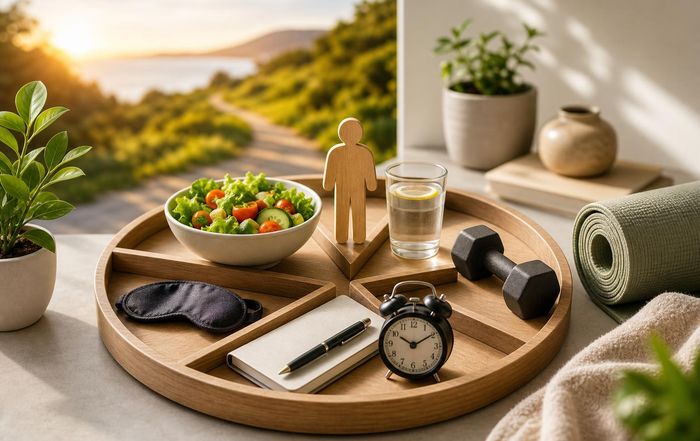
Lifestyle Design for Stronger Health Habits
Redefining Lifestyle Design for a High-Pressure World
Lifestyle design has moved far beyond the aspirational language of work-life balance and has become a strategic discipline that serious professionals, entrepreneurs, and performance-driven individuals treat with the same rigor they once reserved for financial planning or corporate strategy. For the sports and fitness, crazy audience, community coming here often daily-spanning competitive athletes, busy executives, health-conscious parents, and ambitious students from the United States, Europe, Asia, Africa, and beyond-lifestyle design is no longer about chasing an idealized routine, but about engineering sustainable systems that support stronger health habits under real-world constraints.
The convergence of digital health technologies, behavioral science, and a more mature understanding of human performance has created a new paradigm in which individuals can architect their days around energy, focus, and long-term resilience rather than simply reacting to endless demands and notifications. As organizations like World Health Organization highlight the global burden of chronic disease and mental health challenges, and as leading performance institutions such as Harvard T.H. Chan School of Public Health continue to emphasize the role of daily habits in preventing illness, the case for intentional lifestyle design has become unassailable.
For a platform like FitBuzzFeed, which sits at the intersection of fitness, health, business, and lifestyle, the central question is how readers can translate this wealth of research and technology into concrete, reliable practices that fit the realities of demanding careers, family responsibilities, and global uncertainty. The answer lies in treating lifestyle design as a deliberate, evidence-based process that integrates physical, mental, social, and professional dimensions into a coherent strategy rather than a patchwork of disconnected goals.
From Motivation to Systems: The Science Behind Sustainable Habits
Over the past decade, behavioral scientists, including researchers referenced by American Psychological Association, have repeatedly shown that motivation is a volatile and unreliable foundation for long-term behavior change. While initial enthusiasm can spark a new training program, nutritional plan, or mindfulness routine, it is the design of the environment, the structure of routines, and the clarity of identity that ultimately determine whether habits persist.
This shift from willpower to systems has been reinforced by the work of habit researchers and performance coaches, many of whom draw on frameworks popularized in books and research featured by Stanford University and University College London, emphasizing that small, consistent actions tied to existing routines create more durable change than dramatic overhauls. Learn more about how habits are formed and maintained through contemporary behavioral science by exploring the resources of institutions like Stanford Medicine and UCL's behavioural science research.
In practical terms, lifestyle design for stronger health habits means constructing daily and weekly systems that make the desired behavior the path of least resistance. For readers balancing high-stakes careers in New York, London, Singapore, or Berlin, this might involve scheduling non-negotiable training blocks in the same way they would schedule a client meeting, preparing nutrient-dense meals in advance to avoid decision fatigue, or using environmental cues-such as placing running shoes by the bed-to reduce friction. The emphasis is on building automaticity, where actions like morning mobility work, hydration, or a brief digital detox become default responses rather than aspirational goals.
This systems-based approach aligns with the performance-oriented ethos of FitBuzzFeed training content, where structured routines, progressive overload, and recovery planning are favored over sporadic bursts of effort. By reframing lifestyle design as an ongoing systems engineering project, readers gain a sense of control and predictability that supports both high performance and long-term health.
Designing Around Energy, Not Just Time
Traditional productivity frameworks have treated time as the primary resource to be managed, leading busy professionals to cram more tasks into each day without considering the physiological and psychological costs. In 2026, leading organizations such as McKinsey & Company and Deloitte increasingly highlight energy management as a core leadership competency, recognizing that sustained performance depends on the interplay of sleep, nutrition, movement, and mental recovery.
Research summarized by National Institutes of Health and Centers for Disease Control and Prevention underscores that chronic sleep deprivation, poor metabolic health, and prolonged stress not only degrade cognitive performance but also increase the risk of cardiovascular disease, depression, and burnout. For a global audience that often operates across time zones and hybrid work environments, designing a lifestyle around energy rhythms rather than calendar slots is a decisive competitive advantage. Readers can deepen their understanding of these dynamics by reviewing guidance from NIH on sleep and health and CDC's insights on workplace health.
Lifestyle design in this context starts with mapping personal energy patterns across the day and week, then aligning the most demanding tasks with periods of peak alertness while reserving lower-intensity activities for natural dips. For many individuals, this means protecting early-morning hours for deep work or physical training, introducing short movement breaks to counteract sedentary office or remote work, and instituting evening wind-down rituals that support high-quality sleep. Integrating these patterns with the performance guidance available across FitBuzzFeed's physical performance coverage allows readers to move beyond generic advice and instead craft routines that reflect their unique biology and professional context.
This energy-centric approach also demands a more nuanced relationship with technology. While digital tools can enable flexible work and hyper-connected collaboration, they can also fragment attention and erode recovery if not managed intentionally. By designing boundaries around notifications, screen exposure, and digital communication windows, individuals can protect the deep focus and restorative downtime that underpin both productivity and wellbeing.
Fitness as the Structural Backbone of Lifestyle Design
For the FitBuzzFeed community, physical training is not merely a hobby but a central pillar of identity and performance. In 2026, the role of fitness within lifestyle design has expanded from aesthetics and basic health markers to encompass cognitive function, emotional regulation, and professional effectiveness. Studies summarized by World Economic Forum and Mayo Clinic highlight how regular physical activity improves executive function, creativity, and stress resilience, making it a strategic asset for leaders and knowledge workers as much as for athletes. Readers can further explore this connection by reviewing Mayo Clinic's exercise research and WEF's insights on health and productivity.
Lifestyle design that treats fitness as structural rather than optional begins with clarity on training objectives-whether that involves building strength, enhancing endurance, improving mobility, or preparing for sport-specific performance-and then reverse-engineering the weekly schedule to support these goals. For some, this might mean prioritizing three to four focused strength sessions per week, supported by active recovery days and mobility work; for others, particularly endurance athletes or team sport participants, it could involve periodized training cycles aligned with competition calendars, a topic frequently explored in FitBuzzFeed sports coverage.
Crucially, fitness-centered lifestyle design acknowledges that training stress must be balanced with recovery capacity. Professionals in high-pressure sectors such as finance, law, or technology in cities from New York and London to Singapore and Seoul often underestimate the cumulative impact of mental and emotional load on physical performance. Integrating deliberate recovery strategies-sleep optimization, low-intensity movement, breathwork, and active rest days-allows training to enhance rather than deplete overall capacity. Leading institutions such as Cleveland Clinic and Karolinska Institute provide accessible resources on recovery, inflammation, and stress physiology, which can inform more intelligent programming; readers can learn more about these topics through Cleveland Clinic's wellness insights and Karolinska's medical research.
By grounding lifestyle design in structured training principles and recovery science, individuals can create routines that are robust enough to withstand travel, deadlines, and family obligations while still driving measurable progress in strength, endurance, and overall resilience.
Nutrition as Strategic Infrastructure, Not Restriction
Nutrition in 2026 has become one of the most contested and confusing domains of lifestyle design, with competing dietary philosophies amplified by social media and commercial interests. For business-oriented readers who value clarity and evidence, the most effective approach frames nutrition not as a set of rigid rules but as strategic infrastructure that supports metabolic health, cognitive performance, and long-term disease prevention.
Organizations such as Harvard School of Public Health, National Health Service (NHS) in the United Kingdom, and Dietary Guidelines for Americans emphasize patterns of eating-rich in whole foods, plants, high-quality proteins, and healthy fats-over short-term fads. Those seeking deeper insight can review Harvard's guidance on healthy eating patterns and explore NHS resources on balanced diets. Within this framework, lifestyle design focuses on building reliable systems: consistent meal timing that stabilizes energy and appetite, strategic pre- and post-workout nutrition to support training outcomes, and thoughtful planning around travel and social commitments to avoid reactive, low-quality choices.
For the FitBuzzFeed readership, integrating performance nutrition principles into daily life means applying the same strategic thinking used in business planning to food decisions. This might involve dedicating time on weekends to prepare key staples, using technology to streamline grocery planning, or arranging work calendars to allow for unhurried meals rather than defaulting to rushed, ultra-processed options. The editorial focus of FitBuzzFeed nutrition content reinforces this perspective by highlighting practical frameworks that can be adapted to different cultural cuisines and regional food environments, from North America and Europe to Asia, Africa, and South America.
At an advanced level, some readers may incorporate personalized nutrition insights derived from biomarker testing, continuous glucose monitoring, or genetic data, guided by reputable medical professionals rather than marketing claims. Institutions like Johns Hopkins Medicine and Mount Sinai Health System provide balanced information on the benefits and limitations of personalized nutrition technologies, helping individuals distinguish between evidence-based tools and speculative offerings. To explore these nuances, readers may consult Johns Hopkins' health library and Mount Sinai's research updates.
Ultimately, nutrition-centric lifestyle design seeks to reduce friction and decision fatigue so that high-quality choices become the default, freeing cognitive bandwidth for work, relationships, and creative pursuits.
Mental Fitness, Stress Mastery, and Emotional Resilience
The global events of the early 2020s, combined with relentless digital acceleration, have elevated mental health from a personal concern to a core business and societal priority. In 2026, organizations across Europe, North America, Asia, and beyond increasingly recognize that mental fitness and emotional resilience are foundational to innovation, collaboration, and leadership. For the FitBuzzFeed audience, which often strives for high performance in multiple domains simultaneously, lifestyle design must explicitly integrate strategies for managing stress, preventing burnout, and cultivating psychological robustness.
Leading mental health authorities such as World Health Organization and National Institute of Mental Health continue to emphasize the role of daily routines, social connection, and physical activity in supporting mental wellbeing. Readers can deepen their understanding of these connections through resources available at WHO's mental health portal and NIMH's educational materials. Within a lifestyle design framework, this translates into deliberate practices such as setting boundaries on working hours, scheduling restorative activities with the same seriousness as professional commitments, and incorporating micro-recovery throughout the day-short walks, breathwork, or mindfulness sessions that reset the nervous system.
In parallel, the rise of evidence-based digital mental health tools and teletherapy platforms has made professional support more accessible across regions from the United States and Canada to Germany, Singapore, and South Africa. However, the effectiveness of these tools depends on how they are integrated into daily life. Rather than treating meditation apps or stress-tracking wearables as standalone solutions, high-performing individuals are embedding them into broader routines that include sleep hygiene, physical training, and social engagement. This holistic integration aligns with FitBuzzFeed wellness coverage, which consistently frames mental health as inseparable from physical and social wellbeing.
Lifestyle design for mental fitness also involves proactive identity work. By consciously defining values and long-term priorities, individuals can make more aligned decisions about career moves, workload, and commitments, reducing the chronic tension that arises from misalignment between daily actions and deeper aspirations. This reflective dimension of design is particularly relevant for readers navigating career transitions, entrepreneurship, or leadership roles, and is closely tied to how they approach their jobs and professional development.
Technology-Enabled Lifestyle Design: Tools, Data, and Boundaries
In 2026, technology is both the most powerful enabler and the greatest threat to effective lifestyle design. Wearables, health apps, and connected fitness platforms provide unprecedented access to real-time data on sleep, heart rate variability, training load, and even emotional states, allowing individuals to fine-tune their routines with a level of precision once reserved for elite athletes. At the same time, the constant presence of screens, notifications, and algorithmically optimized content can fragment attention, disrupt sleep, and undermine the very habits people are striving to build.
Leading technology and health organizations, including Apple, Google, and Microsoft, have invested heavily in digital wellbeing features and health data platforms, while regulators and standards bodies in the European Union, United States, and Asia continue to refine privacy and data governance frameworks. Readers interested in the broader context can explore how major companies approach digital health and wellbeing on their official sites, such as Apple's health initiatives and Google's digital wellbeing resources.
For the FitBuzzFeed audience, the practical question is how to use technology as a strategic ally rather than a constant distraction. Within a lifestyle design framework, this involves selecting a focused stack of tools that align with clearly defined goals-perhaps a training app that syncs with a heart rate monitor, a nutrition tracker used periodically for calibration rather than obsessive logging, and a sleep tracker that informs adjustments to evening routines. The editorial lens of FitBuzzFeed technology coverage emphasizes critical evaluation of such tools, encouraging readers to prioritize reliability, data transparency, and alignment with evidence-based guidelines.
Equally important is the deliberate creation of tech-free zones and times. For example, device-free meals, screen-limited evenings, or notification-free training sessions can significantly enhance presence, recovery, and performance. By embedding these boundaries into daily routines, individuals preserve the cognitive and emotional bandwidth necessary to sustain strong health habits over the long term.
Integrating Work, Brand, and Identity into Lifestyle Design
For many FitBuzzFeed readers, career and personal brand are not separate from lifestyle but deeply intertwined. Executives in New York and London, founders in Berlin and Singapore, athletes in Melbourne and Toronto, and creators across social platforms increasingly view their health practices as part of their professional identity and brand narrative. This convergence has significant implications for lifestyle design, particularly in business, sports, and media environments where visibility and influence carry real economic value.
Organizations such as LinkedIn, Forbes, and Harvard Business Review have documented the rise of health-conscious leadership and the growing expectation that high-level professionals model sustainable performance behaviors. Those seeking to understand these trends in greater depth can review analyses from Harvard Business Review on sustainable performance and Forbes' coverage of executive wellbeing. Within this landscape, lifestyle design becomes a strategic asset: a well-structured routine that integrates training, nutrition, recovery, and focused work not only enhances output but also signals discipline, self-awareness, and long-term orientation to colleagues, clients, and audiences.
This dynamic is particularly visible in the evolution of personal and corporate brands featured in FitBuzzFeed's brands section, where companies in sportswear, health tech, nutrition, and wellness increasingly partner with individuals whose lifestyles authentically reflect their brand values. For professionals and creators, aligning their designed lifestyle with their public narrative can unlock new opportunities, from sponsorships and speaking engagements to leadership roles in purpose-driven organizations. However, this alignment must be grounded in authenticity; performative wellness that masks burnout or unsustainable practices ultimately erodes trust.
By consciously designing lifestyles that integrate professional ambitions, health priorities, and personal values, individuals can create a coherent identity that supports both external impact and internal wellbeing, reinforcing the Experience, Expertise, Authoritativeness, and Trustworthiness that discerning audiences and employers now demand.
Global Context, Local Realities: Adapting Lifestyle Design Across Regions
While the principles of lifestyle design-systems over motivation, energy management, integrated health domains-are broadly universal, their application varies significantly across regions and cultures. Readers in the United States and Canada may have different access to fitness facilities, healthcare systems, and work cultures than those in Germany, France, or the United Kingdom, while professionals in Singapore, Japan, South Korea, and China often navigate intense work expectations and dense urban environments that shape their options for movement, nutrition, and recovery.
Global organizations such as OECD, World Bank, and International Labour Organization provide comparative data on working hours, health outcomes, and social protections, illustrating how structural factors influence individual lifestyle choices. Those interested in the macro perspective can explore OECD's health statistics and ILO's reports on work and wellbeing. Within this global context, FitBuzzFeed positions lifestyle design as a flexible framework rather than a rigid template, encouraging readers to adapt core principles to local realities-whether that means leveraging active transportation in European cities, integrating traditional movement practices in Asia, or optimizing outdoor training opportunities in Australia, New Zealand, and South Africa.
This adaptability is equally important in emerging markets across Africa, South America, and Southeast Asia, where rapid urbanization and digitalization are reshaping lifestyles at scale. By combining global best practices with local cultural strengths-such as community-based activity, traditional diets, or nature-based recreation-individuals can design health-supportive routines that are both effective and culturally resonant. The FitBuzzFeed world section regularly highlights such regional innovations, offering readers a broader palette of possibilities for their own lifestyle experiments.
Bringing It All Together: A Fitness News-Centric Blueprint
Lifestyle design for stronger health habits is best understood as an ongoing, iterative process rather than a one-time overhaul. For the increasing and active FitBuzzFeed audience, this process involves regularly assessing current routines, clarifying priorities across fitness, health, work, and relationships, and then making targeted adjustments to systems, environments, and identities. Over time, these small, strategically chosen shifts compound into profound changes in performance, resilience, and overall quality of life.
By drawing on trusted external resources-from World Health Organization and Harvard T.H. Chan School of Public Health to Mayo Clinic and Johns Hopkins Medicine-and integrating them with the practical, cross-disciplinary inspiring insights available across FitBuzzFeed's news, business, health, fitness, and lifestyle coverage, readers can construct a personalized, evidence-aligned blueprint that reflects both global best practice and individual realities.
As work, technology, and society continue to evolve, those who treat lifestyle design as a core professional competency-on par with strategic thinking, communication, or financial literacy-will be best positioned to thrive. They will not only perform at a higher level in their careers and pursuits but also model a new standard of integrated wellbeing for colleagues, families, and communities worldwide. In this sense, lifestyle design is not merely a personal optimization project; it is a leadership act that shapes the future of how humans live, work, and flourish in an increasingly complex world.