

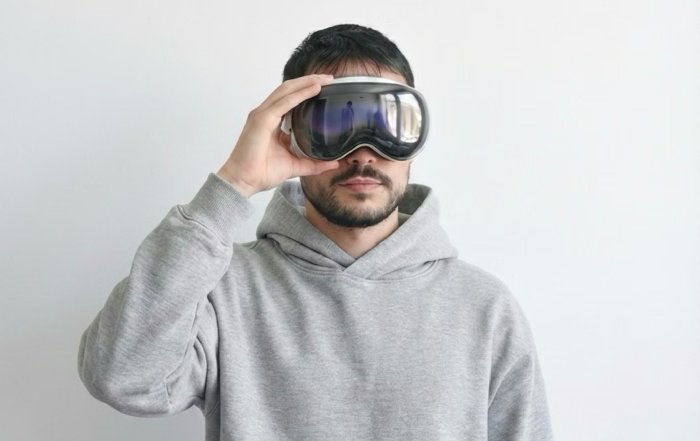
Can Virtual Reality Workouts Really Replace the Gym?
The New Frontier of Fitness
The big question of whether virtual reality workouts can replace the traditional gym has moved from speculative debate to a concrete strategic concern for fitness brands, technology companies, employers, and policymakers. As global consumers recalibrate their lifestyles in a post-pandemic, hybrid-working world, the intersection of immersive technology, health science, and business models is reshaping how people in the United States, Europe, Asia, and beyond think about exercise, performance, and wellbeing. For FitBuzzFeed.com, whose audience spans sports, fitness, health, business, and lifestyle enthusiasts across regions from North America to Asia-Pacific, this shift is more than a trend story; it is a structural transformation that touches everything from gym memberships and corporate wellness to insurance underwriting and digital media engagement.
Virtual reality, once confined to gaming and niche entertainment, now sits at the core of an emerging "immersive fitness ecosystem" that blends headsets, motion tracking, biometric wearables, AI coaching, and cloud platforms. Companies like Meta, Apple, HTC, and Sony have poured billions into VR and mixed reality hardware, while fitness-focused platforms and studios have begun to build subscription-based experiences that rival traditional gym offerings in variety and intensity. As major health institutions such as the World Health Organization and Centers for Disease Control and Prevention continue to emphasize the critical importance of regular physical activity for preventing chronic disease, the stakes are high: if VR can meaningfully increase exercise adherence and accessibility, it could become a powerful tool for public health and workplace productivity worldwide. Readers can explore broader health and wellness context on FitBuzzFeed Health, where trends in digital and physical wellbeing increasingly converge.
How VR Workouts Actually Work in 2026
To evaluate whether VR can replace the gym, it is essential to understand how modern VR workouts operate in practice. Unlike early-generation systems that relied on basic motion controllers and limited tracking, current headsets integrate inside-out tracking, hand and body sensing, and in some cases full-room or even multi-room mapping. This enables highly dynamic movement patterns that go well beyond the stationary experiences of early fitness games. Users can box, dance, squat, lunge, sprint in place, and even simulate climbing or rowing, all while receiving real-time feedback on form, intensity, and performance.
Leading platforms now integrate with wearables from companies like Garmin, Apple, and Samsung, allowing for continuous heart rate monitoring and estimation of energy expenditure. Many VR fitness apps benchmark their training zones against widely accepted guidelines such as those outlined by the American College of Sports Medicine, so that users can align their virtual sessions with evidence-based cardio and strength recommendations. For readers accustomed to traditional training plans, FitBuzzFeed Training provides context on how these VR protocols compare to established strength and conditioning principles.
The content itself has evolved significantly. Instead of simplistic mini-games, users can access structured, periodized programs that resemble those offered by boutique studios, with progressive overload, rest days, and recovery sessions. High-intensity interval training, rhythm-based workouts, virtual cycling, boxing, martial arts, and even guided mobility and yoga experiences are now common. Platforms frequently integrate licensed music, global leaderboards, and social features that allow users from the United States, United Kingdom, Germany, Japan, and other markets to train together in real time, creating an international community that mirrors and sometimes surpasses the camaraderie of physical gyms.
The Science: Effectiveness of VR Exercise for Health and Performance
The core question for business leaders, health professionals, and consumers is not simply whether VR workouts are engaging, but whether they deliver comparable physiological benefits to traditional gym-based training. Over the last several years, academic research has increasingly focused on immersive exercise. Studies cataloged by PubMed and summarized by organizations such as Harvard Health Publishing and the Mayo Clinic have shown that properly designed VR workouts can elicit moderate to vigorous cardiovascular intensity, often meeting or exceeding the thresholds recommended in global physical activity guidelines. Interested readers can explore how these guidelines align with current recommendations on FitBuzzFeed Fitness.
One of the most compelling findings from this growing body of research is the phenomenon of "dissociated exertion," in which users perceive a workout as less taxing than it objectively is because their attention is captured by immersive visuals, narrative elements, or competitive game mechanics. This effect can lead to longer session durations and higher overall energy expenditure, a critical factor for individuals in sedentary jobs across North America, Europe, and Asia who struggle to maintain consistent exercise habits. Resources such as NHS Inform in the United Kingdom and Health Canada have begun to reference active gaming and immersive exercise as legitimate options for meeting weekly activity targets, particularly for younger populations and those who find traditional gyms intimidating or inconvenient.
However, the science also underscores limitations. While VR can provide robust cardiovascular training and basic resistance work using bodyweight or simple peripherals, it does not yet fully replicate the heavy-load strength training possible with barbells, machines, and specialized equipment. For athletes in sports covered on FitBuzzFeed Sports, such as powerlifting, rugby, or track and field, maximal strength, power, and sport-specific drills still require access to physical facilities, coaching, and equipment. Research from institutions like Stanford Medicine and Cleveland Clinic continues to emphasize the importance of mechanical loading for bone density and muscular development, especially in aging populations, which VR alone cannot fully replicate without substantial hardware augmentation.
Behavioral Psychology: Motivation, Adherence, and Gamification
Where VR workouts show perhaps their greatest promise is in behavioral adherence, a domain that has long challenged the global fitness industry. Traditional gyms suffer from high dropout rates, with many members in markets like the United States, Germany, and Australia failing to attend regularly after the first few months of a new membership. Behavioral scientists and organizations such as the American Psychological Association have documented the role of enjoyment, self-efficacy, and social support in sustaining exercise habits over the long term.
VR fitness experiences are explicitly designed to address these psychological levers. Gamification mechanics-such as levels, achievements, streaks, and competitive leaderboards-tap into intrinsic and extrinsic motivation. Real-time feedback on performance metrics, personalized coaching avatars, and adaptive difficulty create a sense of mastery and progress that aligns with well-established theories of behavior change. Social features allow friends and colleagues across time zones, from Singapore to Canada, to coordinate workouts, participate in virtual events, and share their progress, not unlike the group classes found in traditional gyms but without geographical constraints.
For many users, particularly those who may feel self-conscious in crowded gyms or who live in regions with limited access to quality fitness facilities, VR offers a psychologically safe environment to experiment, fail, and improve without fear of judgment. This aligns with broader wellness trends covered on FitBuzzFeed Wellness, where mental health, stress management, and self-esteem are increasingly recognized as intertwined with physical activity. By lowering psychological barriers to entry and sustaining engagement through entertainment and community, VR may not only complement but in some cases outperform traditional gyms in terms of long-term adherence.
The Business Landscape: Disruption, Hybrid Models, and New Revenue Streams
From a business perspective, the rise of VR workouts is reshaping the competitive landscape for gyms, boutique studios, equipment manufacturers, and digital platforms. Traditional gym chains in the United States, United Kingdom, and Europe are facing a dual challenge: adapting to hybrid work patterns that reduce commuter foot traffic and responding to consumer expectations shaped by on-demand digital experiences from companies like Netflix and Peloton. Many have begun to experiment with "phygital" models, offering integrated memberships that combine physical access with virtual classes and, increasingly, VR-compatible content.
Meanwhile, technology companies and fitness startups are building subscription ecosystems around their hardware and software platforms. Annual or monthly fees grant access to evolving libraries of workouts, live events, and AI-driven coaching. For business leaders tracking this space, platforms like McKinsey & Company and Deloitte have published analyses on the broader digital health and wellness economy, highlighting the growth potential of immersive technologies and the shift from product-centric to service-centric revenue models. Readers interested in the commercial and strategic aspects can find more sector-specific coverage on FitBuzzFeed Business, where the convergence of fitness, technology, and media is an ongoing theme.
Corporate wellness programs and insurers are also paying attention. As organizations across sectors in North America, Europe, and Asia-Pacific seek to manage healthcare costs and support employee wellbeing, VR fitness is emerging as a potential component of benefits packages. Employers can subsidize headsets and subscriptions, enabling employees to exercise from home or satellite offices, which aligns with flexible working policies and global talent strategies. Insurers and health systems, guided by evidence from sources such as the World Economic Forum and OECD, are exploring how digital fitness engagement might correlate with reduced claims and improved population health metrics.
Regional Adoption: A Global Yet Uneven Transformation
Even as VR fitness gains traction worldwide, adoption patterns vary significantly by region, influenced by factors such as disposable income, broadband infrastructure, cultural attitudes toward gyms, and regulatory environments. In the United States and Canada, relatively high household incomes and strong consumer technology ecosystems have supported robust uptake of VR headsets, with fitness emerging as a primary use case alongside gaming and productivity. In Western Europe, particularly in countries like Germany, the Netherlands, and the Nordic states, high digital literacy and interest in health and sustainability have driven interest in home-based, low-commute training options that reduce time and environmental impact.
In Asia, markets such as South Korea, Japan, and Singapore, known for early adoption of advanced consumer electronics, have seen rapid integration of VR into both gaming and fitness contexts, with local developers tailoring content to cultural preferences and urban lifestyles. In emerging economies across South America, Africa, and parts of Southeast Asia, adoption is more uneven, constrained by cost and infrastructure but supported by growing middle classes and government interest in digital innovation. Organizations like the World Bank and International Telecommunication Union have highlighted the role of connectivity and device affordability in determining who benefits from the digital health revolution.
For a globally oriented platform like FitBuzzFeed, which covers developments in World news and trends alongside fitness and wellness, this uneven adoption presents both a storytelling opportunity and a responsibility: to highlight innovation while acknowledging digital divides and the risk that immersive fitness could widen health disparities if not accompanied by inclusive policies and business models.
Health, Safety, and Ethical Considerations
As VR workouts become more prevalent, questions of health, safety, and ethics are gaining prominence. On the physical side, issues such as motion sickness, eye strain, and balance-related injuries require careful attention. Health authorities and organizations like Johns Hopkins Medicine and Mayo Clinic advise users to follow best practices for session duration, room setup, and gradual adaptation to immersive environments, especially for older adults or those with pre-existing conditions. For users exploring high-intensity VR workouts, it remains crucial to follow general exercise safety guidelines, including proper warm-up, hydration, and awareness of overuse injuries, topics regularly covered on FitBuzzFeed Physical.
Data privacy and security present another layer of complexity. VR fitness platforms collect highly sensitive data, including biometric signals, movement patterns, and potentially even facial expressions. In jurisdictions governed by regulations such as the European Union's General Data Protection Regulation and various state-level privacy laws in the United States, companies must ensure transparent data practices, secure storage, and user control over information. Organizations like the Electronic Frontier Foundation have raised concerns about the potential misuse of biometric data, particularly as AI systems become more capable of inferring health status, emotional states, and behavioral profiles from sensor inputs.
There are also ethical questions about dependency and balance. While VR can increase activity for many, there is a risk that some users may become overly reliant on virtual environments, potentially reducing outdoor activity, social contact, or engagement with local sports clubs and communities. For younger users, parents and educators must consider screen time guidelines from bodies like the American Academy of Pediatrics, balancing the benefits of active gaming with the need for unstructured play, outdoor time, and offline social development. On FitBuzzFeed Lifestyle, these broader questions of digital balance and holistic wellbeing are central to understanding how VR fits into a sustainable, healthy life.
Integration with Broader Wellness and Nutrition Ecosystems
VR workouts do not exist in isolation; they are increasingly part of a broader digital wellness stack that includes nutrition tracking, mental health apps, sleep monitoring, and wearable-based coaching. Major platforms integrate with dietary apps and services, allowing users to align calorie expenditure from VR sessions with personalized nutrition plans. Science-based resources such as The Nutrition Source from Harvard T.H. Chan School of Public Health and guidance from Dietitians of Canada and British Nutrition Foundation continue to emphasize that effective fitness outcomes depend on the interplay of training, diet, and recovery, not any single modality. For readers seeking to connect immersive training with practical dietary strategies, FitBuzzFeed Nutrition provides accessible insights into how to fuel both virtual and real-world performance.
Mental wellness is another key dimension. Many VR platforms now incorporate mindfulness, breathing exercises, and guided relaxation into their offerings, blurring the line between fitness and mental health support. Organizations like Mind, Beyond Blue, and Mental Health America have recognized the potential of digital tools to support stress reduction and emotional resilience, while also cautioning that they should complement, not replace, professional care when needed. As hybrid work, geopolitical uncertainty, and economic volatility continue to affect individuals globally, integrated approaches that combine movement, mindfulness, and social connection may prove especially valuable.
Employment, Skills, and the Future of Fitness Jobs
For professionals in the fitness and sports sectors, the rise of VR is reshaping career paths and skill requirements. Personal trainers, group fitness instructors, and sports coaches are increasingly expected to be comfortable delivering sessions through digital platforms, including VR environments. This shift creates new opportunities for talent in markets such as the United States, United Kingdom, and Australia to reach international audiences, but it also raises questions about competition, pricing, and the value of in-person expertise. Resources on FitBuzzFeed Jobs frequently highlight how trainers and wellness professionals can adapt to these changes, from acquiring digital production skills to understanding data analytics and remote client engagement.
At the same time, new roles are emerging at the intersection of technology, design, and exercise science. VR fitness content designers, motion capture specialists, UX researchers focused on embodied interaction, and AI coaching developers are becoming integral to the product teams of both tech giants and specialized startups. Educational institutions and certification bodies are beginning to respond, with some universities and training organizations integrating immersive technology modules into kinesiology, sports science, and digital media programs. For brands and employers, this evolution underscores the need to invest in continuous learning and cross-disciplinary collaboration, themes that resonate across FitBuzzFeed Technology coverage of the future of work.
Can VR Replace the Gym-or Will It Redefine It?
The central question-whether virtual reality workouts can replace the gym-does not yield a simple yes or no answer. Instead, today, the evidence suggests a more nuanced reality. For a significant segment of the population, especially those with time constraints, geographic limitations, or psychological barriers to traditional gyms, VR can function as a primary fitness environment, offering sufficient intensity, variety, and social engagement to meet health and performance goals. For these users, the "gym" becomes a digital, personalized, and globally connected space, accessible from homes in New York, London, Berlin, Toronto, Sydney, Singapore, or São Paulo.
However, for others-particularly high-performance athletes, individuals with specific strength or rehabilitation needs, and those who thrive on in-person community and coaching-VR is more likely to serve as a powerful complement rather than a replacement. Physical gyms, sports clubs, and outdoor environments retain unique advantages in terms of heavy-load training, tactile feedback, environmental variety, and face-to-face social interaction. Public health guidance from bodies like the World Health Organization and national health services continues to highlight the value of outdoor activity, active transport, and community sport, all of which extend beyond what VR can currently provide.
From the sports news perspective of FitBuzzFeed.com, the most realistic future is a hybrid one, in which VR becomes an integral component of a diversified fitness portfolio that includes traditional gyms, outdoor sports, workplace wellness initiatives, and digital health platforms. For brands, employers, and policymakers, the strategic question is not whether VR will "kill" the gym, but how to design ecosystems, partnerships, and experiences that leverage the strengths of both immersive and physical environments to improve health outcomes, support sustainable lifestyles, and create resilient business models.
As readers explore related stories across FitBuzzFeed News, FitBuzzFeed Events, and the broader FitBuzzFeed platform, one theme becomes clear: the definition of fitness is expanding. Virtual reality is not merely a gadget-driven novelty; it is a catalyst forcing the industry to rethink what it means to train, compete, recover, and connect in a world where the boundaries between digital and physical are increasingly fluid. Whether in a gym in London, a living room in Seoul, or a co-working space in Toronto, the future of working out will likely be defined not by a binary choice between VR and the gym, but by the intelligent integration of both.