

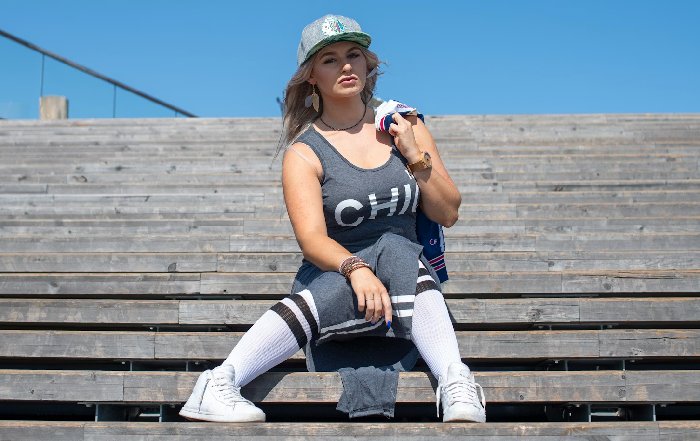
Inside the Billion-Dollar Business of Athleisure
The Rise of Athleisure from Niche Trend to Global Powerhouse
The athleisure market has evolved from a fleeting fashion curiosity into a structurally important pillar of the global apparel industry, reshaping how consumers dress, train, work and socialize, while forcing legacy brands and new digital players alike to rethink product design, supply chains and brand storytelling. What began as a casual blending of yoga pants and streetwear has matured into a sophisticated ecosystem where performance textiles, digital fitness platforms, wellness culture and shifting workplace norms converge, and where investors, executives and entrepreneurs now see long-term, defensible value rather than a passing style cycle.
Industry analysts at McKinsey & Company and Boston Consulting Group have tracked the category's steady outperformance relative to traditional apparel, noting that in North America and Europe, athleisure has consistently captured a growing share of discretionary clothing spend as consumers reallocate budgets toward versatile garments that can transition seamlessly from home to office to gym. As remote and hybrid work arrangements remain entrenched across the United States, United Kingdom, Germany, Canada, Australia and other advanced economies, the demand for clothing that balances comfort, technical functionality and social acceptability has only intensified, accelerating a trend that was already visible before the pandemic and has now been structurally embedded into daily life.
For readers of FitBuzzFeed, who follow developments in fitness, sports, wellness and business, the athleisure boom is not simply a matter of fashion; it is a window into how health consciousness, digital technology, sustainability concerns and new work patterns are converging to create a durable, multi-billion-dollar business with global reach, from New York and London to Seoul, Tokyo, Singapore and beyond.
Defining Athleisure in a Post-Pandemic World
Athleisure in 2026 is best understood not as a single product category but as a continuum that stretches from high-performance training apparel to elevated casualwear with subtle technical features, all designed to enable movement, comfort and style throughout the day. While early athleisure revolved around leggings, hoodies and sneakers, the category now encompasses tailored joggers that can pass in boardrooms, moisture-wicking polos that fit into business-casual environments, and hybrid garments that integrate stretch panels, breathable meshes and recycled fibers without overtly signaling "gym wear."
Market researchers at Statista and Euromonitor International describe athleisure as a cross-segment phenomenon that cuts across sportswear, casualwear and even parts of formalwear, blurring traditional industry classifications and complicating inventory planning for retailers. This fluidity is particularly evident in regions like Europe and Asia, where cultural norms around dress codes have historically been stricter, but where younger professionals in cities such as Berlin, Paris, Milan, Madrid, Amsterdam, Stockholm, Copenhagen, Tokyo and Bangkok now expect clothing that can move from coworking spaces to boutique fitness studios and evening social events with minimal friction.
For the FitBuzzFeed community, which routinely navigates between training, physical performance and demanding careers, this expanded definition of athleisure reflects a lifestyle where health, productivity and self-expression are interlinked, and where apparel is evaluated not only on aesthetics but also on how it supports recovery, mobility, thermoregulation and even mental focus throughout long, multi-stage days.
Market Size, Growth and Global Hotspots
By 2026, industry estimates place the global athleisure and performance-inspired apparel market well into the hundreds of billions of dollars in annual revenue, with sustained mid-single to low-double-digit compound annual growth outpacing most other apparel segments. Data compiled by Allied Market Research and Grand View Research indicate particularly strong momentum in North America, Europe and Asia-Pacific, where rising middle-class incomes, urbanization and digital connectivity are reinforcing consumer interest in health, fitness and casualized dress codes.
In the United States and Canada, the normalization of hybrid work has entrenched demand for elevated loungewear and office-appropriate joggers, while the proliferation of boutique studios, endurance events and corporate wellness programs continues to drive technical apparel sales. Across the United Kingdom, Germany, France, Italy, Spain, Netherlands and Switzerland, athleisure has integrated into both street style and workplace wardrobes, with premium European labels entering the space and competing with global sportswear giants. In Asia, countries such as China, South Korea, Japan, Thailand, Singapore and Malaysia have seen rapid adoption, fueled by social media fitness culture, the growth of connected fitness platforms and a younger demographic willing to spend on branded performance apparel.
Emerging markets in South America and Africa, including Brazil and South Africa, are also registering meaningful growth as urban consumers gain greater access to international brands through e-commerce and as local labels tailor athleisure to regional climates and cultural preferences. Readers interested in the broader macroeconomic context of this expansion can explore global business trends and industry news that highlight how athleisure is becoming a recurring theme in retail and consumer-goods earnings reports.
The Power Players: Global Giants and Challenger Brands
The business of athleisure is anchored by a small number of global powerhouses whose scale, marketing budgets and innovation pipelines have allowed them to shape consumer expectations and dictate trends across continents. Companies such as Nike, Adidas, Puma, Under Armour and New Balance have leveraged decades of sports heritage, athlete endorsements and distribution networks to expand beyond performance gear into lifestyle-oriented athleisure lines, often collaborating with designers, musicians and cultural icons to remain relevant to younger audiences. Corporate reports and strategic updates from Nike and Adidas illustrate how lifestyle collections now sit alongside core performance categories as critical growth engines.
Alongside these incumbents, specialist athleisure brands such as Lululemon Athletica, Gymshark, Alo Yoga, Vuori, Outdoor Voices and Fabletics have built substantial businesses by focusing on community-driven marketing, digital-first distribution and niche positioning, whether that means yoga-centric design, strength-training aesthetics or surf-inspired comfort. Lululemon, in particular, has become a case study in premium athleisure, with analysts at Harvard Business School and The Wharton School frequently citing its focus on fabric innovation, experiential retail and instructor-led community building as key drivers of its global expansion into markets like Japan, South Korea, United Kingdom and Germany.
Meanwhile, luxury houses and high-end designers have entered the space through collaborations and capsule collections, with Gucci, Balenciaga, Stella McCartney and others partnering with sportswear giants or developing in-house performance-inspired lines that blur the boundaries between runway and running track. For professionals tracking brand strategy and positioning, FitBuzzFeed's brands coverage offers additional context on how heritage labels and digital natives alike are navigating this increasingly crowded landscape.
Consumer Behavior: Health, Identity and Everyday Performance
The endurance of athleisure as a category is closely tied to deeper shifts in consumer behavior and values, particularly among millennials and Gen Z, who now make up a significant share of the workforce and drive much of the growth in digital commerce. Research from Deloitte and PwC has documented a sustained increase in health and wellness prioritization, with consumers in markets ranging from United States and Canada to Sweden, Norway, Finland, New Zealand and Singapore reporting higher spend on fitness, nutrition and mental well-being, often at the expense of more traditional discretionary categories.
Athleisure sits at the intersection of these priorities by serving as a visible expression of an active, health-oriented identity, even when garments are worn far from gyms or running trails. For FitBuzzFeed readers who regularly engage with nutrition, health and lifestyle content, athleisure is part of a broader ecosystem that includes wearable devices, connected training platforms and recovery tools, all contributing to a sense of continuous optimization and self-care. In this worldview, apparel is not just a passive covering but an active participant in performance, whether by supporting movement, managing moisture, reducing friction or simply enabling the psychological transition into "training mode" during a busy day.
Social media platforms and fitness influencers have amplified this dynamic, with creators across TikTok, Instagram and YouTube showcasing "day in the life" content that seamlessly integrates gym sessions, remote work and social outings, often in a consistent rotation of branded athleisure outfits. This visibility has turned certain leggings, sports bras and joggers into status symbols in cities from Los Angeles and Toronto to Sydney and Cape Town, reinforcing the idea that athleisure is as much about belonging and aspiration as it is about technical performance.
Technology, Materials and the Science Behind Comfort
Behind the aesthetic appeal of athleisure lies a substantial investment in textile science, material engineering and product testing, areas where leading brands collaborate with universities, research institutes and specialist suppliers to deliver incremental improvements that can justify premium pricing and foster consumer loyalty. Technical fabrics incorporating moisture-wicking polyester blends, elastane, nylon, merino wool and increasingly, plant-based or recycled fibers, are engineered to manage sweat, regulate temperature and maintain shape over repeated wash cycles and high-intensity use.
Organizations such as The Hohenstein Institute in Germany and MIT's Department of Materials Science and Engineering in the United States have published research on smart textiles, antimicrobial treatments and bio-based polymers that are gradually making their way into commercial athleisure lines. Brands are experimenting with seamless knitting technologies to reduce chafing, laser-cut ventilation zones to improve breathability, and bonding techniques that eliminate bulky seams, all of which contribute to the "second-skin" feel that consumers increasingly expect from premium leggings and tops.
For FitBuzzFeed's audience, which closely follows technology and performance innovation, the convergence of apparel and digital ecosystems is particularly noteworthy. Connected fabrics, integration with fitness trackers and the use of data from platforms like Strava, Garmin Connect and Apple Health are informing design decisions, as brands analyze how garments perform in real-world conditions across climates from Dubai to Helsinki. This feedback loop is tightening product development cycles and enabling more targeted collections for specific sports, body types and environmental conditions.
Sustainability, Ethics and the Push for Responsible Growth
As athleisure has scaled into a global business, its environmental and social footprint has come under increasing scrutiny from regulators, investors and consumers who are more aware than ever of the fashion industry's contribution to carbon emissions, water usage and waste. Reports from organizations such as the Ellen MacArthur Foundation and the World Resources Institute have highlighted the need for circularity, recycled materials and improved supply-chain transparency, emphasizing that performance apparel, with its reliance on synthetics, faces particular challenges related to microplastics and end-of-life disposal.
Leading brands are responding with a mix of recycled polyester programs, take-back schemes, repair initiatives and investments in next-generation materials, including bio-based fibers and textile-to-textile recycling technologies. Companies like Patagonia and Allbirds have become reference points for sustainable business practices, while mainstream players including Nike and Adidas have set ambitious targets for recycled content, renewable energy usage and reduced water consumption in their manufacturing processes. Those interested in the broader context can learn more about sustainable business practices from global environmental bodies that track corporate progress and policy developments.
For FitBuzzFeed readers who prioritize wellness not only at the individual level but also for communities and ecosystems, the sustainability dimension is increasingly influencing purchasing decisions and brand loyalty. Articles across wellness, world and business verticals frequently highlight how consumers in Scandinavia, Western Europe, Japan, South Korea and parts of North America are willing to pay a premium for products that can credibly demonstrate reduced environmental impact and fair labor practices, while also delivering the performance attributes expected of modern athleisure.
Digital Commerce, Community and the New Retail Experience
The commercial success of athleisure is inseparable from the rise of digital commerce, social media marketing and community-centric brand building, trends that have reshaped retail across categories but are particularly pronounced in this space. Direct-to-consumer brands have leveraged targeted advertising, influencer partnerships and user-generated content to reach niche communities of runners, lifters, yogis and outdoor enthusiasts across North America, Europe, Asia and Oceania, often bypassing traditional wholesale channels and using data analytics to refine product assortments and sizing.
E-commerce platforms such as Amazon, Zalando, ASOS and Tmall have provided global reach, while specialized fitness marketplaces and subscription services have enabled smaller labels to find their audiences efficiently. At the same time, physical retail remains critical for athleisure, as consumers often want to touch fabrics, test fit and experience brand environments that communicate values around movement, mindfulness and performance. Flagship stores from Lululemon, Nike and Adidas in cities like New York, London, Shanghai and Tokyo increasingly integrate studios, events and community programming, blurring the line between shopping and training.
FitBuzzFeed's coverage of events and sports often intersects with this trend, as brands sponsor local runs, yoga festivals, fitness competitions and wellness conferences to deepen engagement and gather feedback. The success of these initiatives underscores that in athleisure, community and authenticity are as important as product features, particularly for younger consumers who are skeptical of traditional advertising and more likely to trust peer recommendations and instructor endorsements.
Athleisure at Work: Redefining Professional Dress Codes
One of the most profound business implications of the athleisure movement is its influence on workplace dress codes and corporate culture, particularly in knowledge-based industries where output is less tied to physical presence and more to creativity, collaboration and problem-solving. Surveys from Gallup and LinkedIn show that hybrid work arrangements remain prevalent across sectors in 2026, with employees in United States, United Kingdom, Germany, France, Canada, Australia and parts of Asia valuing flexibility not only in where they work but also in what they wear.
As a result, many organizations have shifted from formal or strict business-casual dress codes to more relaxed guidelines that emphasize appropriateness and professionalism without specifying particular garments, creating space for technical chinos, knit blazers, performance polos and minimalist sneakers that draw heavily from athleisure design. For HR leaders and executives, this evolution is not merely aesthetic; it intersects with broader conversations about employee well-being, inclusion and productivity, as comfortable clothing can reduce physical strain, support movement breaks and signal a more human-centric workplace culture.
Professionals navigating this new environment will find that FitBuzzFeed's jobs and business coverage increasingly addresses how to balance personal expression, comfort and brand alignment in corporate settings, whether in tech hubs like San Francisco and Berlin, financial centers like London and Zurich, or fast-growing innovation clusters in Singapore, Seoul and Bangalore. Athleisure, in this context, becomes part of a broader toolkit for designing work lives that are healthier, more flexible and more sustainable over the long term.
Investment, M&A and the Financial Landscape
From a financial perspective, the athleisure boom has attracted significant attention from private equity, venture capital and public market investors who view the category as a long-term growth story with attractive margins and strong brand equity potential. Over the past decade, acquisitions, minority investments and IPOs have reshaped the competitive landscape, as established apparel conglomerates seek to acquire high-growth digital natives and as specialized athleisure brands leverage capital to expand into new geographies and product lines.
Financial media outlets such as Bloomberg, Financial Times and The Wall Street Journal have chronicled how valuations for leading athleisure companies often reflect expectations of continued double-digit growth, underpinned by international expansion into markets like China, India, Brazil and Middle East, as well as category extensions into footwear, accessories and even wellness services. At the same time, investors are increasingly scrutinizing supply-chain resilience, sustainability metrics and digital capabilities, recognizing that differentiation in athleisure now depends as much on operational excellence and ESG performance as on design and marketing.
For readers of FitBuzzFeed who follow business and world markets, this financial dimension of athleisure provides insights into how capital is being allocated across consumer sectors and which regions are emerging as strategic priorities for global brands. It also raises questions about consolidation, competition and the potential for saturation, particularly in mature markets where closet space and consumer attention are finite.
Risks, Challenges and the Road Ahead
Despite its impressive growth and cultural resonance, the athleisure industry faces a number of structural risks and challenges that require careful navigation from executives, investors and policymakers. Macroeconomic volatility, including inflation, currency fluctuations and uneven post-pandemic recovery across regions, can pressure consumer spending on discretionary categories, particularly in emerging markets where income growth is less predictable. Supply-chain disruptions, whether from geopolitical tensions, extreme weather events linked to climate change or public-health crises, can impact production timelines and input costs, forcing brands to rethink sourcing strategies and inventory management.
Competitive intensity is another key concern, as barriers to entry in apparel remain relatively low and digital marketing tools have made it easier for new labels to reach niche audiences. This proliferation raises the risk of commoditization, especially in lower price tiers, and places a premium on genuine innovation, brand differentiation and customer experience. Regulatory scrutiny around greenwashing, labor practices and product claims is also increasing, with authorities in European Union, United States and Asia developing stricter frameworks that demand verifiable data and transparent reporting from fashion and sportswear companies.
Looking ahead, industry observers at World Economic Forum and leading business schools anticipate that the next phase of athleisure growth will hinge on deeper integration with digital health ecosystems, personalized product offerings based on biometric and behavioral data, and more robust circularity models that address end-of-life challenges. For the FitBuzzFeed community, which stands at the intersection of fitness, health, technology and lifestyle, this evolution suggests that the garments worn to train, commute, compete and recover will continue to become smarter, more sustainable and more deeply embedded in daily routines.
What Athleisure Means for the FitBuzzFeed Audience
For individuals and organizations engaging with FitBuzzFeed across continents from North America and Europe to Asia, Africa and South America, the athleisure phenomenon is more than a fashion statement; it is a reflection of how modern life is being redesigned around movement, flexibility and holistic well-being. Whether a reader is an entrepreneur building a performance-inspired brand, a corporate leader rethinking dress codes and wellness programs, a professional athlete or coach refining training apparel choices, or a health-conscious consumer curating a wardrobe that supports both physical performance and personal style, athleisure now sits at the center of that decision-making.
As the business of athleisure continues to expand and mature, FitBuzzFeed will remain focused on delivering nuanced sports and fitness news coverage that connects product innovation with broader themes in sports, wellness, news and business, helping readers navigate a market that is at once highly dynamic and increasingly foundational to how the world dresses, works and moves in 2026 and beyond.