

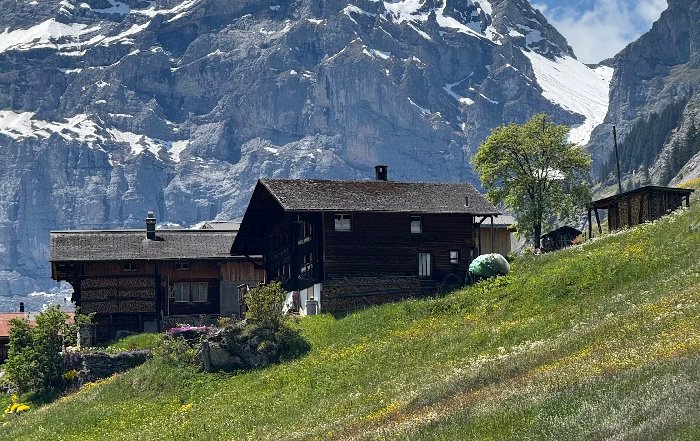
How Switzerland's Alps Inspire a Unique Fitness Mindset
The Alpine Mindset: Where Landscape Shapes Lifestyle
As global conversations around health, performance and sustainable living intensify, the Swiss Alps stand out not merely as a postcard-perfect destination but as a living laboratory for a distinctive fitness mindset that blends physical rigor, mental resilience and environmental respect. For readers of FitBuzzFeed, whose interests span sports, wellness, business, lifestyle and technology, the Alpine approach offers a compelling case study in how geography, culture and innovation can converge to reshape what fitness means in a fast-changing world. The mountains that define Switzerland are not just a backdrop for leisure; they are a daily training ground that subtly but powerfully influences how people move, work, eat and recover, and this influence reaches far beyond the country's borders into the wider ecosystems of global sport, wellness tourism and performance-driven business culture.
The Swiss Alps, stretching across much of the country and forming part of the broader European Alpine arc, present a demanding physical environment characterized by steep gradients, thin air at higher elevations, rapidly changing weather and long winters that require adaptable routines. This environment has shaped generations of residents, athletes and entrepreneurs who have learned to treat movement as an integral part of life rather than a separate activity. The Alpine mindset that emerges from this context is not about extreme achievement alone; it is about sustainable performance, long-term health and a deep respect for nature, ideas that resonate strongly with the holistic approach to fitness and wellbeing that FitBuzzFeed champions across its dedicated sections on fitness, health and wellness.
From Mountain Villages to Global Performance Hubs
Historically, life in many Swiss mountain villages demanded a baseline level of physical fitness simply to manage everyday tasks, from farming steep slopes to navigating snow-covered paths. Over time, as Switzerland evolved into one of the world's most advanced economies, that functional physicality did not disappear; instead, it was channeled into structured sports and recreation, helping the country become a global leader in disciplines such as alpine skiing, mountaineering, trail running and winter sports more broadly. Organizations like Swiss Olympic and the country's regional sports academies have capitalized on this cultural foundation, fostering talent that competes at the highest levels while maintaining strong ties to local communities and outdoor traditions. Those interested in the broader global sports context can explore how this compares with other nations' approaches by following international coverage on platforms such as World Athletics.
In parallel, Switzerland's commitment to infrastructure has turned many Alpine regions into year-round performance hubs. Resorts such as Zermatt, St. Moritz and Davos have invested heavily in multi-season facilities, from high-altitude running tracks and Nordic skiing trails to mountain biking networks and wellness centers, attracting elite athletes from the United States, Europe, Asia and beyond. High-performance teams from countries like Germany, Canada, Japan and Australia frequently choose Swiss locations for altitude training camps, leveraging the physiological benefits of training at elevation, which are well documented by institutions like the International Olympic Committee. For business leaders and professionals who follow FitBuzzFeed's sports and world coverage, the Alps exemplify how a region can convert natural assets into a strategic advantage in the global sports economy.
High Altitude, High Performance: The Science Behind the Alps
A defining component of the Alpine fitness mindset is the widespread familiarity with altitude training principles, even among recreational athletes. Training at moderate to high elevations, as found in many Swiss valleys and plateaus, stimulates the body to adapt by increasing red blood cell production and improving oxygen transport, adaptations that can enhance endurance performance when athletes return to lower altitudes. Scientific bodies such as the European College of Sport Science and research institutions like the Swiss Federal Institute of Sport Magglingen have contributed significantly to understanding how to leverage these adaptations safely and effectively, influencing training protocols used by professional teams and serious amateurs worldwide.
This scientific grounding has filtered into the broader culture, with many Swiss fitness centers, outdoor clubs and personal trainers incorporating altitude-aware periodization into their programs. While not everyone lives at 2,000 meters, the gradient between lowland cities such as Zurich and Geneva and mountain destinations like Verbier or Grindelwald allows residents and visitors to experiment with varying training loads and recovery strategies. Those seeking to deepen their understanding of altitude physiology and performance can explore resources from organizations such as the American College of Sports Medicine, which provide accessible overviews of how environmental stressors can be harnessed for health and performance gains. This integration of science and practice reflects the emphasis on expertise and evidence-based methods that defines the editorial approach of FitBuzzFeed's training and physical sections.
Everyday Movement: Incidental Fitness in Alpine Culture
What distinguishes the Swiss Alpine mindset from many urban-centric fitness cultures is the extent to which movement is woven into daily life. In mountain towns and even in many cities with easy access to the Alps, walking, cycling and using public transportation are deeply normalized behaviors, supported by the country's renowned infrastructure and planning. The Swiss Federal Office of Transport and organizations like Pro Velo Schweiz have long promoted active mobility, and international observers often cite Switzerland as a model for integrated transport systems that encourage walking and cycling, as documented by groups such as the World Resources Institute. For residents, this means that basic tasks such as commuting, shopping or visiting friends often involve meaningful amounts of low-intensity physical activity, which research increasingly shows is crucial for metabolic health and longevity.
This culture of incidental movement is complemented by a strong tradition of weekend and holiday excursions into the mountains, where hiking, cross-country skiing, climbing and trail running are seen as normal leisure activities rather than specialized sports reserved for the ultra-fit. Families from Geneva, Zurich, Basel or Lugano routinely plan trips that include multi-hour hikes or ski tours, and schools frequently organize outdoor education programs that introduce children to mountain safety, navigation and environmental stewardship. For readers of FitBuzzFeed who follow lifestyle and nutrition content, this integration of movement into everyday routines aligns with emerging global best practices that emphasize consistency and enjoyment over purely gym-based intensity.
Nutrition, Longevity and the Alpine Table
The Alpine fitness mindset is inseparable from the region's distinctive approach to food, which combines traditional mountain fare with modern nutritional science and a growing emphasis on sustainability. Historically, Swiss mountain communities relied on nutrient-dense, locally produced foods such as dairy, whole grains, root vegetables and preserved meats, which provided the energy needed for physically demanding work and cold climates. While contemporary diets have diversified significantly, many of these staples remain central, and the emphasis on quality ingredients and moderate portions has contributed to Switzerland's relatively favorable health indicators, which are regularly highlighted in analyses by organizations like the World Health Organization.
Modern Swiss nutrition culture increasingly incorporates global trends in sports science, plant-forward eating and functional foods, creating a hybrid model that appeals to both performance-driven athletes and health-conscious professionals. Elite skiers, trail runners and cyclists often work with sports dietitians who draw on research from institutions such as the Harvard T.H. Chan School of Public Health to balance macronutrients, support recovery and optimize body composition, while still respecting local culinary traditions. For FitBuzzFeed readers exploring evidence-based approaches to diet in the context of active lifestyles, the Swiss Alpine example reinforces the value of combining cultural heritage with up-to-date scientific insight, a theme echoed across the platform's health and wellness coverage.
Mental Resilience, Risk Management and Psychological Fitness
Life in the mountains demands a particular kind of psychological fitness that extends far beyond motivation or discipline in the gym. Navigating steep terrain, changing weather and potential hazards such as avalanches or rockfall requires risk assessment, situational awareness and calm decision-making under pressure. Swiss mountaineering and ski touring culture, shaped by organizations like the Swiss Alpine Club, has long emphasized structured training in mountain safety, route planning and emergency response, embedding a mindset of preparedness and respect for nature that influences how people think about challenge and resilience in other areas of life. Those interested in the broader psychological dimensions of outdoor adventure can explore insights from groups such as the American Psychological Association, which highlight the mental health benefits of nature-based activity.
This risk-aware mindset has clear parallels in business and leadership, particularly in sectors such as finance, technology and healthcare where Swiss companies are global players. Executives and entrepreneurs who engage in mountaineering, backcountry skiing or ultra-endurance events often report that these experiences sharpen their ability to manage uncertainty, maintain focus under stress and make critical decisions with incomplete information. For the global business audience of FitBuzzFeed, who regularly engage with the platform's business and news coverage, the Alpine model offers a tangible illustration of how physical pursuits can cultivate transferable cognitive and emotional skills that enhance performance in high-stakes professional environments.
Wellness Tourism and the Business of Alpine Health
Switzerland's Alpine fitness mindset has become a cornerstone of a thriving wellness tourism sector that attracts visitors from North America, Europe, Asia and the Middle East seeking structured programs that combine physical training, medical oversight and restorative experiences. High-end wellness resorts and medical spas in regions such as Valais, Graubünden and Bernese Oberland offer integrated packages that might include guided mountain hikes, altitude-adapted training plans, nutritional counseling, sleep optimization, stress management coaching and diagnostics such as VO2 max testing or metabolic profiling. Organizations like Clinique La Prairie and Bad Ragaz have become internationally recognized names in this space, drawing clients who are as interested in long-term healthspan as in short-term relaxation. To understand how this fits into global wellness trends, readers can refer to industry analyses by the Global Wellness Institute.
This convergence of health, hospitality and technology has also spurred innovation and job creation, reinforcing Switzerland's reputation as a premium destination for health-conscious travelers. The sector provides opportunities not only for medical professionals and fitness experts but also for technologists, data analysts and sustainability specialists who help design and operate these complex ecosystems. For professionals exploring career pathways at the intersection of fitness, health and business, FitBuzzFeed's jobs section frequently highlights roles and skills in demand across such emerging industries, underscoring how the Alpine model is influencing global employment trends in wellness and performance.
Technology, Data and the Quantified Mountain Athlete
In 2026, the Alpine fitness mindset is increasingly data-informed, as Swiss and international athletes embrace wearables, connected equipment and digital coaching platforms to optimize their training in demanding environments. Devices from companies like Garmin, Polar and Suunto are ubiquitous on mountain trails and ski slopes, tracking metrics such as altitude-adjusted heart rate, vertical gain, oxygen saturation and sleep quality. These data streams are analyzed by coaches, sports scientists and sometimes AI-driven platforms to refine training loads, prevent overtraining and personalize recovery protocols. Readers interested in the technological underpinnings of this transformation can explore broader trends in sports technology through outlets like MIT Technology Review.
Switzerland's strong ecosystem of universities, research institutes and startups has further accelerated this trend, with collaborations between organizations such as ETH Zurich, EPFL and sports technology companies leading to innovations in sensor design, biomechanics analysis and digital health platforms. These technologies are not limited to elite athletes; they are increasingly accessible to recreational mountain enthusiasts who use them to train for marathons, ski tours or multi-day hikes. FitBuzzFeed's technology coverage often highlights how such tools can be integrated into everyday fitness routines, while emphasizing the importance of data privacy, informed consent and human oversight in the use of health-related technologies.
Sustainability, Climate Change and Responsible Alpine Fitness
Any modern discussion of the Alps and fitness must address the profound impact of climate change on mountain environments and the corresponding shift toward more sustainable practices. Glacial retreat, shorter snow seasons and increased risk of rockfall and landslides are reshaping the landscape, forcing both residents and visitors to reconsider how they interact with these fragile ecosystems. Organizations like the Swiss Federal Office for the Environment and international bodies such as the Intergovernmental Panel on Climate Change have documented these changes extensively, underscoring the urgency of reducing environmental footprints while maintaining access to outdoor recreation. For the global audience of FitBuzzFeed, which follows environmental and social developments through the platform's world reporting, this represents a critical intersection of fitness, ethics and long-term viability.
In response, many Swiss resorts, outdoor brands and local authorities are implementing measures to promote low-impact activities, sustainable transport and responsible tourism. Efforts include expanding public transit access to mountain regions, promoting human-powered sports such as hiking and ski touring over mechanized activities, and encouraging visitors to adopt Leave No Trace principles. International organizations like the International Union for Conservation of Nature provide frameworks and best practices that guide these initiatives. For business leaders and brand strategists who follow FitBuzzFeed's brands content, the Alpine context offers a practical example of how companies can align performance-oriented products and services with robust environmental commitments, enhancing both credibility and long-term competitiveness.
Lessons for Urban and Global Fitness Cultures
While not everyone can live near the Swiss Alps, the mindset that has emerged from this environment offers valuable lessons for individuals and organizations across North America, Europe, Asia, Africa and South America. At its core, the Alpine fitness philosophy emphasizes integration, where movement is embedded into daily routines, nutrition is rooted in both culture and science, mental resilience is cultivated through real-world challenges and technology is used to support, rather than dominate, human experience. Urban planners, corporate wellness leaders and policymakers can draw inspiration from Swiss models of active transportation, green space design and public health initiatives, many of which are highlighted in reports by entities such as the World Economic Forum.
For individuals in cities from New York and London to Singapore and São Paulo, adopting elements of the Alpine mindset might involve prioritizing active commuting, seeking out local parks or trails, incorporating regular low-intensity movement alongside structured training, and cultivating a deeper connection to nearby natural environments. It can also mean approaching fitness as a long-term, holistic project that balances performance goals with recovery, mental health and environmental stewardship. FitBuzzFeed, through its integrated coverage of fitness, wellness, events and sports, aims to translate these principles into practical insights and strategies that readers can adapt to their own contexts, regardless of geography.
The Future of Alpine-Inspired Fitness
Looking ahead, the influence of Switzerland's Alps on global fitness culture is likely to deepen as more people seek experiences and frameworks that combine authenticity, scientific rigor and sustainability. Advances in remote coaching, virtual reality and digital communities will make it easier for individuals worldwide to access Alpine-inspired training plans, educational content and even simulated high-altitude environments, while ongoing research into environmental physiology, mental resilience and integrative health will continue to refine best practices. At the same time, the pressures of climate change and overtourism will require careful stewardship to ensure that the mountains remain both accessible and protected, a balance that Swiss policymakers, businesses and communities are actively working to achieve, often in dialogue with international bodies like the United Nations Environment Programme.
For FitBuzzFeed and its global community of subscribers and visiting readers, the Alpine fitness mindset offers more than a travel aspiration; it represents a blueprint for a more integrated, evidence-based and responsible approach to health and performance. By learning from the way Swiss residents, athletes and organizations have harnessed their unique environment-while respecting its limits-individuals and businesses from the United States to South Africa, from the United Kingdom to Japan, can reimagine fitness not as a narrow pursuit of physical perfection but as a multidimensional practice that supports longevity, resilience, community and planetary health. As the world navigates the complex challenges of the mid-2020s, the enduring presence of the Alps serves as a reminder that the most powerful fitness philosophies are those that align human ambition with the rhythms and realities of the natural world, a perspective that will continue to shape the editorial vision and practical guidance offered across the full spectrum of FitBuzzFeed's content.