

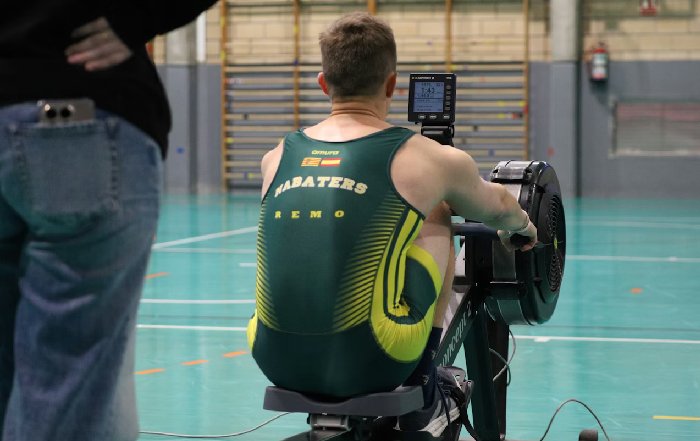
Inside the Hybrid Gym: Where Virtual Meets In-Person Training
The Hybrid Gym Arrives: A New Center of Gravity for Fitness
By 2026, the global fitness industry has moved decisively beyond the emergency improvisations of the pandemic era and into a structured, technology-enabled model in which digital and physical training are no longer seen as competing channels but as complementary dimensions of the same experience. The "hybrid gym" has emerged as the organizing concept for this evolution, bringing together in-person coaching, data-rich digital platforms, and on-demand content into a single, integrated ecosystem that can flex to the needs of members in the United States, United Kingdom, Germany, Canada, Australia, France, and across rapidly growing markets in Asia, Africa, and South America. For the audience of FitBuzzFeed and its readers across fitness, health, sports, and lifestyle, this shift is not merely about convenience; it is about redefining what training, coaching, and performance mean in a world where physical presence is optional but human connection and trust remain essential.
The hybrid gym is best understood as a platform rather than a place, even though physical locations remain central to its value proposition. It combines the social energy and accountability of traditional gyms with the personalization, flexibility, and data-driven insights of digital fitness, drawing on advances in wearables, computer vision, artificial intelligence, and connected equipment. Organizations such as Peloton, Equinox, Planet Fitness, and Les Mills have each pursued their own interpretations of this model, while technology leaders like Apple, Google, and Samsung have integrated health and fitness more deeply into their ecosystems, giving consumers the ability to synchronize workouts, biometrics, and recovery metrics across devices and platforms. Readers can explore how connected fitness devices are reshaping training norms by reviewing current research on digital health and wearables from the World Health Organization.
From Emergency Streaming to Engineered Hybrid Experiences
The early wave of virtual training that surged in 2020 and 2021 was characterized by rapid improvisation, with many coaches and gyms adapting overnight to platforms such as Zoom, YouTube, and Instagram Live. By 2026, however, the leading operators in North America, Europe, and Asia-Pacific have moved beyond stopgap solutions to build carefully engineered hybrid experiences that are designed from the ground up around member journeys, data flows, and business outcomes. A hybrid gym today might operate a flagship physical facility in New York, London, or Singapore, while simultaneously serving thousands of remote members in Brazil, South Africa, Japan, and New Zealand through a combination of live-streamed classes, app-based coaching, and on-demand content libraries.
This shift has been driven in part by changing consumer expectations. Members now expect frictionless transitions between in-person and virtual training, with consistent programming, unified progress tracking, and the ability to access high-quality coaching whether they are in a studio, at home, in a hotel, or traveling for work. To understand the scale of this behavioral shift, business leaders can review global fitness participation trends from sources such as the International Health, Racquet & Sportsclub Association and its analyses of health club performance and consumer behavior. For FitBuzzFeed, whose coverage spans business, technology, and wellness, the hybrid gym is a focal point where these domains intersect, illustrating how digital transformation is reshaping one of the world's most personal and habit-driven industries.
Technology as the Backbone: Data, Devices, and Platforms
The hybrid gym is powered by an increasingly dense web of technologies that extend far beyond simple video streaming. At the member level, smartwatches, heart-rate monitors, sleep trackers, and connected cardio machines feed continuous data into platforms such as Apple Health, Google Fit, Garmin Connect, and WHOOP, enabling trainers and algorithms to adjust programming in near real time. At the facility level, access control, occupancy sensors, and connected strength machines provide operators with granular insight into usage patterns, enabling them to optimize class schedules, staffing, and equipment investments. Those interested in how digital tools are being used to promote physical activity can explore the Centers for Disease Control and Prevention overview of physical activity and technology-enabled programs.
On the software side, hybrid gyms increasingly rely on integrated platforms that combine member management, scheduling, payment processing, content hosting, and analytics. Companies like Mindbody, Virtuagym, and Trainerize have become critical infrastructure providers for boutique studios and large chains alike, allowing them to deliver a consistent experience across physical and digital touchpoints. Artificial intelligence plays a growing role in this ecosystem, from personalized workout recommendations and adaptive training plans to automated check-ins, churn prediction, and dynamic pricing. For a deeper understanding of how AI is reshaping services industries, executives can review insights from the McKinsey Global Institute on AI adoption and productivity impacts.
At the same time, hybrid gyms must navigate complex issues of data privacy, security, and consent. With sensitive health and biometric information flowing through multiple systems, operators must comply with regulatory frameworks such as the General Data Protection Regulation in Europe and the Health Insurance Portability and Accountability Act in the United States, while also meeting rising consumer expectations for transparency and control. Guidance from regulators such as the European Commission on data protection and digital services has become essential reading for fitness entrepreneurs and technology partners seeking to maintain trust in this increasingly data-intensive environment.
Reimagining the Member Journey: From Onboarding to Long-Term Engagement
In a hybrid gym context, the member journey is no longer defined primarily by the physical facility. Instead, it begins the moment a prospective member first encounters the brand online, perhaps through social media, a referral, or coverage on platforms like FitBuzzFeed's news hub, and continues through a series of digital and in-person interactions that must feel coherent, personalized, and trustworthy. Onboarding often starts with a virtual consultation, during which a coach or an intelligent questionnaire gathers information about goals, health history, constraints, and preferences. This may be supplemented with data imported from wearables or previous training apps, allowing for a more comprehensive baseline assessment.
Once a member joins, the hybrid gym's task is to orchestrate a mix of in-person sessions, live virtual classes, and on-demand content that fits the member's lifestyle and keeps them progressing. For some, the physical facility is the anchor, with virtual sessions filling gaps during travel or busy weeks. For others, especially those in regions without easy access to high-quality gyms, the virtual experience is primary, with occasional visits to partner facilities or pop-up events in cities such as Berlin, Toronto, Sydney, or Bangkok. Organizations like Les Mills have pioneered such distributed models, combining local studio experiences with global streaming platforms that allow members to train anywhere while maintaining a sense of community. To explore how exercise adherence and engagement are influenced by flexible program design, readers can consult studies from the American College of Sports Medicine on exercise prescription and participation.
Retention in a hybrid environment depends heavily on the perceived quality and consistency of coaching, the usefulness of feedback, and the ability to see tangible progress. Leading operators invest in structured progress reviews, combining objective metrics such as strength gains, performance benchmarks, and body composition with subjective indicators like energy levels, mood, and perceived recovery. For FitBuzzFeed's community, which often tracks nutrition, sleep, and recovery as closely as workout metrics, integrating content from nutrition, wellness, and training verticals into the gym's digital experience can deepen engagement and extend the relationship beyond the walls of the facility.
Coaches at the Center: Human Expertise in a Digital Framework
Despite the proliferation of apps and algorithms, the hybrid gym model remains fundamentally human-centered. Coaches are the linchpin of trust, accountability, and personalization, and their role has expanded rather than diminished in the digital era. Instead of simply leading classes or supervising floor workouts, trainers in hybrid gyms must be adept at delivering high-quality experiences across multiple channels, including live video, asynchronous messaging, and content creation. They are expected to interpret data from wearables and connected equipment, adjust programs based on remote feedback, and maintain strong relationships with clients they may see in person only occasionally.
This expanded scope demands new skills and credentials. Many operators now require or encourage trainers to obtain certifications not only in exercise science and strength and conditioning, but also in behavior change coaching, remote communication, and digital content production. Organizations such as the National Academy of Sports Medicine and the American Council on Exercise have developed specialized courses on virtual coaching and hybrid programming, reflecting the industry's recognition that expertise must evolve alongside technology. For FitBuzzFeed's audience in Singapore, South Korea, Japan, and Scandinavia, where digital literacy is high and expectations for polished remote experiences are particularly strong, these expanded competencies are becoming a competitive differentiator for both individual coaches and brands.
At the same time, hybrid gyms must address the risk of coach burnout and fragmentation. Constant connectivity, the pressure to produce content, and the blurring of boundaries between work and personal time can strain even highly motivated professionals. Leading operators are responding by setting clear communication protocols, investing in tools that automate routine tasks, and creating pathways for career development that recognize excellence in both in-person and digital coaching. Insights from the Harvard Business Review on managing hybrid workforces and employee well-being offer valuable parallels for fitness leaders designing sustainable roles for their teams.
Business Models, Revenue Streams, and Brand Strategy
From a business perspective, the hybrid gym represents both an opportunity and a challenge. On one hand, the ability to serve members beyond the immediate catchment area of a physical facility opens up new revenue streams and more resilient membership bases, reducing dependence on local foot traffic and seasonality. On the other hand, the economics of content production, platform licensing, and technology infrastructure can be complex, and the competitive landscape now includes global digital players as well as local gyms and studios. For executives and investors, understanding these dynamics is crucial to building sustainable models in North America, Europe, and high-growth markets such as India, China, and Southeast Asia.
Many hybrid gyms now operate on tiered membership structures that combine access to physical locations with varying levels of digital services. A basic tier might include facility access and a limited library of on-demand workouts, while premium tiers offer personalized programming, regular one-on-one coaching, advanced analytics, and exclusive events. Some operators have launched corporate wellness partnerships, providing hybrid memberships to employees of large organizations as part of broader health and productivity initiatives. The World Economic Forum has highlighted the business case for such programs in its coverage of workplace wellness and productivity, noting the growing alignment between employee well-being, talent retention, and organizational performance.
Brand strategy is central to success in this environment. Hybrid gyms must articulate a clear value proposition that resonates across channels and markets, whether they position themselves as performance-focused training hubs, holistic wellness communities, or lifestyle brands. For FitBuzzFeed, whose brands and world sections chronicle how fitness concepts travel and adapt across cultures, the hybrid gym offers a lens into how local preferences intersect with global trends. In Italy and Spain, for example, social and experiential elements may be emphasized, while in Sweden, Norway, and Finland, data-driven performance and outdoor integration might be more prominent. Successful brands are those that can maintain a consistent core identity while allowing for regional tailoring and personalization at the member level.
Health, Safety, and Regulatory Considerations in a Blended Environment
Operating at the intersection of physical and digital health services brings a unique set of regulatory and safety considerations. Hybrid gyms must ensure that both in-person and virtual programming meet appropriate standards for risk management, accessibility, and inclusivity. In the physical environment, this includes traditional concerns such as equipment maintenance, emergency preparedness, and staff training in first aid. In the digital environment, it extends to clear disclaimers, pre-participation screening, and the design of workouts that are safe for unsupervised execution in varied home or outdoor settings.
Public health agencies such as the National Health Service in the United Kingdom have issued guidance on safe physical activity and remote exercise, which hybrid gyms can adapt into their onboarding and educational materials. In Canada, Australia, and New Zealand, similar frameworks emphasize the importance of gradual progression, proper warm-up and cool-down, and recognition of warning signs that should prompt medical consultation. For FitBuzzFeed's health-conscious readership, the credibility of a hybrid gym is closely tied to its adherence to such guidelines and its ability to communicate them clearly within apps, websites, and live sessions.
Accessibility is another critical dimension. Hybrid models have the potential to expand access to high-quality coaching for individuals in rural areas, those with mobility limitations, or those who face cultural or psychological barriers to attending traditional gyms. However, this potential can only be realized if platforms are designed with inclusivity in mind, including considerations for language, visual and hearing impairments, and varying levels of digital literacy. The World Health Organization has underscored these issues in its resources on inclusive digital health solutions, highlighting best practices that forward-thinking fitness organizations are beginning to adopt.
The Member's Daily Reality: Training, Nutrition, and Recovery in a Hybrid World
For the individual member, the hybrid gym is experienced not as an abstract concept but as a daily sequence of decisions and interactions: whether to attend a strength class at the club or follow a guided workout at home, how to adjust training after a poor night's sleep, and where to turn for reliable advice on nutrition, recovery, and injury prevention. The most effective hybrid gyms recognize that training does not exist in isolation; it is embedded in broader patterns of work, family life, stress, and health behaviors. Consequently, many have begun to integrate holistic services such as nutrition coaching, mental well-being resources, and sleep optimization into their offerings, either directly or through partnerships.
Readers who already rely on FitBuzzFeed's coverage of nutrition, wellness, and physical performance will recognize the importance of aligning training with fueling and recovery. Hybrid gyms are increasingly drawing on evidence-based guidelines from institutions such as the Academy of Nutrition and Dietetics, which provides extensive resources on sports nutrition and performance, to inform their programming and content. In South Korea, Japan, and Singapore, where tech-savvy consumers often track macros, heart rate variability, and sleep stages with equal rigor, the ability of a hybrid gym to synthesize this information into coherent, actionable guidance has become a key differentiator.
Recovery, once an afterthought in many training programs, has moved to the forefront in hybrid models. With continuous data streams from wearables and connected devices, gyms can more accurately gauge when members are under-recovered and adjust programming accordingly, reducing injury risk and improving long-term adherence. Resources from organizations like the National Institutes of Health on sleep and recovery science are increasingly referenced in member education materials, reflecting a broader shift toward sustainable, health-first approaches to performance. For FitBuzzFeed's readers in high-pressure work environments across New York, London, Zurich, Hong Kong, and Dubai, this integration of performance and well-being is particularly relevant.
Global Convergence and Local Nuance: Hybrid Gyms Around the World
While the core principles of hybrid training are global, their implementation varies significantly by region, shaped by cultural norms, infrastructure, and regulatory environments. In the United States and Canada, large chains have leveraged extensive physical networks to layer on digital services, while boutique studios in cities like Los Angeles, Toronto, and Austin have built loyal communities that blend in-person experiences with highly personalized virtual coaching. In Europe, markets such as Germany, Netherlands, Switzerland, and the Nordics have seen strong adoption of technology-enabled fitness, supported by high broadband penetration and a cultural emphasis on outdoor activity that lends itself to hybrid programming combining gym sessions with running, cycling, and hiking.
In Asia, hybrid models have evolved rapidly, with countries like China, Singapore, Thailand, and South Korea embracing mobile-first platforms, social commerce, and influencer-led programming. Super-apps and integrated payment systems have made it easier for consumers to discover, book, and pay for both physical and virtual classes, while local brands have experimented with gamification and social leaderboards to drive engagement. Observers can learn more about how digital ecosystems are shaping consumer behavior across Asia by reviewing analyses from the OECD on digital transformation and regional trends. For FitBuzzFeed, whose world and events coverage tracks conferences, expos, and competitions across continents, these regional variations offer rich insights into how hybrid gyms might continue to evolve.
In Africa and South America, where infrastructure and economic constraints can be more pronounced, hybrid models are emerging in creative ways. Some operators focus on low-cost digital memberships supplemented by pop-up training events, while others partner with employers, community centers, or sports clubs to provide shared access to facilities and connectivity. As mobile internet access continues to expand, particularly in countries like South Africa and Brazil, hybrid gyms are positioned to play a role not only in personal fitness but also in broader public health initiatives. Collaboration with public agencies and non-profits, guided by resources from organizations like the World Bank on health, nutrition, and population, can help align commercial models with societal goals.
Looking Ahead: Strategic Imperatives for the Hybrid Era
As 2026 unfolds, the hybrid gym is no longer an experimental concept but a structural reality that will define the fitness landscape for the next decade. For operators, investors, and professionals seeking to build durable advantage in this environment, several strategic imperatives stand out. First, there is a need to invest in robust, interoperable technology infrastructure that can scale across channels and geographies while maintaining data integrity and user experience quality. Second, organizations must prioritize the development of human capital, equipping coaches and staff with the skills, tools, and support needed to thrive in hybrid roles. Third, brands must cultivate trust through transparency on data use, safety, and evidence-based programming, recognizing that long-term relationships depend on perceived integrity as much as on convenience or novelty.
For the FitBuzzFeed community, which straddles business, jobs, technology, and the lived realities of training, nutrition, and recovery, the hybrid gym represents both an opportunity and a responsibility. It offers unprecedented flexibility, personalization, and access, but it also demands discernment in choosing partners, evaluating claims, and aligning digital tools with real-world goals and constraints. As new innovations emerge-from advanced motion tracking and virtual reality environments to deeper integration with healthcare systems-the core question will remain the same: does this hybrid ecosystem genuinely enhance human health, performance, and well-being, or does it merely add complexity?
By anchoring innovation in evidence, centering human expertise, and maintaining a relentless focus on member outcomes, the most forward-looking hybrid gyms can help shape a future in which technology amplifies, rather than replaces, the relationships and experiences that make training meaningful. For readers of FitBuzzFeed, whether they are athletes, executives, entrepreneurs, or enthusiasts across Global markets, understanding the dynamics inside the hybrid gym is an essential step toward navigating, and helping to shape, this next chapter in the evolution of fitness.