

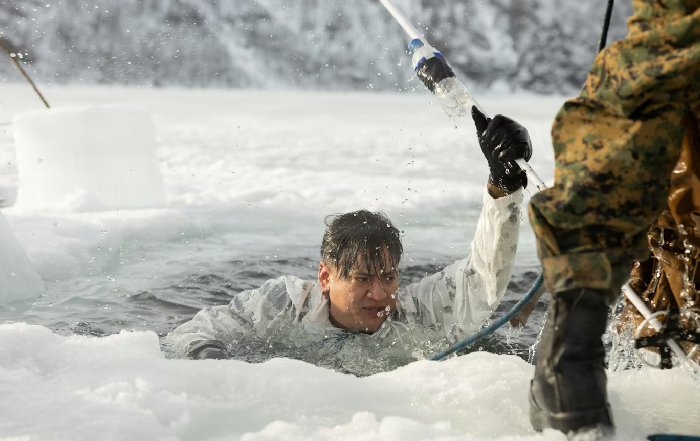
The Unexpected Health Benefits of Cold Plunging
Cold plunging, once a niche practice reserved for elite athletes and extreme wellness enthusiasts, has changed into a mainstream health, performance, and lifestyle intervention that is reshaping how individuals and organizations think about physical resilience, mental fitness, and sustainable productivity. For the global audience of FitBuzzFeed-spanning professionals in United States, United Kingdom, Germany, Canada, Australia, and across Europe, Asia, Africa, and the Americas-cold exposure is no longer just a social media trend; it is becoming a structured, evidence-informed tool integrated into training programs, corporate wellness strategies, and personal health routines. As more people explore the intersection of performance, longevity, and mental health, the unexpected benefits of cold plunging are being re-examined through the lenses of science, business, and lifestyle design.
From Ancient Ritual to Modern Performance Tool
The concept of immersing the body in cold water is not new; historical records from Ancient Greece, Scandinavia, and Japan describe ritualistic and therapeutic use of cold water, often combined with heat exposure such as saunas or hot springs. What distinguishes the current wave of interest in cold plunging is the convergence of modern sports science, digital health tracking, and global wellness culture, which has transformed a traditional practice into a measurable performance intervention. Organizations like Harvard Medical School and Mayo Clinic now host accessible resources explaining the physiological effects of cold exposure, while platforms such as Harvard Health and Mayo Clinic provide context on circulation, inflammation, and immune response, helping to demystify what was once seen as purely anecdotal.
For the FitBuzzFeed audience, which follows developments in fitness and training and the evolving science of health and wellness, this historical-to-modern transition highlights a broader pattern: practices rooted in tradition are being refined by data, wearables, and peer-reviewed research, enabling individuals from New York to Berlin, Sydney, Tokyo, and Cape Town to adopt cold plunging in a way that is safer, more targeted, and better aligned with personal goals.
Physiological Mechanisms: What Happens When the Body Meets the Cold
When a person steps into cold water-whether a 10°C plunge pool in London, a mountain lake in Switzerland, or a cryotherapy-inspired tub in Singapore-the body initiates a complex series of responses designed to preserve core temperature and protect vital organs. Cold receptors in the skin send rapid signals to the brain, triggering vasoconstriction, elevated heart rate, and an intense activation of the sympathetic nervous system. This acute stress response, when managed and time-limited, appears to confer a range of benefits that extend beyond the immediate feeling of shock.
Research summarized by institutions such as Cleveland Clinic and Johns Hopkins Medicine has explored how cold exposure influences circulation, metabolic rate, and inflammatory pathways, with resources like Cleveland Clinic's health library offering accessible overviews on circulation and recovery. At the same time, the National Institutes of Health and databases such as PubMed have catalogued studies examining cold-induced thermogenesis, brown adipose tissue activation, and changes in inflammatory markers, building a scientific foundation that explains why athletes, executives, and wellness professionals are willing to endure minutes of intense discomfort for potential long-term gains.
Cold Plunging and Athletic Recovery
In the world of sports and performance, cold plunging has become a structured recovery strategy used by professional teams, Olympic programs, and high-performance centers from Los Angeles to Munich and Seoul. Organizations such as World Athletics and the International Olympic Committee have highlighted the role of recovery in performance longevity, and although the scientific community continues to debate the optimal protocols, the practical use of cold-water immersion is now deeply embedded in elite training environments. Readers following sports coverage on FitBuzzFeed will recognize how frequently cold tubs appear in behind-the-scenes footage from clubs in the English Premier League, NBA, and Bundesliga.
Cold plunging appears to reduce perceived muscle soreness and may help manage inflammation after intense training or competition, especially when applied within a structured period post-exercise. Resources such as World Athletics' performance insights and the Australian Institute of Sport provide guidance on recovery modalities, including cold-water immersion, contrast therapy, and compression. While some studies suggest that chronic use of cold plunges immediately after strength training might blunt certain hypertrophy adaptations, many coaches now use a periodized approach, reserving cold exposure for high-intensity competition phases, congested fixture schedules, or endurance-focused blocks, rather than every session. This nuanced application reflects a more mature understanding of how to integrate cold plunging into broader training strategies without compromising long-term development.
Mental Health, Stress Resilience, and Cognitive Performance
Perhaps the most unexpected and compelling benefits of cold plunging reported in the last few years relate to mental health, stress resilience, and cognitive function. The intense but controlled stress of cold exposure appears to activate neurochemical pathways associated with alertness, mood regulation, and focus. Research and commentary from institutions such as Stanford University School of Medicine, communicated through resources like Stanford Medicine's health information, have discussed how cold exposure influences neurotransmitters including norepinephrine and dopamine, which are linked to attention, motivation, and a sense of well-being.
Professionals working in high-pressure sectors in New York, London, Frankfurt, Toronto, Singapore, and Tokyo are experimenting with early-morning cold plunges as an alternative or complement to caffeine, reporting heightened clarity and a more stable mood throughout the day. Platforms like Mind in the United Kingdom and National Alliance on Mental Illness in the United States, while not prescribing cold plunging as a treatment, have emphasized the value of structured, intentional practices that help individuals regulate stress and build resilience. For the FitBuzzFeed community interested in wellness and lifestyle, cold plunging is increasingly being framed as a mental fitness tool, akin to meditation or breathwork, with the added benefit of a powerful physiological wake-up signal.
Immune Function, Metabolism, and Long-Term Health
The potential influence of cold plunging on immune function and metabolic health has drawn significant attention from health-conscious professionals and longevity-focused entrepreneurs. While research is still evolving, some studies indicate that regular cold exposure can modestly enhance certain aspects of immune activity and may support metabolic flexibility through brown fat activation and increased energy expenditure. Resources such as World Health Organization and Centers for Disease Control and Prevention provide broad context on immune health and chronic disease risk, while more specialized content from NIH and European Society of Cardiology explores cardiovascular and metabolic adaptations to environmental stressors.
For individuals tracking biomarkers via wearables and digital health platforms, cold plunging is being evaluated alongside nutrition, sleep, and exercise as a lever for improving insulin sensitivity, body composition, and cardiovascular resilience. The intersection between cold exposure and metabolic health is particularly relevant for readers following nutrition insights and physical performance content on FitBuzzFeed, where the emphasis is increasingly on integrated protocols rather than isolated hacks. Although cold plunging is not a substitute for evidence-based medical care, it is being investigated as a supportive tool within comprehensive strategies for managing weight, stress-related conditions, and systemic inflammation.
Global Adoption: Regional Trends and Cultural Nuances
By 2026, cold plunging has developed distinct regional identities, reflecting climate, culture, and infrastructure. In Scandinavia, including Sweden, Norway, Finland, and Denmark, winter swimming and alternating between saunas and ice baths have long been part of local traditions, with organizations like Visit Finland and Visit Norway promoting the practice as part of cultural and wellness tourism, as seen in resources such as Visit Finland's sauna culture pages. In Japan, cold exposure connects to Shinto purification rituals and mountain training traditions, while in South Korea and China, modern wellness centers have integrated cold pools into spa and jjimjilbang environments.
In North America, United Kingdom, Germany, France, Italy, Spain, Netherlands, Switzerland, Canada, Australia, New Zealand, Brazil, South Africa, Malaysia, Thailand, and Singapore, cold plunging has evolved through boutique studios, biohacking communities, and performance labs. Major cities like Los Angeles, London, Berlin, Amsterdam, Toronto, Vancouver, Sydney, and Melbourne host specialized facilities offering guided cold immersion sessions combined with breathwork and mindfulness coaching, often marketed to busy professionals seeking efficient, high-impact interventions. Coverage from outlets such as BBC Future and The New York Times Well section has helped normalize the practice, while raising important questions about safety, accessibility, and evidence quality.
For FitBuzzFeed, which serves a truly world-focused readership, these regional nuances underscore that cold plunging is not a monolithic trend but a flexible practice that can be adapted to local environments, cultural norms, and personal preferences, whether that means lake plunges in Norway, urban plunge studios in New York, or home tubs in Singapore high-rise apartments.
Business, Brands, and the Cold Economy
The rapid commercialization of cold plunging has created a new segment within the global wellness and performance industry, giving rise to hardware manufacturers, digital platforms, and specialized service providers. Companies producing insulated plunge tubs, smart cooling systems, and portable ice baths have attracted investment from venture capital firms and strategic investors in United States, Europe, and Asia, while established wellness brands in Germany, Canada, and Australia have added cold immersion experiences to their offerings. For readers following business developments on FitBuzzFeed, the "cold economy" provides a case study in how niche health practices can scale into global markets when supported by compelling narratives, influencer advocacy, and emerging science.
Organizations like McKinsey & Company and Deloitte have published analyses on the growth of the wellness sector, noting how recovery, mental health, and performance optimization are driving consumer demand, with resources such as McKinsey's wellness reports outlining market trajectories. At the same time, regulatory bodies and consumer protection agencies in United States, United Kingdom, European Union, and Asia-Pacific are scrutinizing health claims and safety standards for plunge devices and cryotherapy centers. For brands featured on FitBuzzFeed's brands section, credibility increasingly depends on transparent communication, clinical partnerships, and responsible positioning of cold plunging as one component of a comprehensive health strategy rather than a miracle solution.
Workplace Wellness, Jobs, and Organizational Performance
Cold plunging is also influencing workplace wellness strategies and job design, especially in sectors where cognitive performance, emotional regulation, and resilience under pressure are critical. In technology hubs such as Silicon Valley, London's Tech City, Berlin, Toronto, Singapore, and Seoul, some organizations have begun to integrate cold exposure into broader wellness programs that include mindfulness, physical training, and flexible work policies. For HR leaders and executives following jobs and workplace content on FitBuzzFeed, cold plunging represents both an opportunity and a responsibility: it can be a powerful tool for stress management and team cohesion when offered voluntarily and supported by proper education, but it must not become a coercive performance expectation or a superficial perk that distracts from more fundamental issues such as workload, psychological safety, and fair compensation.
Thought leadership from organizations like World Economic Forum and Chartered Institute of Personnel and Development has emphasized the importance of holistic well-being strategies to future-of-work resilience, with resources such as World Economic Forum's future of jobs reports highlighting mental health and human sustainability as strategic priorities. In this context, cold plunging is best understood as a targeted intervention that can support focus, stress tolerance, and recovery, particularly for knowledge workers, entrepreneurs, and leaders operating in volatile markets, but it should be integrated thoughtfully into broader well-being frameworks rather than implemented in isolation.
Technology, Data, and Personalized Protocols
The intersection of cold plunging and technology is reshaping how individuals design, monitor, and refine their exposure protocols. Wearables from organizations such as Apple, Garmin, Whoop, and Oura enable real-time tracking of heart rate variability, sleep quality, and recovery indices, allowing users to observe how cold plunging influences their physiology over days and weeks. Platforms like Apple's health resources and Garmin's training insights provide frameworks for interpreting these signals, while independent researchers and coaches share best practices for timing, duration, and frequency.
For the tech-savvy audience engaging with FitBuzzFeed's technology coverage, the appeal of cold plunging lies not only in its visceral experience but also in its measurability. Individuals can experiment with morning versus evening plunges, pre- or post-exercise immersion, and varying temperatures, then correlate these choices with sleep metrics, cognitive performance, or training outcomes. Over time, this data-driven approach may help differentiate between individuals who thrive on frequent cold exposure and those for whom a more conservative protocol is advisable, reinforcing the broader shift toward personalized health strategies.
Safety, Contraindications, and Responsible Practice
Despite its growing popularity and the promising benefits documented in emerging research, cold plunging is not risk-free, and a responsible, evidence-informed approach is essential, especially for readers committed to sustainable performance and long-term health. Sudden cold exposure can stress the cardiovascular system, potentially triggering arrhythmias or cardiovascular events in susceptible individuals, and may pose risks for people with uncontrolled hypertension, certain heart conditions, or respiratory issues. Reputable medical organizations such as American Heart Association and NHS in the United Kingdom emphasize the importance of gradual acclimatization, medical consultation for those with known conditions, and avoiding breath-holding or hyperventilation practices that could lead to loss of consciousness, as explained in public resources like American Heart Association's heart health pages and NHS health advice.
For the FitBuzzFeed community, which values comprehensive health information and balanced reporting, it is critical to recognize that cold plunging should complement, not replace, foundational health behaviors such as adequate sleep, regular exercise, high-quality nutrition, and appropriate medical care. Beginners are generally advised to start with shorter durations, moderate temperatures, and supervised settings where possible, while avoiding alcohol, extreme fatigue, or open water conditions that could increase risk. As with any powerful intervention, the goal is to harness the benefits without courting unnecessary harm, especially in regions with cold climates such as Scandinavia, Canada, Northern United States, and parts of Europe, where natural water temperatures can be dangerously low.
Integrating Cold Plunging into a Holistic FitBuzzFeed Lifestyle
For readers of FitBuzzFeed who are navigating the interconnected worlds of fitness, lifestyle, wellness, and news on emerging health trends, cold plunging offers a compelling example of how a single practice can touch multiple dimensions of modern life. It intersects with sports performance, mental clarity, metabolic health, corporate culture, technological innovation, and even travel and events, as retreats and workshops across Europe, Asia, North America, and South America feature guided cold immersion as a central experience.
The most forward-thinking individuals and organizations are approaching cold plunging not as a fad but as a tool to be evaluated, personalized, and integrated into broader systems of physical and psychological resilience. High-performance athletes in Germany, Japan, and United States use it to manage recovery; entrepreneurs in London, Singapore, and Toronto leverage it to sharpen focus; wellness seekers in Norway, New Zealand, and Brazil incorporate it into routines that also prioritize sleep, movement, and nutrition. Across these diverse contexts, the underlying mindset is consistent: the cold is a deliberate stressor that, when respected and applied judiciously, can help build capacity for a world that is increasingly demanding, fast-paced, and uncertain.
As FitBuzzFeed continues to cover the evolution of cold plunging across sports, business, technology, and global culture, one theme stands out: the unexpected benefits of stepping into the cold are not only physiological but deeply psychological and social. They remind individuals and organizations that growth often lies just beyond the edge of comfort, that resilience can be trained, and that in a time of digital overload and chronic stress, a few minutes of focused, intentional discomfort may be one of the most powerful investments in long-term health, performance, and human potential.