

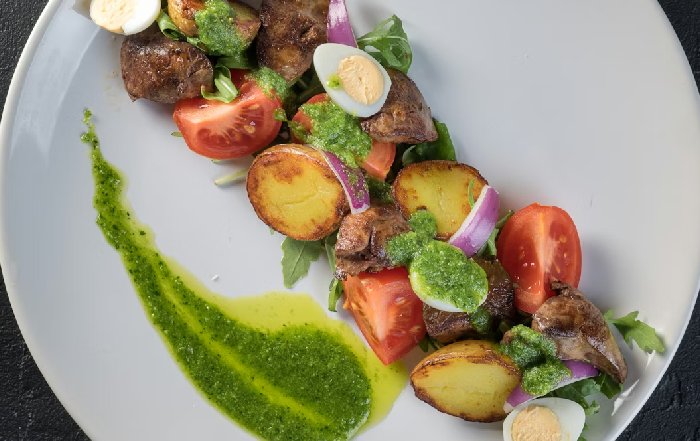
How Italy's Culinary Traditions Support an Active Lifestyle
The Italian Paradox: Pasta, Pleasure, and Performance
Observers of global health trends are often struck by what many still call the "Italian paradox": in a country celebrated for pasta, bread, cheese, and wine, population health indicators remain comparatively strong, and rates of obesity and metabolic disease are lower than in many industrialized nations with far more restrictive food cultures. For readers of FitBuzzFeed, whose interests span performance, wellness, and sustainable lifestyle design, Italy offers a compelling real-world model of how culinary traditions can underpin an active, high-performing life without sacrificing pleasure or social connection.
While headlines in United States, United Kingdom, and other major markets still tend to frame nutrition in terms of rigid rules and short-lived fads, Italy's food culture continues to be grounded in the Mediterranean diet, a pattern that global health authorities consistently rank among the world's healthiest. Organizations such as the World Health Organization highlight Mediterranean-style eating as a cornerstone of noncommunicable disease prevention, and long-term cohort studies published through resources like Harvard T.H. Chan School of Public Health continue to associate it with lower cardiovascular risk and improved longevity. Yet what makes Italy particularly instructive for active professionals and athletes is not merely what Italians eat, but how they integrate food with movement, community, and daily rhythm.
The Mediterranean Blueprint: Nutritional Foundations for Movement
At the core of Italy's culinary identity is a pattern of eating that aligns remarkably well with evidence-based sports and performance nutrition. Italian meals are typically built around vegetables, legumes, whole grains, extra-virgin olive oil, nuts, seeds, and modest but regular portions of fish and lean meats, with red meat and ultra-processed foods playing a relatively minor role in traditional households. Scientific reviews accessible through platforms like PubMed and organizations such as the American Heart Association have repeatedly confirmed that this emphasis on unsaturated fats, fiber, and plant diversity supports cardiometabolic health, reduces systemic inflammation, and contributes to more stable energy levels across the day.
For individuals prioritizing training and physical performance, this Mediterranean framework offers several advantages. Carbohydrates from sources such as durum wheat pasta, wholegrain breads, farro, and seasonal fruits provide accessible fuel for endurance activities, while the healthy fats found in olive oil and nuts support hormone production and long-term satiety. The moderate protein intake from fish, dairy, and legumes complements muscle repair without pushing the extremes of high-protein diets that sometimes compromise cardiovascular markers. Readers focused on building sustainable training routines can explore how these principles intersect with structured exercise by referring to the performance-oriented insights on FitBuzzFeed Training, where nutrition is often discussed as a pillar of long-term athletic development.
Regional Diversity: From Alpine Fuel to Coastal Endurance
Italy's culinary landscape is not monolithic; it is a mosaic shaped by geography, climate, and centuries of local adaptation. This diversity is particularly relevant for an active audience because it reveals how different Italian regions have historically tailored their food to support the kinds of physical activity dominant in their environment, whether that meant mountain labor, maritime work, or urban craftsmanship.
In Northern regions such as Lombardy, Piedmont, and Trentino-Alto Adige, traditional cuisine reflects colder climates and historically labor-intensive agricultural or alpine lifestyles. Polenta, risotto, hearty legumes, and aged cheeses provided dense energy to sustain long days in the fields or mountains, while cured meats and fermented products offered both preservation and nutrient concentration. Modern endurance athletes and mountain sports enthusiasts in areas like the Dolomites still draw on these traditions, pairing long hikes, cycling routes, and winter sports with meals that combine slow-release carbohydrates and robust flavors. Visitors planning active travel in these regions often consult platforms such as Italy's official tourism portal to align culinary exploration with hiking or cycling itineraries.
By contrast, coastal and southern regions such as Liguria, Campania, Puglia, and Sicily center their cooking around seafood, vegetables, olive oil, citrus, and herbs, creating lighter but nutrient-dense dishes ideal for hot climates and endurance-oriented lifestyles. The classic Neapolitan meal of pasta al pomodoro, a simple salad, and fresh fruit exemplifies a balance of carbohydrates, antioxidants, and hydration-supporting foods that can underpin running, walking, or recreational sports. For those interested in translating these patterns into their own routines, the practical nutrition guidance on FitBuzzFeed Nutrition provides examples of how to adapt Mediterranean-style meals to different training loads and body composition goals.
Daily Rhythms: Meal Structure, Satiety, and Energy Management
Beyond ingredients, the structure and timing of Italian meals play a crucial role in supporting an active lifestyle. Breakfast is often modest-espresso, yogurt, or a small pastry-followed by a more substantial lunch and a balanced dinner. Historically, lunch served as the main meal of the day, especially in smaller towns and rural areas, aligning peak caloric intake with the most physically demanding hours. Although urbanization and global work patterns have shifted habits, the underlying principle of aligning food intake with energy expenditure remains embedded in Italian culture.
This rhythm contrasts with the grazing and snacking patterns common in North America and parts of Northern Europe, where ultra-processed snacks and sugar-sweetened beverages contribute significantly to daily caloric intake. Studies summarized by organizations such as the European Food Safety Authority and OECD show that frequent consumption of energy-dense, nutrient-poor foods is strongly associated with rising obesity rates. In Italy, while snack foods are available, the cultural norm still leans toward structured meals, often consumed sitting down, with attention and social interaction. This deliberate approach to eating supports better satiety signaling, more mindful portion control, and stable blood glucose profiles-factors that are particularly important for individuals balancing demanding workdays with evening training sessions or recreational sports.
Readers interested in the interplay between daily rhythms, nutrition, and productivity may find it useful to explore broader wellness strategies on FitBuzzFeed Wellness, where topics such as stress, recovery, and sleep are treated as integral components of an active lifestyle, much as Italian culture implicitly integrates rest, social time, and food into a cohesive daily pattern.
The Social Dimension: Community, Mental Health, and Sustainable Habits
Italian culinary traditions are inseparable from the social fabric in which they are embedded. Meals are rarely isolated events; they are communal rituals that reinforce family ties, neighborhood networks, and intergenerational exchange. This social dimension has profound implications for mental health and long-term habit formation, both of which are critical to sustaining an active lifestyle in high-pressure environments such as United States, Germany, or Japan.
Research from institutions like Stanford University and University College London has highlighted the protective effects of social connection on mental health and physical health outcomes. Regular shared meals, such as the Italian Sunday lunch, create predictable windows of social support that can buffer stress, reduce feelings of isolation, and promote emotional resilience. In a performance context, this means individuals are more likely to adhere to training regimens, maintain nutritional consistency, and avoid maladaptive coping mechanisms such as emotional overeating or substance misuse. Those seeking to integrate these insights into their own routines can explore lifestyle strategies on FitBuzzFeed Lifestyle, where the focus often extends beyond individual optimization to include community, relationships, and long-term life design.
Furthermore, the intergenerational transmission of recipes, techniques, and food rituals in Italy fosters a sense of continuity and identity that reinforces healthy behaviors. Grandparents teaching grandchildren how to prepare minestrone or bake wholegrain breads are not merely passing down culinary skills; they are embedding values of patience, craftsmanship, and respect for ingredients. This cultural continuity contrasts with the fragmented, trend-driven food environment in many other countries, where recipes are often decoupled from context and tradition, making long-term adherence more challenging.
Movement in Everyday Life: Walking, Urban Design, and Active Commuting
Italian cities and towns, particularly historic centers in places like Florence, Bologna, Turin, and Naples, are structured in ways that naturally encourage physical activity. Narrow streets, limited car access, and dense urban cores foster walking and cycling as default modes of transport. Residents routinely accumulate significant daily step counts simply by commuting, shopping, and socializing on foot, a pattern that is supported by urban planning principles aligned with active living frameworks promoted by organizations such as UN-Habitat and the World Bank.
This built environment supports the integration of Italian culinary traditions into an active lifestyle by ensuring that even calorie-rich meals are offset by consistent, low-intensity movement throughout the day. Rather than relying solely on structured gym sessions, many Italians achieve a high baseline of physical activity through incidental movement, a behavior pattern that public health agencies like the Centers for Disease Control and Prevention recognize as particularly effective for long-term weight management and cardiovascular health. Readers seeking to understand how such patterns translate into performance and physical conditioning can refer to the broader coverage on FitBuzzFeed Physical, where the emphasis is often on integrating movement into daily life rather than confining activity to isolated workout sessions.
Performance Nutrition: How Italian Foods Fuel Sport and Fitness
For athletes and fitness enthusiasts, Italy's culinary traditions offer a rich toolkit for performance-oriented eating that does not feel restrictive or clinical. Marathon runners in Rome, cyclists in Tuscany, and swimmers along the Amalfi Coast routinely rely on traditional dishes such as pasta al pesto, grilled fish with vegetables, and risotto with seasonal produce to meet their macronutrient needs. These meals provide the carbohydrates necessary for glycogen replenishment, the protein required for muscle repair, and the micronutrients that support immune function and recovery.
Sports nutrition guidelines from organizations like the International Olympic Committee and American College of Sports Medicine emphasize the importance of timing carbohydrate intake around training sessions, prioritizing whole foods, and individualizing hydration strategies. Italian culinary culture aligns with these recommendations more naturally than many realize. A pre-competition meal might consist of a moderate portion of pasta with tomato sauce, a small serving of lean protein, and fruit, while recovery meals often include legumes, whole grains, vegetables, and olive oil, creating a nutrient profile that supports both immediate recovery and long-term adaptation. Readers who wish to explore how these principles intersect with structured training programs can find additional insights on FitBuzzFeed Fitness, where workouts and nutrition are increasingly discussed as interdependent components of performance.
Balancing Indulgence and Moderation: Wine, Dessert, and Cultural Restraint
Italy is also known for indulgences-gelato, tiramisu, rich cheeses, and regional desserts-that might seem at odds with a high-performance lifestyle. Yet the way these foods are consumed offers an instructive model of moderation. Desserts are typically reserved for special occasions or weekends, portions are smaller than in many North American contexts, and they are often integrated into longer meals that include vegetables, lean proteins, and whole grains. This pattern reduces the glycemic impact of sweets and aligns with recommendations from organizations such as the American Diabetes Association for managing blood sugar and insulin response.
Wine, especially red wine, occupies a similar space in Italian culture. Consumed in modest quantities, usually with food, it forms part of a broader gastronomic experience rather than a standalone vehicle for intoxication. While health authorities including the World Health Organization now emphasize that no level of alcohol consumption is entirely risk-free, there is still evidence that moderate intake within a nutrient-dense diet may be less harmful than heavy or binge drinking patterns common elsewhere. For business professionals and athletes alike, the Italian model suggests that occasional indulgence, when framed within a culture of restraint, can coexist with long-term health and performance objectives.
Sustainability, Local Sourcing, and Ethical Consumption
A defining feature of Italian culinary traditions is the emphasis on local, seasonal, and minimally processed ingredients. Open-air markets, local butchers, and neighborhood bakeries remain integral parts of daily life in many cities and towns, reflecting a supply chain that is shorter, more transparent, and often more sustainable than heavily industrialized food systems. This approach aligns with global sustainability frameworks articulated by organizations such as the Food and Agriculture Organization and the Ellen MacArthur Foundation, which advocate for circular food economies, reduced waste, and responsible resource use. Learn more about sustainable business practices through leading global think tanks and corporate sustainability platforms that echo these principles.
For readers in the business and brands communities, Italy offers a blueprint for aligning commercial success with ethical and environmental responsibility. Artisanal producers, regional consortia, and geographically protected designations such as Parmigiano Reggiano or Chianti Classico demonstrate that quality, traceability, and local identity can command premium pricing while supporting rural economies and preserving biodiversity. This alignment between culinary tradition and sustainability is increasingly reflected in global wellness and lifestyle markets, where consumers seek products that are both health-promoting and environmentally responsible. Coverage on FitBuzzFeed Business and FitBuzzFeed Brands often highlights how companies across Europe, North America, and Asia are drawing inspiration from such models to build more resilient and trustworthy food brands.
Technology, Innovation, and the Future of Italian Food Culture
In 2026, Italy's culinary traditions are not frozen in time; they are being reshaped by technology, globalization, and shifting demographics. Food delivery platforms, digital recipe communities, and nutrition-tracking apps are increasingly part of everyday life in major cities like Milan and Rome, raising questions about how digital convenience will interact with deeply rooted habits of home cooking and communal dining. At the same time, advances in precision agriculture, food safety monitoring, and supply-chain transparency are helping Italian producers maintain quality and authenticity in the face of global competition.
Organizations such as the European Commission and OECD are actively supporting digital transformation in agriculture and food systems, emphasizing data-driven approaches to yield optimization, resource efficiency, and climate resilience. Italian startups and established brands alike are experimenting with plant-based innovations, functional foods, and performance-oriented products that still draw on familiar ingredients and flavor profiles. Readers interested in how technology is reshaping food, fitness, and wellness can explore broader coverage on FitBuzzFeed Technology, where the interplay between tradition and innovation is a recurring theme across sectors.
Lessons for a Global Audience: Applying Italian Principles Beyond Italy
For the global audience of FitBuzzFeed, spanning United States, Canada, Australia, France, Spain, Netherlands, Sweden, Singapore, South Africa, Brazil, and beyond, the question is not how to replicate Italy's context exactly, but how to translate its core principles into diverse cultural and economic environments. Several themes emerge as particularly transferable.
First, prioritizing whole, minimally processed foods and structuring meals around vegetables, legumes, whole grains, and healthy fats can be adapted to nearly any culinary tradition, whether in Asia, Africa, or South America. Second, aligning meal timing and composition with daily energy demands-front-loading nutrition around periods of higher activity and reducing mindless snacking-supports both weight management and performance. Third, embedding food within social and community structures, whether through family dinners, workplace lunches, or neighborhood gatherings, enhances mental health and habit adherence. Finally, advocating for urban design and transportation systems that encourage walking and cycling can help ensure that active lifestyles are supported not just by individual willpower but by the physical environment.
For those tracking global developments in health, sport, and policy, resources such as FitBuzzFeed World and FitBuzzFeed News provide ongoing coverage of how different countries are integrating nutrition, movement, and urban planning to improve population health. Meanwhile, professionals exploring career opportunities in wellness, sports, and sustainable food systems can refer to FitBuzzFeed Jobs for insights into emerging roles that bridge culinary tradition, health science, and business innovation.
Conclusion: A Holistic Model for Performance, Pleasure, and Longevity
Italy's culinary traditions, viewed through the lens of 2026, offer more than a romanticized vision of long lunches and rustic kitchens; they represent a sophisticated, empirically supported model for integrating nutrition, physical activity, social connection, and sustainability into a coherent lifestyle. The combination of Mediterranean dietary principles, walkable urban design, communal eating, and respect for local, seasonal ingredients creates an ecosystem in which health and performance are natural by-products of everyday living rather than outcomes pursued through short-term fixes or extreme regimens.
For the FitBuzzFeed community-athletes, professionals, entrepreneurs, and wellness enthusiasts across the globe-the Italian example underscores a powerful message: an active, high-performing life does not require abandoning culinary pleasure or cultural identity. Instead, it invites a reimagining of how food is sourced, prepared, shared, and integrated with movement and rest. By drawing on Italy's blend of tradition and innovation, individuals and organizations alike can craft lifestyles, brands, and business strategies that are not only effective and evidence-based, but also deeply human, resilient, and sustainable for the decades ahead.