

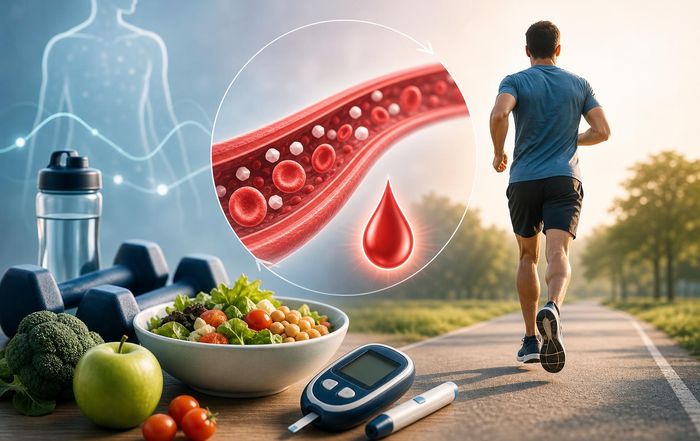
The Link Between Exercise and Blood Sugar Management
Physical activity is one of the most powerful, accessible tools for controlling blood sugar-yet its effects are often misunderstood. Many people think of exercise mainly as a way to burn calories, but for blood glucose management, the story is far richer: movement changes how cells use fuel, how sensitive they are to insulin, how the liver releases glucose, and even how the body responds to food hours later. This page explores how exercise affects blood sugar in people with and without diabetes, what types of activity are most effective, and how to use movement strategically-whether your goal is better daily energy, long-term health, or athletic performance.
How the body normally controls blood sugar
In a healthy metabolism, blood glucose is kept within a relatively narrow range, despite large swings in food intake and activity. After eating carbohydrates, they are broken down into glucose, which enters the bloodstream. The pancreas responds by releasing insulin, a hormone that helps move glucose into muscle, fat, and liver cells. Between meals and overnight, another hormone, glucagon, signals the liver to release stored glucose to keep levels stable.
For most people without diabetes, this system keeps blood sugar in check without conscious effort. However, factors such as excess body fat, genetics, certain medications, chronic stress, and inactivity can make cells less responsive to insulin, a state known as insulin resistance. Over time, the pancreas has to work harder to maintain normal levels. When it can no longer keep up, blood sugar rises, leading to prediabetes or type 2 diabetes.
Organizations such as the World Health Organization (WHO) and the International Diabetes Federation (IDF) estimate that hundreds of millions of adults worldwide live with diabetes or prediabetes, many undiagnosed. Against that backdrop, exercise stands out as a non-pharmaceutical intervention with broad, well-documented benefits for blood glucose regulation.
Readers looking for foundational background on metabolic health may also find the broader coverage in our health and wellness sections useful.
What happens to blood sugar when you exercise?
Muscle is the body's largest site of glucose disposal, and exercise turns skeletal muscle into a powerful glucose sink. When muscles contract, they need ATP (energy), which they can generate from stored glycogen (a carbohydrate reserve), blood glucose, and fatty acids.
During exercise, several key changes occur:
Increased glucose uptake by musclesMuscle contractions stimulate glucose transporters (especially GLUT4) to move to the cell surface and pull glucose out of the bloodstream. Importantly, this process can occur independently of insulin, which means exercise can lower blood sugar even in the presence of insulin resistance. The American Diabetes Association (ADA) highlights this as one reason activity is central to diabetes care.
Use of stored glycogenMuscles draw on glycogen stored within them. After exercise, the body prioritizes refilling these glycogen stores, making muscles particularly receptive to glucose and insulin for several hours, and sometimes up to 24-48 hours, after a workout.
Changes in liver glucose outputIn moderate exercise, the liver releases stored glucose to match muscle demand, often keeping blood sugar relatively stable. In high-intensity exercise, stress hormones like adrenaline and cortisol rise, prompting a larger glucose release from the liver-which can temporarily raise blood sugar, especially in people with diabetes.
Improved insulin sensitivity after exerciseAfter a bout of physical activity, muscles become more sensitive to insulin, meaning less insulin is required to move the same amount of glucose into cells. This effect can persist for many hours and is a core reason regular exercise improves average blood sugar and HbA1c over time.
Shifts in fuel useLower-intensity, longer-duration activity tends to use a higher proportion of fat for fuel, while higher-intensity efforts rely more on carbohydrate (glycogen and glucose). Both patterns can be useful for blood sugar control, but they affect timing and magnitude of glucose changes differently.
For people tracking glucose with a continuous glucose monitor (CGM), these effects are often visible in real time: gentle walks may smooth post-meal spikes, while intense intervals might show a short-term rise followed by a longer-term improvement in stability.
Short-term vs long-term effects on blood sugar
The relationship between exercise and blood glucose plays out on two timescales: what happens during and immediately after a workout, and how consistent training changes metabolic health over weeks and months.
In the short term, exercise can:
Lower blood sugar during and after activity as muscles absorb more glucose.
Occasionally raise blood sugar temporarily, especially with very intense or stressful exercise, or if starting with very high glucose levels.
Affect how the body handles the next meal-post-workout meals often produce smaller glucose spikes because muscles are "primed" to store fuel.
In the long term, regular exercise can:
Improve insulin sensitivity, making it easier to maintain normal blood sugar with less insulin (whether produced by the body or injected).
Reduce visceral fat (fat around abdominal organs), which is strongly linked with insulin resistance.
Lower average blood sugar as measured by HbA1c, a marker of roughly three months of glucose control.
Improve cardiovascular health, blood pressure, and lipid levels, which is critical because cardiovascular disease is a leading complication of diabetes, as emphasized by the Centers for Disease Control and Prevention (CDC) and National Institutes of Health (NIH).
From a training perspective, this means that even if a single workout feels modest, its cumulative impact on glucose control can be substantial when repeated consistently. Our training coverage often underscores this point: consistency usually beats intensity for long-term health.
Aerobic exercise: the foundation for blood sugar control
Aerobic or "cardio" exercise-activities such as brisk walking, cycling, swimming, running, or dancing-has been studied extensively in the context of blood sugar management. Guidelines from bodies like the American College of Sports Medicine (ACSM) and the ADA recommend at least 150 minutes per week of moderate-intensity aerobic activity for most adults, ideally spread across at least three days.
For blood sugar, aerobic exercise tends to:
Reduce post-meal spikes when performed after eating, by accelerating glucose uptake into muscles. A 10-20 minute walk after meals can measurably blunt glucose peaks in many people with insulin resistance or type 2 diabetes.
Lower fasting glucose when performed regularly, by improving insulin sensitivity and reducing liver glucose overproduction.
Improve cardiorespiratory fitness, which is associated with lower risk of type 2 diabetes and better outcomes in those who already have it.
Moderate-intensity efforts-where breathing is faster but conversation is still possible-seem particularly effective for day-to-day glucose stability. They are also more sustainable for many people than high-intensity work, making it easier to meet weekly activity targets.
For readers looking to build a structured routine, our fitness and physical sections often feature practical cardio plans adaptable for different fitness levels.
Strength training and insulin sensitivity
Resistance training-using free weights, machines, resistance bands, or bodyweight-plays a complementary role. While aerobic exercise is often emphasized in diabetes guidelines, strength training is increasingly recognized as equally important.
Key mechanisms include:
Increased muscle mass: Muscle tissue is metabolically active and a major site for glucose disposal. More muscle generally means a larger "sink" for glucose, which can help stabilize levels over time.
Improved insulin signaling: Regular resistance training enhances how muscle cells respond to insulin, further improving glucose uptake.
Changes in body composition: Strength work can reduce fat mass (especially when combined with appropriate nutrition) and increase lean mass, both of which are linked to better insulin sensitivity.
The ADA and ACSM recommend at least two, and preferably three, non-consecutive days per week of resistance training for people with type 2 diabetes or prediabetes, targeting major muscle groups. Sessions do not have to be long; even 20-30 minutes of focused work can confer benefits.
From a practical standpoint, combining strength and cardio within a weekly plan tends to yield the best outcomes for metabolic health. Readers interested in integrating resistance training with nutrition strategies can explore more in our nutrition coverage.
High-intensity intervals, sports, and blood sugar swings
High-intensity interval training (HIIT) and many competitive sports (such as football, basketball, or racket sports) alternate bursts of intense effort with periods of rest or lighter activity. These formats can be time-efficient and improve fitness quickly, but their effects on blood sugar can be more complex.
During intense bursts, the body releases adrenaline and cortisol, which stimulate the liver to release glucose rapidly. In people without diabetes, the pancreas usually compensates with a surge of insulin, and blood sugar remains within a normal range. In people with type 1 or type 2 diabetes, especially those using insulin, this hormonal surge can lead to a temporary rise in glucose during or immediately after exercise.
Despite this short-term bump, research summarized by organizations such as Diabetes UK (Diabetes UK) suggests that HIIT, when appropriately programmed, can still improve overall insulin sensitivity and reduce average blood sugar. However, it may require more careful monitoring and adjustment of medication or carbohydrate intake, particularly for those using insulin or sulfonylureas.
For athletes with diabetes, individualized strategies-often developed with support from healthcare teams-are essential. That may include adjusting insulin doses before training or competition, planning carbohydrate timing, and using CGM data to spot patterns. Our sports section occasionally highlights case studies and practical approaches used by active people managing diabetes in competitive environments.
How often and how much exercise is needed?
Evidence from large observational studies and intervention trials supports several broad principles:
Frequency matters: Because the insulin-sensitizing effects of a single exercise session can fade within 24-72 hours, most guidelines recommend avoiding more than two consecutive days without activity. Even short, frequent bouts can be effective.
Total weekly volume counts: Around 150 minutes per week of moderate-intensity aerobic activity is a common target, with benefits continuing to increase up to about 300 minutes for many people, according to the WHO and ACSM.
Mixing intensities can help: Combining moderate-intensity steady efforts with occasional higher-intensity intervals or more vigorous sessions can further improve fitness and metabolic markers, as long as it is safe and sustainable for the individual.
Strength work is not optional: At least two days per week of resistance training significantly enhances the effects of aerobic exercise on glucose control and long-term health.
For people with prediabetes or type 2 diabetes who are currently inactive, even modest increases in activity-such as 10 minutes of walking after each main meal-can begin to shift blood sugar patterns. Over time, those small changes can evolve into more structured programs aligned with broader lifestyle goals.
Exercise timing: before or after meals?
The timing of physical activity relative to meals can strongly influence blood sugar responses. Several practical patterns have emerged:
Post-meal walking: Light to moderate walking starting within 15-30 minutes after eating can significantly blunt post-meal glucose spikes, especially after carbohydrate-rich meals. This strategy is often recommended by diabetes educators and is supported by clinical studies.
Pre-meal exercise: Exercising before a meal, particularly at moderate or higher intensity, can improve insulin sensitivity and reduce the glucose rise from the subsequent meal. However, in people using insulin or certain medications, pre-meal exercise may increase the risk of low blood sugar if doses are not adjusted.
Bedtime and overnight considerations: Evening exercise can lower blood glucose for several hours afterward. For people prone to overnight hypoglycemia, especially those with type 1 diabetes, this can require careful planning of carbohydrate intake and insulin dosing.
The "best" timing often depends on individual routines, medication regimens, and personal preference. From a purely metabolic standpoint, spreading activity across the day and including some movement after meals appears particularly helpful for many people.
Special considerations for type 1 and type 2 diabetes
While the physiological principles of exercise and blood sugar are broadly similar, practical management differs between type 1 and type 2 diabetes.
For type 1 diabetes:
The pancreas produces little or no insulin, so all insulin is delivered via injections or pumps. Exercise can increase the risk of hypoglycemia (low blood sugar), sometimes during activity and sometimes several hours later.
Strategies often include adjusting insulin doses before planned exercise, consuming additional carbohydrates, and closely monitoring glucose before, during, and after workouts.
Intense anaerobic or interval exercise can cause temporary hyperglycemia due to stress hormones, which may require correction with insulin after activity, as advised by a healthcare team.
For type 2 diabetes:
Many individuals still produce insulin but are insulin resistant. Exercise primarily improves insulin sensitivity and can reduce the need for medication over time.
Those using insulin or insulin-stimulating medications (like sulfonylureas) still face some risk of hypoglycemia during or after exercise, especially if doses are not adjusted.
For people managed with lifestyle changes alone or with medications that do not cause hypoglycemia (such as metformin, many GLP-1 receptor agonists, or SGLT2 inhibitors), the risk of exercise-induced low blood sugar is generally lower, but still possible in certain circumstances.
Organizations like the ADA, Diabetes UK, and national health services such as NHS England (NHS) provide patient-oriented guidance on adjusting exercise plans to individual treatment regimens. Collaboration with healthcare professionals is especially important when starting or intensifying an exercise program.
Nutrition, hydration, and exercise-related glucose control
Exercise does not operate in isolation; what and when a person eats significantly shapes blood sugar responses to activity.
Key points include:
Carbohydrate quality and quantity: Higher-fiber, minimally processed carbohydrate sources (such as whole grains, legumes, fruits, and vegetables) generally produce slower, smaller glucose rises than refined carbohydrates and sugary drinks. Combining these with protein and healthy fats can further smooth the curve.
Pre-exercise fueling: For longer or more intense sessions, some carbohydrate intake beforehand may be necessary to prevent low blood sugar, particularly for those using insulin. The exact amount depends on medication, recent meals, and exercise intensity.
Intra-workout carbs: During prolonged endurance exercise (e.g., long runs or rides), additional carbohydrates may be needed to maintain performance and prevent hypoglycemia. Sports nutrition strategies often need adaptation for individuals with diabetes.
Hydration and electrolytes: Dehydration can affect blood viscosity and may influence glucose readings and perceived effort. People with diabetes are also more susceptible to dehydration when blood sugar is high. Regular fluid intake and, for long sessions, appropriate electrolytes can support safer performance.
Our nutrition and wellness pages frequently explore how food choices interact with training and metabolic health, including for people managing diabetes.
Safety tips for exercising with blood sugar concerns
For individuals with diabetes, prediabetes, or suspected glucose irregularities, several safety principles are widely recommended by organizations such as the ADA, IDF, and national health agencies:
Consult a healthcare professional before major changes in activity level, especially if you have complications such as cardiovascular disease, neuropathy, or retinopathy.
Monitor blood sugar around exercise when possible, particularly in the early stages of a new program. Patterns over several sessions are often more informative than a single reading.
Be aware of hypoglycemia signs: shakiness, sweating, confusion, rapid heartbeat, and sudden fatigue. Always have a quick-acting carbohydrate source available if you are at risk.
Check feet and footwear regularly, especially for those with neuropathy or circulation issues, to avoid blisters, ulcers, or injuries that may go unnoticed.
Progress gradually: jumping abruptly from inactivity to very intense exercise can increase injury risk and complicate glucose management.
For many people, especially those new to structured exercise, starting with accessible activities such as walking, light cycling, or water-based exercise can be a safe gateway to more varied training over time. Additional guidance on building sustainable routines is available across our fitness and training content.
Using technology and data to personalize your approach
Modern tools-from simple step counters to continuous glucose monitors-allow individuals to see how specific activities affect their own blood sugar. Wearables from major tech and fitness brands and CGM devices approved by regulators such as the U.S. Food and Drug Administration (FDA) have made it easier to experiment with different exercise types, timings, and intensities.
While not everyone needs advanced technology, those who do use it can:
Compare blood sugar responses to different workouts, such as walking vs intervals.
Test the impact of post-meal walks vs pre-meal sessions.
Adjust carbohydrate intake before and after exercise based on observed patterns.
Share data with healthcare professionals to refine treatment and training plans.
Independent health and science journalism from outlets like Harvard T.H. Chan School of Public Health (Harvard) and major news organizations such as the BBC (BBC) often provide accessible summaries of emerging research on exercise, glucose, and wearable tech, which can complement formal medical advice.
Bringing it together: movement as daily glucose medicine
Across large clinical trials, public health guidelines, and real-world experience, a consistent picture emerges: regular physical activity is one of the most effective non-drug strategies for managing blood sugar, reducing the risk of type 2 diabetes, and improving outcomes for people who already live with it. The most impactful approach is usually:
A foundation of frequent, moderate-intensity aerobic activity, such as brisk walking, cycling, or swimming.
Twice-weekly (or more) strength training to build and maintain muscle mass and improve insulin sensitivity.
Strategic timing of movement around meals, particularly incorporating short walks after eating.
Attention to nutrition, hydration, and safety, tailored to individual health status and medications.
A focus on consistency over perfection, recognizing that even small, repeated bouts of movement can meaningfully shift blood sugar patterns and long-term health trajectories. For those beginning this journey, starting small-perhaps a 10-minute walk after one meal per day-and building gradually is often more realistic and sustainable than aiming for an idealized training plan on day one. Over time, that modest habit can evolve into a comprehensive lifestyle that supports not just blood sugar control, but overall fitness, energy, and quality of life.