

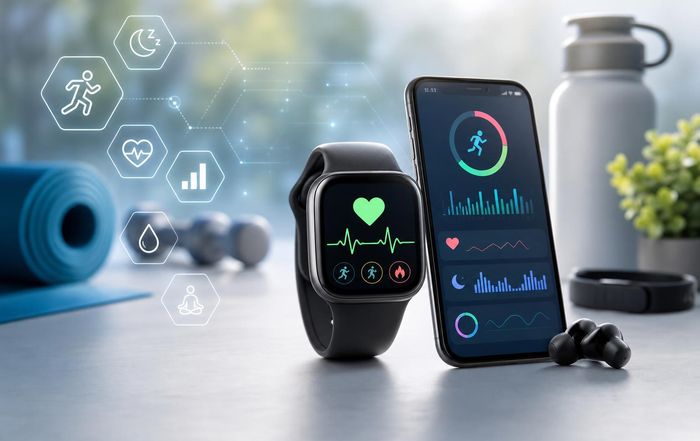
Fitness Technology Benefits for Everyday Users
The New Landscape of Everyday Fitness
Fitness technology has moved from a niche interest for early adopters and elite athletes into a ubiquitous layer of everyday life, influencing how people in cities from New York and London to Singapore and São Paulo move, eat, sleep and work. For the sports active fans of FitBuzzFeed, who follow developments in sports, fitness, health, business, lifestyle and technology across global markets, this transformation is not merely a trend story; it is a lived reality shaping personal routines, workplace expectations and even national health policies. What began as simple step counters has evolved into an interconnected ecosystem of wearables, smart home devices, AI-driven coaching platforms and digital health services that collectively promise better performance, prevention and productivity for ordinary users, whether they are office professionals in Germany, shift workers in Canada, students in South Korea or retirees in Australia.
This article examines the benefits of fitness technology for everyday users through the lens of experience, expertise, authoritativeness and trustworthiness, looking closely at how evidence-based tools are improving physical health, mental wellbeing and work-life balance, while also exploring the responsibilities that providers, employers and policymakers now share in ensuring these tools are safe, ethical and genuinely useful. For a platform like FitBuzzFeed, which sits at the intersection of fitness, wellness, technology and business, this is not only about devices and apps, but about how a new digital fitness infrastructure is reshaping economies, careers and lifestyles from North America and Europe to Asia, Africa and South America.
From Step Counters to Health Platforms
The first major benefit for everyday users lies in the evolution of fitness technology from simple activity tracking to comprehensive health platforms that integrate movement, cardiovascular metrics, sleep, stress indicators and sometimes even medical-grade data. Devices such as Apple Watch, Garmin wearables, Fitbit trackers under Google, and emerging offerings from Samsung and Huawei now provide continuous monitoring of heart rate, heart rate variability, blood oxygen saturation and, in some cases, irregular rhythm notifications that may prompt users to consult a physician. Readers who follow global health developments will recognize that this shift aligns with a broader move toward preventive care and early detection, supported by organizations such as the World Health Organization, which regularly publishes guidance on physical activity and noncommunicable disease prevention on its website at who.int.
The integration of data from wearables into secure platforms, including some electronic health record systems, has allowed clinicians in countries like the United States, the United Kingdom and Singapore to gain more detailed insights into patients' daily habits, sleep patterns and recovery status. While not a substitute for clinical diagnostics, such longitudinal data can provide helpful context when assessing hypertension, obesity, type 2 diabetes risk or recovery from cardiac events. Interested readers can explore how physical activity recommendations are evolving by reviewing updated evidence on global physical activity guidelines from the U.S. Centers for Disease Control and Prevention. For everyday users, the benefit is a more holistic understanding of their own health, supported by intuitive dashboards and insights that translate complex data into actionable suggestions.
Personalized Coaching and the Rise of Everyday Performance
Another major advantage of modern fitness technology is the democratization of personalized coaching, once reserved for professional athletes or wealthy clients of private trainers. AI-driven platforms now analyze movement data, training history and recovery metrics to generate individualized workout plans that adapt in real time. Companies such as Whoop, Oura and Polar have pushed forward the science of recovery and load management, while digital fitness services like Peloton, Nike Training Club and Apple Fitness+ provide structured programs tailored to age, fitness level and specific goals, from fat loss and muscle gain to marathon preparation and injury prevention.
For the FitBuzzFeed audience, which spans sports enthusiasts, recreational athletes and health-conscious professionals, this means that a runner in Berlin can access training sophistication that rivals what elite athletes enjoyed a decade ago, while a beginner in Johannesburg can follow safe, progressive strength routines at home using only bodyweight and resistance bands. Those interested in structured training can explore fitness and training resources on FitBuzzFeed, which increasingly intersect with this new wave of digital coaching. Leading sports science institutions such as Loughborough University in the United Kingdom and the Australian Institute of Sport have published extensive open-access research on periodization, load management and injury risk, helping to ensure that algorithms used by reputable platforms are grounded in evidence; readers can explore current sports science insights through resources at lboro.ac.uk or ais.gov.au.
The benefit for everyday users is not only improved performance, whether that means a faster 10K or greater energy for playing with children after work, but a reduction in trial-and-error training that often leads to overuse injuries or burnout. By tailoring intensity, volume and recovery to individual responses rather than generic templates, fitness technology can help users in Canada, Italy, Japan or Brazil progress more efficiently and sustainably, particularly when combined with sensible nutrition and sleep habits.
Integrating Nutrition, Sleep and Recovery
Fitness is no longer viewed solely through the lens of exercise volume; instead, a more integrated model of health has emerged, where nutrition, sleep and recovery are recognized as equally important pillars. Everyday users now benefit from a broad array of apps and devices that track dietary intake, macronutrient balance, hydration levels and sleep quality, often synchronizing with wearables to provide a 360-degree view of health behaviors. Platforms such as MyFitnessPal, Cronometer and Lifesum offer detailed food logging capabilities and connect with wearables to estimate energy expenditure, while sleep-focused devices from Oura, Withings and Google Nest help users identify patterns related to bedtime routines, caffeine intake or late-night screen use.
For readers of FitBuzzFeed who are already familiar with nutrition-focused content and wellness insights, the key benefit is the ability to align training loads with adequate fueling and rest, reducing the risk of chronic fatigue or impaired immunity. Authoritative institutions such as Harvard T.H. Chan School of Public Health provide accessible guidance on healthy eating patterns, helping users interpret app-generated suggestions in the context of established science rather than fleeting diet fads. Similarly, organizations like the National Sleep Foundation offer evidence-based recommendations on optimal sleep duration and quality, which users can compare to their own tracked data.
The convergence of these elements allows a professional in Singapore, a student in Sweden or a freelancer in Mexico City to better understand how late-night work, irregular meals or weekend socializing impact training outcomes and day-to-day energy, ultimately enabling more informed choices and more realistic goal-setting.
Mental Health, Stress Management and Digital Resilience
An often underappreciated benefit of fitness technology for everyday users is its role in mental health support and stress management. While physical activity is widely recognized as a protective factor against anxiety and depression, the tools that facilitate regular exercise, track mood and encourage mindfulness have become more sophisticated and accessible, particularly in the aftermath of the global disruptions caused by the COVID-19 pandemic and subsequent economic uncertainties. Many wearables now offer features that estimate stress levels based on heart rate variability and other physiological markers, prompting users to take short breaks, perform breathing exercises or reduce intensity when cumulative strain is elevated.
Readers following global news and health trends will be aware that organizations such as the World Economic Forum and the Organisation for Economic Co-operation and Development have highlighted mental health as a key economic and social issue, especially in high-pressure work environments in markets like the United States, the United Kingdom, Germany, Japan and South Korea. Interested readers can explore how mental health is increasingly framed as a productivity and innovation issue by reviewing analyses at weforum.org and oecd.org. Fitness technology intersects with this agenda by providing everyday users with accessible tools for guided meditation, breathwork and mood tracking through platforms such as Headspace, Calm and Insight Timer, many of which integrate directly with wearables to measure physiological responses.
For the FitBuzzFeed audience, which spans busy professionals, entrepreneurs and shift workers, these tools can translate into tangible benefits: improved focus, better emotional regulation, more restorative sleep and a greater sense of control over work-life boundaries. Regular movement breaks prompted by wearables, short guided meditations integrated into lunch breaks and evening wind-down routines supported by sleep tracking all contribute to a more resilient and sustainable lifestyle, particularly in high-stress sectors such as finance, technology, healthcare and logistics.
Workplace Wellness, Hybrid Work and the Business Case
Fitness technology has also become central to corporate wellness strategies and the evolving world of hybrid work. Employers in North America, Europe and Asia increasingly recognize that supporting physical activity, sleep hygiene and mental wellbeing is not only a moral imperative but a business necessity, given the costs associated with absenteeism, presenteeism and chronic disease. Companies across sectors now offer subsidized wearables, access to digital fitness platforms and step or activity challenges that reward employees for sustained engagement, sometimes integrating these metrics into broader health insurance incentive programs.
Readers of FitBuzzFeed who follow business and jobs coverage and employment trends will note that organizations such as McKinsey & Company and Deloitte have published extensive research on the ROI of employee wellbeing, outlining how healthier workforces contribute to higher productivity, lower turnover and stronger employer brands; these analyses can be explored at mckinsey.com and deloitte.com. In practical terms, fitness technology supports hybrid work by encouraging movement throughout the day, even for employees who no longer commute regularly, and by providing structure around breaks, posture, stretching and screen time.
The benefit for everyday users is a work environment that, at its best, aligns professional performance with physical and mental health, rather than treating wellbeing as an after-hours responsibility. For a software engineer in Canada, a consultant in France or a marketing specialist in South Africa, this can mean access to employer-sponsored coaching platforms, mental health apps and ergonomic guidance, all informed by data rather than generic wellness slogans. For employers, it represents an opportunity to build cultures where health is visible, measurable and integrated into leadership practices.
Global Access, Inclusion and Emerging Markets
While much of the early conversation around fitness technology focused on affluent consumers in North America, Western Europe and parts of East Asia, 2026 has seen significant growth in adoption across emerging markets in Africa, South America and Southeast Asia, driven by falling device costs, expanding smartphone penetration and innovative local business models. In countries such as Brazil, South Africa, Thailand and Malaysia, fitness technology is increasingly delivered through mobile-first platforms that combine low-cost wearables with community-based challenges, local language content and partnerships with gyms, sports clubs and healthcare providers.
For readers interested in global and regional developments, this expansion raises important questions about inclusion, cultural relevance and infrastructure. Organizations such as the World Bank and the International Telecommunication Union have emphasized the importance of digital inclusion for health innovation, highlighting how mobile connectivity and affordable devices can support preventive care and chronic disease management in low- and middle-income countries; these perspectives can be explored at worldbank.org and itu.int. For everyday users in these regions, the benefits of fitness technology include more accessible health education, early risk identification and community engagement around physical activity, often leveraging popular sports such as football, running and cycling.
Yet inclusion is not solely a geographic issue; it also encompasses age, gender, disability and socioeconomic status. Developers and providers are under increasing pressure to design interfaces that are accessible to older adults, to respect cultural norms and privacy expectations, and to ensure that subscription models do not exclude lower-income users. When executed responsibly, fitness technology can help close health gaps rather than widen them, offering tailored support for people managing chronic conditions, recovering from injury or navigating life stages such as pregnancy and menopause.
Trust, Data Privacy and Regulatory Oversight
As fitness technology becomes more integrated into everyday life, questions of data privacy, security and ethical use move from the margins to the center of user concerns, especially for a business-savvy audience like FitBuzzFeed readers. Wearables and health apps collect sensitive information about heart rate patterns, sleep cycles, menstrual cycles, stress levels and sometimes location, which, if mishandled, could lead to discrimination, manipulation or other harms. Users in the European Union benefit from the protections of the General Data Protection Regulation (GDPR), while residents of states like California are covered by the California Consumer Privacy Act (CCPA), but regulatory frameworks vary widely across regions.
Regulators and standards bodies, including the European Commission, the U.S. Food and Drug Administration and Health Canada, have been working to clarify which fitness technologies qualify as medical devices and must therefore meet stricter safety, efficacy and reporting requirements; readers interested in regulatory perspectives can explore overviews at ec.europa.eu, fda.gov and canada.ca. For everyday users, the key benefit of robust regulation is increased confidence that devices and apps are handling data responsibly, providing accurate information and not making unsubstantiated health claims.
Trust is further reinforced when companies are transparent about data collection, storage and sharing practices, and when they allow users to export or delete their data easily. In this context, FitBuzzFeed plays a role as an independent platform that can help readers interpret privacy policies, evaluate product claims and make informed decisions about which tools align with their risk tolerance and values, complementing coverage on technology trends and digital ethics.
The Convergence of Sports, Lifestyle and Everyday Health
One of the defining features of fitness technology in 2026 is the blurring of boundaries between sports performance, everyday health and lifestyle expression. Smart clothing, connected footwear, sensor-embedded equipment and immersive platforms are turning living rooms, city streets and public parks into personalized training environments. Brands such as Adidas, Nike, Under Armour and Lululemon have integrated sensors into apparel and footwear lines, while connected equipment companies like Technogym, Echelon and Tonal are competing to make home training as engaging as boutique studios.
For readers of FitBuzzFeed who track sports innovations and lifestyle trends, this convergence offers multiple benefits. Everyday users can access sports-science-informed training insights through the same devices that complement their personal style, while social features such as leaderboards, virtual races and community challenges provide motivation and accountability. Major events, from marathons in New York and Berlin to cycling tours in France and triathlons in Australia, now integrate digital platforms that allow remote participation and data-driven preparation; organizations like World Athletics and Ironman maintain event calendars and training resources at worldathletics.org and ironman.com.
This fusion of performance and lifestyle also creates new opportunities for brands, sponsors and event organizers, who can engage audiences year-round through digital content, challenges and hybrid events. Platforms like Strava exemplify how social fitness networks can connect runners, cyclists and walkers across continents, turning individual workouts into shared experiences that transcend geography, language and climate.
Practical Guidance for Everyday Users
For everyday users navigating the expanding universe of fitness technology, the central question is not whether to adopt these tools, but how to do so in a way that is sustainable, evidence-based and aligned with personal goals. The most important benefit comes not from owning the latest device, but from integrating technology into a coherent routine that supports long-term health and performance rather than short-lived enthusiasm. When readers explore fitness resources or physical training insights on FitBuzzFeed, they will increasingly encounter guidance that emphasizes starting with clear objectives, such as improving cardiovascular health, managing weight, building strength, enhancing sleep or reducing stress, and then selecting tools that directly support those aims.
Authoritative medical organizations such as the Mayo Clinic and the Cleveland Clinic provide accessible overviews of safe exercise guidelines and heart-healthy activity, which users can use as benchmarks when evaluating the training recommendations offered by apps and platforms. Everyday users are also encouraged to maintain a critical mindset, recognizing that while algorithms can suggest patterns and probabilities, they do not replace clinical judgment, particularly for individuals with pre-existing conditions, complex medication regimens or recent injuries.
A sustainable approach often involves starting with a limited set of metrics, such as daily steps, weekly minutes of moderate-to-vigorous activity and sleep duration, and gradually layering in more advanced indicators like heart rate variability, training load or macronutrient balance as confidence and understanding grow. This incremental strategy helps prevent data overload and ensures that technology remains a supportive tool rather than a source of anxiety or perfectionism.
The High Bar of FitBuzzFeed in a Data-Driven Fitness Era
As fitness technology becomes more embedded in daily routines from New York and Toronto to Tokyo and Cape Town, the need for trusted, independent analysis grows. FitBuzzFeed is uniquely positioned at this new intersection of sports, fitness, health, business, technology and lifestyle, serving a global audience that spans professionals, students, athletes and families. By combining coverage of emerging products and platforms with evidence-based perspectives on health, nutrition, training and wellness, FitBuzzFeed can help top readers distinguish between marketing hype and genuine innovation, and between short-term trends and lasting shifts in how societies think about movement, recovery and wellbeing.
Readers who visit sections such as wellness, health, technology, business and events will find that fitness technology is no longer a standalone category but a thread that runs through stories about workplace culture, sports performance, consumer brands, public policy and personal transformation. By foregrounding experience, expertise, authoritativeness and trustworthiness, FitBuzzFeed aims to ensure that its coverage not only informs but empowers everyday users to make decisions that enhance their lives over the long term.
The benefits of fitness technology for everyday users will depend not only on the ingenuity of engineers and entrepreneurs, but on the ability of individuals, employers, healthcare providers and policymakers to use these tools wisely, ethically and inclusively. When grounded in evidence, aligned with personal values and integrated into realistic routines, fitness technology can help people across continents move more, sleep better, manage stress and participate more fully in work, family and community life. For a global audience committed to healthier, more active and more resilient futures, that promise is both inspiring and within reach.