

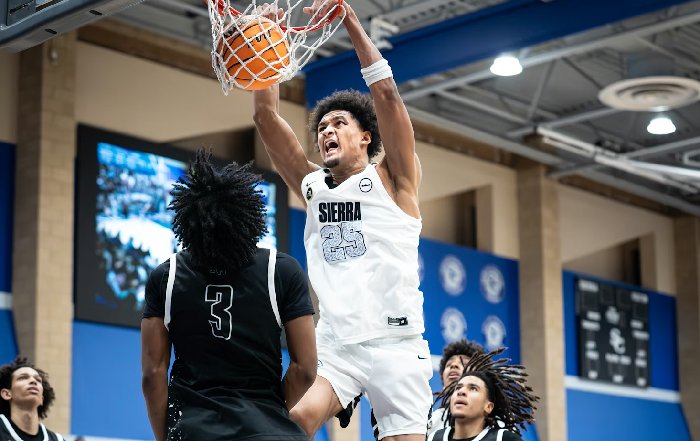
The Cultural Significance of Sport in North America
Sport as a Mirror of North American Society
So sport in North America stands not merely as entertainment or recreation but as one of the most powerful cultural institutions shaping identity, community, economics, and even politics across the United States, Canada, and Mexico, while also exerting a wider influence on global audiences from Europe to Asia and Africa. From the spectacle of the NFL's Super Bowl and the tradition-rich arenas of Major League Baseball to the rapidly evolving ecosystems of women's professional leagues and esports, North American sport functions as a mirror that reflects the region's values, ambitions, inequalities, and aspirations for change. For readers of FitBuzzFeed, whose interests span sports, fitness, health, business, and lifestyle, understanding this cultural significance is essential to grasp how sport influences daily life, corporate strategy, public policy, and personal well-being across North America and beyond.
Sport occupies a unique intersection between mass media, consumer culture, and civic life, with major events drawing audiences that rival national elections and global ceremonies in scale and emotional intensity. According to audience data from organizations such as Nielsen and digital platforms tracked by sources like Statista, North American leagues dominate the rankings of the world's most valuable sports properties, and their broadcasts shape social schedules, advertising cycles, and even urban traffic patterns. The cultural reach of sport extends far beyond stadiums, affecting what people wear, how they speak, where they travel, and which brands they trust, while also providing shared narratives that cut across age, class, and geography.
Historical Roots: From Local Games to Continental Institutions
The cultural role of sport in North America has deep historical roots, emerging from a blend of Indigenous games, European traditions, and rapidly industrializing cities in the nineteenth and early twentieth centuries. Long before the rise of professional leagues, Indigenous communities across what is now the United States and Canada played sophisticated games such as lacrosse, which held spiritual and ceremonial significance and often served as a means of resolving conflict and strengthening alliances. Contemporary organizations like the National Museum of the American Indian document how these early forms of sport integrated physical prowess, community cohesion, and cosmological beliefs in ways that still influence modern conceptions of athletic competition and teamwork.
As industrialization transformed North America, urbanization and the growth of the middle class created demand for organized leisure, and sports such as baseball, American football, and ice hockey became central to city identities and national mythmaking. Major League Baseball (MLB), often described as "America's pastime," developed in tandem with the expansion of railroads and newspapers, while the National Hockey League (NHL) grew alongside Canadian nation-building and regional rivalries across the northern United States. Historical archives at institutions like the Library of Congress and Library and Archives Canada show how early sports pages, radio broadcasts, and newsreels turned local clubs into symbols of civic pride and national character, embedding sport into the cultural fabric of North American life.
By the mid-twentieth century, the establishment of leagues such as the National Football League (NFL) and the National Basketball Association (NBA) further professionalized sport, linking it to emerging television networks and transforming games into mass spectacles. The integration of athletes like Jackie Robinson into MLB and the rise of global icons such as Michael Jordan in the NBA turned North American sport into a stage for debates about race, equality, and commercial power, with coverage from outlets like ESPN and The New York Times amplifying the cultural impact of individual athletes and teams far beyond the confines of their home markets.
Sport, Identity, and Community in a Diverse Continent
In a region characterized by immense ethnic, linguistic, and regional diversity, sport has served as both a unifying force and a site of contestation. For many North Americans, supporting a team is a primary marker of identity, sometimes more salient than political affiliation or religious denomination, and cities from Boston to Toronto and Mexico City often project their image to the world through the success and style of their sports franchises. Sociological research from universities such as Harvard and University of Toronto has highlighted how fandom can create powerful senses of belonging, offering rituals, chants, and shared histories that bind strangers into communities.
In immigrant-rich cities across the United States and Canada, sport plays a crucial role in integration and cultural exchange, as newcomers embrace local teams while also maintaining ties to sports from their home countries, such as football (soccer) clubs in Europe, South America, and Africa. The growth of Major League Soccer (MLS) and the increasing prominence of North American players in European leagues, covered extensively by outlets like BBC Sport, illustrate how global and local sporting cultures now intersect, with fans in New York or Vancouver following both their domestic clubs and international competitions like the UEFA Champions League or the FIFA World Cup.
At the same time, sport has become a platform for asserting regional and national identities within North America itself. In Canada, hockey remains deeply entwined with national narratives of resilience and winter culture, while in the United States, college football in the South and Midwest carries distinct regional traditions that connect generations of alumni and residents. For FitBuzzFeed readers who follow world and news coverage, these regional sporting cultures offer insight into how local values and histories continue to shape the broader North American social landscape.
The Business of Sport: Economic Powerhouse and Innovation Engine
Sport in North America is also a multi-billion-dollar business ecosystem that influences employment, urban development, media strategy, and technological innovation. Major leagues such as the NFL, NBA, MLB, NHL, MLS, and the WNBA generate enormous revenues through broadcasting rights, sponsorships, ticket sales, and merchandising, with financial analyses by organizations like Deloitte and PwC regularly ranking North American sports properties among the most valuable in the world. For executives, investors, and entrepreneurs, sport serves as both a lucrative market and a testing ground for new business models that often spill over into other industries.
Franchises now operate as sophisticated entertainment and real estate enterprises, with stadiums and arenas functioning as anchors for mixed-use developments that include retail, hospitality, and residential components. Cities from Los Angeles to Atlanta and Toronto have used sports venues as catalysts for urban regeneration, although debates persist about public subsidies and the equitable distribution of economic benefits. Analyses from think tanks such as the Brookings Institution highlight the complexity of stadium financing and the need for careful assessment of long-term community impacts.
The sports industry also intersects with the broader FitBuzzFeed focus on jobs and careers, as it encompasses not only athletes and coaches but also professionals in marketing, data analytics, sports medicine, event management, and technology. As leagues expand internationally and digital platforms create new ways to monetize fan engagement, demand is rising for experts in areas such as streaming strategy, virtual advertising, and global brand partnerships. For young professionals in North America, sport offers a dynamic and competitive field that reflects wider trends in the knowledge economy and the platform-driven digital landscape.
Media, Technology, and the Digital Fan Experience
The cultural significance of sport in North America cannot be separated from the evolution of media and technology, which have transformed how fans watch, discuss, and participate in athletic events. From the early days of radio broadcasts to the high-definition, multi-screen experiences of the 2020s, sport has often served as a driver of technological adoption, convincing households to invest in new devices and services in order to follow their favorite teams. The rise of cable sports networks such as ESPN in the late twentieth century and the shift to streaming platforms in the 2010s and 2020s, including services operated by companies like Disney, Amazon, and Apple, have turned sports rights into some of the most valuable content assets in the media landscape, as documented by industry analyses on Sports Business Journal.
In the current decade, data analytics, wearable technology, and immersive media such as augmented and virtual reality are reshaping both performance and fan engagement. Organizations like the MIT Sloan Sports Analytics Conference showcase how teams use advanced statistics and machine learning to optimize strategy, scouting, and player health management, while technology companies partner with leagues to offer fans real-time insights, interactive viewing options, and personalized highlights. For FitBuzzFeed readers interested in technology and training, this convergence of sport and tech illustrates how innovation in one domain can quickly influence consumer expectations and professional practices across many others.
Social media has further amplified the cultural impact of sport by turning every game into a global conversation, with platforms such as X (formerly Twitter), Instagram, TikTok, and YouTube enabling athletes, teams, and fans to communicate directly and shape narratives in real time. High-profile moments, from championship celebrations to controversial calls, can trend worldwide within minutes, influencing public opinion and sometimes even prompting league policy changes. Research from the Pew Research Center on digital behavior underscores how sports content drives engagement and community formation online, creating virtual fan bases that transcend geographical boundaries and time zones.
Health, Fitness, and the Everyday Athlete
Beyond professional stadiums and media platforms, sport in North America exerts a profound influence on everyday health and fitness habits, shaping how individuals of all ages think about physical activity, nutrition, and well-being. Public health organizations such as the Centers for Disease Control and Prevention and the Public Health Agency of Canada consistently emphasize the importance of regular physical activity in preventing chronic diseases, improving mental health, and enhancing quality of life, and sport provides one of the most accessible and motivating frameworks for achieving these goals. Youth leagues, community clubs, and recreational sports programs give children and adults structured opportunities to stay active, learn teamwork, and build resilience, while also reinforcing social connections that are critical for mental wellness.
The influence of elite athletes and major competitions on fitness trends is evident across North America, as consumers adopt training methods, apparel styles, and nutritional practices modeled by professionals in sports ranging from basketball and football to mixed martial arts and endurance running. For readers of FitBuzzFeed, the connections between fitness, nutrition, and wellness are central, and sport provides a continuous stream of examples, both positive and cautionary, about how to pursue high performance without compromising long-term health. Organizations like the American College of Sports Medicine and Canadian Sport Institute publish guidelines and research that inform best practices in training, recovery, and injury prevention, helping coaches and individuals design programs that balance ambition with sustainability.
At the same time, the high-pressure environment of competitive sport has drawn attention to issues such as overtraining, eating disorders, and mental health challenges among athletes, prompting leagues and governing bodies to invest more heavily in psychological support and holistic care. Prominent athletes in North America have spoken openly about anxiety, depression, and burnout, influencing broader societal conversations about mental health and encouraging workplaces and schools to adopt more supportive policies. For a platform like FitBuzzFeed, which regularly explores health and physical performance, these developments highlight the need to view sport not only as a vehicle for excellence but also as a context where human vulnerability and resilience are constantly negotiated.
Social Change, Activism, and Ethical Debates
One of the most striking aspects of North American sport in recent years has been the increasing visibility of social and political activism among athletes, teams, and fans, reflecting broader movements for racial justice, gender equality, LGBTQ+ rights, and environmental sustainability. High-profile gestures, from kneeling during national anthems to wearing symbolic messages on jerseys, have sparked intense public debate and underscored the role of sport as a stage for contesting national narratives and institutional practices. Analyses from organizations such as the Institute for Diversity and Ethics in Sport document both progress and persistent disparities in representation across leadership positions, coaching staffs, and media coverage, illustrating how sport can simultaneously challenge and reproduce existing power structures.
Women's sport has been a particularly important arena for change, with leagues such as the WNBA, National Women's Soccer League (NWSL), and Professional Women's Hockey League (PWHL) gaining visibility and negotiating improved pay, facilities, and media exposure. Legal and cultural milestones, including the legacy of Title IX in the United States and gender equity policies in Canada, have enabled generations of girls and women to participate in organized sport at unprecedented levels, reshaping workplace dynamics and leadership pipelines in the process. Reports from the Women's Sports Foundation and similar organizations highlight the economic and social benefits of investing in women's sport, not only for athletes but also for sponsors and media partners seeking to align with contemporary values and reach diverse audiences.
Ethical debates around issues such as concussion risk, performance-enhancing drugs, and the environmental impact of mega-events also feature prominently in the North American sports discourse. Medical research published through platforms like PubMed has raised awareness about long-term brain injuries in contact sports, prompting rule changes, improved equipment standards, and enhanced protocols for diagnosis and recovery. At the same time, international events held in North American cities, such as the upcoming FIFA World Cup 2026 co-hosted by the United States, Canada, and Mexico, have intensified scrutiny of sustainability practices, labor conditions, and community displacement, leading organizers to adopt more transparent and inclusive planning processes. Learn more about sustainable business practices and event management through resources at UN Environment Programme, which increasingly inform how sports organizations approach environmental and social responsibility.
Global Reach and Soft Power
While rooted in local communities and national traditions, North American sport has become a significant instrument of soft power, shaping international perceptions of the region and influencing cultural exchange across continents. The global popularity of leagues such as the NBA and NFL, along with individual stars from North America who compete in global sports like tennis, golf, and athletics, ensures that North American sporting narratives reach audiences in Europe, Asia, Africa, and South America, often serving as an entry point to broader cultural products including music, fashion, and film. Media coverage by organizations such as Reuters and Associated Press amplifies these stories, while international tours and preseason games bring North American teams directly to fans in cities from London and Munich to Tokyo and Mexico City.
The awarding of major events such as the FIFA World Cup 2026 to North American hosts underscores the continent's capacity to stage complex, high-profile competitions that attract global attention and tourism, while also highlighting the responsibilities that come with such visibility. Governments and sports bodies collaborate on infrastructure, security, and marketing strategies, aware that these events can shape national reputations for decades. For readers of FitBuzzFeed who follow world and events coverage, the coming years will provide a vivid case study in how sport, diplomacy, business, and urban planning intersect on a global stage.
At a more granular level, the internationalization of North American sports rosters and fan bases reflects broader demographic and economic trends, as athletes from Europe, Africa, Asia, and Latin America increasingly see North American leagues as attractive destinations for career development and financial reward. This cross-border movement influences playing styles, coaching philosophies, and commercial partnerships, creating a feedback loop in which North American and global sports cultures continuously reshape one another. For a platform with a worldwide readership like FitBuzzFeed, this dynamic underscores the importance of viewing North American sport not as an isolated phenomenon but as part of a complex global ecosystem of competition, commerce, and cultural exchange.
Moving on: The Future of Sport in North America
As North America moves further into the 2020s, the cultural significance of sport is likely to deepen and diversify, driven by technological innovation, shifting demographics, evolving consumer expectations, and ongoing debates about equity and sustainability. Emerging trends such as the growth of women's professional leagues, the mainstreaming of esports, and the integration of advanced analytics into both performance and fan engagement suggest that the boundaries of what counts as "sport" will continue to expand, challenging traditional institutions while creating new opportunities for participation and entrepreneurship. Organizations like the World Economic Forum have begun to frame sport as a critical component of the future of work, health, and urban living, highlighting its potential to contribute to resilience and social cohesion in an era of rapid change.
For FitBuzzFeed, which bridges business, lifestyle, wellness, and sports coverage, the evolving landscape of North American sport offers a rich field for ongoing analysis and storytelling. Readers in the United States, Canada, and Mexico, as well as audiences across Europe, Asia, Africa, and South America, encounter North American sport not only through televised games or viral highlights but also through the products they buy, the workouts they perform, the causes they support, and the communities they join. As leagues, athletes, and brands navigate questions of responsibility, inclusion, and innovation, sport will remain a central arena in which North Americans negotiate who they are, what they value, and how they wish to be seen by the world.
In this context, the cultural significance of sport in North America extends far beyond scores and standings; it encompasses identity formation, economic development, technological progress, public health, and social justice, making it one of the most influential and revealing institutions of contemporary life. Whether one approaches it as a fan, a professional, an investor, or a participant striving for better physical health and performance, sport offers a lens through which to understand both the challenges and the possibilities of North American society in 2026 and the years to come.