

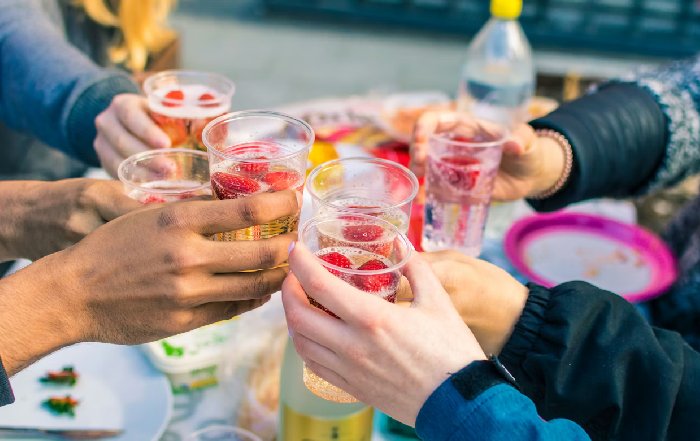
Party Like It's 2026: A Guide to Healthier Partying
The New Party Culture: Celebration Without Compromise
By 2026, the global culture of celebration has shifted in ways that would have seemed unlikely a decade ago. Across major cities in the United States, the United Kingdom, Germany, Singapore, Australia, and beyond, younger and older professionals alike are redefining what it means to go out, unwind, and connect, without sacrificing long-term health, mental clarity, or career performance. At the center of this change is a growing desire to enjoy nightlife, festivals, corporate events, and social gatherings while staying aligned with personal wellness goals, athletic ambitions, and demanding work schedules.
For readers of FitBuzzFeed, this evolution is not an abstract trend but a lived reality that touches nearly every aspect of their lives, from how they train during the week to how they engage with colleagues, clients, and friends on weekends and during business travel. The rise of alcohol-free bars, functional beverages, recovery-focused event experiences, and science-backed strategies for managing sleep, nutrition, and stress has created a new playbook for partying that prioritizes energy, longevity, and performance. As organizations like World Health Organization (WHO) and Centers for Disease Control and Prevention (CDC) continue to highlight the long-term risks of excessive drinking and sleep deprivation, a more intentional, health-conscious approach to celebration is rapidly becoming not only socially acceptable but aspirational.
In this environment, healthier partying is less about restriction and more about design: designing nights out that feel memorable, inclusive, and exhilarating, while still allowing individuals to hit their Monday workout, deliver at the office, and sustain their physical and mental health for years to come.
Why Healthier Partying Matters in 2026
The case for rethinking how people celebrate is grounded in both data and lived experience. Health agencies across Europe, North America, and Asia have documented rising rates of anxiety, burnout, and lifestyle-related disease, often linked to chronic sleep loss, high alcohol consumption, and poor nutrition. Reports from OECD and World Economic Forum show that productivity losses associated with unhealthy lifestyles cost economies hundreds of billions of dollars annually, while research shared by Harvard T.H. Chan School of Public Health underscores how even moderate, regular drinking can impact long-term cardiovascular and cognitive health.
At the same time, there has been a parallel surge in interest in fitness, wellness, and performance optimization, with millions of people tracking sleep, heart rate variability, and recovery metrics through wearables and apps. For a highly engaged audience already reading about fitness, health, and wellness on FitBuzzFeed, the disconnect between a carefully managed weekday routine and a chaotic weekend lifestyle has become increasingly uncomfortable.
In major hubs such as New York, London, Berlin, Toronto, Sydney, Singapore, and Stockholm, professionals now seek social experiences that support their long-term goals rather than sabotage them. Learn more about how global health trends are reshaping behavior through resources from Mayo Clinic and National Health Service (NHS), both of which have emphasized the cumulative impact of lifestyle choices on chronic disease risk and mental wellbeing. The new ethos is not about moralizing or perfectionism; it is about aligning celebration with the same intentionality that people bring to their training, careers, and personal growth.
The Rise of Sober-Curious and Mindful Drinking Movements
One of the most visible shifts in the party landscape has been the worldwide growth of the sober-curious and mindful drinking movements. These movements are not limited to those in recovery; they include professionals, athletes, entrepreneurs, and creatives who still enjoy socializing but are increasingly selective about when and how they consume alcohol. Organizations such as Alcohol Change UK and initiatives like Dry January in the UK and similar campaigns in Germany, Canada, and the United States have normalized periods of intentional abstinence, encouraging individuals to examine their relationship with alcohol without stigma.
By 2026, mindful drinking is less about strict abstinence and more about informed choice. People track their intake, choose lower-ABV or alcohol-free options, and prioritize events where they can stay sharp, present, and energized. Platforms like Drinkaware provide accessible education on units, risks, and strategies for moderating consumption, while research shared by National Institute on Alcohol Abuse and Alcoholism (NIAAA) offers a deeper understanding of how alcohol affects the brain, sleep, and performance.
In many global cities, alcohol-free cocktail bars and hybrid venues have emerged as sophisticated alternatives to traditional nightlife. These venues, often backed by innovative beverage brands and hospitality entrepreneurs, offer complex flavors, curated music, and stylish design without centering alcohol as the default. For readers who follow lifestyle and brands coverage on FitBuzzFeed, this shift opens new opportunities to explore experiences that align with a performance-oriented, health-conscious identity.
Functional Beverages and the New Drink Menu
Alongside mindful drinking, the beverage landscape itself has transformed. Functional drinks, including adaptogenic tonics, nootropic sodas, electrolyte mocktails, and low-sugar kombuchas, have become staples at events, clubs, and private parties from Los Angeles to Tokyo and from Cape Town to Copenhagen. Companies and research groups featured in outlets like National Institutes of Health (NIH) and Cleveland Clinic have documented growing consumer interest in ingredients that support cognitive function, stress resilience, and gut health, while still delivering a sense of indulgence and ritual.
These new beverages are carefully formulated to avoid the sugar spikes and crashes associated with traditional soft drinks and mixed cocktails. They often include botanicals such as ashwagandha, L-theanine, or turmeric, as well as electrolytes and amino acids that support hydration and recovery. While the evidence base for some ingredients remains emergent, reputable organizations like Cleveland Clinic urge consumers to evaluate products critically, focusing on transparency, science-backed claims, and moderation. Learn more about evaluating functional ingredients through independent resources such as Examine.com, which aggregates research on supplements and nutraceuticals.
For those who follow nutrition content at FitBuzzFeed, this new generation of drinks represents a bridge between everyday wellness routines and social life. Instead of viewing parties as nutritional "write-offs," readers can approach beverage choices with the same strategic mindset they apply to pre-workout fueling or recovery meals, choosing options that are both enjoyable and aligned with long-term health objectives.
Movement, Music, and Metabolism: Turning Parties into Performance
A defining feature of healthier partying in 2026 is the integration of movement into the celebration itself. Across Europe, Asia, North America, and Oceania, events that combine dance, fitness, and social connection are flourishing. Morning dance parties that begin with guided breathwork and end with cold brew coffee, outdoor silent-disco runs along waterfronts in cities like Amsterdam and Vancouver, and late-afternoon DJ-led workouts in parks from Madrid to Melbourne all reflect a simple truth: movement amplifies mood, connection, and metabolic health.
Sports scientists and performance experts featured by American College of Sports Medicine (ACSM) and World Athletics have long emphasized that moderate to vigorous physical activity enhances cardiovascular health, insulin sensitivity, and mental wellbeing. When integrated into social events, this activity transforms the party experience from a passive, consumption-focused evening into an active, embodied celebration. Readers who regularly explore sports, training, and physical content on FitBuzzFeed will recognize how this approach supports both short-term enjoyment and long-term performance.
In cities like Seoul, Tokyo, Berlin, and New York, clubs and event organizers have experimented with hybrid formats that start with a structured group workout or yoga session and then transition into a social dance floor environment with curated lighting and sound. These experiences attract professionals who want the energy and community of nightlife without the heavy reliance on alcohol or late-night exhaustion. For those who track their data using wearables and apps from companies like Garmin, Oura, or Apple, these events also provide a satisfying way to close activity rings and maintain training consistency even on weekends.
Sleep, Recovery, and the Monday-Ready Mindset
No conversation about healthier partying in 2026 is complete without addressing sleep and recovery, which have become central pillars of modern performance culture. Research from Sleep Foundation and American Academy of Sleep Medicine has made it increasingly clear that chronic sleep restriction undermines immune function, cognitive performance, metabolic health, and emotional regulation. For ambitious professionals and athletes, the cost of repeatedly sacrificing sleep for social events is simply too high.
In response, a new "Monday-ready" mindset has emerged. Instead of glorifying all-nighters and hangovers, people in cities from Zurich to Singapore and from San Francisco to Stockholm are designing nights out that respect their circadian rhythm and recovery needs. This often includes earlier start times, structured event timelines, and post-party routines that prioritize hydration, light exposure management, and wind-down practices such as stretching or mindfulness. Learn more about evidence-based sleep strategies through resources provided by Stanford Medicine, which has been at the forefront of sleep and performance research.
For FitBuzzFeed readers who already integrate recovery tools such as foam rolling, mobility work, and cold-water immersion into their routines, this shift in party culture is particularly relevant. It enables them to participate fully in social life while still honoring the recovery protocols that support their training cycles, work productivity, and mental resilience. The message is not that late nights are forbidden, but that they are approached as occasional, intentional choices rather than weekly defaults.
Mental Health, Social Connection, and Emotional Safety
Healthier partying is not only about physical metrics; it is also deeply connected to mental health, psychological safety, and the quality of social connection. Organizations such as World Health Organization (WHO) and Mental Health Foundation have highlighted the importance of meaningful relationships, community belonging, and stress management as core components of wellbeing. In many countries, particularly in Europe, North America, and parts of Asia-Pacific, there has been a growing recognition that traditional party environments sometimes encourage numbing, escapism, and social pressure rather than authentic connection.
By 2026, event organizers, brands, and community leaders are increasingly attentive to creating spaces where attendees feel safe, respected, and included. This can involve clear communication around consent, designated quiet zones, non-alcoholic drink options that are not treated as second-class choices, and programming that encourages conversation and shared experiences rather than only passive consumption of music or entertainment. Learn more about creating psychologically safe social environments from resources shared by American Psychological Association (APA), which provides guidance on group dynamics, stress, and emotional wellbeing.
For FitBuzzFeed's global audience, many of whom balance demanding careers with intensive training, family responsibilities, and community involvement, the quality of social interactions matters as much as the quantity. Healthier partying prioritizes depth over excess, encouraging gatherings where individuals can show up as themselves, share ideas, and form networks that support their professional, athletic, and personal goals. This approach resonates strongly in cities like London, Toronto, Singapore, and Amsterdam, where multicultural, high-performance communities seek spaces that honor both ambition and authenticity.
Corporate Events and Business Networking in the Wellness Era
The business world has not been immune to these shifts. Corporate events, conferences, and networking functions across the United States, Europe, and Asia are increasingly being redesigned to reflect a more health-conscious, inclusive ethos. Rather than centering every deal-making moment around late-night drinking or heavy dinners, forward-thinking organizations are experimenting with wellness-integrated formats: walking meetings, morning networking runs, alcohol-free receptions, and conference schedules that respect sleep and recovery.
Leading employers that appear in rankings by Great Place to Work and Fortune are integrating wellbeing into their event strategies, recognizing that healthier gatherings not only reduce risk and liability but also enhance engagement, creativity, and retention. Learn more about sustainable business practices and the link between wellbeing and performance through research from McKinsey & Company, which has published extensive analysis on organizational health and productivity.
For professionals who follow business, jobs, and news coverage on FitBuzzFeed, this trend has practical implications. It means that building networks, closing deals, and advancing careers no longer have to be tied to unhealthy patterns of overconsumption. Instead, they can be aligned with the same values of discipline, longevity, and high performance that guide their training and health choices. In markets such as Germany, Switzerland, and the Nordic countries, where work-life balance and social responsibility are deeply embedded cultural values, this alignment between corporate culture and healthier partying is particularly strong.
Technology, Data, and the Quantified Night Out
Technology has played a significant role in enabling healthier partying, turning nights out into data-informed experiences rather than black boxes of lost sleep and mystery calories. Wearables, health apps, and digital platforms have given individuals unprecedented visibility into how their choices affect recovery, mood, and performance. Devices from companies like Apple, Fitbit, and Whoop provide real-time feedback on sleep stages, heart rate variability, and strain, allowing users to see the impact of late nights and alcohol consumption in stark, quantitative terms.
This feedback loop has changed behavior. When a user sees that even a modest amount of alcohol significantly disrupts deep sleep or that a 3 a.m. bedtime leads to impaired recovery scores the next day, the incentive to adjust becomes tangible. Articles from Johns Hopkins Medicine and Cleveland Clinic have helped users interpret these metrics and translate them into actionable lifestyle changes. Learn more about how technology is transforming health behavior through coverage by MIT Technology Review, which frequently explores the intersection of digital tools and human performance.
For FitBuzzFeed readers who already rely on data to optimize workouts, nutrition, and productivity, integrating this mindset into nightlife is a natural extension. It enables them to experiment with different approaches-such as earlier event start times, alcohol-free nights, or strategic hydration-and observe the impact on their metrics and subjective wellbeing. Over time, this experimentation leads to a personalized blueprint for healthier partying that respects individual variability in tolerance, recovery capacity, and social preferences.
Global Variations: How Regions Are Redefining Celebration
While the core principles of healthier partying are global, their expression varies across regions. In North America, particularly in the United States and Canada, there has been a strong emphasis on sober-curious culture, functional beverages, and wellness-integrated festivals, with events that combine music, mindfulness, and movement gaining popularity in cities like Los Angeles, Austin, Vancouver, and Montreal. In Europe, especially in the United Kingdom, Germany, the Netherlands, and the Nordic countries, public health campaigns, urban design, and strong cycling and outdoor cultures have supported earlier nights, active socializing, and a more normalized approach to alcohol moderation.
In Asia, cities such as Singapore, Seoul, Tokyo, and Bangkok have seen rapid growth in premium alcohol-free bars, tea-focused lounges, and tech-enabled wellness venues that cater to young professionals and entrepreneurs who value productivity and reputation. Meanwhile, in Australia and New Zealand, the intersection of surf, outdoor sports, and social life has made it easier to integrate movement and nature into celebrations, supporting a more balanced lifestyle. In South Africa and Brazil, where music and dance are deeply embedded in culture, community-driven events that emphasize movement, connection, and local food traditions are gradually incorporating more health-conscious elements, from improved hydration options to safer transport and earlier start times.
Readers who follow world and events coverage on FitBuzzFeed can observe how these regional variations provide inspiration and practical models for adapting healthier partying principles to local contexts. Whether in a high-intensity business hub like New York or London, a tech-forward city like Singapore, or a lifestyle-focused destination like Barcelona or Cape Town, the underlying goal remains the same: to celebrate in ways that enhance rather than erode long-term wellbeing.
Designing Your 2026 Party Playbook
For the FitBuzzFeed community, healthier partying in 2026 is not a theoretical ideal but an actionable framework that can be adapted to individual goals, cultures, and schedules. It involves making intentional choices about where, when, and how to celebrate, selecting environments that support movement, connection, and psychological safety, and leveraging the tools of modern health science and technology to stay aligned with long-term ambitions. It means viewing parties not as disruptions to a carefully crafted fitness and wellness routine but as integrated components of a lifestyle that values energy, clarity, and resilience.
By drawing on insights from global health organizations, performance research, and real-world innovations in hospitality and event design, readers can craft a personal approach to nightlife and socializing that reflects their values and aspirations. For some, this may mean embracing alcohol-free experiences and data-driven recovery strategies; for others, it may involve moderating rather than eliminating alcohol, choosing earlier events, or prioritizing movement-based gatherings. In every case, the emphasis is on autonomy, awareness, and alignment.
As FitBuzzFeed continues to explore the intersection of technology, wellness, and modern lifestyle, healthier partying will remain a central theme, reflecting a broader cultural shift toward living-and celebrating-with intention. Partying like it is 2026 does not mean abandoning joy, spontaneity, or nightlife; it means elevating them, so that every celebration becomes not only a highlight of the week but also an investment in a stronger, more vibrant future.