

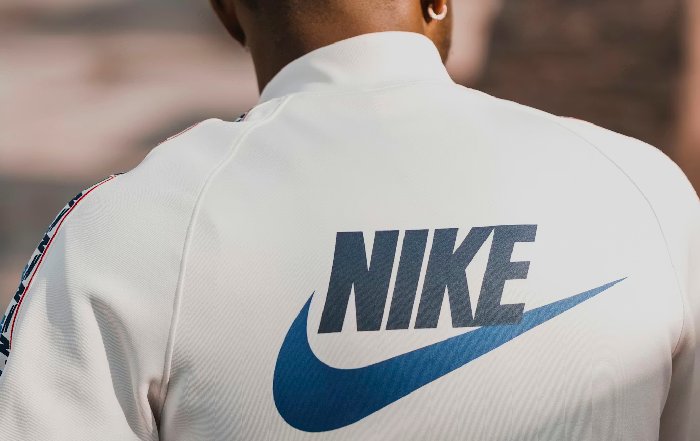
Why Major Fashion Houses Are Collaborating with Sports Brands
A New Era of Style, Performance, and Cultural Power
The once-clear boundaries between luxury fashion, performance sportswear, and lifestyle culture have effectively dissolved, giving rise to a powerful new ecosystem in which major fashion houses and sports brands operate less as competitors and more as strategic collaborators. What began as limited-edition sneaker drops and runway cameos by athletes has evolved into multi-year partnerships, co-owned product lines, and cross-industry ventures that touch everything from professional sports sponsorships to digital fitness platforms and wellness ecosystems. For readers of FitBuzzFeed-who move fluidly between interests in sports, fitness, health, business, and lifestyle-this convergence is not a passing trend but a fundamental reshaping of how global brands create value, signal identity, and build trust.
The question is no longer why a luxury house would consider working with a sportswear giant; instead, the strategic discussion in boardrooms from Paris to Portland and from Milan to Seoul revolves around how deeply these alliances should extend, which audiences they should prioritize, and how to balance exclusivity with scale. Understanding this shift requires a close look at consumer behavior, technological innovation, performance expectations, and the changing nature of cultural influence across regions such as North America, Europe, and Asia, where sports and fashion now intersect in almost every aspect of daily life.
From Streetwear Experiment to Strategic Imperative
When collaborations between luxury fashion houses and athletic brands first gained mainstream attention in the mid-2010s, many observers saw them as daring marketing stunts or short-lived streetwear experiments. The success of partnerships such as Louis Vuitton with Supreme, Adidas with Yeezy, and Nike with Off-White signaled a new appetite among consumers for products that combined the status of high fashion with the functionality and cultural credibility of performance sportswear. Over time, these early collaborations demonstrated that such partnerships could generate not only hype but also sustained revenue, global brand equity, and deeper emotional engagement with younger demographics.
By the early 2020s, this experimental phase had given way to long-term strategic alliances. Luxury houses recognized that sportswear brands had developed unmatched expertise in performance materials, scalable manufacturing, and global distribution, while athletic brands saw in luxury partners a pathway to higher-margin segments, elevated design language, and access to fashion-conscious consumers in major markets like the United States, the United Kingdom, Germany, China, and Japan. Industry analyses from organizations such as McKinsey & Company and The Business of Fashion highlighted how the "athleisure" and "luxury streetwear" segments were outpacing traditional apparel categories, prompting leaders across both sectors to reconsider their competitive boundaries and explore new forms of collaboration. Those seeking to understand these shifts in greater depth can learn more about global fashion industry dynamics.
For a platform like FitBuzzFeed, whose audience often treats apparel as both performance equipment and personal branding, these collaborations have become a central reference point for how identity is expressed in gyms, on running tracks, at sporting events, and in everyday urban environments.
The Consumer at the Center: Lifestyle, Identity, and Performance
The most powerful driver behind the rise of fashion-sports collaborations is the consumer, whose lifestyle has become more fluid, mobile, and health-oriented across virtually every major region. In cities like New York, London, Berlin, Toronto, Sydney, and Singapore, professionals move seamlessly between work, training, social engagements, and digital spaces, expecting their clothing to support athletic performance, align with wellness goals, and still meet the aesthetic standards of high fashion. This convergence is especially visible among younger demographics in North America, Europe, and Asia, who increasingly see no sharp distinction between "sportswear" and "fashion," but instead evaluate brands based on authenticity, functionality, sustainability, and cultural relevance.
Research from organizations such as the World Economic Forum and OECD has highlighted how rising awareness of health and wellness, combined with urbanization and digital connectivity, has reshaped consumer expectations. People are more engaged with physical activity, from structured training plans and boutique fitness studios to informal recreational sports and digital fitness communities, and they expect their apparel to support this active lifestyle. Those interested in how wellness trends intersect with global economics can explore insights on health and well-being.
On FitBuzzFeed, this shift is mirrored in the way readers consume content across fitness, wellness, nutrition, and technology, seeking guidance that integrates performance, aesthetics, and long-term health. Fashion-sports collaborations resonate strongly with this audience because they present products not merely as clothing, but as tools for self-optimization and expressions of personal values, whether that means prioritizing sustainability, embracing cutting-edge design, or aligning with the ethos of a favorite athlete or team.
Performance Innovation Meets Luxury Craftsmanship
A central reason why major fashion houses are drawn to sports brands is the latter's deep expertise in performance innovation, from advanced textiles and ergonomic construction to biomechanics-informed design and data-driven product testing. Companies such as Nike, Adidas, Puma, and Under Armour have invested heavily in research and development, leveraging partnerships with sports scientists, biomechanists, and elite athletes to create products that enhance speed, stability, comfort, and recovery. These capabilities are not easily replicated by traditional luxury houses whose historical strengths lie in craftsmanship, storytelling, and heritage rather than performance engineering.
At the same time, established fashion houses like Gucci, Balenciaga, Prada, Dior, and Burberry bring generations of expertise in tailoring, material finishing, color theory, and cultural narrative-building. When these strengths are combined with the performance-focused innovation of athletic brands, the result is a new category of products that deliver both technical excellence and aesthetic sophistication. This can be seen in collaborations involving high-performance sneakers with luxury leather detailing, outerwear that blends technical waterproof membranes with couture-level pattern cutting, and training apparel that incorporates both moisture-wicking technologies and distinctive design signatures.
Organizations such as MIT and ETH Zurich have documented advances in smart textiles, wearable sensors, and sustainable performance materials that are increasingly being adopted by both sports and fashion brands. Those interested in the science behind these innovations can explore developments in performance materials and wearable technology. For FitBuzzFeed readers who approach apparel as part of a broader performance toolkit-alongside training plans, recovery protocols, and nutrition strategies-these collaborations signal that high fashion is now genuinely engaging with the same performance metrics that matter in elite sport and everyday fitness.
Cultural Capital, Storytelling, and the Power of Collaboration
Beyond functionality, the collaborations between fashion houses and sports brands are driven by cultural capital and storytelling. In an era where brand value is increasingly tied to narrative coherence and cultural resonance, partnerships allow companies to borrow and blend each other's symbolic power. Luxury brands gain access to the authenticity and aspirational energy of sport, while athletic brands tap into the prestige, history, and artistic credibility of couture.
The influence of athletes and sports culture has expanded far beyond stadiums and courts, particularly in markets such as the United States, the United Kingdom, France, Spain, Brazil, and South Korea, where star players are also fashion icons, entrepreneurs, and social advocates. Collaborations that involve figures like LeBron James, Serena Williams, Kylian Mbappé, or Naomi Osaka demonstrate how athlete-led storytelling can bridge fashion and performance, attracting audiences that care as much about off-court style and social impact as about on-field achievements. Media platforms such as Vogue, GQ, and Hypebeast have chronicled this evolution, and readers can explore how sports and fashion culture intersect.
For FitBuzzFeed, which covers world and news alongside sport and lifestyle, these collaborations are understood not just as design exercises but as cultural events that reflect broader shifts in identity, gender norms, and global influence. When a major fashion house stages a runway show in partnership with a sports brand, or when a capsule collection is launched around a major event like the Olympics, the FIFA World Cup, or the NBA Finals, it becomes a focal point for conversations about representation, diversity, and the role of sport in shaping modern culture.
Regional Dynamics: Global Strategy with Local Nuance
While the trend toward fashion-sports collaborations is global, the motivations and expressions of these partnerships vary significantly across regions. In North America, where sports leagues such as the NBA, NFL, and MLS command enormous cultural attention, collaborations often revolve around team affiliations, city pride, and athlete-driven collections. Brands tailor their offerings to resonate with fans in cities like Los Angeles, New York, Toronto, and Miami, where streetwear, luxury fashion, and sports fandom intersect in distinctive ways.
In Europe, particularly in fashion capitals like Paris, Milan, London, and Berlin, collaborations tend to emphasize heritage, craftsmanship, and the blending of runway aesthetics with functional sportswear. Football culture plays a central role, with clubs in the Premier League, La Liga, Serie A, and the Bundesliga partnering with both sportswear and luxury brands to create jerseys, training kits, and fanwear that appeal to style-conscious supporters. Platforms such as UEFA provide a window into how football's global reach supports these cross-industry initiatives, and those interested can learn more about the commercial evolution of European football.
In Asia, where markets like China, Japan, South Korea, Singapore, and Thailand are at the forefront of digital adoption and youth culture, collaborations often experiment with technology, gaming, and virtual experiences. Brands launch limited-edition drops through local e-commerce platforms, integrate augmented reality try-ons, and work with K-pop idols, esports teams, and digital creators to reach hyper-connected audiences. Reports from organizations such as Deloitte and PwC have highlighted how Asia's middle class and Gen Z consumers are reshaping global luxury and sports markets, and readers can explore regional consumer trends.
For a globally minded audience like that of FitBuzzFeed, which tracks developments from the United States and Europe to Asia, Africa, and South America, these regional nuances underscore the importance of understanding not just the existence of collaborations but the local cultural codes that determine their success.
The Business Case: Revenue, Risk Mitigation, and Portfolio Strategy
From a strictly business perspective, collaborations between major fashion houses and sports brands serve multiple strategic objectives. They open new revenue streams, diversify product portfolios, and reduce dependence on traditional seasonal cycles, which have become increasingly volatile due to climate change, supply chain disruptions, and shifts in consumer behavior. By co-developing products that can be sold through both luxury boutiques and mass-market channels, brands can reach a broader spectrum of price points and customer segments without diluting their core identities.
Financial analysts and institutions such as Morgan Stanley, Goldman Sachs, and Credit Suisse have noted that collaborations can generate significant short-term revenue spikes through limited releases, while also supporting long-term brand equity when managed carefully. These partnerships also allow companies to test new markets and concepts with reduced risk, since the shared investment and co-branding mitigate potential failures. Those interested in the financial dimensions of the fashion and sports sectors can explore broader retail and consumer insights.
For job seekers and professionals, the rise of these collaborations has expanded career opportunities at the intersection of design, sports science, digital marketing, and brand management. On FitBuzzFeed, the jobs and business sections increasingly highlight roles that require fluency in both performance and luxury storytelling, such as collaboration managers, cross-category product directors, and brand partnership strategists. This evolution underscores how deeply integrated the two sectors have become, not only in products but also in organizational structures and talent strategies.
Sustainability, Ethics, and the Trust Equation
As the global conversation around climate change, labor rights, and ethical consumption intensifies, collaborations between fashion houses and sports brands are also being evaluated through the lens of sustainability and corporate responsibility. Consumers in regions such as Scandinavia, Germany, Canada, Australia, and New Zealand, as well as in major urban centers worldwide, are increasingly scrutinizing brands' environmental footprints, supply chain transparency, and commitments to social justice. In this context, collaborations are not just design projects but also statements about shared values and accountability.
Organizations such as the Ellen MacArthur Foundation, Fashion for Good, and UN Environment Programme have stressed the need for circular fashion models, reduced resource use, and more responsible material sourcing. Sports brands, with their high-volume production and technical material requirements, face particular scrutiny, while luxury houses are challenged to justify the environmental impact of premium goods. Collaborations that integrate recycled materials, low-impact dyes, and circular design principles are becoming more common, and readers can learn more about sustainable business practices.
For FitBuzzFeed readers who connect their interest in health, wellness, and physical performance with a broader concern for planetary well-being, trust in these collaborations depends on more than aesthetics or celebrity endorsements. It hinges on whether brands demonstrate measurable progress in reducing emissions, improving labor conditions, and designing products that support longevity and repairability. Trustworthiness, in this context, is built through transparency reports, third-party certifications, and consistent actions rather than one-off campaigns.
Technology, Data, and the Future of Connected Apparel
The next phase of collaboration between fashion houses and sports brands is increasingly being shaped by technology, particularly in the areas of data analytics, digital experiences, and connected apparel. Sports brands have long used data from wearables, training apps, and performance tracking systems to refine products and support athletes, while luxury houses are now leveraging digital tools to personalize shopping experiences, create virtual showrooms, and engage customers through immersive storytelling.
With the rise of advanced wearables and smart textiles, there is growing potential for apparel that not only looks and feels premium but also monitors biometrics, tracks movement, and integrates with broader health ecosystems. Technology companies such as Apple, Samsung, and Garmin have demonstrated how wearables can support fitness and wellness goals, and readers can explore the evolution of health-focused technology. Collaborations between fashion and sports brands are beginning to incorporate sensors, adaptive materials, and app integrations that allow consumers to track their performance, recovery, and even posture while wearing garments that align with their aesthetic preferences.
For FitBuzzFeed, which covers technology alongside training and lifestyle, this convergence of connected apparel and luxury design is particularly relevant. It suggests a future in which a single outfit may function as a performance coach, health monitor, and style statement, with data flowing seamlessly between devices, platforms, and services. Such developments also raise important questions about data privacy, algorithmic bias, and equitable access, which will likely shape the regulatory and ethical landscape for years to come.
Events, Experiences, and Community-Building
Another reason major fashion houses are collaborating with sports brands is the opportunity to create immersive experiences and events that go beyond traditional retail or runway formats. From pop-up training studios and branded wellness retreats to co-hosted tournaments and fan festivals, these partnerships are increasingly focused on building communities rather than simply launching products. Global sporting events such as the Olympic Games, FIFA World Cup, Rugby World Cup, and major marathons in cities like Boston, London, Berlin, Tokyo, and New York provide natural stages for such activations.
Event-driven strategies allow brands to demonstrate their commitment to sport, wellness, and lifestyle in tangible ways, while also collecting valuable feedback and data from participants. Organizations like the International Olympic Committee and FIFA have highlighted how commercial partnerships are evolving to include broader engagement initiatives, and readers can learn more about the role of brands in global sporting events. For FitBuzzFeed, which tracks events across sports, wellness, and lifestyle, this experiential dimension underscores how collaborations are increasingly about building long-term relationships with communities rather than one-off product drops.
In markets such as South Africa, Brazil, India, and Southeast Asia, where community-based sports and outdoor lifestyles play a significant role in social life, such experiences can help brands establish deeper roots and demonstrate cultural sensitivity. Whether through local running clubs, grassroots football tournaments, or wellness festivals, collaborations that prioritize community-building are more likely to earn trust and loyalty.
What It Means for the Future of Sports, Fashion, and Wellness
It is clear that collaborations between major fashion houses and sports brands are not a temporary phenomenon but a structural feature of the global consumer landscape. As economic, technological, and cultural forces continue to reshape how people live, work, train, and express themselves, these partnerships will likely expand into new domains, including digital-only fashion, virtual sports experiences, and integrated health platforms that span apparel, nutrition, and mental wellness.
For readers of FitBuzzFeed, who engage with content across sports, fitness, nutrition, lifestyle, and wellness, the rise of these collaborations represents both an opportunity and a responsibility. On one hand, consumers gain access to products that better reflect their multifaceted lives, combining high performance, aesthetic refinement, and alignment with personal values. On the other hand, the power of these collaborations to shape culture, influence behavior, and set standards for sustainability means that informed scrutiny and thoughtful choices are more important than ever.
As fashion houses and sports brands deepen their partnerships, the most successful alliances will likely be those that demonstrate genuine expertise, long-term commitment, and transparent accountability across performance, design, and ethics. In this evolving landscape, trust will be earned not just through iconic logos or limited-edition drops, but through consistent delivery of value that supports physical well-being, psychological confidence, and a more sustainable future. For a global audience that views sport, fashion, and wellness as interconnected pillars of modern life, this integrated approach is not only desirable but essential.