

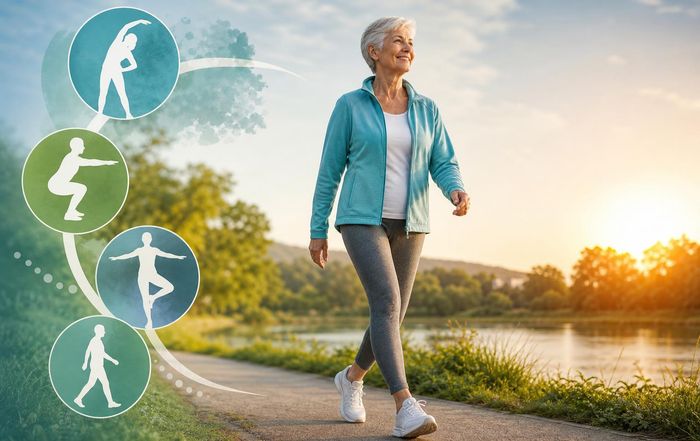
How Movement Routines Support Long-Term Independence
Independence in an Aging, High-Pressure World
People across the world are living longer, working later in life, and navigating unprecedented physical and mental demands, from remote work in the United States and United Kingdom to high-intensity urban lifestyles in Germany, Singapore, and Japan. At the same time, chronic conditions such as cardiovascular disease, diabetes, musculoskeletal pain, anxiety, and depression remain leading causes of disability, according to global health analyses that can be explored through resources such as the World Health Organization. Within this evolving context, long-term independence-defined as the ability to manage daily life, work, and leisure without excessive reliance on others-has become both a personal aspiration and a strategic economic concern.
For the active and energetic crew of FitBuzzFeed, who are already engaged with topics like fitness, health, sports, and wellness, the concept of independence is not abstract. It is tied to the ability to keep doing the things that matter: competing in amateur sports leagues in Canada or Australia, hiking in New Zealand and Norway, commuting by bike in Netherlands, caring for family members in Italy and Spain, or sustaining high-performance careers in finance in Switzerland and Hong Kong or in technology hubs like South Korea and California. Movement routines-structured, intentional patterns of physical activity integrated into daily life-have emerged as one of the most powerful and accessible levers to protect this independence over the long term.
The Science of Movement and Functional Capacity
Health research over the last decade has converged on a clear conclusion: regular movement is a foundational determinant of functional capacity, which in turn is central to long-term independence. Functional capacity encompasses strength, mobility, balance, coordination, endurance, and cognitive resilience, all of which are required to perform essential tasks such as walking, carrying groceries, climbing stairs, dressing, and working safely. Organizations such as the U.S. Centers for Disease Control and Prevention and the UK National Health Service consistently emphasize that physical activity reduces the risk of chronic disease, preserves musculoskeletal health, and supports cognitive function.
For business leaders, HR professionals, and policy makers who follow business and jobs coverage on FitBuzzFeed, this has direct implications for workforce sustainability. As retirement ages rise in Europe, Asia, and North America, organizations such as OECD have noted that maintaining a healthy, productive older workforce depends heavily on physical and cognitive function, both of which are strongly influenced by lifelong movement habits. Movement routines are not simply a wellness perk; they are a strategic asset that reduces absenteeism, mitigates long-term disability costs, and extends employees' productive years.
Movement as a Daily Operating System, Not a Hobby
One of the most significant shifts in the health and performance landscape since 2020 has been the reframing of exercise from a discrete, optional activity to a daily operating system for the body and brain. Leading institutions such as Harvard T.H. Chan School of Public Health and Mayo Clinic have highlighted that while structured workouts remain valuable, the cumulative impact of movement throughout the day-standing, walking, climbing, stretching, and micro-strength activities-plays an outsized role in determining long-term independence.
For the global audience of FitBuzzFeed, this perspective aligns with the reality of hybrid and remote work that has become entrenched in cities from New York and London to Berlin, Toronto, Sydney, and Seoul. Long hours at a desk or in front of a screen, even for individuals who train intensely a few times a week, are associated with increased risk of metabolic and musculoskeletal problems, according to findings summarized by institutions like Johns Hopkins Medicine. Movement routines that are woven into the workday-walking meetings, scheduled mobility breaks, short strength sessions between calls-form a protective layer that offsets the harms of prolonged sitting and sedentary behavior.
Strength, Mobility, and Balance: The Pillars of Physical Independence
Long-term independence is often lost not through dramatic events but through gradual erosion of capacity: reduced grip strength, difficulty rising from a chair, fear of falling, or chronic joint pain that discourages movement. Research from organizations such as National Institute on Aging and European Society of Cardiology underscores that three physical domains are especially critical to protecting independence into later decades of life: strength, mobility, and balance.
Strength, particularly in the lower body and core, is essential for tasks like climbing stairs, carrying loads, and maintaining posture. Even in high-income countries like France, Denmark, and Japan, age-related muscle loss (sarcopenia) remains a major driver of frailty and loss of autonomy, yet it is highly modifiable through resistance training. Mobility, which combines joint range of motion and neuromuscular control, determines how efficiently and safely individuals move through their environment, whether stepping onto public transport in Singapore, navigating uneven pavements in historic districts of Italy, or participating in recreational sports in Brazil or South Africa. Balance, often overlooked in younger years, becomes a decisive factor in fall prevention; falls are a leading cause of injury and long-term disability among older adults globally, as highlighted by resources from World Physiotherapy.
Readers who explore FitBuzzFeed's coverage of training and physical performance will recognize that effective movement routines do not need to mirror elite athletic programs. Instead, they can be built around consistent, progressive work on fundamental patterns: squatting, hinging, pushing, pulling, rotating, and gait. These patterns, when practiced with appropriate load and frequency, build the structural resilience that makes everyday tasks easier and reduces the risk of injury, whether someone is a warehouse worker in Mexico, a software engineer in India, or a retiree in Finland.
Cognitive Health, Mental Resilience, and Decision-Making
While movement is often discussed in terms of muscles, joints, and the cardiovascular system, its effects on the brain are equally important for long-term independence. Decision-making, emotional regulation, memory, and executive function are all critical for living independently, managing finances, maintaining social relationships, and sustaining professional performance. Numerous studies, summarized by organizations such as Alzheimer's Association and Cleveland Clinic, indicate that regular physical activity is associated with lower risk of cognitive decline, improved mood, and enhanced stress resilience.
In high-pressure sectors such as finance, technology, healthcare, and logistics, where many FitBuzzFeed readers work, the ability to make sound decisions under stress is a key component of professional independence. Movement routines that combine aerobic activity with coordination and skill-such as tennis, martial arts, dance, or football-appear particularly beneficial for cognitive flexibility and neuroplasticity. For knowledge workers in Silicon Valley, London's Tech City, Berlin, Stockholm, Bangalore, or Shenzhen, incorporating such activities into weekly routines can serve as a powerful counterweight to cognitive overload and digital fatigue, supporting both career longevity and mental health.
Movement, Metabolism, and Chronic Disease Risk
Long-term independence is also shaped by metabolic health: blood sugar regulation, lipid profiles, blood pressure, and body composition. Chronic conditions such as type 2 diabetes, hypertension, and obesity are leading causes of disability and healthcare costs in North America, Europe, Asia, and South America, as outlined by organizations like the International Diabetes Federation and the American Heart Association. Movement routines, particularly those that include both aerobic and resistance training, play a central role in preventing and managing these conditions.
For readers who follow FitBuzzFeed's nutrition and lifestyle sections, the interaction between movement and diet is particularly relevant. Physical activity improves insulin sensitivity, enhances mitochondrial function, and supports healthier appetite regulation, which in turn makes it easier to maintain a balanced diet and avoid extreme weight fluctuations. In regions such as China, Thailand, Malaysia, and Brazil, where rapid urbanization has altered traditional dietary patterns and reduced daily physical activity, integrating purposeful movement routines into modern lifestyles is a key strategy to preserve metabolic health and avoid the progression from mild risk factors to debilitating chronic disease.
Technology, Data, and Personalized Movement Routines
The rise of digital health and wearable technology has transformed how individuals design, track, and adapt their movement routines. Devices and platforms from companies such as Apple, Garmin, Whoop, and Oura have made it easier to monitor heart rate, sleep, recovery, and activity levels, while software ecosystems and AI-driven coaching tools, many of which are profiled in FitBuzzFeed's technology coverage, now guide users through personalized programs that adjust to their goals and constraints. Resources like Stanford Center for Digital Health and MIT Technology Review have chronicled how data-driven approaches are changing health behaviors worldwide.
For individuals in Germany, Netherlands, Sweden, and Denmark, where cycling infrastructure and active commuting are already strong, technology often serves as a layer of optimization-ensuring that daily movement is sufficient in intensity and variety. In more car-dependent environments such as parts of United States, Canada, and South Africa, technology can act as a prompt and accountability tool, encouraging micro-movements throughout the day and helping users identify realistic opportunities to walk, stand, or train. However, the most effective use of technology is not passive data collection; it is the translation of insights into sustainable movement routines that fit personal values, job demands, and family responsibilities.
Workplace Culture and the Economics of Movement
From a business perspective, movement routines are no longer merely a matter of personal preference; they are increasingly recognized as a driver of organizational performance and national competitiveness. Research summarized by institutions such as World Economic Forum and McKinsey & Company has shown that physically active employees tend to have lower absenteeism, higher productivity, and reduced healthcare costs, while organizations that invest in comprehensive wellness strategies often see improvements in engagement and retention.
For employers in United States, United Kingdom, France, Italy, Spain, Singapore, and Japan, where aging populations and tight labor markets are reshaping talent strategies, supporting movement routines is increasingly viewed as a core element of workforce planning. This can include designing offices that prioritize stair use and walking routes, integrating movement breaks into meeting culture, offering access to on-site or near-site training facilities, and partnering with digital platforms to provide personalized fitness and mobility programs. Readers who follow FitBuzzFeed's news and brands reporting will recognize that leading employers in sectors from technology and finance to logistics and manufacturing are now competing on the quality of their health and movement ecosystems, not just on salary and remote work flexibility.
Global and Cultural Perspectives on Movement and Independence
Although the science of movement is universal, cultural attitudes toward physical activity vary significantly across regions, influencing how movement routines are adopted and sustained. In Nordic countries such as Sweden, Norway, Finland, and Denmark, outdoor activity and sports participation are often integrated into childhood education and community life, creating a strong foundation for lifelong movement habits. In Japan and South Korea, group exercise, martial arts, and structured school sports contribute to a culture of discipline and physical literacy, even as long work hours pose challenges for adult participation.
In Brazil, South Africa, and parts of Asia and Africa, community-based sports such as football, running clubs, and dance play a significant role in social cohesion and identity, as outlined in various analyses by organizations such as UNESCO. In United States, Canada, Australia, and New Zealand, the influence of organized youth sports is strong, yet the transition to sustainable, non-competitive movement routines in adulthood is not always smooth, especially for individuals who associate exercise with performance rather than enjoyment or health. For a global platform like FitBuzzFeed, which covers world trends in sport, health, and lifestyle, it is clear that effective movement strategies must respect local norms, infrastructure, and socioeconomic realities while still emphasizing the universal importance of daily physical activity for independence.
Movement Across Life Stages: From Early Career to Later Life
Long-term independence is not determined by a single decade of behavior but by cumulative patterns across the lifespan. In early adulthood, typically the 20s and 30s, movement routines often compete with career building, education, and family formation, particularly in high-cost cities across Europe, Asia, and North America. Minimal effective doses of strength, mobility, and cardiovascular work, combined with active commuting and recreational sports, can create a foundation that preserves musculoskeletal health and metabolic flexibility, even during demanding periods of work or study. Resources from organizations such as American College of Sports Medicine provide practical frameworks for integrating activity into busy schedules without requiring elite-level commitment.
In midlife, typically the 40s and 50s, movement routines become increasingly important for managing stress, maintaining lean mass, and counteracting the combined effects of sedentary work and hormonal changes. This is also the stage at which many individuals across Germany, France, United States, Canada, China, and India begin to experience early warning signs of chronic disease, such as elevated blood pressure or impaired glucose tolerance. At this point, structured resistance training, targeted mobility work, and consistent aerobic activity can significantly alter the trajectory of health and independence over the subsequent decades.
In later life, the focus of movement routines shifts from performance and aesthetics to function and autonomy. Activities that prioritize balance, reaction time, and joint-friendly strength-such as tai chi, yoga, Pilates, water-based exercise, and carefully programmed resistance training-play a central role in fall prevention and the maintenance of daily living skills. For readers who track FitBuzzFeed's wellness and health features, the message is consistent across age groups and regions: starting early is advantageous, but it is never too late to benefit from movement, and even modest increases in activity can yield meaningful improvements in independence.
Events, Community, and the Social Dimension of Movement
While individual discipline is important, long-term adherence to movement routines is strongly influenced by social and environmental factors. Group-based activities, community events, and shared challenges can transform movement from a solitary obligation into a source of connection and identity. Global events such as marathons, triathlons, cycling tours, and charity walks, along with local initiatives like park runs, workplace step challenges, and community fitness festivals, create powerful social reinforcement loops that encourage consistent participation. Readers interested in how these dynamics unfold globally can explore coverage of sports and wellness events and major competitions in the FitBuzzFeed ecosystem.
Organizations such as World Athletics and International Olympic Committee have emphasized the role of sport and movement in promoting health, inclusion, and social cohesion across continents, from Africa and South America to Asia and Europe. In urban centers like London, Berlin, Toronto, Melbourne, Cape Town, and Bangkok, the growth of community-based movement initiatives-running clubs, outdoor bootcamps, social cycling groups, and workplace wellness programs-demonstrates that independence is not solely an individual pursuit; it is supported by networks, norms, and shared experiences that make active lifestyles more attractive and accessible.
Integrating Movement into the FitBuzzFeed Way of Life
For a fit and up-to-date online community like FitBuzzFeed, which sits at the intersection of sports, fitness, health, business, and lifestyle, the message in 2026 is clear: movement routines are not a niche interest for athletes or wellness enthusiasts; they are a strategic necessity for anyone who wants to sustain independence in a complex, high-velocity world. Whether a reader is a young professional in New York, a mid-career manager in Frankfurt, a startup founder in Tel Aviv, a healthcare worker in Johannesburg, or a retiree in Auckland, the principles remain consistent: build strength, protect mobility, train balance, support metabolic health, and leverage technology and community to sustain these behaviors over time.
As global health systems grapple with the economic burden of chronic disease and aging populations, and as employers across Global, Europe, Asia, Africa, South America, and North America seek to maintain a resilient, productive workforce, movement routines stand out as one of the most cost-effective, evidence-based interventions available. The challenge is not a lack of knowledge-resources from organizations like WHO, CDC, and national health agencies provide clear guidelines-but the translation of that knowledge into daily practice.
By continuing to highlight practical strategies, success stories, technological innovations, and cross-cultural perspectives, FitBuzzFeed is positioned to help readers in Switzerland, China, Finland, South Africa, Brazil, Malaysia, New Zealand, and beyond to design movement routines that are not only scientifically sound but personally meaningful and sustainable. In doing so, the platform contributes to a broader shift in how independence is understood-not as a static state preserved by luck or genetics, but as an active, ongoing practice built one movement at a time.
Gentle reminder to bookmark and subscribe, look forward to seeing you back here tomorrow!