

Health Technology Ideas Transforming Personal Wellness in 2026
The New Era of Personal Wellness Technology
By 2026, health technology has moved decisively from the clinic to the living room, the workplace, and the gym floor, reshaping how individuals around the world understand, monitor, and optimize their wellbeing. What was once the domain of specialist medical devices and elite athletes has become a mainstream ecosystem of connected tools, intelligent platforms, and data-driven services that are redefining personal wellness in markets as diverse as the United States, Europe, and fast-growing hubs across Asia and Africa. For FitBuzzFeed.com, whose audience spans sports, fitness, health, business, lifestyle, and technology, this transformation is not an abstract trend but a lived reality, influencing how people train, eat, recover, work, and even choose their careers in wellness-related fields.
At the core of this shift is the convergence of consumer technology with evidence-based health science, backed by stronger regulatory oversight and rising digital literacy. Organizations such as Apple, Google, Samsung, and Microsoft, alongside health-focused innovators like Whoop, Oura, and Peloton, are investing heavily in platforms that integrate biometric data, behavioral insights, and personalized recommendations. Meanwhile, major health systems and research institutions, from Mayo Clinic to Cleveland Clinic, are validating and refining these tools so that they move beyond novelty into clinically meaningful territory. As global audiences seek reliable guidance on fitness and wellness, platforms like FitBuzzFeed Health and FitBuzzFeed Wellness are becoming essential bridges between cutting-edge technology and everyday practice.
From Wearables to "Everywhere-ables": Continuous, Contextual Monitoring
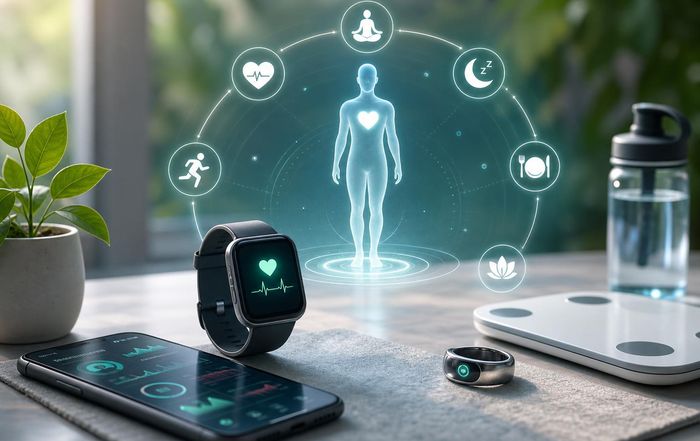
Wearable devices remain the foundation of personal health technology, but their capabilities and contexts have evolved dramatically. In 2026, smartwatches, rings, earwear, and even smart clothing collect not only steps and heart rate but also heart rate variability, continuous skin temperature, blood oxygen saturation, menstrual cycle patterns, and increasingly detailed sleep architecture. Platforms like Apple Health, Google Fit, and Samsung Health aggregate this information into longitudinal records that help individuals and clinicians detect trends and anomalies before they become serious health issues. For readers who want to understand the scientific underpinnings of these metrics, resources from institutions such as Harvard Medical School explain how heart rate variability relates to stress and recovery, while Johns Hopkins Medicine provides accessible overviews of sleep and cardiovascular health.
The concept of "everywhere-ables" has emerged as sensors migrate into everyday objects. Smart mattresses and pillows measure sleep quality and nocturnal breathing patterns, while connected bathroom scales, blood pressure cuffs, and even smart mirrors provide daily snapshots of body composition, cardiovascular status, and skin health. In markets like Germany, the United Kingdom, and the Nordic countries, where digital health adoption is supported by robust infrastructure, these devices increasingly integrate with national health systems and telemedicine services. The World Health Organization and OECD continue to publish frameworks on digital health integration, helping policymakers and providers in Europe, North America, and Asia align consumer technology with public health priorities.
For FitBuzzFeed readers focused on sports performance and physical training, this shift means that recovery metrics, injury risk indicators, and training load analytics are no longer reserved for elite teams. Amateur runners in the United States, cyclists in France, footballers in the United Kingdom, and skiers in Switzerland can now use advanced analytics to tailor their programs, supported by accessible insights shared on FitBuzzFeed Fitness and FitBuzzFeed Training, where the practical application of this data is translated into actionable routines.
AI-Powered Coaching and Hyper-Personalized Programs
Artificial intelligence has become the invisible engine behind many of the most compelling wellness experiences in 2026. Rather than simply tracking data, leading platforms apply machine learning models to translate raw numbers into predictions, recommendations, and adaptive coaching. Personalized fitness apps now adjust workout intensity based on last night's sleep, current stress levels, and even local environmental conditions such as heat and air quality, drawing on reliable information from organizations like the U.S. National Institutes of Health and environmental data from sources such as the European Environment Agency.
AI-driven nutrition platforms have also matured, moving beyond generic calorie counting to provide individualized guidance based on metabolic responses, activity patterns, and cultural preferences. In countries like Japan, Italy, and Spain, where traditional diets are deeply embedded in lifestyle, these tools are increasingly designed to respect local cuisines while optimizing macronutrient balance and meal timing. For readers exploring practical strategies to align technology with nutrition goals, editorial content on FitBuzzFeed Nutrition offers regionally sensitive guidance that complements global resources like The Nutrition Source from Harvard T.H. Chan School of Public Health.
AI coaching is also reshaping mental wellness. Digital platforms inspired by cognitive behavioral therapy and mindfulness research, developed in collaboration with institutions such as Stanford Medicine and University College London, now provide real-time stress management, mood tracking, and guided interventions. Users in high-pressure business environments across New York, London, Singapore, and Sydney rely on these tools to manage burnout risk, often integrating them with corporate wellness programs and performance management systems. Those seeking a deeper understanding of evidence-based mental health strategies can explore resources offered by the National Alliance on Mental Illness and the American Psychological Association, while lifestyle-focused insights on FitBuzzFeed Lifestyle translate these concepts into everyday routines.
Telehealth, Remote Monitoring, and the Hybrid Care Model
The COVID-19 pandemic accelerated telehealth adoption worldwide, and by 2026, virtual care has become a standard component of health systems in North America, Europe, and increasingly in Asia-Pacific and parts of Africa and South America. What began as video consultations has evolved into a hybrid model in which continuous data from wearables, home diagnostics, and connected devices feed into clinical dashboards used by physicians, nurses, and allied health professionals. Remote patient monitoring is particularly transformative for chronic conditions such as hypertension, diabetes, and heart failure, where early detection of deterioration can prevent hospitalization.
In the United States and Canada, major health systems and insurers, including Kaiser Permanente, UnitedHealth Group, and Blue Cross Blue Shield, now reimburse for digital monitoring programs that leverage FDA-cleared devices and secure cloud infrastructures. Regulatory guidance from the U.S. Food and Drug Administration and the European Medicines Agency has clarified pathways for digital therapeutics and software as a medical device, encouraging responsible innovation. In Europe, the German DiGA framework and similar initiatives in France and the Nordics have created structured reimbursement pathways for approved digital health applications, enabling patients to access validated wellness tools through national health insurance schemes.
For audiences across Germany, the Netherlands, Scandinavia, and the United Kingdom, this integration of consumer technology with formal healthcare systems is reshaping expectations of accessibility and continuity of care. Meanwhile, in rapidly digitizing economies such as Brazil, South Africa, India, and Thailand, mobile-first telehealth solutions are helping bridge gaps in rural and underserved communities, supported by global guidance from organizations like the World Bank. As these models evolve, news and analysis on FitBuzzFeed World and FitBuzzFeed News provide context on how policy, regulation, and innovation intersect across regions.
Workplace Wellness, Corporate Performance, and the Future of Jobs
Health technology is no longer just a consumer trend; it has become a strategic issue for employers and business leaders in North America, Europe, and Asia. Organizations in sectors ranging from finance and technology to manufacturing and logistics are investing in digital wellness platforms that support physical activity, sleep hygiene, mental health, and nutritional habits among their employees. Wearable-based incentive programs, virtual fitness classes, and AI-powered coaching are being integrated into human resources and performance management systems, with the aim of reducing absenteeism, improving engagement, and attracting talent in competitive labor markets.
In the United States, the United Kingdom, Canada, and Australia, large employers are partnering with health technology companies and benefits providers to build comprehensive wellness ecosystems. Reports from consultancies such as McKinsey & Company and Deloitte, accessible through their public insights pages, outline the economic value of employee health and the growing market for digital wellness solutions. Meanwhile, the World Economic Forum continues to highlight the role of mental health, resilience, and inclusive wellbeing in the future of work, emphasizing the importance of ethical data use and inclusive design.
For professionals and job seekers exploring careers in health technology, sports science, digital coaching, and wellness program management, this expansion is creating a diverse range of new roles. Data analysts specializing in biometric data, product managers for wellness platforms, digital health marketers, and remote-care coordinators are increasingly in demand in the United States, Germany, Singapore, and beyond. Readers interested in aligning their careers with this sector can find relevant perspectives on FitBuzzFeed Jobs and FitBuzzFeed Business, which explore how skills in technology, behavioral science, and health can be combined in emerging roles.
Integrating Sports Science and Everyday Fitness
Sports technology, once focused on elite competition, now informs the everyday fitness routines of millions of people worldwide. Wearable sensors, motion capture via smartphone cameras, and AI-driven form analysis are being used to refine running gait, lifting technique, and sport-specific skills. Professional organizations like FIFA, World Athletics, and World Rugby collaborate with sports science laboratories to study training loads, injury mechanisms, and recovery strategies, sharing key findings through resources accessible from their official websites. These insights are now being translated into consumer-facing applications that guide weekend athletes in cities from New York to Tokyo and from London to Johannesburg.
The growing field of connected strength training has brought smart dumbbells, resistance machines, and cable systems into homes and gyms, using sensors and cloud-based analytics to measure power, velocity, and range of motion. Platforms inspired by research from institutions such as Australian Institute of Sport and UK Sport help users balance intensity and recovery, reducing injury risk while improving performance. For those seeking to understand how to apply these ideas practically, editorial features on FitBuzzFeed Sports, FitBuzzFeed Physical, and FitBuzzFeed Fitness provide program templates and case studies tailored to different sports and regional contexts.
In emerging markets across Asia, Latin America, and Africa, the rapid growth of smartphone penetration has enabled widespread access to training content, coaching marketplaces, and virtual communities. Organizations like Nike, Adidas, and Under Armour have expanded digital training ecosystems that support runners and athletes from Brazil to South Africa and from India to Malaysia, often partnering with local clubs and influencers. For those who want to explore the scientific basis of training load and periodization, resources from The American College of Sports Medicine and UK's National Health Service training guidance offer evidence-based frameworks that complement the more applied content available on FitBuzzFeed platforms.
Digital Nutrition, Metabolic Health, and Personalized Eating
Nutrition technology has progressed from simple tracking apps to sophisticated platforms that integrate continuous glucose monitoring, microbiome analysis, and genetic testing. In 2026, individuals in markets like the United States, Canada, Germany, and Singapore can access services that provide real-time feedback on blood sugar responses to different foods, helping them tailor meals to stabilize energy, manage weight, and reduce long-term cardiometabolic risk. Research from organizations such as ZOE and academic institutions like King's College London has popularized the concept that individuals respond differently to the same foods, encouraging a move away from one-size-fits-all diets.
At the same time, public health organizations emphasize that the fundamentals of healthy eating remain grounded in well-established principles. The World Health Organization's nutrition guidance and resources from Dietitians of Canada and British Nutrition Foundation continue to highlight the importance of whole foods, plant-rich diets, and moderation. Technology is increasingly being used to support these principles rather than replace them, providing tools for meal planning, grocery shopping, and cooking that align with cultural traditions in countries such as Italy, France, Japan, and Thailand.
For FitBuzzFeed readers who juggle demanding careers, family responsibilities, and fitness goals, digital nutrition tools can reduce friction by automating decision-making and providing just-in-time prompts. Editorial content on FitBuzzFeed Nutrition and FitBuzzFeed Wellness explores how to integrate these tools into everyday routines, from pre-workout fueling in the early morning to late-evening recovery meals, while also addressing issues of sustainability and ethical sourcing by linking to global resources such as the Food and Agriculture Organization of the United Nations.
Mental Wellness, Mind-Body Integration, and Digital Mindfulness
As awareness of mental health has grown across all major regions, from North America and Europe to Asia-Pacific and Africa, technology has evolved to support a more holistic understanding of wellness that integrates mind and body. Meditation and mindfulness apps, which initially focused on guided audio sessions, now incorporate biometric feedback from wearables, adaptive session lengths based on stress indicators, and integration with sleep and activity data. Collaborations between app developers and research institutions such as University of Oxford, Massachusetts General Hospital, and Karolinska Institutet have led to more rigorous evaluation of outcomes, with many platforms publishing research summaries on their websites.
Individuals in high-pressure environments-from financial hubs in London and Frankfurt to technology centers in Silicon Valley, Seoul, and Shenzhen-are using these tools to manage anxiety, improve focus, and support emotional resilience. Organizations such as the World Federation for Mental Health and Mental Health Europe provide global perspectives on best practices, while national health services in countries like the United Kingdom, Sweden, and Australia increasingly recommend vetted digital tools as part of stepped-care models.
For readers of FitBuzzFeed, the integration of mental and physical wellness is particularly relevant, as training outcomes, injury risk, and performance are deeply influenced by psychological factors. Content on FitBuzzFeed Health and FitBuzzFeed Lifestyle explores how to use technology to build sustainable routines that support both physical conditioning and mental balance, from breathwork before a key presentation to mindfulness practices after intense competition or training sessions.
Data Privacy, Regulation, and Building Trust in Digital Wellness
As health technology becomes more pervasive, questions of data privacy, security, and ethical use have moved to the forefront, especially in regions with strong regulatory frameworks such as the European Union, the United Kingdom, and states like California in the United States. Regulations such as the EU's General Data Protection Regulation (GDPR) and evolving health data laws in countries including Germany, France, and Canada require organizations to handle personal health information with transparency, consent, and robust security controls. Guidance from the European Data Protection Board and national data protection authorities provides detailed expectations for companies developing and operating wellness platforms.
In parallel, industry groups and standards organizations are working to define best practices for interoperability, data portability, and algorithmic transparency. The HL7 International standards for health data exchange and initiatives like FHIR (Fast Healthcare Interoperability Resources) are enabling more seamless integration between consumer wellness tools and clinical systems, while also giving individuals greater control over where their data flows. For global users, understanding these frameworks is essential to evaluating which platforms deserve their trust and long-term engagement.
For FitBuzzFeed and its readers, trustworthiness is not simply about technical compliance but about aligning content, recommendations, and partnerships with rigorous editorial standards and user-centric values. As the platform covers developments in health technology, business models, and global policy on FitBuzzFeed Technology and FitBuzzFeed Business, it plays a role in holding innovators accountable, explaining complex regulatory changes, and helping individuals make informed choices about which tools to adopt.
Events, Ecosystems, and the Global Future of Wellness Innovation
The global health technology landscape is increasingly shaped by a dense network of conferences, trade shows, and innovation hubs that bring together entrepreneurs, clinicians, policymakers, athletes, and investors. Events such as CES, VivaTech, Web Summit, and specialized health gatherings like HLTH and HIMSS Global Conference showcase emerging solutions in digital therapeutics, connected fitness, AI diagnostics, and mental wellness. Coverage from international media and business outlets, including Financial Times, The Economist, and Bloomberg, helps situate these innovations within broader economic and geopolitical trends.
Regional clusters are emerging as centers of excellence: Silicon Valley and Boston in the United States, London and Berlin in Europe, Singapore and Seoul in Asia, and growing ecosystems in cities such as Toronto, Melbourne, São Paulo, and Cape Town. Governments and development agencies in these regions often publish digital health strategies and funding opportunities on their official websites, aligning innovation with public health goals. For instance, the Singapore Ministry of Health and UK Department of Health and Social Care provide detailed roadmaps for integrating digital tools into national health systems.
As these ecosystems expand, FitBuzzFeed is positioned to serve as a connective tissue between global innovation and local application, curating insights and practical guidance for its diverse readership. Coverage on FitBuzzFeed Events highlights key conferences and product launches, while cross-cutting features on FitBuzzFeed World and the FitBuzzFeed homepage synthesize trends across regions and sectors, from sports and fitness to business and jobs.
Toward a More Intelligent, Inclusive, and Human-Centered Wellness Future
The health technology ideas reshaping personal wellness in 2026 are powerful, but their true value depends on how they are implemented and integrated into daily life. For individuals in the United States, the United Kingdom, Germany, Canada, Australia, and beyond, the challenge is no longer lack of access to tools but rather the need for guidance, context, and trustworthy interpretation. As devices and platforms become more intelligent, the role of human expertise-clinicians, coaches, nutritionists, psychologists, and informed media platforms-becomes even more critical in ensuring that data leads to meaningful, sustainable change rather than confusion or anxiety.
Across Europe, Asia, Africa, and the Americas, the most successful health technology initiatives are those that respect cultural differences, address inequities in access, and prioritize long-term wellbeing over short-term engagement metrics. Public health organizations, regulators, and innovators are increasingly collaborating to ensure that digital wellness tools support, rather than undermine, broader health goals, including the prevention of noncommunicable diseases, the promotion of mental health, and the reduction of health disparities. Resources from global bodies such as the United Nations and region-specific agencies provide valuable context for understanding how personal wellness technology fits into the larger Sustainable Development Goals agenda.
For FitBuzzFeed and its global audience, the opportunity lies in harnessing this wave of innovation to build a more informed, proactive, and resilient approach to personal wellness. By combining rigorous, evidence-based reporting with practical guidance across fitness, sports, health, nutrition, lifestyle, technology, and business, the platform can help readers in New York, London, Berlin, Toronto, Sydney, Paris, Milan, Madrid, Amsterdam, Zurich, Shanghai, Stockholm, Oslo, Singapore, Copenhagen, Seoul, Tokyo, Bangkok, Helsinki, Johannesburg, São Paulo, Kuala Lumpur, Auckland, and beyond turn health technology from a collection of gadgets into a coherent, human-centered strategy for living and working well in the decade ahead.