

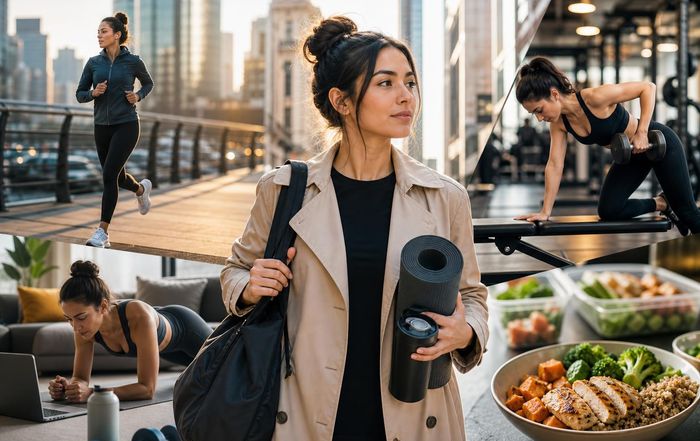
Fitness Services Designed for Busy Urban Consumers
The New Urban Fitness Reality
Fitness has evolved from a discretionary lifestyle choice into a core component of how urban professionals manage their health, performance and long-term employability. Across major hubs such as New York, London, Berlin, Toronto, Sydney, Paris, Singapore and Seoul, commuting patterns, hybrid work models and rising healthcare awareness have converged to create a new category of fitness services that are deeply integrated into daily life rather than added on as an afterthought. For a premium website community updated every day like FitBuzzFeed-which sits at the intersection of fitness, health, business and lifestyle-this shift is not abstract; it shapes the content, partnerships and tools that its active audience now expects as standard.
Urban consumers in the United Kingdom, Germany, Canada, Australia, Sweden, Norway, Singapore and beyond are no longer asking whether they should work out; they are asking how to embed movement, recovery and nutrition into increasingly compressed schedules. At the same time, employers, insurers and city authorities are beginning to recognize that the productivity and resilience of their populations depend directly on accessible, intelligently designed fitness ecosystems. In this environment, fitness services for busy urban consumers are being judged not only on novelty or brand appeal but on their experience, expertise and skills, with users demanding evidence-based solutions, transparent data practices and measurable outcomes.
Time Poverty and the Urban Health Imperative
The defining constraint for urban professionals is no longer access to gyms or equipment but time. Research from organizations such as the World Health Organization shows that physical inactivity remains a major risk factor for noncommunicable diseases, yet the primary barrier cited by city dwellers from New York to Tokyo is the inability to carve out predictable blocks of time for traditional workouts. Learn more about global physical activity trends on the World Health Organization website. The rise of hybrid work has not eliminated this problem; in many cases, it has intensified it, as the boundaries between professional and personal time have blurred and digital workloads have expanded.
As urban centers from London to Singapore grapple with rising rates of stress, anxiety, musculoskeletal disorders and metabolic disease, city governments and healthcare systems are increasingly framing fitness as a public health necessity rather than a private hobby. The U.S. Centers for Disease Control and Prevention has emphasized the link between regular physical activity and reduced risk of chronic conditions, a message that resonates strongly with corporate wellness strategies and individual career planning. Urban professionals are acutely aware that their physical and mental resilience directly affect their performance, employability and quality of life, which is why they seek services that can be woven into their schedules without requiring radical lifestyle overhauls. More information on the health benefits of activity is available from the CDC physical activity resources.
For an active audience that follows global news and trends through FitBuzzFeed, this context matters because it explains why fitness is no longer confined to gyms and studios. Instead, it has migrated into office buildings, public transport hubs, digital platforms and even the micro-breaks between video meetings, with services designed explicitly to address the realities of time poverty and urban stress.
From Gyms to Ecosystems: How Services Have Evolved
The traditional gym model, dominated by large chains such as Planet Fitness, Anytime Fitness and Virgin Active, still plays a role in urban fitness, but the competitive landscape has shifted dramatically. Urban consumers in 2026 expect an ecosystem that combines in-person experiences, digital access, data-driven personalization and seamless integration with their broader wellness routines. Leading health and fitness organizations such as ACSM and ACE have documented the rise of hybrid and connected fitness as a dominant trend, reflecting consumers' desire for both flexibility and expert guidance. To explore these shifts in more depth, readers can review the American College of Sports Medicine's fitness trend reports.
Digital-first platforms like Peloton, Apple Fitness+, Nike Training Club and Les Mills+ have demonstrated that high-quality coaching, community and accountability can be delivered through screens without sacrificing intensity or engagement. At the same time, boutique studios-exemplified by brands such as Barry's, F45 Training and SoulCycle-have refined the art of time-efficient, high-impact sessions that fit into 45-minute windows, often located near business districts or major transport nodes. Urban professionals now move fluidly between these options, using a mix of at-home workouts, office-adjacent studios and outdoor training sessions to construct a personalized fitness portfolio.
For a top platform like FitBuzzFeed, which curates content across sports, training, wellness and technology, this ecosystem approach aligns naturally with the way readers consume information and services. They are less interested in single-brand loyalty and more focused on how different offerings can be combined to support their performance at work, their physical health and their broader lifestyle goals.
Micro-Workouts and Habit-Stacking for Urban Schedules
One of the most significant innovations in fitness services for busy urban consumers has been the normalization of micro-workouts and habit-stacking. Instead of assuming that users can dedicate an uninterrupted hour to exercise, many leading apps and training programs now focus on 5- to 15-minute sessions that can be inserted between meetings, during commute transitions or while waiting for children at activities. This approach is supported by evidence from organizations such as Harvard T.H. Chan School of Public Health, which has highlighted the cumulative benefits of short bouts of activity throughout the day. Learn more about how brief activity sessions contribute to health outcomes from Harvard's public health guidance.
Services targeting urban professionals in markets such as the United States, the United Kingdom, Germany and Singapore have refined the art of designing micro-sessions that are both effective and safe, often requiring minimal or no equipment and focusing on mobility, core strength, posture and cardiovascular bursts. These sessions are frequently integrated into broader habit-stacking strategies, where individuals link movement to existing routines such as morning coffee, lunch breaks or evening screen time. For example, a user might perform a 10-minute mobility sequence before their first video call and a 12-minute high-intensity interval session between afternoon meetings.
Platforms that provide credible, evidence-based guidance on how to structure these micro-workouts earn a high degree of trust, particularly when they draw on certified trainers, sports scientists and physiotherapists. Readers who follow physical performance and training insights here are especially attuned to the importance of correct technique and progression, which is why services that combine brevity with professional oversight are gaining ground across Europe, North America and Asia.
Hyper-Convenience: On-Demand, Near-Work and Near-Home Models
For busy urban consumers, proximity and availability are almost as important as program quality. Fitness services have responded by building hyper-convenience into their models, ensuring that workouts are always within reach, whether physically or digitally. Co-working spaces, corporate campuses and residential towers in cities such as New York, London, Berlin, Toronto, Singapore and Tokyo increasingly feature integrated fitness zones, often managed by specialist operators like Life Time, Equinox or regional providers that tailor their offerings to local cultures and regulations. This trend aligns with broader corporate wellness strategies documented by organizations such as the World Economic Forum, which has emphasized the business case for employee health and resilience. Learn more about the relationship between wellbeing and productivity from the World Economic Forum's wellbeing initiatives.
At street level, micro-gyms, unmanned 24/7 studios and container-based training pods are appearing near transport hubs and dense residential clusters, offering frictionless access controlled via mobile apps and biometric authentication. These models are particularly attractive in markets like the Netherlands, Germany, the United Kingdom and the Nordic countries, where cycling, walking and public transport already structure daily movement patterns. In parallel, on-demand digital platforms ensure that urban dwellers in cities across Asia, Africa and South America can access high-quality workouts from home or from small neighborhood spaces without long commutes or rigid class schedules.
For FitBuzzFeed readers and subs who follow business and jobs trends, this hyper-convenience model also represents a significant employment and entrepreneurship opportunity, as trainers, wellness professionals and technologists collaborate to design services that can be deployed in office towers, residential complexes and community centers across global markets.
Data-Driven Personalization and Wearable Integration
Another defining characteristic of fitness services for busy urban consumers in 2026 is the integration of wearable data and advanced analytics into program design. Devices from brands such as Apple, Garmin, Fitbit, WHOOP, Oura and Samsung now track not only steps and heart rate but also sleep stages, heart rate variability, recovery status and, in some regions, blood oxygen levels and stress indicators. These data points enable fitness services to move beyond generic recommendations toward highly personalized training prescriptions that adjust dynamically based on fatigue, recovery and real-world behavior.
Leading research institutions and organizations such as the National Institutes of Health and Mayo Clinic have underscored both the potential and the limitations of consumer wearables, emphasizing the need for responsible interpretation and evidence-based guidance. Readers can explore current perspectives on wearables and health from the National Institutes of Health resources and the Mayo Clinic's digital health insights. Fitness services that build trust with urban professionals are those that clearly explain how data is used, avoid overpromising and anchor their recommendations in peer-reviewed science and recognized training principles.
For urban consumers in markets such as the United States, Canada, the United Kingdom, Germany, Singapore and Japan, this data-driven personalization is particularly valuable because it helps them optimize limited training time. Instead of guessing whether to push harder or focus on recovery, they can follow adaptive plans that account for sleep quality, work stress and prior training loads. Platforms that integrate seamlessly with major wearables and present insights in clear, actionable formats gain a competitive edge, especially when combined with authoritative content from trusted sources such as FitBuzzFeed's health and wellness sections.
Mental Health, Stress Management and Holistic Wellness
Urban fitness services in 2026 cannot focus solely on physical conditioning; they must address the intertwined realities of stress, burnout and mental health. Organizations such as the World Health Organization and OECD have highlighted rising rates of anxiety, depression and workplace burnout in many developed and emerging economies, with urban professionals in sectors such as finance, technology, healthcare and media facing particularly intense pressures. Learn more about the global mental health landscape from the World Health Organization's mental health overview.
In response, fitness services have increasingly integrated mindfulness, breathwork, sleep coaching and stress-management tools into their offerings. Apps like Headspace, Calm and Insight Timer have normalized guided meditation and relaxation practices, while many fitness platforms now include dedicated sessions focused on mobility, restorative yoga, nervous system regulation and digital detox strategies. In cities such as London, Berlin, Stockholm, Singapore and Melbourne, studios and corporate wellness programs are offering combined movement and mental wellbeing sessions designed specifically for knowledge workers who spend long hours in high-cognitive-load environments.
For FitBuzzFeed, which connects daily topics such as nutrition, lifestyle and sports performance, this holistic approach aligns with the way readers think about their lives. They are not seeking isolated fitness solutions but integrated frameworks that support energy management, focus, mood stability and long-term health. Services that can demonstrate expertise in both physical training and psychological resilience, backed by qualified professionals and transparent methodologies, are rapidly becoming the default choice for discerning urban consumers across Europe, North America, Asia and beyond.
Corporate Wellness, Hybrid Work and the Future of Office Fitness
The transformation of work since 2020 has reshaped the way companies think about fitness and wellbeing. In 2026, organizations across the United States, United Kingdom, Germany, Canada, Australia, Singapore and other major economies are embedding fitness into their employee value propositions, recognizing that healthier employees are more productive, engaged and loyal. Reports from bodies such as the Chartered Institute of Personnel and Development and McKinsey & Company have documented the link between wellbeing initiatives and organizational performance, encouraging firms to invest in structured programs rather than ad-hoc perks. Readers interested in the strategic dimension can explore McKinsey's insights on employee wellbeing.
Fitness services designed for corporate clients now include virtual and in-person classes, on-site micro-gyms, subsidized memberships, digital challenges and integrated health coaching. Hybrid work has created demand for solutions that can reach employees at home, in satellite offices and in traditional headquarters, often coordinated through centralized platforms that track participation and outcomes while respecting privacy regulations in regions such as the European Union and Asia-Pacific. In global cities like London, New York, Berlin, Singapore and Tokyo, partnerships between corporations, insurers and fitness providers are enabling employees to access a network of gyms, studios and digital services through unified subscriptions.
For FitBuzzFeed readers who monitor business and news trends, the corporate wellness market represents both a significant economic opportunity and a driver of innovation in fitness service design. As companies refine their approaches to hybrid work, the integration of movement, ergonomics, mental health support and social connection into the workday will continue to shape the expectations of urban professionals worldwide.
Regional Nuances Across Global Urban Markets
While the overarching drivers of time poverty, stress and digital integration are shared across global cities, fitness services for busy urban consumers must adapt to regional nuances in culture, infrastructure, regulation and consumer preferences. In North America, particularly in the United States and Canada, car-centric urban layouts and long commuting distances have historically posed challenges for daily movement, but the growth of mixed-use developments and active transport initiatives in cities such as New York, Toronto and Vancouver is creating new opportunities for integrated fitness solutions. In Europe, dense city centers in London, Berlin, Paris, Amsterdam, Stockholm, Copenhagen and Barcelona support walkability and cycling, enabling services that combine micro-gyms, outdoor training and digital guidance.
In Asia, megacities like Tokyo, Seoul, Shanghai, Beijing, Bangkok and Singapore present unique combinations of high population density, advanced technology adoption and intense work cultures. Here, services that emphasize efficiency, privacy and digital sophistication, often delivered through super-apps and integrated payment systems, have gained rapid traction. In regions such as Africa and South America, including cities like Johannesburg, Cape Town, São Paulo and Rio de Janeiro, fitness services must navigate diverse socioeconomic contexts, infrastructure constraints and varying levels of digital access, leading to innovative community-based models and mobile-first platforms.
For a global platform like FitBuzzFeed, which serves readers across world regions and tracks events in sports, health and business, understanding these regional nuances is essential to providing relevant analysis and guidance. Urban professionals in Zurich, Singapore or Sydney may share similar job titles and digital tools, but their daily movement patterns, access to outdoor spaces and cultural attitudes toward fitness can differ significantly, shaping the types of services they adopt and trust.
Nutrition, Recovery and the Performance Lifestyle
Modern fitness services for busy urban consumers increasingly extend beyond workouts to encompass nutrition, recovery and broader lifestyle factors. Urban professionals understand that training alone cannot compensate for poor sleep, inadequate recovery or suboptimal dietary habits. Organizations such as The Nutrition Source at Harvard T.H. Chan School of Public Health and the European Food Information Council have emphasized the role of balanced nutrition in energy management, cognitive performance and long-term health, particularly for individuals with demanding schedules. Readers can explore evidence-based guidance from Harvard's nutrition resources and the European Food Information Council.
Fitness services are responding by integrating meal planning, grocery guidance, supplementation advice and recovery protocols into their offerings, often through partnerships with registered dietitians, sleep specialists and sports medicine professionals. In cities across the United States, United Kingdom, Germany, France, Italy, Spain, the Netherlands and Scandinavia, subscription services that combine training programs with personalized nutrition plans and recovery tracking are becoming increasingly common. For FitBuzzFeed readers who follow nutrition, wellness and lifestyle content, these integrated solutions resonate strongly because they reflect a performance lifestyle approach rather than a narrow focus on aesthetics or short-term goals.
Recovery services, including massage, cryotherapy, infrared saunas, compression therapy and guided stretching, are also migrating from elite athlete environments into mainstream urban markets. Brands such as Therabody and Hyperice have popularized percussive therapy and compression tools, while many studios and wellness centers now offer dedicated recovery zones designed for busy professionals who need efficient, science-based interventions between demanding workdays.
Trust, Expertise and the Role of Authoritative Platforms
In a crowded marketplace of apps, studios, influencers and devices, trust has become a critical differentiator for fitness services targeting urban consumers. Users are increasingly skeptical of exaggerated claims, unverified protocols and opaque data practices. They look for signals of expertise, such as certifications from recognized bodies, partnerships with reputable healthcare institutions and transparent explanations of methodology. Regulatory frameworks in jurisdictions such as the European Union, the United States, the United Kingdom and Singapore are also evolving to address digital health claims, data privacy and professional standards, adding further pressure on providers to operate responsibly.
Authoritative platforms like FitBuzzFeed play an important role in this environment by curating evidence-based information, highlighting credible brands and professionals, and helping readers navigate the intersection of technology, health, sports and business. By combining journalistic rigor with an understanding of athletic performance, workplace realities and global trends, such platforms help busy urban consumers make informed decisions about which services align with their goals, values and constraints.
Trust is also reinforced when fitness services demonstrate long-term commitment rather than chasing short-lived trends. This includes updating programs in line with emerging research, investing in professional development for trainers and coaches, and maintaining open communication with users about what is known, what is still uncertain and how recommendations may evolve. In a world where misinformation can spread rapidly across social media, the combination of expert voices, transparent processes and independent analysis is essential for protecting consumer interests and advancing public health.
Thinking Onwards = The Next Phase of Urban Fitness Innovation!
As urbanization continues across continents and digital infrastructure becomes even more pervasive, the next phase of fitness services for busy city dwellers is likely to blend physical and digital environments even more seamlessly. Developments in artificial intelligence, computer vision, augmented reality and biometric sensing will enable increasingly precise, personalized and context-aware coaching, potentially delivered through smart glasses, ambient sensors and adaptive environments. At the same time, there will be growing scrutiny of how these technologies handle sensitive health data, with regulators, consumer advocates and professional bodies demanding robust safeguards.
For urban professionals in the United States, Europe, Asia, Africa, South America and Oceania, the core questions will remain consistent: how to maintain physical and mental health, sustain high performance at work, support family and community responsibilities and enjoy a fulfilling lifestyle in cities that are often fast-paced and demanding. Fitness services that can answer these questions with credible expertise, practical solutions and genuine respect for user time and privacy will shape the way millions of people live and work.
For FitBuzzFeed and its global and local readership, the opportunity lies in staying ahead of these developments, analyzing emerging models, highlighting best practices and giving busy urban consumers the insights they need to design their own sustainable performance lifestyles. As fitness continues to converge with health, technology, business and culture, the platforms and providers that prioritize experience, expertise, authoritativeness and trustworthiness will define what it means to be truly fit in the urban world.