

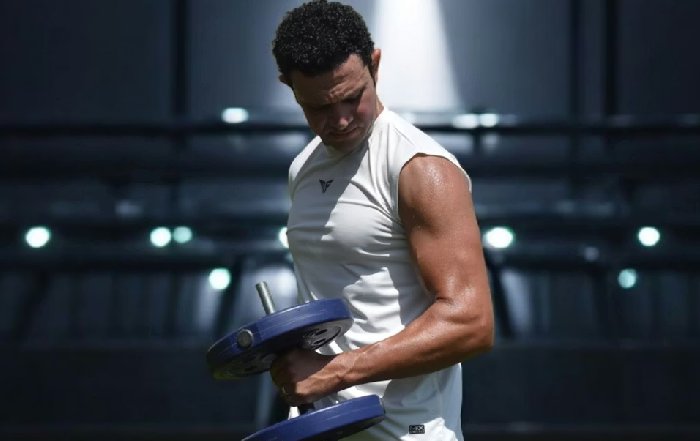
The Rise of the Hyper-Personalized AI Workout Coach
A New Era in Human Performance
Recently the convergence of artificial intelligence, wearable technology, and behavioral science has quietly but decisively reshaped how people train, recover, and think about their long-term health. For highly engaged readers of FitBuzzFeed, whose interests include sports, fitness, health, business, technology, and lifestyle, the emergence of the hyper-personalized AI workout coach is not just a story about smarter apps; it is a structural shift in how individuals around the world approach performance, productivity, and wellbeing. What began as simple step counters and generic workout plans has evolved into adaptive digital coaching systems that analyze biometric data in real time, anticipate injury risk, personalize nutrition, and even factor in sleep, stress, and work schedules across regions as diverse as the United States, Europe, and Asia.
This transformation is underpinned by the rapid progress of machine learning models, cheaper and more accurate sensors, and a global culture that increasingly values data-driven decisions in every area of life. As organizations such as Apple, Google, Microsoft, and leading sports analytics companies expand their health and fitness ecosystems, and as regulators in the United States, the European Union, and Asia refine rules around data protection and AI transparency, the hyper-personalized workout coach has become a focal point where innovation, ethics, and human performance intersect. Readers seeking to understand the next decade of training and health optimization can explore how these trends complement the broader coverage of fitness and performance already featured on FitBuzzFeed Fitness and FitBuzzFeed Physical.
From One-Size-Fits-All to Precision Coaching
The first generation of digital fitness tools largely mirrored traditional training plans. Users of early platforms from companies like Nike, Garmin, and Polar received standardized programs based on age, weight, and broad goals such as "lose weight," "run a 5K," or "build muscle." While helpful, these plans rarely accounted for the individual's unique physiology, work schedule, travel patterns, or psychological preferences. As research from organizations such as the American College of Sports Medicine and the World Health Organization made clear, adherence and long-term health outcomes depend on far more than sets, reps, and mileage, yet most digital tools lacked the intelligence to adapt.
The hyper-personalized AI workout coach emerged as machine learning systems gained the capacity to ingest large volumes of heterogeneous data-heart rate variability, sleep stages, GPS movement, menstrual cycle data, stress markers, training history, and even workplace calendar events-and to convert this information into individualized, context-aware recommendations. Users now expect their digital coach to know whether they slept poorly in London, flew overnight to New York, and are heading into a stressful week of meetings, and to modify training volume and intensity accordingly. Those who follow performance and innovation through FitBuzzFeed Technology can recognize how this mirrors broader AI adoption across industries, where algorithms no longer simply automate tasks but orchestrate complex, personalized workflows.
The Data Engine Behind Hyper-Personalization
The core strength of the modern AI workout coach lies in the breadth and depth of its data ecosystem. Advanced wearables from companies such as Apple, Samsung, Garmin, Fitbit (owned by Google), and Whoop continuously track metrics including heart rate, heart rate variability, resting metabolic rate estimates, skin temperature, blood oxygen saturation, and movement patterns. In some markets, non-invasive glucose monitoring and cuffless blood pressure estimation are beginning to emerge, adding another layer of insight into metabolic health and cardiovascular load. Readers interested in the medical and wellness implications can explore broader health topics via FitBuzzFeed Health and FitBuzzFeed Wellness.
On the software side, AI systems integrate this biometric data with contextual information such as training logs, subjective readiness scores, nutrition tracking, and even environmental data like air quality and temperature. Platforms inspired by sports science research from institutions like the National Institutes of Health and performance labs associated with FC Barcelona, Manchester City, and leading Olympic programs apply sophisticated models to estimate training stress, recovery needs, and performance readiness. Users may not see the underlying algorithms, but they experience the output as dynamic training plans that adjust day by day, sometimes hour by hour, based on how their body is actually responding.
This data-rich environment extends beyond elite athletes to everyday professionals in cities from New York and Toronto to Berlin, Singapore, and Sydney. As remote work and hybrid schedules have become normalized, many knowledge workers treat their AI coach as a daily operating system for energy management, using insights from organizations such as the Sleep Foundation or Harvard Health Publishing to align training with circadian rhythms and work demands. The result is a blurring of boundaries between traditional "workout time" and a more continuous, adaptive approach to movement, recovery, and mental focus.
Behavioral Science Meets Machine Intelligence
Hyper-personalization is not only about physiological data; it is equally about psychology and behavior. Researchers in behavioral economics and motivational science, including those whose work is highlighted by the Behavioral Science & Policy Association, have long emphasized that consistency is more important than intensity for long-term health outcomes. AI workout coaches now incorporate these insights by learning how each individual responds to different forms of feedback, goal setting, and reward structures.
For example, a user in London who thrives on competition may receive more social challenges and performance benchmarks, while a user in Tokyo who prefers privacy and steady progress might see more self-referenced metrics and streak-based encouragement. The AI system can test different nudging strategies, such as reminders, micro-goals, or educational prompts, and then reinforce the approaches that lead to sustained adherence. This adaptive behavioral layer is one reason why hyper-personalized coaching can outperform static programs, and it reflects a broader shift toward evidence-based wellness that aligns with the editorial focus found in FitBuzzFeed Lifestyle.
The integration of mental health considerations further enhances the sophistication of these systems. As organizations like the World Economic Forum and the OECD continue to highlight the economic impact of burnout and stress, AI workout coaches are increasingly designed to detect patterns of overtraining, sleep deprivation, or mood disturbances, prompting users to prioritize restorative activities such as low-intensity movement, breathwork, or mindfulness. While not a replacement for professional clinical care, these tools can serve as an early warning system, guiding users toward healthier patterns before more serious issues emerge.
Global Adoption and Regional Nuances
The proliferation of hyper-personalized AI coaching is truly global, yet the way it manifests in different regions reflects local cultures, regulations, and market structures. In North America, where consumer fitness spending and private healthcare markets are substantial, technology companies and startups alike have pushed aggressively into subscription-based coaching services that integrate with popular platforms such as Peloton, Apple Fitness+, and Nike Training Club. In Europe, particularly in countries like Germany, Sweden, and the Netherlands, strong data protection frameworks such as the EU General Data Protection Regulation have encouraged more transparent data practices and closer collaboration with healthcare systems, aligning with public health initiatives and reimbursement models.
Across Asia, from South Korea and Japan to Singapore and Thailand, the rapid adoption of high-speed mobile networks and the popularity of mobile-first services have enabled AI coaching platforms to become deeply integrated into super-apps and local ecosystems. In China, large technology companies such as Tencent and Alibaba have embedded fitness and health tracking into broader digital lifestyles, while in markets like India and Southeast Asia, low-cost wearables and AI-driven coaching are expanding access to structured training for populations that previously lacked it. Readers tracking global trends can place these developments in context with broader coverage on FitBuzzFeed World and FitBuzzFeed News.
In emerging markets across Africa and South America, including countries such as South Africa and Brazil, AI coaching is increasingly seen as a tool for addressing both urban lifestyle diseases and performance development in sports such as football, athletics, and rugby. Partnerships between local telecom operators, insurance providers, and global technology firms are creating subsidized access to wearables and coaching platforms, tying health behaviors to financial incentives such as lower premiums or rewards. These initiatives reflect a growing recognition, championed by organizations like the World Bank, that digital health infrastructure can be a critical component of sustainable development.
Impact on Sports, Performance, and Talent Development
For competitive athletes and serious enthusiasts, the hyper-personalized AI workout coach has become an indispensable ally. Professional organizations from Premier League clubs to NBA franchises increasingly use AI-enhanced analytics to manage player load, prevent injuries, and optimize training cycles. While elite teams rely on bespoke systems and human performance staff, the underlying principles are now accessible to amateur athletes through consumer platforms that apply similar models of load management, readiness scoring, and tactical analysis. Readers with a deep interest in sports performance can connect these trends with ongoing coverage at FitBuzzFeed Sports.
Talent development pathways are also changing. Young athletes in countries such as the United States, Canada, Australia, and the United Kingdom can now access AI-driven feedback on running mechanics, jump technique, or swing efficiency using only a smartphone camera and computer vision algorithms. Research initiatives highlighted by organizations like the MIT Sports Lab and the Aspen Institute's Project Play illustrate how data-driven insights can promote both performance and long-term athlete health by identifying early signs of overuse, asymmetry, or burnout. As these tools spread into academies and community clubs across Europe, Asia, and Africa, they may help democratize access to high-quality coaching that was once limited to well-funded programs.
At the same time, the role of human coaches is evolving rather than disappearing. Many forward-thinking coaches now use AI systems as analytical partners, relying on them to process vast amounts of data while they focus on tactical instruction, emotional support, and long-term athlete development planning. Professional organizations such as the National Strength and Conditioning Association and UK Coaching increasingly emphasize digital literacy and data interpretation as essential skills, reflecting a future in which the most effective coaches are those who can integrate human judgment with algorithmic insight.
The Business of AI Coaching: New Models and Opportunities
From a business perspective, the rise of hyper-personalized AI workout coaches represents a convergence of multiple industries: fitness, healthcare, technology, insurance, and even employment. Subscription models remain central, with consumers paying monthly fees for access to advanced analytics, adaptive training plans, and premium content. However, new revenue streams are emerging as insurers, employers, and sports organizations recognize the value of improved health outcomes, reduced injury rates, and enhanced productivity. Analysts at organizations such as McKinsey & Company and Deloitte have highlighted digital health and AI-enabled wellness as high-growth segments, with global investment flowing into startups that specialize in niche domains such as women's health, endurance sports, or workplace wellbeing.
Corporate wellness programs are a particularly dynamic area. Employers across North America, Europe, and Asia are integrating AI workout coaching into broader wellbeing initiatives, often subsidizing wearable devices and premium subscriptions for employees. These programs are framed not only as health benefits but also as productivity tools, with organizations referencing research from the World Health Organization and the U.S. Centers for Disease Control and Prevention that links physical activity and sleep quality to reduced absenteeism and improved cognitive performance. Readers interested in the intersection of health and work can explore complementary themes on FitBuzzFeed Business and FitBuzzFeed Jobs.
For brands in the sports, nutrition, and wellness sectors, AI coaching platforms create new channels for engagement and personalization. Companies producing performance apparel, supplements, or training equipment can integrate their products into AI-driven recommendations, offering contextually relevant suggestions based on an individual's training phase, location, and goals. This shift from generic advertising to data-driven, service-oriented engagement aligns with broader trends in customer experience and brand strategy, many of which are tracked at FitBuzzFeed Brands.
Nutrition, Recovery, and the Integrated Health Stack
Hyper-personalized AI workout coaching increasingly extends beyond training sessions to encompass nutrition, recovery, and overall lifestyle design. Advances in nutritional science, highlighted by organizations such as the Academy of Nutrition and Dietetics and the European Society for Clinical Nutrition and Metabolism, have underscored the importance of individualized macronutrient distribution, micronutrient sufficiency, and timing of intake relative to training loads. AI systems now integrate food logs, wearable data, and sometimes even continuous glucose monitoring to propose meal patterns that align with performance and health goals.
For readers of FitBuzzFeed Nutrition, this evolution means that AI coaches can recommend not only how far or how fast to run, but also when to increase carbohydrate intake, how to adjust protein consumption during heavy strength blocks, and when to prioritize hydration and electrolyte balance in hot climates. Recovery strategies are similarly personalized, with AI coaches suggesting specific sleep schedules, relaxation techniques, or active recovery protocols based on an individual's stress levels, travel patterns, and training history. Organizations like the National Sleep Foundation and leading sports medicine bodies continue to influence these protocols through evidence-based guidelines that are translated into algorithmic rules.
This integrated health stack, in which training, nutrition, and recovery are orchestrated by interconnected digital systems, reflects a holistic perspective on performance that aligns closely with the editorial approach of FitBuzzFeed. Readers who follow events such as marathons, triathlons, and global fitness expos through FitBuzzFeed Events can observe how athletes and brands increasingly emphasize this integrated model, presenting performance not as an isolated pursuit but as the outcome of well-coordinated lifestyle choices.
Ethics, Privacy, and Trust in the Age of AI Coaching
As with any powerful technology that touches sensitive health data, the rise of hyper-personalized AI workout coaches raises critical questions about privacy, security, and fairness. Regulatory frameworks such as the GDPR in Europe, the Health Insurance Portability and Accountability Act in the United States, and emerging AI regulations in countries like Canada, Australia, and Singapore are shaping how companies collect, store, and use biometric data. Advocacy organizations and think tanks, including the Electronic Frontier Foundation and the Future of Privacy Forum, continue to call for transparency in algorithmic decision-making and robust protections against misuse.
Trustworthiness in AI coaching is not only a legal issue but also a practical one. Users must be confident that their data is secure, that recommendations are based on sound science, and that the system is free from harmful bias. For example, training plans and readiness scores must account for sex-specific physiology, age-related differences, and cultural contexts across regions such as Europe, Asia, Africa, and South America. Organizations like the World Medical Association and leading academic institutions are increasingly engaged in setting standards for AI in health and performance, emphasizing explainability, validation, and clinician oversight where appropriate.
For FitBuzzFeed readers, this underscores the importance of selecting platforms and devices from reputable companies that clearly communicate how data is handled and how algorithms are validated. It also highlights the value of maintaining a critical, informed perspective, recognizing that even the most advanced AI coach should complement, rather than replace, professional medical advice and personal judgment. Coverage across FitBuzzFeed Health and FitBuzzFeed Wellness increasingly reflects this nuanced view, balancing enthusiasm for innovation with attention to risk and responsibility.
The Future: Human-AI Synergy in Training and Life
Thinking forward, the trajectory of hyper-personalized AI workout coaching points toward deeper integration into everyday life and work. As generative AI and multimodal models mature, coaches will not only analyze numerical data but also interpret video, audio, and text in real time. A runner in Paris might receive instant feedback on gait mechanics from a smartphone camera; a weightlifter in Toronto could have bar path and technique analyzed frame by frame; an office worker in Singapore might have posture and micro-break patterns optimized throughout the day. Research labs and technology companies, including Meta, Google DeepMind, and OpenAI, are all exploring related capabilities that will inevitably filter into consumer health and performance products.
In parallel, the distinction between "training" and "living" will continue to blur. AI systems will coordinate with calendars, travel bookings, and even smart home devices to create environments that support consistent movement, high-quality sleep, and balanced nutrition. For global professionals whose lives span time zones from New York to London to Tokyo, the AI coach may become a central orchestrator of energy management, ensuring that important meetings, key workouts, and recovery windows are aligned rather than in conflict. This vision resonates strongly with the cross-disciplinary nature of FitBuzzFeed, where community subscribers, and public readers navigate intersections between work, health, performance, and technology every day.
Ultimately, the rise of the hyper-personalized AI workout coach is less about replacing human expertise and more about amplifying it. Coaches, physiotherapists, nutritionists, and physicians who embrace these tools can extend their reach, deepen their insight, and offer more precise, data-driven guidance to clients and patients across continents. Individuals, whether elite athletes or busy professionals, gain a powerful ally that learns from their unique history, adapts to their evolving goals, and helps them navigate the complex trade-offs of modern life. As FitBuzzFeed continues devoted editorial research to track developments across fitness, sports, health, business, and technology, the hyper-personalized AI coach will remain a central story-one that reflects not only the future of training but also a broader reimagining of how people worldwide pursue healthier, more capable, and more fulfilling lives.