

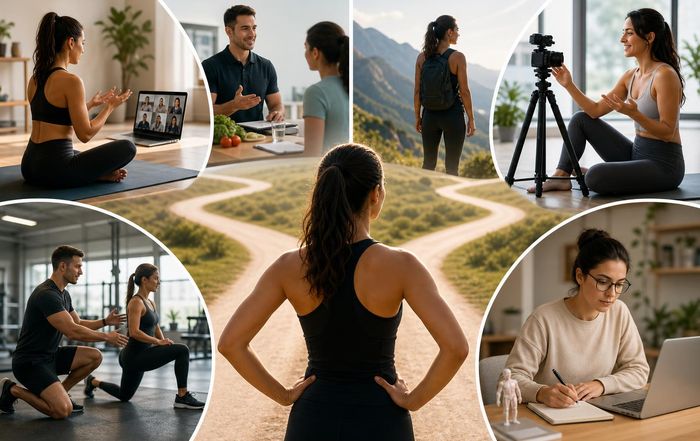
Fitness Career Paths Beyond Traditional Gym Roles in 2026
The New Fitness Economy: Why Careers Are Moving Beyond the Gym Floor
By 2026, the global fitness and wellness industry has evolved into a complex ecosystem that reaches far beyond the traditional image of personal trainers counting repetitions on a crowded gym floor. The sector now intersects with technology, healthcare, media, corporate strategy, and even national policy, creating an array of career paths that would have been difficult to imagine a decade ago. For readers of FitBuzzFeed, who follow developments in fitness, health, business, technology, and jobs, this shift represents both an enormous opportunity and a new set of strategic decisions about skills, education, and long-term career positioning.
The global wellness economy, according to organizations such as the Global Wellness Institute, has continued to expand, driven by demographic changes, rising healthcare costs, and the post-pandemic recognition that prevention and lifestyle management are as crucial as acute medical care. Those who understand exercise science, human performance, and behavior change now find themselves in demand not only in gyms but also in hospitals, digital health startups, sports organizations, multinational corporations, and government agencies. Professionals with strong foundations in physiology and coaching, combined with digital literacy and business acumen, are increasingly being viewed as strategic assets rather than purely operational staff. As more individuals worldwide turn to authoritative sources such as the World Health Organization for guidance on physical activity recommendations, the credibility and trustworthiness of fitness professionals have become central to the industry's future.
From Trainer to Specialist: Deep Expertise as a Career Differentiator
The classic role of a generalist personal trainer still exists, but the market in 2026 increasingly rewards specialization. In the United States, the U.S. Bureau of Labor Statistics continues to project strong growth for exercise-related professions, and similar patterns can be observed across Europe, Asia, and other regions as governments and insurers emphasize preventive health. Professionals who invest in deeper expertise, backed by recognized credentials from organizations such as ACSM, NSCA, or CIMSPA in the United Kingdom, are building careers that extend into clinical, performance, and advisory domains.
Clinical exercise physiologists, for example, are now embedded in cardiac rehabilitation programs, diabetes prevention initiatives, and oncology support services in hospitals and specialist clinics. They collaborate closely with physicians, dietitians, and psychologists, using evidence-based protocols such as those curated by the American College of Sports Medicine to design programs that reduce risk and improve outcomes. In countries such as Germany, Canada, and the Nordic nations, where public health systems are robust, these roles are often integrated into reimbursed care pathways, which elevates their professional status and earning potential.
Similarly, strength and conditioning specialists are no longer confined to professional sports teams. They are increasingly employed by universities, national sport institutes, military organizations, and private performance centers that serve youth athletes and high-performing executives. Many draw on research from platforms such as PubMed to stay at the cutting edge of training methodology, monitoring load, recovery, and injury risk with a level of sophistication that was once reserved for elite Olympic programs. Readers who follow sports coverage on FitBuzzFeed will recognize that the line between high-performance sport and mainstream fitness has blurred, opening doors for specialists who can translate complex science into practical, individualized programming.
Digital Fitness and Health Tech: Careers at the Intersection of Movement and Data
One of the most significant shifts for fitness careers has been the acceleration of digital and hybrid models. Remote coaching, AI-assisted training plans, and wearable-driven feedback loops have become mainstream. This transformation has been fueled by the growth of companies like Apple, Garmin, and Whoop, whose devices collect continuous streams of physiological data, as well as digital health platforms that integrate activity metrics into broader wellness and chronic disease management programs. Professionals who understand both human performance and digital ecosystems are increasingly valuable to these organizations.
Fitness product managers, UX researchers, and content strategists now work alongside software engineers and data scientists to build and refine digital fitness experiences. Many base their design decisions on user behavior research and best practices in digital health engagement, often drawing on guidance from sources such as the U.S. Food and Drug Administration when products move into regulated medical territory. A fitness professional who once coached clients on a gym floor can now lead the development of an app used by millions, provided they can translate practical coaching insight into product requirements and user journeys.
The rise of telehealth and remote monitoring has also created hybrid roles in clinical settings. In the United Kingdom, Singapore, and Australia, for example, health systems are experimenting with virtual cardiac rehab and remote physiotherapy, where exercise professionals guide patients via video platforms and track their adherence through wearables and connected equipment. Understanding the fundamentals of data privacy, interoperability standards, and ethical use of AI has become essential in these settings, and organizations often reference frameworks from the European Commission or OECD when shaping their digital health strategies. For readers who follow the technology section of FitBuzzFeed, this convergence of fitness and health tech presents a compelling career frontier.
Corporate Wellness and Organizational Performance: Fitness as a Business Strategy
Another major arena for non-gym fitness careers lies inside corporations that now view employee health and resilience as strategic assets. In North America, Europe, and Asia-Pacific, large employers have expanded their wellness budgets, not only to reduce absenteeism and healthcare costs but also to support talent attraction, retention, and employer branding. Corporate wellness directors, health promotion managers, and performance consultants are increasingly common, and many have roots in exercise science, coaching, or sports psychology.
These professionals design and manage integrated wellness programs that might include onsite or virtual fitness classes, ergonomic assessments, resilience and sleep workshops, and incentive-based activity challenges. They often align their strategies with frameworks such as those promoted by the U.S. Centers for Disease Control and Prevention or by national public health agencies in countries such as Canada, Germany, and Japan. Their success is measured not simply in participation rates but in metrics such as employee engagement, retention, and productivity, which requires a strong grasp of business analytics alongside health knowledge.
In multinational organizations, regional wellness leads must also navigate cultural differences, labor regulations, and varying health system structures when designing programs for employees in Europe, Asia, Africa, and South America. They may partner with local fitness providers, digital platforms, and medical networks to create cohesive global strategies that still respect local norms. For FitBuzzFeed readers interested in business trends and global world developments, this fusion of fitness expertise and organizational strategy illustrates how movement and health have become integral to modern corporate governance.
Content, Media, and Brand Partnerships: Turning Expertise into Influence
The proliferation of digital media has transformed many fitness professionals into content creators, educators, and brand partners. While social media influencers are not new, the landscape in 2026 increasingly rewards depth, credibility, and alignment with evidence-based practices. Brands, publishers, and streaming platforms now seek out experts who can communicate complex topics such as metabolic health, longevity, and mental resilience in accessible, engaging formats, while maintaining trust and scientific rigor.
Professionals who develop strong communication skills can build careers as authors, podcast hosts, curriculum designers, or on-camera experts for streaming platforms and broadcasters. Many collaborate with established organizations such as Harvard T.H. Chan School of Public Health, drawing on public resources like The Nutrition Source to ensure that their messaging aligns with current scientific consensus. Others contribute to reputable outlets and industry conferences, where they discuss topics ranging from sustainable training methods to the integration of AI into personalized coaching.
Brand partnerships have also evolved. Instead of simple endorsement deals, leading companies in apparel, equipment, and wellness technology now engage experts as strategic advisors, co-developers of products, and co-authors of educational campaigns. These collaborations often involve long-term contracts, revenue sharing, and meaningful input into product design and messaging. Readers who follow brands and lifestyle coverage and lifestyle content on FitBuzzFeed will recognize that the most successful partnerships are built on authenticity, deep domain expertise, and transparent communication about evidence and limitations.
Integrating Fitness into Healthcare: Allied Health and Preventive Medicine
As healthcare systems in the United States, United Kingdom, Germany, Australia, and beyond struggle with the burden of chronic disease, the integration of exercise into mainstream medicine has accelerated. Exercise is now widely recognized as a form of "medicine," and healthcare organizations are formally incorporating physical activity into treatment pathways. This shift has opened numerous career paths for fitness professionals within allied health and preventive medicine.
Exercise physiologists, kinesiologists, and medical fitness specialists often work within multidisciplinary teams that include physicians, nurses, dietitians, and mental health professionals. They design and supervise exercise interventions for patients with conditions such as cardiovascular disease, obesity, cancer, and depression, drawing on guidelines from bodies like the American Heart Association and National Health Service in the UK. In many regions, these services are now partially reimbursed by insurers or national health systems, which has elevated the professional status and economic stability of such roles.
The emergence of "exercise prescription" initiatives, where doctors formally prescribe structured physical activity programs, has also created roles for liaison professionals who bridge the gap between medical practices and community-based providers. These coordinators ensure that patients referred from clinics are matched with qualified exercise specialists in community centers, studios, or digital platforms, and that progress is communicated back to the healthcare team. For FitBuzzFeed readers who follow wellness and health insights, this represents a powerful example of how fitness expertise can directly contribute to reducing healthcare costs and improving quality of life.
Sports Performance, Esports, and New Frontiers of Human Optimization
Traditional sports performance roles remain a cornerstone of advanced fitness careers, but even within this domain, the range of opportunities has expanded. Strength and conditioning coaches, sports scientists, and performance analysts now support not only professional football, basketball, rugby, and athletics teams, but also emerging disciplines such as esports, adventure racing, and hybrid endurance-strength competitions. In countries like Spain, Italy, Brazil, and South Korea, where sport is deeply woven into cultural identity, investment in performance infrastructure has remained strong.
High-performance environments increasingly rely on integrated support teams that include biomechanists, data analysts, sports psychologists, and nutritionists, often referencing research compiled by organizations such as the International Olympic Committee to inform best practices in athlete health and anti-doping. Many of these professionals work within national institutes of sport, professional leagues, or university athletic departments, but a growing number operate as independent consultants who service multiple teams and federations across Europe, Asia, Africa, and the Americas.
Esports performance is a particularly notable frontier. As competitive gaming has matured into a global industry, teams and leagues have recognized that physical health, posture, reaction time, and stress management significantly influence outcomes. Fitness professionals now design conditioning programs, mobility routines, and recovery strategies tailored to gamers, often integrating guidance from sources such as the Mayo Clinic on musculoskeletal health and eye strain. This convergence of digital culture and physical optimization aligns closely with the interests of FitBuzzFeed readers who follow sports, technology, and evolving training practices.
Entrepreneurship, Boutique Concepts, and Hybrid Business Models
Beyond employment in established organizations, many fitness professionals are building careers as entrepreneurs, launching innovative concepts that respond to shifting consumer expectations. Boutique studios, immersive training experiences, mobile coaching services, and specialized retreats have proliferated in cities from New York and London to Singapore, Sydney, and Cape Town. These ventures often focus on a specific niche, such as women's strength training, corporate executives, older adults, or high-intensity outdoor experiences, and they differentiate themselves through brand identity, community, and personalization.
Entrepreneurs in this space must combine expertise in exercise science with skills in marketing, finance, operations, and digital strategy. Many reference best practices in small business development and sustainable growth, drawing on resources from organizations such as the U.S. Small Business Administration or similar agencies in Europe and Asia. They also need to stay attuned to regulatory changes, from health and safety standards to employment law, particularly when operating across multiple jurisdictions or offering hybrid in-person and online services.
Nutrition-focused ventures offer another avenue, especially as consumers seek integrated solutions for movement, food, and recovery. Professionals who understand both training and nutrition science, and who align their practices with evidence-based guidance from institutions such as the Academy of Nutrition and Dietetics, are well positioned to create programs, products, and content that resonate with a health-conscious global audience. For readers who engage with FitBuzzFeed's nutrition coverage and business reporting, these entrepreneurial paths illustrate how expertise and trust can be translated into scalable ventures.
Education, Research, and Policy: Shaping the Future of Movement
Not all advanced fitness careers are client-facing. Many professionals now play critical roles in education, research, and policy, shaping how societies understand and promote physical activity. University lecturers and professors in exercise science, kinesiology, and sports management educate the next generation of practitioners, while also conducting research on topics ranging from biomechanics and injury prevention to population-level physical activity trends. Their work often appears in peer-reviewed journals and informs guidelines issued by organizations such as the World Health Organization.
Policy-oriented roles have also expanded. Public health agencies, city governments, and international organizations employ specialists who understand both the science of movement and the realities of urban planning, transport, and social inequality. These professionals contribute to initiatives that promote active transport, inclusive sport infrastructure, and school-based physical education, drawing on data and frameworks from sources such as the World Bank and UNESCO. Their decisions can influence millions of lives, especially in rapidly urbanizing regions of Asia, Africa, and South America.
For a platform like FitBuzzFeed, which covers world events and news alongside fitness and wellness, highlighting these policy and research careers is essential. They demonstrate that fitness expertise is not only about individual transformation but also about shaping environments, institutions, and systems that make healthy choices more accessible and sustainable for entire populations.
Building a Future-Proof Fitness Career: Skills, Trust, and Continuous Learning
Across all these emerging paths-digital health, corporate wellness, clinical integration, sports performance, entrepreneurship, and policy-a consistent set of themes defines success. Depth of expertise, demonstrated through robust education and recognized credentials, is non-negotiable in an era where misinformation about health and fitness can spread rapidly online. Professionals must be able to distinguish between anecdote and evidence, often consulting reputable sources such as MedlinePlus or national health agencies to validate claims and adjust their practices.
Equally important is the cultivation of trust. Clients, patients, employers, and audiences are increasingly discerning, looking for professionals and brands that are transparent about their methods, limitations, and conflicts of interest. Ethical conduct, respect for diversity, and sensitivity to cultural and socioeconomic differences are essential components of modern practice. For readers who follow FitBuzzFeed's coverage of wellness, physical performance, and global trends, it is clear that credibility is now a core asset, as valuable as any technical skill.
Finally, continuous learning has become a defining characteristic of sustainable fitness careers. The rapid evolution of technology, shifts in health policy, and constant flow of new research demand that professionals stay current through formal continuing education, conferences, and self-directed study. Many follow developments from institutions like Stanford Medicine or other leading research centers to keep pace with advances in longevity science, metabolic health, and digital therapeutics. In this environment, those who are curious, adaptable, and willing to reinvent their roles as the industry changes are best positioned to thrive.
For the global audience of FitBuzzFeed, spanning North America, Europe, Asia, Africa, and South America, the message is clear: fitness careers in 2026 are no longer confined to the walls of a gym. They extend into boardrooms, hospitals, startups, universities, and policy forums, offering diverse pathways for those who combine scientific rigor, technological fluency, and a genuine commitment to improving human health and performance. As the boundaries between fitness, healthcare, and everyday life continue to blur, the professionals who embrace this broader vision will not only secure rewarding careers but also play a pivotal role in shaping a healthier, more resilient world.