

How Thailand Became a Global Hub for Fitness and Wellness Retreats
A New Capital of Global Wellbeing
Thailand has moved far beyond its image as a backpacker's paradise and beach holiday destination, emerging instead as one of the world's most influential hubs for integrated fitness, wellness, and performance retreats. From Phuket to Chiang Mai and from Koh Samui to Hua Hin, the country now attracts elite athletes, corporate executives, remote professionals, and health-conscious travelers who are seeking structured transformation rather than short-lived escape. For the audience of FitBuzzFeed-with its strong focus on sports, fitness, health, business, lifestyle, and performance-Thailand's evolution offers a powerful case study in how a nation can combine cultural heritage, strategic investment, and global trends to build a high-trust, high-impact wellness ecosystem.
What sets Thailand apart in 2026 is not simply the number of gyms, spas, and yoga shalas scattered along its coasts, but the way in which it has fused traditional healing practices, modern sports science, digital technology, and a sophisticated hospitality sector into a coherent and exportable model. While other regions compete in specific niches, Thailand has managed to become a full-spectrum destination where visitors can simultaneously address physical conditioning, mental resilience, nutrition, recovery, and long-term lifestyle change, often under the guidance of multidisciplinary teams with international credentials.
Foundations in Culture, Geography, and Hospitality
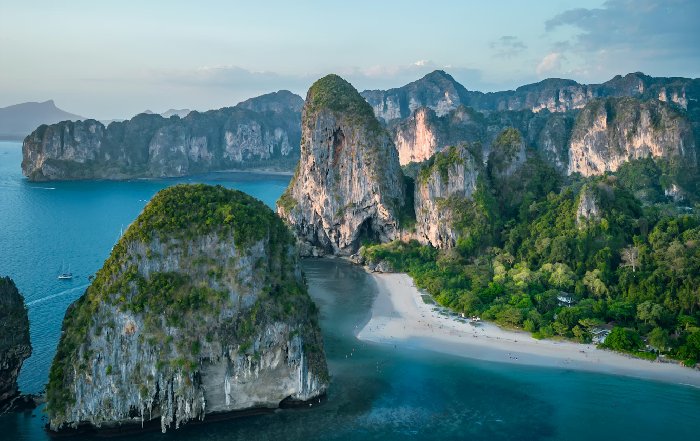
Thailand's rise as a wellness hub rests first on the unique combination of its geography, climate, and longstanding hospitality culture. The country's tropical coastline, mountainous north, and year-round warm weather create ideal conditions for outdoor training, from early morning beach sprints to high-altitude cycling and trail running in cooler northern provinces. Many retreat operators have deliberately chosen locations that allow structured periodization of training loads, with recovery supported by ocean swims, nature immersion, and access to high-quality fresh food.
The cultural foundation is equally important. Centuries of traditional Thai medicine and massage, combined with the Buddhist emphasis on mindfulness and balance, have created a social environment in which holistic health is both culturally resonant and widely accepted. Visitors arriving for structured programs often find that practices like meditation, breathwork, and therapeutic massage are not fringe add-ons but integrated components of daily life, which makes long-term habit formation more sustainable. Those who want to explore the roots of these traditions often turn to resources from organizations such as UNESCO, where they can learn more about intangible cultural heritage and its role in shaping modern wellness approaches.
Thailand's hospitality sector, already world-class by the early 2000s, has been another decisive factor. Luxury resorts, boutique hotels, and eco-lodges were quick to recognize the economic potential of health-conscious travelers, and many have invested in purpose-built fitness centers, dedicated recovery zones, and partnerships with sports scientists and performance coaches. The country's tourism authorities, including the Tourism Authority of Thailand, have consistently promoted high-quality service standards, aligning with international best practices found through organizations such as the World Tourism Organization, where businesses can explore sustainable tourism development and adapt it to health-oriented travel.
The Convergence of Global Health Trends
Thailand's ascent coincided with-and was accelerated by-global shifts in how people think about health, performance, and work. Rising rates of chronic disease, mental health challenges, and burnout in regions such as North America, Europe, and Asia-Pacific created a surge in demand for destinations that could offer more than passive relaxation. For many professionals in the United States, United Kingdom, Germany, Canada, and Australia, the traditional two-week beach holiday has been replaced by structured retreats that combine fitness training, biohacking, psychological coaching, and nutritional education.
International organizations like the World Health Organization have underscored the urgency of preventive health, and global readers can review WHO's guidance on physical activity and wellbeing to better understand why fitness-centered travel has become so attractive. Thailand, with its lower cost of living, high-quality medical infrastructure, and established tourism ecosystem, was ideally positioned to respond to this demand by offering programs that are both intensive and financially accessible compared with similar offerings in Western Europe or North America.
For readers of FitBuzzFeed interested in broader health trends, the platform's own health coverage has documented how lifestyle-related conditions, stress, and sedentary work have driven a global search for integrated solutions. Thailand's retreat operators have capitalized on this by designing experiences that blend measurable performance outcomes with deeper lifestyle reconfiguration, often appealing to those who see physical transformation as a gateway to broader career and life changes.
From Yoga Holidays to High-Performance Training Camps
The early wave of wellness tourism in Thailand was dominated by yoga retreats, spa getaways, and detox programs, particularly in islands such as Koh Phangan and Koh Samui. Over time, however, the country has expanded far beyond this initial niche. By 2026, Thailand hosts a full spectrum of offerings, from intensive Muay Thai fight camps and triathlon preparation programs to corporate resilience retreats and data-driven metabolic health interventions.
The rise of Muay Thai as a global sport has been central to this evolution. Gyms across Phuket, Bangkok, and Chiang Mai have transformed themselves from local fight schools into international training centers, welcoming amateurs from Europe, North America, and Asia who want to experience authentic combat sports conditioning. Many of these facilities now integrate strength and conditioning coaches, sports psychologists, and nutritionists, reflecting standards promoted by organizations such as World Athletics, where readers can explore high-performance training principles that are increasingly being adapted for multidisciplinary retreats.
At the same time, endurance sports have found a natural home in Thailand. Triathletes and marathon runners from countries such as the Netherlands, Switzerland, Sweden, and Japan have been drawn to the combination of challenging terrain, predictable weather, and supportive local infrastructure. The global calendar of sporting events, tracked by bodies like World Triathlon, shows a notable increase in Southeast Asian races, and athletes often plan training blocks in Thailand aligned with these competitions. Those interested in event-driven training can turn to the sports section of FitBuzzFeed for coverage of emerging race destinations and how Thailand fits into broader performance planning.
Integrated Wellness: Beyond the Gym and the Mat
What distinguishes Thailand's retreats in 2026 is the degree of integration across disciplines. A typical program no longer focuses solely on gym-based workouts or yoga classes; instead, it weaves together diagnostics, movement, nutrition, mental health, and recovery in a structured, data-informed way. Visitors might begin with a comprehensive assessment that includes body composition analysis, movement screening, and sleep tracking, followed by a customized plan that combines strength training, mobility work, cardiovascular conditioning, mindfulness sessions, and targeted therapies such as physiotherapy or sports massage.
The scientific underpinning of these programs often draws on international research. Platforms like PubMed, where professionals can explore peer-reviewed sports science and nutrition research, have enabled Thai operators to align their protocols with global best practices. Many retreats now employ staff who have trained or worked in leading institutions in the United States, United Kingdom, Germany, and Australia, lending additional credibility and expertise to their offerings.
Nutrition has become a central pillar of this integrated approach. Thailand's access to fresh produce, seafood, and herbs allows chefs and nutritionists to design menus that are both performance-oriented and aligned with local culinary traditions. For readers interested in evidence-based nutrition, organizations such as the Harvard T.H. Chan School of Public Health provide resources to learn more about healthy eating patterns, many of which are reflected in the plant-forward, minimally processed diets promoted by Thai retreats. FitBuzzFeed's own nutrition coverage has noted that visitors frequently report long-lasting changes in eating habits after immersive stays in such environments.
The Role of Medical and Wellness Tourism
Parallel to the growth of fitness retreats, Thailand has become a leading destination for medical and wellness tourism, with private hospitals and clinics offering services ranging from executive health check-ups and orthopedic surgery to fertility treatments and anti-aging therapies. This medical infrastructure has intersected with the fitness and wellness sector in powerful ways, enabling retreats to offer medically supervised programs that go well beyond generic spa experiences.
Many visitors now combine preventive health screening with structured training blocks, using diagnostic insights to personalize their programs. International bodies such as the OECD have documented the rise of cross-border healthcare, and professionals can explore reports on health tourism and its economic impact to understand how Thailand has leveraged this trend. High-end facilities in Bangkok and other major cities have developed partnerships with retreat centers in coastal and rural regions, creating integrated pathways where clients move from clinical assessment to experiential lifestyle intervention.
For readers tracking the business implications of this convergence, the business section of FitBuzzFeed has highlighted how Thai healthcare providers, technology companies, and hospitality brands are collaborating to create new service models. These models often bundle medical diagnostics, digital monitoring, and on-the-ground coaching into scalable offerings that can be marketed to corporations, insurers, and high-net-worth individuals across Asia, Europe, and North America.
Digital Technology, Data, and Remote Work
Thailand's wellness ecosystem has also been shaped by the rapid adoption of digital tools and the global shift toward remote and hybrid work. Wearable devices, health apps, and cloud-based coaching platforms have made it possible for retreat operators to collect and analyze detailed data on sleep, heart rate variability, training load, and recovery, enabling more precise program design and better long-term follow-up once guests return home.
Technology companies and research institutions worldwide, including MIT and other innovation hubs, have contributed to the development of these tools, and professionals can explore advances in health technology and data science to see how they are being deployed in real-world settings. In Thailand, many retreats now offer pre-arrival digital assessments, in-stay monitoring, and post-retreat virtual coaching, turning what was once a one-off experience into a sustained behavior change journey.
The rise of remote work has been particularly significant. As professionals from regions such as Europe, North America, and Asia-Pacific gained greater flexibility in where they live and work, Thailand emerged as a favored base for those seeking a healthier lifestyle without compromising career progression. The country's relatively low cost of living, robust internet infrastructure, and vibrant expat communities have made it feasible for individuals to integrate structured training, wellness practices, and professional responsibilities over extended periods. FitBuzzFeed's lifestyle coverage has chronicled how digital nomads, entrepreneurs, and corporate leaders are using Thailand as a platform for long-term physical and mental optimization.
Economic Impact and Job Creation
The fitness and wellness retreat sector has become a significant contributor to Thailand's economy, driving revenue not only for hotels and gyms but also for local suppliers, trainers, therapists, and service providers. The industry has created thousands of jobs across regions, from yoga instructors and strength coaches to nutritionists, physiotherapists, and hospitality professionals. For readers interested in labor market dynamics, the International Labour Organization offers resources to learn more about employment trends in tourism and services, many of which are reflected in Thailand's experience.
This growth has also supported the emergence of new career pathways for Thai professionals. Many have gained international certifications in fields such as sports science, nutrition, and mental health coaching, often supported by partnerships between local institutions and global education providers. For job seekers and professionals exploring opportunities in this evolving ecosystem, the jobs section of FitBuzzFeed provides insights into emerging roles, required qualifications, and regional trends that are shaping careers in fitness, wellness, and performance.
At the macroeconomic level, the wellness sector has helped Thailand diversify its tourism revenue, reducing dependence on mass-market travel and encouraging higher-value, longer-stay visitors. Organizations such as the World Bank have emphasized the importance of diversification and resilience in emerging economies, and readers can explore economic analyses and country reports to see how Thailand's strategic focus on wellness aligns with broader development goals.
Sustainability, Ethics, and Community Impact
As Thailand's wellness industry has expanded, questions of sustainability, ethics, and community impact have become increasingly central. The environmental footprint of retreat facilities, the cultural sensitivity of imported wellness practices, and the equitable distribution of economic benefits are all under scrutiny from regulators, local communities, and informed travelers. Many operators have responded by adopting sustainable design principles, investing in renewable energy, and sourcing food and materials from local suppliers.
Businesses looking to align with global best practices often draw on frameworks from organizations such as the World Economic Forum, which offers resources to learn more about sustainable business practices that can be applied to tourism and wellness. In Thailand, leading retreats have begun publishing impact reports, engaging in community development projects, and collaborating with local farmers, artisans, and health workers to ensure that growth in wellness tourism supports broader social and environmental objectives.
For the FitBuzzFeed audience, which often views wellness through the lens of long-term performance and responsible living, these developments underscore the importance of choosing retreats that prioritize transparency, ethical labor practices, and ecological stewardship. Coverage in the platform's world section has highlighted how Thailand's approach compares with other regions, from Europe and North America to Africa and South America, where similar debates are unfolding around the future of sustainable wellness tourism.
Positioning in the Global Competitive Landscape
Thailand does not operate in a vacuum. Other countries and regions-from Bali and Sri Lanka in Asia to Portugal, Spain, and Greece in Europe, and Costa Rica and Mexico in the Americas-are also competing to attract fitness and wellness travelers. What has enabled Thailand to maintain its edge is a combination of scale, diversity of offerings, price competitiveness, and the ability to serve multiple market segments simultaneously, from budget-conscious backpackers to high-net-worth individuals seeking ultra-personalized interventions.
Global travel platforms and analysts, including those covered by National Geographic, have documented the rise of wellness travel and provide opportunities to explore global wellness destinations and trends. Thailand consistently features in these rankings, not only for its natural beauty but for the maturity and professionalism of its wellness ecosystem. For readers of FitBuzzFeed, this competitive landscape is highly relevant, as it shapes pricing, innovation, and service quality across the destinations they may consider for their own fitness and wellness journeys.
The country's ability to integrate its wellness sector with broader developments in technology, events, and sports has further solidified its position. Major international competitions, conferences, and industry gatherings increasingly choose Thai venues, and FitBuzzFeed's events coverage regularly reports on how these gatherings catalyze new collaborations between brands, practitioners, and policymakers.
The Future of Fitness and Wellness Retreats in Thailand
Looking ahead from 2026, Thailand appears poised to deepen its role as a global hub for integrated fitness and wellness. Several trends are likely to shape the next phase of development. First, the continued convergence of sports performance, medical diagnostics, and mental health will push retreats to offer more sophisticated, evidence-based programs that can demonstrate measurable outcomes over time. Second, advances in technology-from AI-driven coaching to more precise biometric monitoring-will enable greater personalization and remote continuity, making retreats not just destinations but nodes in a global network of ongoing lifestyle change.
Third, regulatory frameworks around data privacy, healthcare delivery, and labor standards will become more important, requiring operators to align with international norms and best practices. Resources from organizations such as the European Commission, where readers can explore evolving regulations on data protection and digital health, will influence how Thai businesses design their digital and clinical services for international clients.
For FitBuzzFeed readers focused on performance, training, and physical optimization, Thailand's trajectory offers both inspiration and practical opportunity. The platform's training section and physical performance coverage regularly feature case studies of athletes, executives, and entrepreneurs who have used Thai retreats as catalysts for significant personal transformation, whether that means preparing for an Ironman, reversing metabolic risk factors, or building the psychological resilience required for high-stakes leadership.
What It Means for the FitBuzzFeed Community
For a global audience spanning the United States, Europe, Asia, Africa, and the Americas, Thailand's emergence as a fitness and wellness hub is more than a travel story; it is a lens through which to view the future of how people work, train, recover, and live. The country's ability to combine cultural authenticity, scientific rigor, technological sophistication, and business innovation has created a model that other regions are already studying and adapting.
Readers exploring the broader ecosystem of performance, lifestyle, and technology can navigate through FitBuzzFeed's technology coverage, wellness insights, and overarching news reporting to stay ahead of developments that will shape where and how they invest their time, energy, and resources. As global interest in integrated wellbeing continues to grow, Thailand's role as a hub for fitness and wellness retreats is likely to expand, offering the FitBuzzFeed community an evolving array of options for purposeful travel, structured transformation, and sustainable high performance.
In this context, Thailand is not just a destination on the map; it is a living laboratory for the next generation of health, fitness, and lifestyle design, demonstrating how a country can leverage its cultural strengths, economic strategy, and openness to innovation to become a trusted partner in the personal and professional journeys of people around the world.