

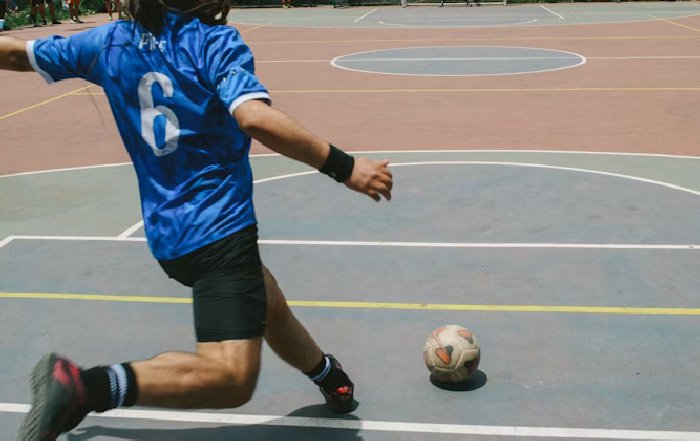
How Recreational Sport Clubs Are Fueling a Social Fitness Boom
A New Era of Social Fitness
By 2026, recreational sport clubs have moved from the margins of the fitness industry into its mainstream, reshaping how people around the world think about movement, health and community. What was once a fragmented landscape of local leagues, after-work teams and neighborhood running groups has evolved into a powerful social fitness ecosystem that cuts across age, income and geography. For readers of FitBuzzFeed, who follow developments in sports, wellness, lifestyle and business, this transformation is not just a cultural shift but a strategic signal about where health, leisure and work are converging.
The rise of recreational sport clubs is occurring against the backdrop of a global re-evaluation of health and lifestyle priorities. Governments from the United States to Germany and Japan are emphasizing physical activity as a frontline defense against chronic disease, while employers in Canada, Australia and across Europe are investing in movement-based wellness as a lever for productivity and retention. At the same time, consumers are pushing back against isolated, screen-heavy lifestyles and seeking experiences that combine physical challenge, social connection and emotional wellbeing. In this environment, recreational sport clubs, whether a local football league in London, a cycling collective in Singapore or a multi-sport community hub in São Paulo, have become catalysts for what many industry observers now call the "social fitness boom."
For a platform like FitBuzzFeed, which sits at the intersection of sports, fitness, health and lifestyle, this boom is more than a trend to report; it is shaping the expectations of its global audience and redefining what it means to live an active, connected life in 2026.
From Solo Workouts to Community-Based Movement
Over the past decade, fitness culture has gradually shifted away from individual, machine-based workouts toward more communal, experience-driven formats. The early growth of boutique studios, CrossFit boxes and group cycling classes demonstrated a growing preference for shared effort and accountability. Recreational sport clubs represent the next stage of this evolution, offering structured yet informal environments where people of diverse abilities can participate in organized play rather than simply "exercise."
Unlike traditional gyms, which often emphasize aesthetics and performance metrics, recreational clubs focus on participation, enjoyment and social bonding. A mid-level amateur football club in Manchester or a mixed-gender basketball league in Toronto typically attracts people who are less concerned with personal records and more interested in the camaraderie of weekly matches, the ritual of post-game conversations and the sense of belonging to something larger than themselves. Research from organizations such as the World Health Organization has long highlighted how physical activity supports both physical and mental health, and recreational clubs are translating those findings into lived experiences that feel accessible and sustainable. Learn more about the global benefits of physical activity through the WHO's physical activity guidelines.
For readers following fitness trends on FitBuzzFeed, the appeal of these clubs rests in their ability to blend structured training with flexible participation. Members can commit to a season, a league or a weekly meet-up rather than an open-ended gym membership, which lowers psychological barriers to entry. At the same time, the competitive but friendly nature of recreational play encourages people to push themselves harder than they might in a solo workout, improving cardiovascular health, muscular endurance and agility in ways that feel more like play than obligation.
The Psychology of Belonging and Motivation
The social fitness boom is driven as much by psychology as by physiology. Humans are inherently social beings, and the sense of belonging that recreational clubs create is a powerful antidote to the isolation and stress that many people experience in modern urban life. Sports psychologists and behavioral scientists have repeatedly shown that social support is one of the strongest predictors of exercise adherence, surpassing even intrinsic motivation in some contexts. Those who join recreational clubs are not simply signing up for a sport; they are joining a tribe that provides encouragement, accountability and recognition.
Institutions such as the American Psychological Association and the National Institutes of Health have published extensive research on how social connections buffer against anxiety, depression and burnout. Readers who want to understand how group-based activity supports mental health can explore insights from the APA on exercise and mental health or review evidence from the NIH on social relationships and wellbeing. Recreational sport clubs operationalize these findings by creating regular, predictable opportunities for positive social interaction, shared goals and mutual support.
On FitBuzzFeed's wellness and health pages, a recurring theme is that sustainable habits are built not only on knowledge but on environment. Recreational clubs create what behavioral economists call "choice architectures" that make the healthy choice the default choice; when teammates are expecting someone to show up for a match or practice, skipping a session becomes socially costly. This subtle pressure, combined with the immediate reward of shared enjoyment, helps individuals maintain regular activity even during periods of stress, heavy workload or seasonal fatigue.
Global Growth and Regional Nuances
The popularity of recreational sport clubs is undeniably global, yet it manifests differently across regions. In the United States and Canada, recreational leagues for sports such as softball, flag football and basketball have long histories, but digital platforms and improved facility access have accelerated participation, especially among adults aged 25-45 who seek structured play after the end of competitive school or college sports. In Europe, football clubs remain the backbone of community sports, but there has been a notable rise in recreational cycling, running and triathlon groups, especially in countries like Germany, France, Italy and the Netherlands, where active mobility is already part of daily life.
In Asia, the growth of recreational sport clubs is closely tied to urbanization and rising middle-class incomes. Cities like Seoul, Singapore and Bangkok have seen an explosion of running communities, badminton leagues and futsal clubs that leverage both public spaces and private facilities. The Singapore Sports Hub and similar developments in South Korea and Japan have become anchors for these communities, blending commercial operations with public mission. Readers interested in how urban design supports active living can explore the work of UN-Habitat, which highlights active mobility and healthy cities.
In Africa and South America, recreational sport clubs often emerge from informal community networks, church groups or workplace initiatives, particularly around football, running and increasingly, outdoor fitness. In South Africa and Brazil, for example, community running clubs and football leagues serve not only as fitness outlets but as vehicles for social inclusion and youth development. International organizations such as UNESCO and UNICEF have documented how sport can support education and social cohesion, particularly for young people in under-resourced communities. Readers can explore how sport is used as a development tool through the UN's sport for development resources.
FitBuzzFeed's world and sports coverage increasingly reflects these regional nuances, highlighting how local culture, climate, infrastructure and policy shape the form and function of recreational clubs, while the underlying motivations-connection, health, identity-remain strikingly consistent across borders.
The Business of Social Fitness
Behind the scenes of this cultural shift is a rapidly evolving business landscape. Recreational sport clubs are no longer solely volunteer-run entities; many now operate as sophisticated small and medium-sized enterprises, supported by digital platforms, sponsorships and partnerships with brands and employers. For business-focused readers of FitBuzzFeed, this represents a dynamic intersection of sports, technology, hospitality and wellness.
Companies such as ZogSports in the United States and Go Mammoth in the United Kingdom have built scalable models that organize multi-sport leagues across multiple cities, using online registration, scheduling tools and performance tracking to deliver professionalized experiences at recreational price points. At the same time, global sporting goods companies like Nike, Adidas and Decathlon have recognized the strategic value of supporting grassroots sport communities through events, equipment partnerships and digital engagement. Learn more about how major brands are integrating community sport into their strategies through industry analysis from McKinsey & Company, which examines the future of the sports industry.
From a macroeconomic perspective, the social fitness boom is part of the broader wellness economy, which organizations such as the Global Wellness Institute estimate to be worth trillions of dollars. Recreational sport clubs contribute directly through membership fees, facility rentals and equipment sales, and indirectly through tourism, hospitality and health-related spending. This ecosystem opens up opportunities not only for sports entrepreneurs but also for professionals in marketing, event management, coaching, technology and media. Readers interested in the business dimension can explore FitBuzzFeed's business and jobs sections, where emerging roles in community management, digital sports platforms and wellness program design are increasingly visible.
Technology as an Enabler, Not a Replacement
The social fitness boom might appear, at first glance, to be a reaction against the digital saturation of modern life, but in practice, technology has been a crucial enabler of recreational sport clubs' growth. Digital tools help clubs coordinate schedules, manage payments, track performance and communicate with members, making it easier than ever to join, organize or scale a club.
Mobile apps, social media groups and specialized platforms have transformed how people discover and participate in recreational sport. From local WhatsApp groups organizing weekly futsal games in Kuala Lumpur to global platforms connecting cyclists in Amsterdam or Melbourne, technology has expanded access to communities that might previously have been hidden or geographically constrained. The rise of wearables and health-tracking devices, from Apple Watch to Garmin and Fitbit, has also added a layer of data-driven insight that many recreational athletes find motivating, especially when integrated into club leaderboards or group challenges. Readers who follow FitBuzzFeed's technology coverage will recognize how these tools are moving beyond individual tracking toward community engagement features that encourage shared goals and friendly competition.
Academic institutions and think tanks, including MIT Sloan School of Management and Stanford Graduate School of Business, have analyzed how digital platforms create network effects in sports and wellness communities, enabling rapid scaling and new business models. Those interested in deeper analysis can explore discussions on platform economics in sports and how digital ecosystems reshape consumer behavior. Crucially, however, the most successful recreational clubs use technology as a facilitator rather than a substitute for in-person engagement, ensuring that digital interactions ultimately lead to real-world play, shared experiences and lasting relationships.
Health, Performance and Everyday Athletes
Recreational sport clubs sit at a unique intersection between health promotion and performance development. While elite sports organizations and high-performance centers focus on optimizing the abilities of professional athletes, recreational clubs cater to what many experts now call "everyday athletes"-individuals who push their bodies and skills within the context of full lives, careers and families, but who still seek meaningful challenge and growth.
Medical and sports science institutions such as the Mayo Clinic and Cleveland Clinic have documented the health benefits of regular moderate-to-vigorous physical activity, including reduced risk of cardiovascular disease, type 2 diabetes, obesity and certain cancers. Readers can explore practical guidance on exercise and chronic disease prevention or sports participation and heart health to understand how recreational clubs support long-term wellbeing. For many participants, the structured nature of club play provides the intensity and consistency needed to meet or exceed recommended activity levels without requiring specialized knowledge of training protocols.
At the same time, the presence of coaches, captains and experienced players within clubs introduces elements of skill development and performance tracking that appeal to those with competitive instincts. FitBuzzFeed's training and physical performance content often highlights how amateur athletes can apply evidence-based training principles-such as progressive overload, periodization and recovery strategies-within recreational contexts. Clubs that integrate basic sports science, injury prevention education and nutrition guidance, often drawing on resources from organizations like the American College of Sports Medicine or the UK's National Health Service, are better positioned to keep their members engaged, safe and improving over time. Learn more about evidence-based exercise guidelines.
Nutrition, Recovery and Holistic Lifestyle
The social fitness boom is also reshaping how people think about nutrition, recovery and broader lifestyle choices. Recreational sport clubs do not exist in isolation; they influence how members eat, sleep and manage stress, often through informal norms and shared learning. Post-game meals, pre-match rituals and club-organized workshops create touchpoints where information about hydration, fueling and recovery is exchanged, sometimes guided by professionals, often shared peer-to-peer.
Nutrition-focused institutions such as the Harvard T.H. Chan School of Public Health and the European Food Information Council provide accessible guidance on balanced diets, macronutrient needs and the role of food in performance and recovery. Readers can deepen their understanding through resources on healthy eating patterns and sports nutrition basics, then translate those insights into practical choices that support recreational play. On FitBuzzFeed's nutrition and lifestyle pages, this integration of food, movement and rest is increasingly framed as a holistic "performance lifestyle" that is attainable for non-professionals.
Sleep and recovery are also gaining attention as critical pillars of sustainable participation. Institutions such as the National Sleep Foundation and leading sports performance centers have emphasized how inadequate sleep undermines both health and athletic performance, even at recreational levels. Readers can explore why sleep is essential for recovery and how simple routines can improve energy, mood and resilience. Clubs that encourage balanced training loads, scheduled rest and open conversations about burnout contribute to a culture where long-term participation is valued over short-term overexertion.
Corporate Wellness and the Future of Work
The convergence of recreational sport clubs and corporate wellness is one of the most significant developments for business leaders in 2026. As hybrid work models and distributed teams become the norm across North America, Europe, Asia-Pacific and beyond, employers are searching for ways to rebuild social cohesion, reduce burnout and foster a sense of shared identity. Recreational sport clubs, either formed internally or in partnership with external leagues, offer a compelling solution.
Companies ranging from global technology firms to mid-sized professional services organizations are sponsoring internal football, basketball or running teams, subsidizing league fees or even building on-site facilities. Management consultancies and HR think tanks, including Deloitte and Gallup, have reported that employees who participate in company-supported sports or wellness programs often show higher engagement, lower absenteeism and stronger loyalty. Learn more about employee wellbeing and performance and how movement-based programs contribute to organizational culture.
For readers who follow FitBuzzFeed's news and business coverage, this trend signals a broader redefinition of what constitutes a competitive employer brand. In tight labor markets across Germany, Singapore, Canada and Australia, the ability to offer meaningful, community-based wellness experiences can differentiate companies in the eyes of younger professionals who value purpose, connection and work-life integration. Recreational sport clubs become not only health initiatives but also talent attraction and retention tools, especially when aligned with inclusive policies that welcome participants of all genders, ages and abilities.
Events, Tourism and Brand Experiences
The social fitness boom is also reshaping the events and tourism landscape. Recreational sport clubs are increasingly traveling for tournaments, friendly matches and destination events, turning weekends of play into multi-day experiences that blend competition, culture and leisure. Cities from Barcelona and Lisbon to Cape Town, Bangkok and Auckland are positioning themselves as hubs for amateur sports tourism, investing in facilities, transportation and hospitality tailored to clubs and leagues.
Major event organizers and destination marketing organizations are recognizing that the emotional loyalty of recreational athletes can rival that of spectators at professional events. A club that travels annually to a beach volleyball festival in Portugal or a futsal tournament in Thailand builds strong associations with those locations, often returning year after year and amplifying their experiences on social media. Industry bodies such as SportAccord and the World Tourism Organization have highlighted the growth of sports tourism and its economic implications, offering analysis on sports tourism trends.
FitBuzzFeed's events and sports sections increasingly feature stories of clubs that treat tournaments as both competitive milestones and social celebrations, reflecting the broader shift toward experience-driven consumption. Brands, in turn, are designing activations, sponsorships and content around these events, positioning themselves not just as equipment providers but as partners in the aspirational lifestyles of everyday athletes.
Building Trust, Safety and Inclusion
As recreational sport clubs grow in scale and visibility, questions of governance, safety and inclusion become central to their long-term legitimacy. Trust is built not only through enjoyable experiences but through transparent policies, responsible leadership and a clear commitment to participant welfare. Issues such as safeguarding, concussion management, fair play, anti-discrimination and accessibility are no longer confined to professional sport; they are increasingly relevant in recreational contexts as well.
Organizations such as Safe Sport International and national governing bodies across the United Kingdom, United States, Canada and Australia have developed guidelines and training resources to help clubs establish safe and inclusive environments. Readers who want to understand best practices can explore materials on safeguarding in sport and how clubs can create inclusive cultures for women, LGBTQ+ participants, older adults and people with disabilities. On FitBuzzFeed's brands and wellness pages, there is growing emphasis on how clubs and partners can demonstrate ethical leadership, from transparent governance structures to proactive diversity and inclusion initiatives.
Health and safety protocols, including first-aid training, emergency response plans and evidence-based return-to-play guidelines after injury, are also critical to maintaining trust. Partnerships with local healthcare providers, physiotherapists and sports medicine clinics can help clubs access expertise and reduce risk. Institutions like the Centers for Disease Control and Prevention and NHS provide frameworks on sports injury prevention that can be adapted to recreational settings, ensuring that the joy of play is not overshadowed by preventable harm.
What the Social Fitness Boom Means for FitBuzzFeed Readers
For the global audience of FitBuzzFeed, spanning interests from sports and fitness to health, business, lifestyle and wellness, the rise of recreational sport clubs is both an invitation and a strategic signal. It invites individuals to reconsider how they approach their own physical activity, shifting from solitary, outcome-focused workouts to community-based movement that supports physical, mental and social health. It signals to professionals and organizations that the future of fitness, work and leisure is deeply intertwined, with recreational clubs serving as hubs where these domains converge.
In 2026, the social fitness boom is still unfolding, but its trajectory is clear. Whether in New York or Berlin, Johannesburg or Tokyo, people are rediscovering the power of play, not as a childhood memory but as an adult necessity. Recreational sport clubs are the infrastructure of this rediscovery, blending experience, expertise, authoritativeness and trustworthiness in ways that resonate with modern expectations of authenticity and community. As FitBuzzFeed continues to track developments across sports, health, technology and business, recreational clubs will remain at the center of the story-a living demonstration that fitness is no longer just about individual bodies in motion, but about communities in motion together.