

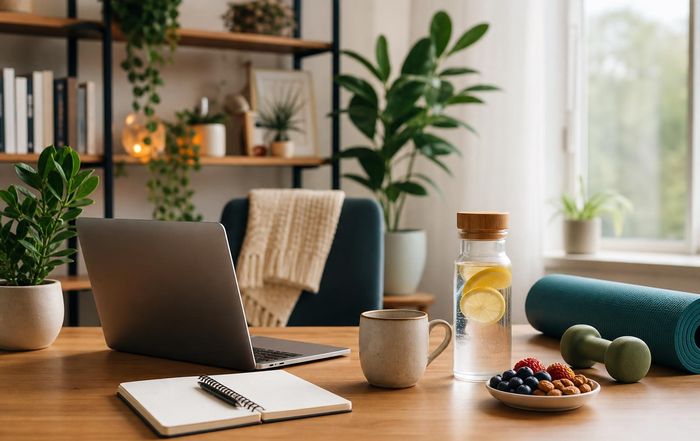
Healthy Routines That Support Remote Work Success
Remote work has moved from emergency response to enduring reality, and now it's not a fringe perk but a core operating model for organizations across North America, Europe, Asia and beyond. Hybrid and fully remote teams are now embedded in companies ranging from Microsoft and Google to fast-growing regional startups in Germany, Singapore, Brazil and South Africa, and this shift has forced leaders and professionals alike to confront a fundamental question: which daily routines truly sustain high performance, health and long-term career resilience when work, home and personal life share the same walls and the same screens.
For the people here, whose interests are like fitness, health, business, lifestyle, technology and performance, the answer lies in building integrated routines that treat the remote workday as an athletic event rather than a passive sequence of online meetings. In this model, physical conditioning, mental focus, digital ergonomics and social connection are not "nice to have" extras but core productivity systems that protect both output and wellbeing. As organizations worldwide continue to refine their post-pandemic operating models, the professionals who will thrive are those who approach remote work as a craft and deliberately design routines around evidence-based practices in exercise science, sleep medicine, nutrition, occupational health and behavioral psychology.
The Main Case for Healthy Remote Routines
Business leaders in the United States, United Kingdom, Germany, Canada and Australia increasingly recognize that remote work is not automatically cheaper or more productive; it becomes a competitive advantage only when employees are able to maintain energy, concentration and collaboration over long periods of time. Research from institutions such as Harvard Business Review and McKinsey & Company has underscored that burnout, digital fatigue and isolation can quietly erode performance, raise turnover and damage employer brands, especially in knowledge-intensive sectors like technology, finance, consulting and creative industries.
In Europe and Asia, where hybrid models are particularly prevalent, companies are experimenting with new forms of performance management that emphasize outcomes rather than hours on camera, which in turn shifts responsibility back to the individual professional to manage energy, health and focus. Readers who follow the business coverage on FitBuzzFeed Business see this pattern repeatedly: organizations with clear expectations and employees with robust self-management routines outperform peers that rely on ad-hoc habits and constant online presence.
At the same time, public health authorities from World Health Organization to U.S. Centers for Disease Control and Prevention warn that prolonged sedentary behavior, disrupted sleep and elevated stress-common features of poorly managed remote work-are strongly associated with cardiovascular disease, metabolic disorders, musculoskeletal pain and mental health issues. For a professional in London, Berlin, Toronto or Singapore, this means that the design of a typical workday now has direct implications not only for quarterly performance reviews but also for long-term health risk.
Designing the Remote Workday as a Performance System
High-performing remote professionals tend to treat their workday as a system of interlocking routines, each supporting a specific dimension of performance: physical readiness, cognitive focus, emotional stability and social connection. Rather than relying on willpower, they construct default patterns that make healthy choices automatic and frictionless. This design mindset closely mirrors training principles used by elite athletes, a connection that readers of FitBuzzFeed Training and FitBuzzFeed Sports will recognize immediately.
The foundational concept is "energy management" over "time management." As Tony Schwartz's work at The Energy Project and related performance research have popularized, humans are not machines capable of constant output; they operate in ultradian rhythms of around 90 minutes of peak focus followed by a natural dip. Remote workers who ignore these cycles and remain glued to screens for hours without breaks experience diminishing returns, while those who align deep work blocks with their natural peaks and insert short movement or recovery breaks during troughs sustain higher quality output.
In North America and Europe, many professionals now structure their days around two or three protected deep-work windows-often early morning and late afternoon-interspersed with shorter periods for meetings, email and administrative tasks. In Asia-Pacific time zones, where cross-continental collaboration is common, evening or early-morning calls are often unavoidable, making deliberate rest and movement breaks even more critical. The healthiest routines are those that build these elements in advance rather than improvising them after exhaustion sets in.
Movement and Micro-Workouts: Countering the Sedentary Trap
One of the most damaging side effects of remote work is the collapse of incidental movement. Commuting, walking between meeting rooms and informal office interactions once provided a baseline of daily activity that has largely disappeared for remote professionals in cities from New York and San Francisco to Paris, Tokyo and Sydney. Without deliberate intervention, this shift leads to prolonged sitting, reduced calorie expenditure and higher risk of back pain, neck strain and cardiovascular issues.
Exercise physiology research, including guidance from American College of Sports Medicine and NHS UK, consistently recommends a combination of moderate-intensity aerobic activity and muscle-strengthening exercises across the week, with frequent breaks from sitting. For remote workers, the challenge is not only meeting weekly exercise targets but distributing movement throughout the day to prevent long sedentary stretches.
Professionals who follow the training and physical performance insights on FitBuzzFeed Fitness and FitBuzzFeed Physical are increasingly adopting "micro-workouts," short bouts of activity integrated into the work schedule. These can range from three minutes of bodyweight squats and push-ups between calls to a brisk ten-minute stair climb after a deep-work session. Studies summarized by Mayo Clinic suggest that even brief activity spikes can improve blood sugar regulation and reduce the negative impact of sitting.
In practice, successful remote workers in Germany, the Netherlands and the Nordic countries often combine structured morning or lunchtime runs or cycling sessions with these micro-breaks. In Asia and South America, where climate or urban density can complicate outdoor exercise, many professionals rely on compact home equipment such as resistance bands, adjustable dumbbells and under-desk treadmills to maintain regular movement. The overarching principle is to treat every hour of sitting as a cue for at least a few minutes of movement, turning the home or coworking space into a dynamic environment rather than a static workstation.
Ergonomics and Digital Health in the Home Office
The rapid shift to remote work in 2020 left many employees improvising with kitchen tables, sofas and laptops balanced on coffee tables. By 2026, there is much greater awareness that poor ergonomics can quietly undermine both comfort and productivity, contributing to chronic pain, headaches and fatigue. Occupational health authorities such as OSHA and Safe Work Australia provide detailed guidance on workstation setup, emphasizing neutral spine alignment, proper screen height, keyboard positioning and chair support.
For the growing community the most effective remote routines now start with a deliberate workspace design. A separate, ergonomically optimized area-even a small corner of an apartment in London, Hong Kong or São Paulo-signals to the brain that it is time for focused work and reduces the cognitive load of constant context switching. Adjustable chairs with lumbar support, external keyboards and monitors positioned at eye level, and, where possible, sit-stand desks or desk risers, all contribute to reduced musculoskeletal strain and improved concentration.
Digital ergonomics extends beyond furniture to the way screens and software are used. Blue-light exposure late in the evening can disrupt sleep, as outlined by Sleep Foundation, and constant notifications fragment attention. Professionals who take a more athletic approach to their digital environment now schedule "notification-free" focus blocks, use do-not-disturb modes during deep work and configure their collaboration tools to reduce unnecessary alerts. Simple practices such as the 20-20-20 rule-every 20 minutes, looking at something 20 feet away for 20 seconds-help mitigate eye strain, especially for those working long hours on multiple monitors.
Sleep, Recovery and the New Boundaries of the Workday
One of the most underappreciated determinants of remote work success is sleep quality and overall recovery. The absence of a commute theoretically frees up more time for rest, yet many professionals in the United States, Canada, the United Kingdom and across Asia report working later into the evening and checking messages across time zones, eroding the boundaries that once protected sleep. Chronic sleep restriction impairs executive function, decision-making and emotional regulation, all of which are critical in high-stakes business environments.
Organizations such as National Sleep Foundation and Stanford Center for Sleep Sciences and Medicine highlight the importance of consistent sleep schedules, dark and cool bedrooms, and pre-sleep routines that avoid stimulating activities and bright screens. For remote workers, the key routine shift is to recreate an "end of workday" ritual that signals the transition from professional to personal time, even when the physical environment does not change.
Readers of FitBuzzFeed Wellness are increasingly experimenting with digital sunsets, during which they log out of work applications at a fixed time, dim lights, and engage in low-stimulus activities such as light stretching, reading or mindfulness practices before bed. In global teams spanning Europe, Asia and North America, explicit communication around availability windows and response-time expectations is essential to prevent the implicit pressure to remain "always on." Leaders who model healthy boundaries-by avoiding late-night emails or by scheduling messages to send during local working hours-help normalize these protective routines.
Nutrition, Hydration and Cognitive Performance
Nutrition plays a more subtle but equally powerful role in remote work effectiveness. Without office cafeterias or structured lunch breaks, many professionals fall into irregular eating patterns, frequent snacking or reliance on ultra-processed convenience foods, especially during intense project periods. Over time, these habits influence energy stability, cognitive function and long-term metabolic health, with rising rates of weight gain and prediabetes observed in sedentary remote populations.
Guidelines from World Health Organization's healthy diet recommendations and Dietary Guidelines for Americans emphasize whole foods, balanced macronutrients and reduced added sugars, which align well with the performance-oriented approach favored by many FitBuzzFeed readers. In practice, the most effective routines involve planning meals and snacks in advance, just as one would prepare for a training session or competition.
Professionals who follow FitBuzzFeed Nutrition often batch-cook on weekends, preparing protein-rich lunches and nutrient-dense snacks that can be quickly assembled between meetings. Keeping water visible on the desk, using reminders to drink regularly and limiting sugary beverages helps maintain hydration, which is linked to sustained attention and mood. In regions such as Japan, South Korea and Singapore, where long working hours and dense urban living are common, the intentional integration of traditional, vegetable-rich cuisines into the remote workday can provide both cultural continuity and health benefits.
Mental Health, Focus and Emotional Resilience
Remote work blurs the boundaries between professional and personal life, which can heighten stress and make emotional regulation more complex. In survey data reported by World Economic Forum and national health agencies across Europe and North America, remote employees frequently cite isolation, anxiety and difficulty disconnecting as major challenges, even when they appreciate the flexibility and autonomy of working from home.
The most resilient professionals treat mental health as a core component of their performance system rather than a separate or secondary concern. Regular mindfulness practices, brief breathing exercises between meetings and scheduled "off-screen" time during the day are increasingly common among high performers in industries such as technology, finance and creative services. Resources from organizations like Mind UK and Beyond Blue in Australia offer practical tools for managing stress, recognizing early signs of burnout and seeking support.
On FitBuzzFeed Health and FitBuzzFeed Lifestyle, stories from professionals across continents highlight how deliberate routines-such as morning journaling, gratitude practices or scheduled digital breaks-can stabilize mood and enhance clarity. In countries like Sweden, Norway and Denmark, where work-life balance is a cultural priority, many remote workers integrate outdoor time into their daily schedules, leveraging the mental health benefits of natural light and green spaces, as supported by research summarized by American Psychological Association.
Social Connection and Professional Identity in a Distributed World
Success in remote work is not purely an individual pursuit; it is also shaped by the quality of relationships, networks and professional identity. Without corridor conversations, shared lunches and informal office rituals, remote professionals in cities from New York and Chicago to Milan, Madrid, Cape Town and Seoul must construct new forms of connection to avoid isolation and maintain a sense of belonging.
Organizations such as GitLab, one of the early pioneers of all-remote work, have documented the importance of intentional communication practices, virtual social rituals and clear documentation in sustaining culture. For individuals, this translates into routines such as weekly one-on-one check-ins with managers or peers, participation in virtual communities of practice and periodic in-person meetups or offsites when geography allows.
Fans of FitBuzzFeed World see how this plays out globally: European teams may gather quarterly in central hubs like Berlin or Amsterdam, North American teams may rotate between cities such as Austin and Toronto, and Asia-Pacific teams may convene in Singapore or Bangkok. Between these events, professionals maintain connection through thoughtfully designed virtual interactions, such as interest-based clubs, learning circles or wellness challenges that encourage shared physical activity or mindfulness practices across borders.
Career Management, Skills and the Remote Job Market
By 2026, remote work has transformed not only daily routines but also the structure of job markets in North America, Europe, Asia and beyond. Many roles in technology, digital marketing, finance, design and professional services are now advertised as "remote first," and professionals can compete for positions across borders, often from home bases in smaller cities or rural areas. Platforms that track labor trends, such as LinkedIn and OECD, note both expanded opportunity and intensified competition, especially for high-skill roles.
For people following FitBuzzFeed Jobs, the implication is clear: healthy routines must also support ongoing learning, visibility and career development. This includes scheduling regular time for skills development through platforms such as Coursera or edX, maintaining an updated professional presence online and deliberately seeking stretch projects or cross-functional collaborations within remote organizations. Consistent high-quality performance, supported by strong health routines, becomes a differentiator in a global talent pool where employers can choose from candidates in the United States, India, Germany, Brazil, South Africa or New Zealand for the same role.
For brands and employers, covered regularly on FitBuzzFeed Brands, supporting employee health and remote-friendly routines is no longer simply a wellness perk; it is a strategic component of talent attraction and retention. Companies that offer stipends for home office equipment, access to virtual fitness programs, mental health resources and flexible scheduling aligned with local time zones are more likely to build strong, loyal remote teams.
Technology, Wearables and Data-Driven Self-Management
Technology continues to reshape how remote workers manage their health and performance. In 2026, wearable devices from companies like Apple, Garmin and Fitbit track heart rate variability, sleep stages, movement and even stress indicators, providing real-time feedback that professionals can use to refine their routines. The integration of these tools with productivity platforms and calendar systems allows for more precise alignment of demanding tasks with periods of high physiological readiness.
Readers of Technology see how this data-driven approach is evolving in different regions. In the United States and Canada, many knowledge workers now monitor their sleep and recovery scores before committing to intensive cognitive tasks, while in countries like Japan and South Korea, where long working hours are culturally ingrained, some forward-thinking companies use aggregated, anonymized health data to encourage healthier scheduling and discourage chronic overwork. Guidance from organizations such as European Agency for Safety and Health at Work emphasizes the importance of privacy and ethical data use in these emerging practices.
At the same time, there is growing recognition that technology is a double-edged sword. Constant connectivity can undermine the very routines it is meant to support if not managed carefully. Professionals who succeed in the long term tend to use technology selectively, choosing tools that reinforce healthy behavior-such as movement reminders, focus timers and mindfulness apps-while limiting exposure to addictive or distracting platforms during work hours.
Integrating Healthy Routines into a Sustainable Lifestyle
For the global audience of FitBuzzFeed, the most important shift in 2026 is the understanding that healthy remote work routines are not temporary hacks but components of a sustainable lifestyle that integrates fitness, wellness, career and personal fulfillment. Rather than treating exercise, sleep, nutrition and mental health as separate projects, high-performing remote professionals weave them into the fabric of daily life, recognizing that each supports the others in a mutually reinforcing system.
On FitBuzzFeed Wellness and the broader site, stories from professionals in the United Kingdom, Germany, Canada, Australia, Singapore, South Africa and Brazil illustrate this integrated approach. A software engineer in Berlin structures deep work around morning runs and micro-workouts, a marketing strategist in Toronto uses wearable data to optimize sleep and meeting schedules, a product manager in Singapore combines traditional cuisine with modern nutrition insights, and an analyst in Johannesburg participates in virtual strength-training communities that span continents.
As remote and hybrid work continue to evolve across North America, Europe and Asia the individuals and organizations that will thrive are those who recognize that health is not a separate domain from work but its foundation. Healthy routines that support remote work success are, at their core, about aligning daily choices with long-term goals, using the best available evidence from health science, performance psychology and digital ergonomics. For fit fans here, this alignment is not only a professional imperative but an opportunity to design a way of living and working that is both high performing and deeply human.