

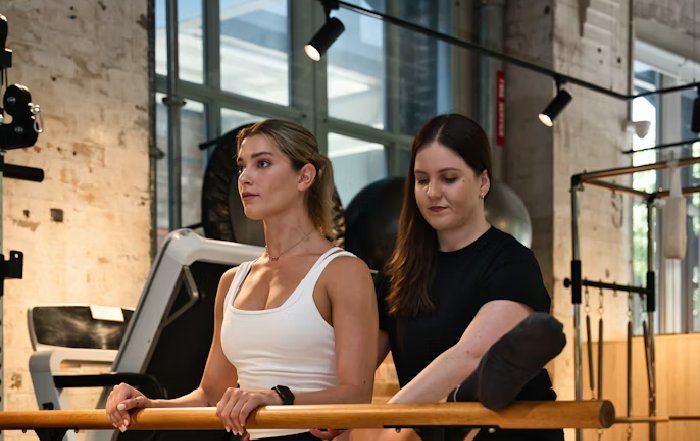
Your Complete Guide to Functional Strength and Mobility
Why Functional Strength and Mobility Matter More Than Ever
As hybrid work, digital overload, and aging populations reshape how people live and earn a living worldwide, functional strength and mobility have shifted from niche fitness concepts to essential pillars of long-term performance, resilience, and quality of life. Across the United States, Europe, Asia, Africa, and South America, professionals who once focused solely on aesthetics or short-term weight loss now increasingly recognize that the ability to move efficiently, resist injury, and sustain energy throughout long workdays is a competitive advantage, not just a wellness aspiration. For the audience of FitBuzzFeed and its ecosystem of content on fitness, health, business, and lifestyle, this evolution is especially relevant, because functional strength and mobility sit precisely at the intersection of physical capacity, mental clarity, and professional performance.
Functional strength refers to the ability to generate force in ways that are directly transferable to real-world tasks, whether carrying groceries, lifting a child, sprinting for a train, or maintaining posture through hours of meetings and travel. Mobility, closely related but distinct from flexibility, describes the range of motion a person can access and control under load and in motion, rather than simply how far a joint can passively stretch. Organizations such as Harvard Medical School highlight that maintaining muscle mass and joint function is one of the most effective ways to preserve independence and reduce chronic pain as people age, and global health authorities increasingly emphasize movement quality as much as movement quantity. Readers who follow global health developments through outlets like World Health Organization updates can see how physical inactivity, musculoskeletal disorders, and sedentary lifestyles are now recognized as major economic and social risks in both developed and emerging markets.
The Science Behind Functional Strength and Mobility
Functional strength and mobility are grounded in exercise science, biomechanics, and neuromuscular adaptation rather than trends or short-lived workout fads. When an individual performs movements such as squats, hinges, pushes, pulls, carries, and rotations, multiple muscle groups, joints, and stabilizing structures work together in coordinated patterns, which more closely mirror daily life and sport than isolated machine-based exercises. Research from institutions like Mayo Clinic has consistently shown that compound, multi-joint exercises can improve strength, balance, and metabolic health more efficiently than isolated movements alone, particularly for busy professionals who must maximize results in limited training time. Those who wish to explore the medical perspective can review guidance on strength training for health to understand how functional exercise supports cardiovascular and metabolic outcomes.
At the same time, mobility training targets the capacity of joints and tissues to move through their full, usable range while maintaining control, stability, and alignment. This controlled range of motion is critical in preventing compensations that lead to overuse injuries, lower back pain, and joint degeneration. Leading sports science organizations, such as UK Sport and Australian Institute of Sport, have integrated mobility and movement screening into elite athlete preparation, recognizing that strength without mobility can create imbalances, while mobility without strength can leave joints vulnerable. Readers interested in performance models can learn more about high-performance training frameworks that emphasize the synergy between strength, mobility, and recovery.
Neuromuscular adaptation is central to both functional strength and mobility. The nervous system learns to recruit the right muscles at the right time with appropriate intensity, improving coordination, reaction time, and movement efficiency. This is why exercises that challenge balance, unilateral stability, and rotational control often feel more demanding than their apparent load might suggest. Over time, consistent functional training improves proprioception, or the body's sense of position in space, which is particularly important for older adults and people recovering from injuries. Organizations such as National Institute on Aging underline that strength and balance training can significantly reduce the risk of falls and associated healthcare costs, and those who want to understand the aging perspective can explore guidelines on exercise for older adults.
From Gym-Centric Workouts to Movement-Centric Lives
The shift from gym-centric to movement-centric approaches has accelerated since the early 2020s, as more people adopted remote work, digital collaboration, and flexible schedules. For the global audience of FitBuzzFeed, this means that functional strength and mobility are no longer confined to specialized studios or athletic facilities; they are increasingly integrated into everyday routines, from short movement breaks between virtual meetings to micro-workouts during travel or childcare. Platforms that track physical activity, such as World Health Organization's global recommendations for movement and sedentary behavior, emphasize that cumulative movement throughout the day can be as important as structured gym sessions, which aligns with the lifestyle content available across FitBuzzFeed's wellness coverage.
Functional training often uses minimal equipment-such as kettlebells, resistance bands, suspension trainers, and bodyweight-making it accessible across urban apartments, suburban homes, and even small offices in markets ranging from New York and London to Singapore and São Paulo. This accessibility is particularly important for professionals in demanding industries such as finance, technology, healthcare, and logistics, who may not have predictable schedules or easy access to traditional gyms. Resources like American College of Sports Medicine provide evidence-based guidelines on integrating strength and mobility into weekly routines that can be adapted to different work patterns and cultural contexts.
For readers of FitBuzzFeed who follow developments in technology, digital innovation has also transformed how functional strength and mobility are trained and monitored. Wearables, motion-capture apps, and AI-driven coaching platforms increasingly offer real-time feedback on joint angles, movement speed, and asymmetries, allowing individuals to refine technique and reduce injury risk without constant in-person supervision. Companies such as Garmin, Apple, and Whoop have invested heavily in metrics that go beyond steps and heart rate, including variability in heart rate, recovery scores, and even sleep quality, all of which influence how effectively the body can adapt to functional training. Those who want to understand the broader digital health landscape can explore technology trends in health monitoring.
Building a Functional Strength Foundation
Developing a functional strength foundation begins with understanding movement patterns rather than isolated muscles. Practitioners typically focus on squatting, hinging, lunging, pushing, pulling, carrying, and rotating, which together cover most daily and athletic demands. For example, a hinge pattern such as a deadlift prepares the body for lifting heavy objects from the ground with a neutral spine, while a unilateral lunge pattern improves stability for tasks like climbing stairs or stepping off curbs. By training these patterns under progressive load, individuals improve not only raw strength but also joint alignment, core stability, and posture. Readers seeking more structured training concepts can draw on National Strength and Conditioning Association resources, where they can learn more about evidence-based strength programming.
The principle of progressive overload remains central: to continue gaining strength, the body must be challenged with gradually increasing resistance, volume, or complexity. However, in functional training, progression also involves moving from stable to unstable environments, bilateral to unilateral exercises, and simple to more complex movement combinations. For example, a trainee might progress from a bodyweight squat to a goblet squat, then to a front squat, and later to split squats or single-leg variations that challenge balance and coordination. For readers engaged with FitBuzzFeed's training content, this layered approach aligns with sustainable progression rather than abrupt, high-risk jumps in intensity.
Core training within functional strength is not limited to isolated abdominal exercises; instead, it emphasizes anti-rotation, anti-extension, and anti-lateral flexion patterns that reflect how the torso stabilizes under real-world loads. Exercises such as planks, dead bugs, and farmer's carries teach the body to resist unwanted movement, which is crucial for protecting the spine during lifting, twisting, and impact. Sports medicine authorities like Cleveland Clinic provide accessible explanations of core stability and back health that can help professionals understand why functional core work is often more beneficial than high-repetition crunches or sit-ups.
Mobility: The Missing Link in High-Performance Living
While strength receives considerable attention in mainstream fitness media, mobility often remains underemphasized, even though it is the missing link for many people experiencing stiffness, recurring injuries, or plateaus in performance. Mobility encompasses joint range of motion, tissue quality, and motor control, all of which determine how comfortably and safely a person can move. For the global readership of FitBuzzFeed, this is particularly relevant in regions where long commutes, desk-based work, and screen use dominate daily life, such as North America, Europe, and parts of Asia, because prolonged sitting tends to reduce hip extension, thoracic spine rotation, and shoulder mobility.
Effective mobility work typically combines dynamic stretching, controlled articular rotations, loaded stretching, and movement-specific drills. Dynamic movements, such as leg swings, arm circles, and hip openers, prepare joints for activity, while more advanced techniques, like loaded stretching and isometric holds at end ranges, help expand usable mobility over time. Elite sports organizations, including FIFA and World Rugby, have integrated dynamic mobility drills into their warm-up protocols, recognizing that proper preparation reduces injury rates and improves performance. Those interested in sports-specific injury prevention can review international warm-up and mobility frameworks.
Another dimension of mobility is tissue health, which involves the fascia, tendons, and surrounding soft tissues that influence how easily joints can move. Techniques such as foam rolling, self-massage, and targeted release with small tools can improve circulation and reduce perceived tightness, although they are most effective when combined with active movement rather than used alone. Physiotherapy organizations, such as Chartered Society of Physiotherapy in the UK, provide guidance on safe approaches to self-management of musculoskeletal issues, which can be valuable for individuals who experience chronic stiffness or previous injuries and want to integrate mobility work responsibly.
Functional Strength and Mobility for Busy Professionals
For many readers of FitBuzzFeed, the central challenge is not understanding the value of functional strength and mobility but integrating them into demanding schedules that span time zones, travel, and family responsibilities. The most effective strategies for busy professionals focus on consistency, efficiency, and habit design rather than long, sporadic sessions. Short, focused workouts of 20-30 minutes, performed three to four times per week, can deliver meaningful improvements in strength and mobility when built around key movement patterns and supported by brief daily mobility breaks. Global health authorities, including Centers for Disease Control and Prevention, outline minimum activity guidelines for adults, which can be met and exceeded through well-designed functional routines.
One practical approach is to anchor movement to existing daily events, such as performing a five-minute mobility sequence after morning coffee, a brief strength circuit at lunch, and a short walk or carry-based session in the evening. This pattern-based integration is especially effective for professionals in sectors like technology, consulting, media, and finance, where work intensity fluctuates but certain routines remain stable. Readers who regularly follow FitBuzzFeed's business and jobs coverage will recognize that physical resilience and mental clarity are increasingly seen as leadership competencies, not optional extras, in high-pressure corporate environments.
Remote and hybrid workers can also design their workspaces to encourage movement rather than inhibit it. Adjustable desks, strategically placed resistance bands, and small kettlebells or dumbbells within reach can turn micro-breaks into meaningful strength and mobility practice. Ergonomics experts at organizations like Occupational Safety and Health Administration provide recommendations on creating safer, more movement-friendly work environments, which align well with the functional training philosophy of integrating movement into everyday life rather than confining it to isolated workout windows.
Nutrition, Recovery, and the Functional Training Ecosystem
Functional strength and mobility do not exist in isolation; they are part of a broader ecosystem that includes nutrition, sleep, stress management, and recovery. For the FitBuzzFeed audience that follows nutrition and wellness content, understanding how these elements interact is critical for sustainable progress. Adequate protein intake supports muscle repair and growth, while carbohydrates and healthy fats provide the energy required for both high-intensity efforts and low-intensity mobility work. Organizations such as Academy of Nutrition and Dietetics offer practical guidance to align dietary choices with training goals, helping individuals tailor their intake to functional performance rather than purely aesthetic outcomes.
Sleep and recovery are equally vital. Functional training often challenges stabilizing muscles, connective tissues, and the nervous system more than isolated machine workouts, which means that high-quality sleep and stress management practices become essential for adaptation. Chronic sleep deprivation, common among executives, entrepreneurs, and shift workers across regions like the United States, United Kingdom, Germany, and Singapore, can blunt strength gains, reduce mobility improvements, and increase injury risk. Institutions such as National Sleep Foundation provide evidence-based recommendations on optimal sleep duration and quality, which professionals can use to calibrate their training intensity according to their recovery capacity.
Active recovery strategies, such as low-intensity walking, gentle mobility work, and light cycling or swimming, help maintain circulation, reduce soreness, and reinforce movement patterns without adding excessive fatigue. This aligns with the functional training philosophy of staying active daily rather than oscillating between intense workouts and complete inactivity. Readers who track sports and performance news on FitBuzzFeed will recognize that elite athletes and high-performing executives increasingly treat recovery as a strategic asset, often using data from wearables and apps to adjust workloads and maintain consistent progress.
Global Trends: Functional Training Across Regions and Industries
Functional strength and mobility are not limited to a single country or culture; they have become global trends influenced by demographic shifts, healthcare costs, and evolving workplace expectations. In North America and Western Europe, aging populations and rising healthcare expenditures have prompted governments and employers to encourage preventive strategies that include resistance training and mobility work. Public health campaigns in countries such as Canada, Australia, and the Netherlands increasingly highlight strength training as essential for long-term health, complementing traditional messages about cardiovascular exercise. Readers who follow world news on health and policy can see how this shift is reflected in national guidelines and employer-sponsored wellness programs.
In Asia, particularly in markets such as China, Japan, South Korea, Singapore, and Thailand, rapid urbanization and high-intensity work cultures have created a growing demand for efficient, science-based fitness solutions that fit into dense schedules. Boutique studios, corporate wellness providers, and digital platforms are integrating functional training into offerings tailored for office workers, entrepreneurs, and professionals in technology and finance. Organizations like Health Promotion Board Singapore have been proactive in promoting workplace and community movement programs, blending traditional practices with modern exercise science to improve population health.
In emerging markets across Africa and South America, including South Africa and Brazil, functional training often intersects with community-based sport, outdoor activity, and locally adapted equipment. Here, the emphasis is frequently on accessibility, improvisation, and resilience, with coaches and trainers using minimal gear in parks, community centers, and informal spaces. This grassroots approach aligns well with the core principles of functional strength and mobility, demonstrating that sophisticated results do not always require sophisticated equipment. For readers interested in how fitness and wellness intersect with broader social and economic trends, FitBuzzFeed's news section at fitbuzzfeed.com/news.html regularly highlights how physical culture evolves alongside labor markets, technology, and public policy.
Integrating Functional Strength and Mobility into the FitBuzzFeed Lifestyle
For the FitBuzzFeed community, functional strength and mobility are not abstract concepts but practical tools to enhance everyday living, career longevity, and personal fulfillment. Whether readers are following fitness features, exploring business and brand innovation, or tracking events in sports and wellness, the underlying theme remains consistent: those who invest in movement quality, strength, and resilience are better equipped to navigate the demands of modern life. From executives in New York and London, to entrepreneurs in Berlin and Toronto, to creatives in Sydney and Cape Town, functional training offers a framework that adapts to different cultures, schedules, and physical starting points.
The most sustainable approach is to view functional strength and mobility not as a temporary program but as an ongoing practice that evolves with life stages, career shifts, and personal goals. Younger professionals may prioritize performance and physique, mid-career individuals might focus on injury prevention and energy management, while older adults may emphasize independence and joint health; yet all three groups benefit from the same foundational principles of movement quality, progressive strength, and consistent mobility work. Trusted organizations such as American Council on Exercise provide accessible overviews to help people at different life stages structure safe, effective programs, which can be adapted and refined with professional guidance.
As FitBuzzFeed continues to expand its coverage across physical performance, wellness innovation, and global lifestyle trends, functional strength and mobility will remain central themes that connect sports, health, business, and technology. For readers committed to thriving in a fast-changing, physically demanding, and digitally saturated world, the message is clear: mastering how the body moves, stabilizes, and adapts is not just a fitness goal; it is a strategic investment in long-term capability, confidence, and quality of life.