

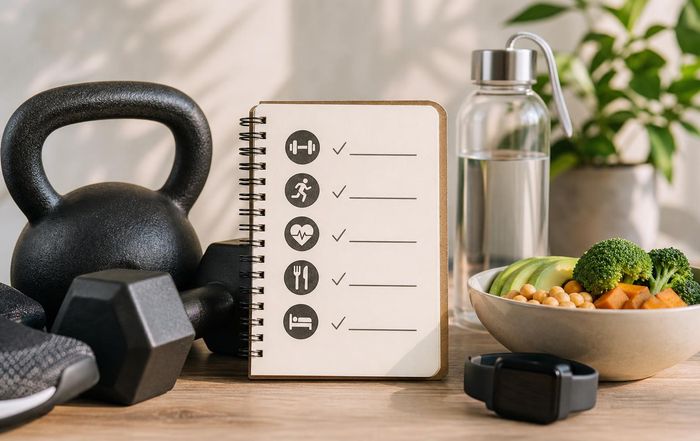
Practical Fitness Goals for Sustainable Progress
Why Sustainable Fitness Goals Matter More Than Ever
As hybrid work, digital overload, and economic uncertainty continue to reshape daily life across North America, Europe, Asia, Africa, and South America, individuals and organizations are rethinking what meaningful, sustainable fitness progress actually looks like. The sports active community coming here to FitBuzzFeed-professionals, athletes, entrepreneurs, and health-conscious readers from the United States, United Kingdom, Germany, Canada, Australia, France, Italy, Spain, the Netherlands, Switzerland, China, Sweden, Norway, Singapore, Denmark, South Korea, Japan, Thailand, Finland, South Africa, Brazil, Malaysia, and New Zealand-no longer view fitness as a short-term project but as a long-term asset that underpins productivity, resilience, and quality of life.
As global data from organizations such as the World Health Organization show an ongoing burden of lifestyle-related diseases, many decision-makers and working professionals are recognizing that practical, evidence-based goals are more effective than extreme transformations or unsustainable challenges. Readers who follow the latest coverage in health, fitness, and wellness on FitBuzzFeed are increasingly interested in how to translate complex scientific findings into daily routines that can be maintained not just for weeks, but for years.
At the same time, major institutions such as Harvard T.H. Chan School of Public Health and Mayo Clinic continue to emphasize that modest, consistent improvements in physical activity, nutrition, and sleep can significantly reduce the risk of cardiovascular disease, type 2 diabetes, and mental health challenges. Readers who want to go deeper into the science can explore how regular physical activity reduces chronic disease risk and how lifestyle medicine is reshaping clinical practice. The challenge is not a lack of knowledge, but the translation of that knowledge into practical fitness goals that work within demanding careers, family responsibilities, and shifting economic landscapes.
From Vague Intentions to Measurable Progress
Across global business hubs from New York and London to Singapore and Sydney, ambitious professionals often set aspirational fitness resolutions that sound impressive but lack clarity, such as "get in shape," "lose weight," or "be healthier." These vague intentions rarely survive the pressures of quarterly deadlines, frequent travel, or family obligations. In contrast, sustainable progress begins with the disciplined practice of converting broad aspirations into specific, measurable, attainable, relevant, and time-bound objectives that align with personal values and professional realities.
Organizations such as American College of Sports Medicine (ACSM) and National Health Service (NHS) in the United Kingdom have repeatedly highlighted that even incremental progress-such as adding two structured strength sessions per week or increasing daily step counts by a few thousand steps-can meaningfully improve health markers when maintained over months and years. Readers can learn more about evidence-based exercise guidelines and explore how public health systems like the NHS frame physical activity recommendations for adults across different age groups.
On FitBuzzFeed, this approach to specificity is reflected in unique daily coverage that links fitness to real-world performance, whether in sports, jobs, or executive leadership. Instead of focusing on dramatic before-and-after narratives, the emphasis is shifting toward measurable metrics such as resting heart rate, VO₂ max, strength benchmarks, mobility scores, and mental well-being indicators, which together provide a more nuanced and trustworthy picture of long-term progress.
Aligning Fitness with Lifestyle and Work Demands
For readers operating in demanding sectors such as finance, technology, consulting, healthcare, and logistics, the question is rarely whether fitness is important, but how to make it practically feasible. The global shift to hybrid and remote work has blurred boundaries between professional and personal time, making it easy to sacrifice exercise, recovery, and nutrition planning in favor of urgent tasks and back-to-back virtual meetings. Yet research from institutions like Stanford University and MIT Sloan School of Management continues to show that workers who maintain regular physical activity and adequate sleep demonstrate higher cognitive performance, better emotional regulation, and reduced burnout risk. Those interested in the economic and productivity implications can explore how exercise improves workplace performance and how well-being initiatives affect organizational outcomes.
For the global audience of FitBuzzFeed, sustainable fitness goals must therefore respect cultural, geographic, and logistical realities. A professional in Tokyo navigating long commutes and late office hours may need a different training schedule than an entrepreneur in Berlin or a remote worker in Vancouver. Yet the underlying principle remains consistent: fitness programs that are tightly integrated into the structure of one's day-such as scheduled walking meetings, short high-intensity interval training sessions between calls, or early-morning strength sessions before children wake up-are far more likely to be sustained than those that rely on sporadic bursts of motivation. Readers can explore practical strategies for integrating movement into busy routines in FitBuzzFeed's lifestyle and training sections, where the focus is on realistic, time-efficient solutions rather than idealized routines.
The Role of Strength, Cardio, and Mobility in Balanced Programming
In 2026, the global fitness industry continues to evolve beyond the binary debate of strength training versus cardio, recognizing that sustainable progress requires a balanced integration of muscular strength, cardiovascular health, and joint mobility. Leading organizations such as Centers for Disease Control and Prevention (CDC) in the United States recommend a combination of moderate-to-vigorous aerobic activity and muscle-strengthening exercises across the week, while sports performance institutions like UK Sport and Australian Institute of Sport emphasize mobility, stability, and recovery as critical foundations for long-term athletic development. Readers can review current physical activity guidelines and learn how elite programs structure balanced training.
For the FitBuzzFeed audience, this balanced perspective is particularly relevant because many readers participate in recreational sports, endurance events, or strength-focused disciplines while also managing demanding careers. Practical fitness goals might therefore include improving a 5K run time by a modest, measurable margin over 12 weeks, increasing a major compound lift by a certain percentage across a training cycle, or completing a dedicated mobility routine three times per week to address chronic stiffness from desk work. Articles in sports and physical sections frequently highlight how integrating these pillars can reduce injury risk, support healthy aging, and maintain performance across decades rather than seasons.
Globally recognized health systems such as Cleveland Clinic and Johns Hopkins Medicine consistently underscore that strength training is not merely for athletes or younger demographics; it is a cornerstone of preserving bone density, metabolic health, and functional independence into later life. Those wishing to deepen their understanding can explore how resistance training supports long-term health and how cardiorespiratory fitness correlates with longevity. By treating strength, cardio, and mobility as complementary rather than competing priorities, individuals can design goal structures that are both ambitious and sustainable.
Nutrition as a Strategic Lever for Consistent Progress
No discussion of practical fitness goals can be complete without acknowledging the central role of nutrition in supporting training, recovery, and overall health. In an era where ultra-processed foods remain widely available and global supply chains continue to face periodic disruptions, intentionally setting nutrition goals has become a strategic necessity rather than an optional enhancement. Leading authorities such as United States Department of Agriculture (USDA) and Public Health England provide detailed dietary guidelines that emphasize whole foods, adequate protein intake, fiber-rich carbohydrates, healthy fats, and micronutrient diversity, while research from University of Toronto and Karolinska Institutet continues to explore the complex relationship between diet, metabolic health, and mental well-being. Readers can explore current dietary guidelines and learn more about nutrition and brain health.
For FitBuzzFeed readers, who often seek practical advice that can be integrated into busy schedules, sustainable nutrition goals might include preparing a set number of home-cooked meals per week, ensuring a minimum daily protein target aligned with body weight and activity level, or reducing the frequency of sugary beverage consumption. The nutrition and wellness sections frequently explore how to balance evidence-based recommendations with cultural preferences and regional food availability, whether in the context of Mediterranean dietary patterns in Europe, traditional cuisines in Asia, or plant-forward trends in North America and Australia.
Importantly, credible organizations such as Academy of Nutrition and Dietetics and European Food Safety Authority (EFSA) remind the public that extreme restriction, fad diets, and unverified supplements can undermine both physical and psychological health. Readers who want to navigate the crowded marketplace of nutrition information can learn how to evaluate dietary claims and understand safe supplementation practices. By setting nutrition goals that are realistic, culturally appropriate, and aligned with long-term health rather than rapid transformation, individuals can support their training while maintaining psychological flexibility and enjoyment of food.
Sleep, Recovery, and the Science of Longevity-Oriented Training
Around the world, from Silicon Valley to Seoul, the myth of relentless hustle is gradually giving way to a more sophisticated understanding of recovery as a performance multiplier. In 2026, a growing body of research from institutions such as National Institutes of Health (NIH), University of Oxford, and Karolinska Institutet demonstrates that sleep quality, stress management, and structured recovery are not peripheral to fitness but central to sustainable progress and longevity. Those interested in the underlying science can explore how sleep affects performance and health and learn more about circadian rhythms.
For the FitBuzzFeed community, which includes high-performing professionals, founders, and competitive amateurs, practical recovery goals might involve setting a consistent sleep schedule aligned with natural chronotypes, integrating low-intensity movement on rest days, or adopting evidence-based stress reduction practices such as mindfulness, breathwork, or nature exposure. The platform's health and lifestyle coverage increasingly highlights the interplay between nervous system regulation, hormonal balance, and training adaptation, particularly in the context of chronic stress, jet lag, and digital overload.
Global leaders in sports science, including International Olympic Committee (IOC) and national institutes across Europe and Asia, have also reinforced that overtraining without adequate recovery can lead to plateaued performance, increased injury risk, and mental burnout. Readers who want to understand these dynamics can learn more about overtraining and athlete health. By explicitly integrating recovery into goal planning-rather than treating it as an afterthought-individuals can design training cycles that support sustainable progress over multi-year horizons rather than chasing short-lived peaks.
Technology, Data, and the Rise of Smart Goal Tracking
The rapid evolution of wearables, fitness apps, and connected equipment has fundamentally changed how people in cities from New York and London to Shanghai, Stockholm, and Johannesburg set and monitor fitness goals. Devices and platforms developed by companies such as Apple, Garmin, WHOOP, and Oura now provide real-time data on heart rate variability, sleep stages, training load, and recovery status, enabling individuals to make more informed decisions about when to push and when to rest. Those interested in the broader landscape can explore independent reviews of fitness wearables and learn how data can guide personalized training.
For the FitBuzzFeed audience, which is generally comfortable with technology and often works in digital-forward industries, the key challenge is not accessing data but interpreting it responsibly. Sustainable progress requires using metrics as feedback, not as a source of anxiety or comparison. Practical data-driven goals might include gradually increasing weekly training volume while monitoring recovery scores, maintaining a minimum daily step count during travel-heavy months, or using heart rate zones to calibrate intensity in both endurance and interval sessions. The technology and business sections frequently analyze how digital tools are reshaping not only personal training but also the broader wellness economy, from corporate health programs to insurance incentives.
Leading academic and clinical institutions, including Mayo Clinic and Stanford Medicine, caution that while consumer-grade devices offer useful trends, they are not diagnostic tools and should be interpreted in context. Those who want to deepen their understanding of digital health can learn more about the promises and limits of wearables. By combining objective data from devices with subjective measures such as perceived exertion, mood, and energy levels, individuals can refine their goals over time, maintaining both ambition and self-compassion.
Building Psychological Resilience and Identity-Based Habits
Beyond physiology and technology, sustainable fitness progress in 2026 depends heavily on psychology, identity, and social context. Behavioral scientists from institutions such as University College London, University of Pennsylvania, and University of Melbourne have shown that long-term adherence to health behaviors is more strongly predicted by identity-based habits and social support than by initial motivation alone. Readers can explore research on habit formation and learn about behavioral strategies for lifestyle change.
For the FitBuzzFeed community, which spans continents and cultures, practical psychological strategies might include reframing goals around identity-such as "I am someone who trains four times per week" or "I am a person who prioritizes sleep"-and designing environments that make the desired behaviors easier, such as preparing workout clothes in advance, scheduling sessions with colleagues or friends, or joining local sports clubs and digital communities. The platform's world and events sections often highlight how regional races, charity events, and community challenges in cities from London and Paris to São Paulo, Cape Town, and Bangkok can serve as powerful goal anchors that combine physical challenge with social connection.
Major health organizations, including World Health Organization and Public Health Agency of Canada, emphasize that mental health and physical health are deeply intertwined, and that self-criticism and perfectionism can derail sustainable progress as effectively as a lack of planning. Those seeking further guidance can learn more about mental health and physical activity and understand stress and resilience strategies. By approaching fitness goals as part of a broader life narrative-one that includes career development, family responsibilities, and community involvement-individuals can cultivate resilience and adaptability rather than all-or-nothing thinking.
The Business of Fitness and the Future of Work-Integrated Wellness
The evolution of practical fitness goals is not only a personal matter; it is increasingly a strategic business issue. Across the United States, Europe, Asia, and beyond, employers are recognizing that physical health, mental resilience, and lifestyle habits directly influence productivity, innovation, and retention. Leading companies in technology, finance, and professional services are partnering with wellness providers and digital platforms to offer integrated programs that combine fitness tracking, coaching, and incentives. Readers can learn more about corporate wellness trends and explore how well-being strategies shape organizational performance.
For FitBuzzFeed, with its dedicated business, jobs, and brands coverage, this intersection of fitness and work represents a core editorial focus. The platform's audience is increasingly interested not only in personal training strategies but also in how employers, policymakers, and industry leaders can design environments that make healthy choices more accessible and attractive. Whether through flexible work arrangements that facilitate daytime training, subsidies for gym memberships and digital coaching, or the integration of movement into office design, the most forward-thinking organizations are recognizing that sustainable employee fitness is a competitive advantage.
Global consultancies and think tanks, including World Economic Forum and OECD, are also highlighting the macroeconomic implications of population health, particularly in aging societies across Europe and Asia. Those who want to understand the broader context can explore reports on the future of work and well-being and learn more about health, productivity, and economic growth. As these conversations continue, practical fitness goals-once considered a purely individual responsibility-are increasingly viewed as part of a shared ecosystem involving individuals, employers, healthcare systems, and technology providers.
Crafting a Personal Roadmap for Sustainable Progress
For newsletter subscribers and readers across continents who regularly turn to FitBuzzFeed as a trusted daily source for news, analysis, and practical guidance on fitness, health, and lifestyle, the path forward is clear yet demanding. Sustainable progress requires moving beyond quick fixes and embracing a long-term, evidence-based approach that integrates physical training, nutrition, recovery, technology, and psychology into a coherent personal strategy.
A practical roadmap begins with honest assessment-of current fitness levels, health markers, schedule constraints, and personal motivations-followed by the design of specific, realistic goals that can be tracked and refined over time. It involves balancing strength, cardio, and mobility in a way that supports both performance and longevity; setting nutrition targets that respect cultural preferences and social contexts; protecting sleep and recovery as non-negotiable assets; and using technology as a supportive tool rather than a source of pressure. It also demands the cultivation of identity-based habits, social support, and self-compassion, recognizing that progress is rarely linear and that adaptability is a hallmark of long-term success.
As the global landscape continues to shift-from economic cycles and technological disruption to demographic change and public health challenges-those who anchor their lives in sustainable fitness practices will be better equipped to navigate uncertainty with resilience and clarity. For this international community, FitBuzzFeed will remain a dedicated partner, offering in-depth coverage, expert perspectives, and practical frameworks that help transform ambitious intentions into measurable, meaningful, and enduring progress.