

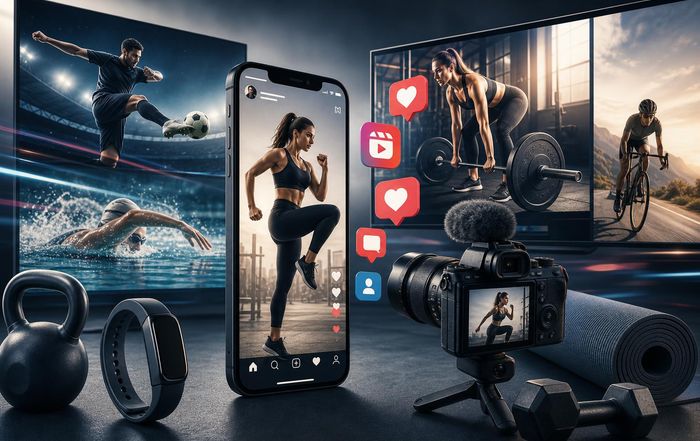
Sports Media Trends Reshaping Global Fitness Culture
Introduction: When Screens Become Stadiums and Gyms
The global sports and fitness ecosystem has been profoundly reshaped by the convergence of live sports, social media, streaming platforms, wearable technology, and data-driven personalization, and for the fit people coming here, which lives at the intersection of performance, wellness, lifestyle, and business, the most important change is not only how sports are watched, but how those viewing habits now directly influence how people train, eat, recover, and even choose careers and brands. As sports media has shifted from scheduled broadcasts to always-on, interactive experiences across smartphones, connected TVs, and wearables, it has simultaneously transformed fitness from a niche hobby or professional pursuit into a mainstream cultural currency that connects fans and participants across the United States, Europe, Asia, Africa, and beyond, and this evolution is now visible in gyms in London and Los Angeles, running clubs in Berlin and Singapore, esports arenas in Seoul, and wellness studios in Sydney.
While traditional broadcasters and legacy leagues still matter, the rise of digital-native platforms, creator-led content, athlete-owned media channels, and immersive technologies has broken down the old barriers between spectator and participant, and as a result, the same feeds that deliver highlights from NBA games, Premier League matches, or UFC cards are also delivering training plans, nutrition advice, mental health guidance, and performance analytics to millions of individuals looking to move better and live healthier lives. For activity and experience minded premium websites like FitBuzzFeed, which curates completely original stories across sports, fitness, health, business, and technology, understanding these sports media trends is essential to helping readers navigate a rapidly changing landscape and make informed, trustworthy choices about how they invest their time, money, and energy.
Streaming Wars and the Rise of Interactive Sports Fitness
The shift from linear television to streaming has been underway for more than a decade, but by 2026 the sports media ecosystem has fully embraced direct-to-consumer models, with platforms such as ESPN+, DAZN, Amazon Prime Video, and Apple TV+ competing to secure exclusive rights to top leagues and international competitions, while also building out adjacent fitness and wellness content as a way to deepen engagement and reduce churn. The same subscription that gives a viewer access to NFL or La Liga coverage increasingly includes on-demand training sessions, recovery routines, and sport-specific conditioning programs, and this bundling is normalizing the idea that watching sport and doing sport belong inside the same digital environment.
Interactive features are accelerating this convergence, as viewers can now access real-time statistics, biometric overlays, and tactical breakdowns while streaming live events, and in some cases they can sync their own wearables to compare heart rates, speed, and workload with professional athletes in real time. Platforms and device makers are using open standards such as Bluetooth LE and ANT+, alongside cloud infrastructure from providers like Amazon Web Services and Microsoft Azure, to ensure that data captured on smartwatches, heart-rate straps, and connected equipment can be integrated into the streaming experience, and this is turning passive viewership into an active, data-rich fitness journey. Learn more about how streaming is transforming sports consumption through resources such as Statista's sports media reports and Deloitte's sports business insights, which provide a macroeconomic view of these shifts.
For the FitBuzzFeed daily updated ace community, which spans casual gym-goers in New York and Toronto, amateur footballers in Manchester and Madrid, and wellness-focused professionals in Singapore and Tokyo, the implication is clear: the same app used to watch a match or a race is increasingly the entry point into structured training, performance tracking, and community challenges, and this tight integration is making fitness more accessible while also raising new questions about data, content quality, and platform dependence that sophisticated audiences must evaluate carefully.
Athlete-Driven Media: From Endorsements to Training Ecosystems
One of the most powerful sports media trends influencing fitness culture is the rise of athlete-owned and athlete-driven media channels, as elite performers have moved beyond traditional endorsements with organizations like Nike, Adidas, and Under Armour to build their own content ecosystems, subscription platforms, and training brands that speak directly to fans and aspiring athletes. Through social channels, podcasts, long-form documentary series, and proprietary apps, athletes across basketball, football, tennis, combat sports, and endurance disciplines are now offering complete blueprints that cover strength and conditioning, mobility, nutrition, mental skills, and recovery, and this is reshaping expectations about what authentic, trustworthy fitness guidance looks like.
Platforms such as YouTube, Instagram, TikTok, and Twitch have been central to this change, but the real shift has occurred as athletes have begun to partner with specialized fitness technology companies, sports scientists, and performance coaches to package their routines into scalable digital products, often backed by venture capital and supported by enterprise-grade infrastructure. Readers can explore how athlete entrepreneurship is transforming the business of sport through analyses from Harvard Business Review and McKinsey & Company's sports and gaming practice, which highlight the strategic and financial dimensions of these ventures.
For FitBuzzFeed, which profiles emerging and established brands at the intersection of sports, wellness, and technology, this athlete-driven media revolution underscores the importance of evaluating not only star power but also the underlying expertise and evidence base behind any training system or product, because the line between inspiration and misinformation can be thin when content scales globally across markets from the United States and Canada to Germany, Japan, Brazil, and South Africa.
Short-Form Content and the Micro-Workout Mindset
The dominance of short-form video on platforms such as TikTok, Instagram Reels, and YouTube Shorts has helped normalize the idea that effective fitness can be integrated into busy lives through micro-workouts, snackable routines, and highly targeted drills that fit into five- or ten-minute windows, and this trend is especially visible among younger demographics in the United Kingdom, Australia, France, Italy, Spain, and the Nordic countries, where hybrid work patterns and urban lifestyles demand flexible, mobile-friendly training options. Influencers, coaches, and sports scientists are leveraging these formats to demonstrate technique, share drills, and break down complex concepts into visually engaging, easy-to-follow sequences that can be performed at home, in offices, or in outdoor spaces.
However, the shift toward brevity also creates challenges in maintaining training quality, progression, and safety, which is why many of the most credible creators and organizations now use short-form content as an entry point into more structured programs delivered through dedicated apps, subscription platforms, or in-person coaching. Insights from World Health Organization physical activity guidelines and American College of Sports Medicine resources can help audiences understand how micro-workouts fit into broader evidence-based recommendations for weekly activity, strength training, and recovery.
Within the FitBuzzFeed ecosystem, short-form content is increasingly used to direct readers toward deeper unaffiliated content across training, physical performance, and wellness, ensuring that quick tips and viral trends are contextualized within comprehensive programs that align with long-term health and performance goals rather than short-lived fads.
Data, Wearables, and the Quantified Athlete-Consumer
Wearable technology has moved from niche gadget to mainstream necessity for millions of consumers, and in 2026, devices from companies such as Apple, Garmin, Polar, WHOOP, and Fitbit are deeply embedded in both sports broadcasting and fitness content, with many live events now integrating biometric data from professional athletes into on-screen graphics while also encouraging viewers to track their own metrics in parallel. This dual-layer experience reinforces the idea that every fan can be a data-informed athlete, and it has fueled a surge in demand for personalized training plans, adaptive coaching algorithms, and recovery protocols tailored to individual physiology and lifestyle patterns.
Research hubs such as the U.S. National Institutes of Health and the European Society of Cardiology provide ongoing evidence about the benefits and limitations of consumer wearables for monitoring heart health, sleep, and activity, and their findings are increasingly referenced by both sports broadcasters and fitness platforms seeking to position their offerings as science-based and trustworthy. At the same time, regulatory frameworks in regions such as the European Union, the United States, and Asia-Pacific are evolving to address concerns about data security, consent, and algorithmic transparency, especially as wearable data is integrated into insurance products, corporate wellness programs, and talent identification systems.
For FitBuzzFeed's growing active global fans, spanning markets from the Netherlands and Switzerland to Singapore and South Korea, this data-rich environment presents both opportunity and complexity, and the platform's coverage across health, technology, and business is increasingly focused on helping readers interpret metrics responsibly, choose devices aligned with their actual needs, and avoid over-reliance on numbers at the expense of subjective well-being and enjoyment.
Esports, Gamification, and the New Definition of Athleticism
The rapid growth of esports and game-based experiences has played a surprising but significant role in reshaping fitness culture, as younger audiences in countries such as China, Japan, South Korea, Thailand, and Malaysia have embraced competitive gaming not only as entertainment but as a legitimate professional pathway, and sports media companies have responded by blending traditional coverage with interactive, gamified layers that encourage physical participation. Motion-tracking technologies, mixed-reality headsets, and connected fitness platforms are enabling game mechanics to be layered onto real-world activities such as running, cycling, and strength training, transforming workouts into quests, challenges, and cooperative missions that mirror the engagement loops of popular games.
Organizations such as the International Olympic Committee and Global Esports Federation have begun to explore formal connections between esports and physical activity, including virtual competitions that require real-world movement, and this has sparked debates about what constitutes athleticism, how to balance screen time with physical health, and how to design inclusive, accessible experiences that appeal to diverse populations across continents. Analysts and policymakers can explore these developments further through resources like OECD reports on digitalization and youth and UNESCO's work on sport and physical education, which highlight both the opportunities and risks associated with technology-mediated play.
For FitBuzzFeed, which always aims to be positive and inspirational when thinking about sports and lifestyle trends across global markets, the intersection of esports and fitness represents a critical frontier where new forms of movement, competition, and community are emerging, and where brands, employers, and event organizers must think creatively about how to engage digitally native audiences without sacrificing the core principles of health, balance, and physical literacy.
Social Media Communities, Challenges, and Accountability
Across social platforms, fitness has become one of the most persistent and powerful content categories, with hashtags related to running, strength training, yoga, combat sports, and functional fitness generating billions of views each month, and this attention has catalyzed the formation of global communities that transcend geography, language, and socioeconomic status. From couch-to-5K groups in Canada and New Zealand to powerlifting collectives in Germany and Brazil, social media has become a primary discovery and accountability mechanism, enabling individuals to share progress, celebrate milestones, and access peer support that might be unavailable in their offline environments.
Sports media has amplified this dynamic by integrating social challenges, fan leaderboards, and user-generated content into live broadcasts and official league apps, encouraging viewers to replicate drills, participate in distance or step challenges, and donate to charitable causes linked to movement. Organizations such as Strava have pioneered social fitness networks that blend GPS tracking, performance analytics, and community features, and their growth has been closely followed by analysts and policymakers through outlets like The Guardian's sports coverage and BBC Sport, which document how digital communities are reshaping participation patterns in running, cycling, and triathlon.
FitBuzzFeed's impartial and independent editorial strategy reflects this reality by highlighting stories of community-driven transformation, workplace wellness initiatives, and cross-border collaboration, and by directing readers toward relevant somewhat educational sections such as wellness, events, and news where they can find both inspiration and practical guidance for building or joining fitness communities that align with their values, abilities, and long-term goals.
Corporate Wellness, Talent Markets, and the Business of Performance
As sports media has made elite performance more visible and aspirational, corporate leaders in sectors ranging from finance and technology to manufacturing and public services have increasingly embraced athletic metaphors and performance frameworks to shape their approaches to talent, culture, and productivity, and by 2026, many organizations across North America, Europe, and Asia-Pacific have integrated structured wellness programs, fitness subsidies, and mental health resources into their employee value propositions. This trend is partly driven by evidence linking physical activity to reduced healthcare costs, absenteeism, and burnout, but it is also influenced by the normalization of training, recovery, and coaching language in mainstream media and sports documentaries.
Consultancies such as PwC, KPMG, and Accenture regularly publish analyses on the economic impact of wellness and performance cultures, while organizations like the World Economic Forum and World Health Organization provide frameworks for integrating physical activity into broader sustainability and public health agendas. Employers are increasingly aware that younger workers in markets such as the United Kingdom, Sweden, Denmark, Singapore, and South Africa expect access to fitness facilities, flexible schedules for training, and supportive environments for mental and physical health, and that these expectations influence both recruitment and retention.
For FitBuzzFeed's audience, which includes professionals exploring new jobs in sports, wellness, and technology, as well as executives and entrepreneurs building performance-oriented cultures, the interplay between sports media narratives and corporate wellness strategies is a critical area of focus that blends business strategy, human capital management, and personal development in ways that were rare a decade ago.
Sustainable, Inclusive, and Ethical Fitness Narratives
Another defining sports media trend in 2026 is the growing emphasis on sustainability, inclusion, and ethics in both professional sport and consumer fitness, as audiences in Europe, North America, and increasingly Asia and Africa demand that organizations demonstrate responsibility not only in their on-field performance but also in their environmental footprint, labor practices, and representation of diverse bodies and identities. Coverage from outlets such as Reuters and Financial Times has highlighted how clubs, leagues, and brands are investing in low-carbon stadiums, sustainable apparel, and circular equipment models, while also facing scrutiny over sponsorship deals, supply chains, and social impact.
In the fitness space, there is a growing backlash against unrealistic body standards, extreme dieting, and performance-enhancing substances, and sports media companies that wish to maintain credibility are increasingly partnering with academic institutions, medical associations, and regulatory bodies to promote evidence-based, inclusive narratives that recognize the diverse needs of populations in regions as varied as Italy, Spain, Norway, Japan, and South Africa. Resources such as Mayo Clinic's health information and NHS physical activity guidelines are frequently referenced in these efforts to ground messaging in trusted expertise.
FitBuzzFeed's editorial mission aligns closely with this shift, as the platform consistently emphasizes balanced nutrition, holistic wellness, and realistic lifestyle design across lifestyle, fitness, and world coverage, ensuring that readers from New York to Nairobi and from Berlin to Bangkok encounter stories and guidance that respect their individuality while upholding high standards of scientific and ethical rigor.
The Future: Convergence, Personalization, and Human-Centric Performance
Looking ahead from 2026, the most significant sports media trends influencing fitness culture are likely to be characterized by deeper convergence, more sophisticated personalization, and a renewed focus on human-centric performance that integrates physical, mental, social, and environmental dimensions. As 5G and emerging 6G networks, edge computing, and advanced AI models make it possible to deliver ultra-low-latency, hyper-personalized content across devices and geographies, sports media companies will have unprecedented power to shape how individuals move, eat, sleep, and recover, and this power will carry corresponding responsibilities in terms of transparency, equity, and safety.
Innovations in areas such as digital twins, biomechanical simulation, and neurofeedback may allow fans and amateur athletes to experience training environments that closely mimic those of elite performers, while advances in telemedicine and remote coaching could bring high-level expertise to underserved communities across Africa, South America, and parts of Asia where access to in-person specialists has historically been limited. Organizations such as the International Olympic Committee and World Athletics are already exploring how to regulate and harness technology to preserve fairness while promoting participation, and their decisions will have cascading effects across media, fitness platforms, and consumer products.
For FitBuzzFeed, which stands at the nexus of news, business, sports, and wellness, the challenge and opportunity lie in continuing to provide readers with nuanced, trustworthy analysis that cuts through hype and marketing to reveal the real impact of sports media trends on everyday fitness culture, whether that means dissecting a new athlete-led app, evaluating the health claims of connected equipment, or explaining how a global tournament is reshaping local participation in cities from Toronto to Tokyo.
Conclusion: Building a Trusted Playbook for the Media-Fitness Era
Looks like sports media is not a separate domain from fitness; it is one of the primary engines driving how people around the world understand, value, and pursue physical activity, performance, and well-being, and this integration is visible in everything from the programming choices of major streaming platforms to the design of wearable interfaces, the business models of athlete-entrepreneurs, and the expectations of employees and consumers across continents. The trends outlined above-streaming integration, athlete-driven ecosystems, short-form education, quantified performance, gamified experiences, social accountability, corporate wellness, and ethical narratives-are collectively rewriting the global fitness playbook, creating new opportunities for engagement while also raising complex questions that demand informed, critical attention.
As a dedicated destination for sports, fitness, health, and lifestyle insight, FitBuzzFeed is uniquely positioned to help its audience navigate this rapidly evolving landscape with clarity and confidence, drawing on global perspectives from the United States and Canada to the United Kingdom, Germany, France, Italy, Spain, the Netherlands, Switzerland, the Nordic countries, China, Singapore, Japan, South Korea, Thailand, South Africa, Brazil, Malaysia, and New Zealand. By foregrounding experience, expertise, authoritativeness, and trustworthiness in its unbiased coverage, and by connecting the dots across sports, fitness, nutrition, technology, and business, the hub aims to do its best, and serve as both a guide and a partner for people who want to harness the power of sports media to build sustainable, high-performing, and fulfilling lives in an increasingly connected world.