

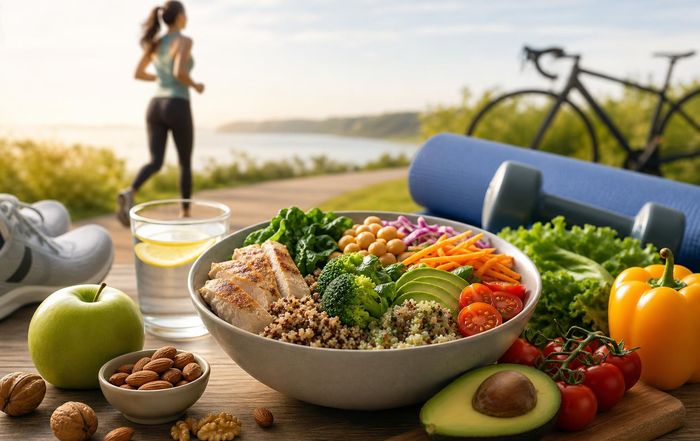
Nutrition Tips for More Balanced Active Living
The New Definition of "Active Living"
Active living no longer refers only to athletes training for competition or fitness enthusiasts spending hours in the gym; instead, it describes a much broader lifestyle in which professionals, parents, students and older adults attempt to integrate movement, recovery and nutrition into demanding daily routines shaped by hybrid work, digital tools and increasingly complex global health challenges. For the active community of FitBuzzFeed, whose interests span sports, fitness, health, business, careers, brands, lifestyle and technology, balanced active living has become both a personal priority and a strategic asset that influences performance at work, long-term health outcomes, and even employability in a highly competitive global job market.
In this context, nutrition is emerging as the most controllable and scalable lever for sustained energy, mental clarity, physical resilience and emotional stability. While training programs, wearable devices and sports technologies receive much of the attention, it is daily food choices that quietly determine whether individuals in the United States, Europe, Asia, Africa and beyond can maintain the consistency required to support their ambitions in sport, work and life. Readers who follow the performance-focused coverage on FitBuzzFeed fitness, health and nutrition pages are increasingly looking for evidence-informed, realistic and globally relevant strategies that support an active lifestyle without resorting to extreme diets or short-lived trends.
Why Nutrition Now Sits at the Core of Performance
The convergence of several trends has elevated nutrition from a supportive consideration to a central pillar of performance. The rise of hybrid and remote work has blurred boundaries between professional and personal time, meaning many active individuals now train at unconventional hours, rely more heavily on home-prepared meals or rapid delivery services, and must manage energy over longer, less structured days. At the same time, the global wellness economy continues to expand, with organizations such as McKinsey & Company highlighting how consumer spending on health, fitness and wellness products has increased across North America, Europe and Asia as people seek ways to sustain performance and prevent burnout. Readers can explore how wellness has become a mainstream economic force by reviewing the latest insights on global wellness trends.
Scientific understanding of the relationship between diet, metabolism and long-term health has also advanced significantly. Institutions such as the World Health Organization provide updated guidance on healthy diets that emphasize whole foods, reduced ultra-processed intake and balanced macronutrient profiles, principles that align closely with the needs of active individuals who must support muscle recovery, cardiovascular health and cognitive function simultaneously. Those interested in the global public health perspective can learn more about healthy diet recommendations and see how they intersect with personal performance goals.
For professionals in demanding roles across finance, technology, healthcare and creative industries, nutrition is increasingly viewed as a performance technology in its own right. Elite sports organizations such as FC Barcelona, Team GB and USA Track & Field have long embedded sports nutritionists into their high-performance programs, and their practices have gradually filtered into the mainstream. Research shared by platforms like Harvard T.H. Chan School of Public Health underscores how strategic nutrition can enhance not only physical endurance but also decision-making, memory and resilience to stress, which are essential to success in modern workplaces and entrepreneurial environments.
Building a Balanced Nutrition Framework for Active Lifestyles
Balanced active living requires more than simply eating "healthy" in a generic sense; it demands a structured yet flexible nutrition framework that can adapt to fluctuating training volumes, travel schedules, social obligations and cultural food preferences across regions from the United States and Canada to Germany, Singapore, Brazil and South Africa. Many FitBuzzFeed readers follow diverse training modalities, from endurance sports and gym-based strength programs to yoga, combat sports and recreational team activities, and each of these disciplines places different demands on energy systems and recovery processes.
A pragmatic way to approach this challenge is to view nutrition through the lens of daily rhythms rather than rigid meal plans. Active individuals benefit from thinking in terms of fueling windows before, during and after activity, while also aligning their overall daily intake with long-term goals such as improved body composition, cardiovascular health, mental focus or injury prevention. Guidance from organizations like Sports Dietitians Australia and The British Dietetic Association consistently emphasizes the importance of aligning carbohydrate intake with training intensity, ensuring adequate protein distribution across meals and maintaining hydration practices that reflect climate, sweat rates and sport-specific demands. Readers seeking more structured sports nutrition frameworks can explore performance nutrition guidelines tailored to different activity levels.
For active visitors who follow the FitBuzzFeed training and physical performance complete original sections, this framework-oriented approach allows them to integrate nutrition into their existing training cycles and periodization models. Rather than chasing the latest diet trend, they can anchor their decisions in principles that have remained consistent across the research: prioritize whole foods, maintain appropriate energy availability, distribute protein evenly, adjust carbohydrates around training and support long-term health with diverse micronutrient intake from fruits, vegetables, nuts, seeds and whole grains.
Macronutrients: Fueling Movement and Recovery
Understanding macronutrients through a performance lens is essential for anyone pursuing balanced active living. Carbohydrates remain the primary fuel for moderate to high intensity activity, especially for sports such as football, basketball, tennis, running and high-intensity interval training that many FitBuzzFeed readers follow through the sports and world sections. Guidance from the American College of Sports Medicine and International Olympic Committee indicates that carbohydrate needs increase with training volume and intensity, and that strategic timing of carbohydrate intake before and after sessions can improve performance and recovery. Those interested in the scientific underpinnings can review sports nutrition consensus statements available through reputable medical databases.
Protein plays a dual role in supporting both muscle repair and broader physiological functions such as immune health and hormone production. For active individuals, distributing protein intake across three to four meals per day appears more beneficial than concentrating it into a single large serving, as this pattern supports muscle protein synthesis more consistently. Resources from the National Institutes of Health offer accessible explanations of how protein supports the body and can guide readers in calibrating their intake relative to body weight and activity level, whether they are recreationally active or competing in endurance, strength or mixed-modal sports.
Fats, often misunderstood, are essential for hormone production, joint health and sustained low-intensity energy, particularly relevant for endurance athletes, outdoor enthusiasts and individuals engaging in long workdays with intermittent movement. The European Food Safety Authority and similar bodies in North America and Asia emphasize the importance of prioritizing unsaturated fats from sources like olive oil, nuts, seeds and fatty fish while moderating saturated fats and minimizing trans fats. Readers interested in the cardiometabolic perspective can learn more about healthy fats and heart health from the American Heart Association, which provides globally relevant guidance even as dietary patterns vary across regions.
Micronutrients, Hydration and the Often-Neglected Details
For many active professionals, micronutrients and hydration receive less attention than macronutrients, yet they can quietly determine whether training and work performance feel sustainable or exhausting. Deficiencies in iron, vitamin D, B vitamins, magnesium and calcium are relatively common worldwide, particularly among individuals with restricted diets, high training loads or limited sun exposure in countries such as the United Kingdom, Sweden, Norway, Canada and parts of East Asia. The National Health Service in the UK and Health Canada both publish guidelines on vitamin and mineral requirements that can help readers identify potential gaps in their dietary patterns.
Hydration strategies have evolved beyond the simplistic "eight glasses per day" message. Active individuals must consider sweat rates, environmental conditions and the sodium content of their diets, particularly when training in hot and humid climates such as Singapore, Thailand, Brazil or parts of the southern United States. Organizations like the Gatorade Sports Science Institute and academic centers in Europe and Asia have contributed to a more nuanced understanding of electrolyte balance and fluid replacement, demonstrating that both underhydration and overhydration can impair performance and cognition. Readers can explore evidence-based hydration strategies to better align their fluid intake with their specific training and environmental demands.
For FitBuzzFeed readers who regularly consume daily updated coverage on wellness and lifestyle, focusing on micronutrients and hydration represents an opportunity to gain meaningful benefits from relatively small habit changes, such as including a wider variety of colored vegetables, incorporating fortified foods where appropriate, and consciously hydrating before long meetings, training sessions or travel days.
Personalizing Nutrition Across Regions and Cultures
Balanced active living must be adaptable to diverse cultural food traditions, economic realities and regulatory environments across regions from North America and Europe to Asia, Africa and South America. A nutrition strategy that works for a tech professional in San Francisco may not translate directly to a finance executive in London, an engineer in Munich, a designer in Seoul or an entrepreneur in Nairobi, yet the underlying principles remain consistent: prioritize whole foods, match energy intake to expenditure, support training demands and respect individual preferences and constraints.
Global organizations such as the Food and Agriculture Organization of the United Nations and OECD monitor shifts in dietary patterns, agricultural production and food security, offering a macro-level view of how nutrition landscapes are changing worldwide. Those interested in the intersection of nutrition, economics and sustainability can learn more about global food systems and their impact on health and the environment. These dynamics matter to active individuals because they influence the availability and affordability of nutrient-dense foods, as well as the rise of new product categories such as plant-based proteins, functional beverages and performance snacks.
For FitBuzzFeed's growing fans, personalizing nutrition may involve integrating traditional dishes with updated preparation methods, adjusting portion sizes, or combining local staples with performance-focused foods. In Mediterranean countries such as Italy, Spain and Greece, for example, the traditional emphasis on olive oil, legumes, fish and vegetables aligns well with contemporary evidence on cardiometabolic health and endurance performance, as summarized by resources from The Mediterranean Diet Foundation. In East Asian countries like Japan and South Korea, fermented foods, rice, seaweed and fish can provide a strong foundation for active living when balanced with sufficient protein and energy intake for modern training demands.
Technology, Data and the Quantified Nutrition Movement
By 2026, nutrition has become deeply intertwined with consumer technology, from continuous glucose monitors and smart scales to AI-driven meal planning apps and personalized supplement platforms. Many FitBuzzFeed readers who follow the technology and business sections are already experimenting with these tools to refine their nutrition strategies, seeking objective feedback on how different foods affect energy, sleep, training output and cognitive performance. Companies such as Levels, Nutrisense and WHOOP have popularized the concept of real-time metabolic and recovery tracking, though the interpretation of such data still requires critical thinking and, ideally, professional guidance.
Academic institutions like Stanford University, MIT and Imperial College London continue to publish research on digital health, wearable technology and personalized nutrition, exploring both the opportunities and limitations of data-driven approaches. Readers can review emerging evidence on personalized nutrition in scientific journals that discuss how genetics, microbiome composition and lifestyle factors influence individual responses to food. While these technologies can provide valuable insights, experts caution against over-reliance on single metrics or short-term fluctuations, emphasizing that long-term patterns and adherence to foundational principles remain more important than momentary data points.
For the FitBuzzFeed community, the most effective use of technology often involves combining objective data with subjective experience: tracking how specific meals influence training quality, work productivity or mood, and then adjusting habits accordingly. This integrated approach aligns with the platform's focus on practical, real-world strategies that bridge the gap between cutting-edge innovation and everyday life.
Nutrition for Career Performance, Resilience and Longevity
Active living is not limited to sport; it also encompasses the ability to perform consistently in demanding jobs, manage stress and maintain health across career stages. On the jobs and news sections of FitBuzzFeed, readers see frequent coverage of burnout, talent mobility and the future of work, and nutrition plays a subtle but powerful role in determining how individuals navigate these challenges. Research from organizations such as Gallup, Deloitte and the World Economic Forum indicates that employee wellbeing has become a strategic priority for companies in the United States, United Kingdom, Germany, Singapore and beyond, not only as a moral imperative but also as a driver of productivity and retention.
From a nutritional perspective, sustained career performance requires stable energy, cognitive clarity and emotional regulation, all of which are influenced by blood sugar control, gut health and inflammation. Resources from Cleveland Clinic and Mayo Clinic highlight how diets high in refined carbohydrates and ultra-processed foods can contribute to energy crashes, mood swings and long-term health risks, while balanced meals that combine complex carbohydrates, lean proteins, healthy fats and fiber tend to support more stable performance across the workday. Readers can learn more about nutrition and brain health to understand how dietary patterns influence concentration and memory, which are critical for knowledge workers, entrepreneurs and leaders.
As populations age in regions such as Europe, North America, Japan and South Korea, nutrition for longevity is gaining attention among active professionals who wish to remain physically capable and mentally sharp well into later life. The National Institute on Aging and similar organizations provide guidance on healthy eating for older adults, emphasizing adequate protein, micronutrient density and energy balance to preserve muscle mass, bone health and cognitive function. For FitBuzzFeed readers who blend strength training, cardiovascular exercise and mobility work into their routines, aligning nutrition with these longevity principles can transform active living from a short-term project into a lifelong strategy.
Integrating Nutrition into Everyday Routines
The challenge for most active individuals is not a lack of information but the translation of knowledge into consistent daily practice. Time constraints, travel, social commitments and cultural expectations around food can all complicate even the best-intentioned nutrition plans. For this reason, the most effective strategies tend to be those that are simple, repeatable and adaptable, such as preparing a small set of go-to balanced meals, standardizing pre- and post-workout snacks, and establishing non-negotiable hydration habits.
Readers who follow the events and brands coverage on FitBuzzFeed will recognize how leading companies in the wellness and performance space increasingly design products and services around convenience and adherence: ready-to-drink protein beverages, minimally processed snack options, meal delivery solutions and workplace wellness programs that integrate nutrition education with practical support. At the same time, public health organizations and academic institutions continue to promote home cooking, food literacy and community-based initiatives as foundational to long-term health, reminding individuals that while products can assist, the most powerful changes often occur in kitchens, cafeterias and local food environments.
For active readers across continents, the key lies in aligning nutrition practices with personal values, cultural preferences and long-term goals, rather than chasing perfection. Small, consistent improvements-such as adding an extra serving of vegetables, replacing sugary drinks with water or tea, or planning protein-rich breakfasts-can compound over months and years, supporting not only athletic performance but also relationships, careers and overall quality of life.
The Role of FitBuzzFeed in Guiding Balanced Active Living
As active living continues to evolve in 2026, FitBuzzFeed occupies a distinctive position at the intersection of sports, fitness, health, business, lifestyle and technology, offering readers a holistic perspective on how nutrition fits into a broader performance ecosystem. By connecting insights from global research institutions, elite sports organizations, innovative wellness brands and real-world stories from diverse regions, the platform helps its audience transform abstract guidelines into actionable strategies tailored to their unique circumstances.
Through painstakingly written and dedicated sections on health, fitness, nutrition, wellness and business, FitBuzzFeed provides a continuous stream of analysis, interviews and practical guidance that reflects the realities of modern active living, from New York and London to Berlin, Singapore, Sydney, São Paulo and Johannesburg. Readers who wish to deepen their understanding of balanced nutrition can explore these resources, engage with expert perspectives and apply the principles to their own training, careers and lifestyles.
In a world where information is abundant but sustained performance is rare, balanced nutrition emerges as a quiet competitive advantage. For the successful and healthy community of FitBuzzFeed, the path to more balanced active living lies not in extreme diets or fleeting trends, but in the deliberate integration of evidence-based nutrition practices into daily routines, supported by technology, informed by culture and anchored in a long-term vision of health, resilience and human potential.