

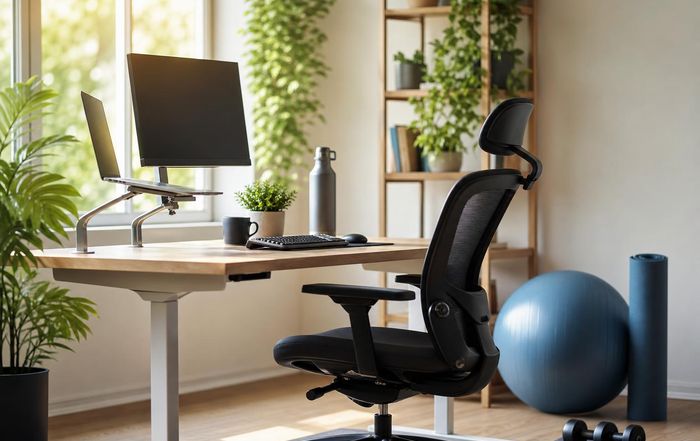
Healthy Work Habits for Better Physical Comfort
The New Reality of Work and the Cost of Discomfort
The modern workplace has become a fluid ecosystem of hybrid offices, home workstations, co-working hubs and mobile setups in cafés, airports and hotel lobbies across North America, Europe, Asia and beyond. While this flexibility has opened unprecedented opportunities for productivity and global collaboration, it has also intensified a quieter but costly crisis: chronic physical discomfort at work, ranging from mild neck stiffness to debilitating musculoskeletal disorders that erode performance, engagement and long-term health.
For the active fitness freaks on FitBuzzFeed, whose interests span sports, fitness, health, business and technology, the question is no longer whether physical comfort matters in the workplace, but how to design daily work habits that protect the body, support mental resilience and sustain high performance over decades rather than months. Organizations in the United States, United Kingdom, Germany, Canada, Australia and across Asia now recognize that physical comfort is not a luxury perk; it is a strategic asset that influences absenteeism, creativity, decision-making and even employer brand reputation. Leaders who understand this shift are increasingly turning to evidence-based ergonomics, movement-centric work cultures and digital health tools to build resilient, high-performing teams.
As remote and hybrid models continue to evolve, readers who care about fitness and wellness will find that the same principles that drive success in training, sport and nutrition now define success at work. The body does not distinguish between hours spent at a desk in London or a co-working space in Singapore; it only responds to load, posture, movement, recovery and stress. Exploring how to embed healthy work habits into daily routines has therefore become a central theme across FitBuzzFeed's coverage of health, business, jobs and lifestyle.
Why Physical Comfort at Work is a Strategic Business Issue
The economic and human cost of poor physical comfort at work is now well documented by organizations such as the World Health Organization and International Labour Organization, which have highlighted the rising burden of musculoskeletal disorders and work-related stress across regions including Europe, North America and Asia. These conditions, often rooted in prolonged sitting, suboptimal workstation setups and poorly managed workloads, contribute to lost workdays, early retirement, reduced innovation and increased healthcare costs. When leaders in New York, Berlin, Tokyo or São Paulo examine their productivity metrics, they increasingly see a direct line between physical discomfort and missed targets.
Research from institutions such as Harvard T.H. Chan School of Public Health and Mayo Clinic has reinforced that sedentary work, extended screen time and repetitive strain are associated not only with back and neck pain but also with cardiometabolic risk factors, sleep disruption and mental fatigue. For professionals who follow performance-oriented content on fitness and nutrition, this convergence of physical and cognitive health is especially relevant, as it underscores that high performance at work must be managed with the same rigor as a long-term training program.
From a business perspective, organizations such as McKinsey & Company and Deloitte have repeatedly emphasized that employee wellbeing, including physical comfort, is now a core component of talent strategy, shaping recruitment, retention and employer branding across competitive markets in the United States, United Kingdom, Singapore, South Korea and beyond. Leaders who want to learn more about sustainable business practices increasingly turn to resources that connect employee health with long-term value creation, including guidance from the World Economic Forum on human-centric work design and future-ready workplaces.
For readers of FitBuzzFeed, which bridges the worlds of performance, wellness and business, the implication is clear: cultivating healthy work habits is no longer a personal side project but a strategic investment that benefits individuals, teams and organizations across industries and geographies.
Ergonomics Reimagined: Designing Workspaces for Comfort and Performance
Traditional ergonomic advice once focused on a fixed office desk, a single monitor and a standard office chair, yet by 2026, professionals in cities from Toronto to Sydney and from Stockholm to Johannesburg often rotate between home, office and mobile environments in the same week. This shift requires a more dynamic approach to ergonomics that prioritizes adaptability, body awareness and simple, repeatable adjustments rather than rigid one-time setups.
Authoritative bodies such as the Occupational Safety and Health Administration in the United States and the European Agency for Safety and Health at Work have both underscored that ergonomics is about fitting the job to the worker, not forcing the worker to adapt to poorly designed environments. This principle is especially relevant for knowledge workers, developers, analysts and creative professionals who spend most of their day in front of screens, often in high-pressure roles in finance, technology, media or consulting. Understanding how to align chair height, screen position, keyboard placement and lighting to reduce strain on the neck, shoulders, wrists and eyes can significantly reduce discomfort and improve focus.
Readers who are already familiar with body mechanics through training or physical conditioning will recognize that good posture at work is not about holding a rigid, upright position all day but about allowing the spine to maintain its natural curves while the body alternates between supported sitting, active sitting and standing. The rise of sit-stand desks, dynamic chairs and laptop stands reflects a broader understanding, supported by institutions like Stanford Medicine, that variety of posture is more beneficial than any single "perfect" position.
For remote workers in countries such as Canada, France, Italy, Spain and the Netherlands, where home offices may double as living spaces, simple ergonomic upgrades-such as using an external keyboard and mouse with a laptop, or elevating the screen to eye level-can dramatically reduce neck and shoulder tension. Professionals seeking deeper technical guidance can explore resources from Cornell University's Human Factors and Ergonomics Research Group, which offers detailed recommendations on workstation design, display positioning and input device selection that apply to both corporate and home environments.
Movement as a Productivity Tool, Not a Distraction
One of the most persistent myths in corporate culture has been the belief that uninterrupted sitting equals productivity, yet evidence from organizations such as American College of Sports Medicine and NHS UK shows that regular, brief movement breaks can improve concentration, mood and energy while reducing musculoskeletal strain. For a global audience that already values sports and athletic performance, this alignment between movement and cognitive output is both intuitive and actionable.
Professionals in high-intensity roles across New York, London, Frankfurt, Singapore and Tokyo are increasingly adopting microbreak strategies, such as standing or walking for two to three minutes every 30 to 45 minutes, performing gentle mobility drills for the hips and thoracic spine, or incorporating short bouts of stair climbing between meetings. These practices are supported by research from University of Queensland and other institutions that show breaking up sitting time can improve metabolic markers and reduce perceived fatigue without compromising output.
Digital health tools have made these routines easier to implement. Wearables from companies like Garmin, Apple and Fitbit now offer movement reminders and real-time activity tracking, enabling professionals in remote or hybrid roles to monitor their daily step counts, standing time and heart rate variability. Those who wish to explore the science of movement and health can visit resources such as American Heart Association, which provides guidance on activity levels associated with reduced cardiovascular risk and improved wellbeing.
Readers of FitBuzzFeed who already structure their workouts around progressive overload, recovery and periodization can apply the same principles to their workday by treating movement breaks as non-negotiable micro-recovery intervals that sustain performance. Integrating short walks before critical meetings, stretching between deep work sessions and scheduling calls as "walk and talk" conversations where possible can transform movement from a guilty pleasure into a deliberate productivity strategy.
The Role of Strength, Mobility and Conditioning in Daily Work Comfort
Healthy work habits do not begin at the desk; they are built on a foundation of physical capacity developed through consistent training, mobility work and recovery. While ergonomics and movement breaks can reduce strain, individuals who lack adequate strength in the core, hips and upper back or who have restricted mobility in the shoulders and hamstrings are more likely to experience discomfort even with an optimal workstation.
For the performance-oriented audience of FitBuzzFeed, integrating structured strength and mobility programs into weekly routines is already a familiar concept, yet the specific link between these programs and work comfort deserves emphasis. Guidance from organizations such as American College of Sports Medicine and National Strength and Conditioning Association highlights that resistance training at least two days per week, combined with regular flexibility and mobility work, can reduce the incidence of back pain, improve posture and enhance resilience against repetitive strain. Readers can explore fitness and wellness resources on FitBuzzFeed for further insights on designing balanced programs that support both athletic and professional performance.
Professionals in high-demand sectors in regions like the United States, Germany, Sweden, Norway and Japan often report that targeted strengthening of the glutes, deep core muscles, scapular stabilizers and neck flexors dramatically reduces discomfort during long workdays. Mobility drills for the hips, thoracic spine and shoulders, inspired by practices from sports medicine and physical therapy, can counteract the flexed, forward-head posture common in screen-based work. Those seeking evidence-based exercise libraries can refer to resources from Physiopedia or educational content from Cleveland Clinic, which provide detailed overviews of exercises that support spinal health and joint function.
By viewing physical training not only as a path to improved aesthetics or athletic performance but as a key component of professional longevity, readers in cities from Los Angeles to London and from Singapore to Seoul can reframe their workouts as strategic assets that protect their careers. This perspective aligns closely with FitBuzzFeed's integrated approach to training, health and business, where physical capacity, cognitive performance and career growth are treated as interdependent rather than separate pursuits.
Nutrition, Hydration and Energy Management Across the Workday
Physical comfort at work is influenced not only by posture and movement but also by what professionals eat and drink throughout the day. Poor hydration, heavy lunches high in refined carbohydrates and ultra-processed snacks can contribute to energy crashes, headaches, digestive discomfort and reduced concentration, all of which amplify the sense of physical strain. In contrast, balanced nutrition and consistent hydration create a stable internal environment that supports sustained focus and resilience.
Authoritative guidance from organizations like Academy of Nutrition and Dietetics and Dietitians of Canada emphasizes the importance of regular meals that combine lean protein, healthy fats, complex carbohydrates and fiber, as well as sufficient fluid intake adjusted for climate and activity level. For readers across climates ranging from the heat of Thailand and Brazil to the cooler environments of Finland and Denmark, this means tailoring hydration strategies to local conditions while maintaining steady energy intake that avoids dramatic blood sugar fluctuations. Those who wish to delve deeper into evidence-based nutrition can explore resources from Harvard School of Public Health's Nutrition Source, which provides practical frameworks such as the Healthy Eating Plate and guidance on whole-food dietary patterns.
On FitBuzzFeed, the intersection of nutrition, lifestyle and wellness is a recurring theme, particularly for professionals who train before or after work. Understanding how to align pre-work, mid-day and post-work meals with training schedules can reduce soreness, improve sleep and stabilize mood, all of which contribute to better physical comfort at the desk. For example, prioritizing protein and moderate carbohydrates at breakfast, choosing lighter, balanced lunches that avoid excessive heaviness, and using nutrient-dense snacks such as nuts, yogurt or fruit can help maintain alertness throughout long days in offices from New York to Zurich and from Cape Town to Kuala Lumpur.
Caffeine, widely used in corporate environments worldwide, can be both a tool and a trap. Guidance from European Food Safety Authority and Health Canada suggests moderate intake limits, and professionals who rely heavily on coffee or energy drinks should be aware of potential impacts on sleep quality, hydration and anxiety. Strategic timing of caffeine earlier in the day, combined with an emphasis on water and herbal teas later, can support both physical comfort and recovery.
Sleep, Recovery and the Hidden Drivers of Daytime Comfort
Even the best ergonomic setup and movement routine cannot fully offset the impact of chronic sleep deprivation, irregular schedules and insufficient recovery. Professionals in demanding roles across financial centers like London, New York, Frankfurt and Hong Kong, as well as technology hubs in San Francisco, Berlin, Shenzhen and Bangalore, often underestimate how strongly sleep quality influences pain perception, muscle tension, inflammation and mood.
Organizations such as National Sleep Foundation and Sleep Foundation have documented that adults who consistently achieve seven to nine hours of high-quality sleep demonstrate better cognitive performance, emotional regulation and physical recovery compared to chronically sleep-restricted peers. Poor sleep has been linked to increased sensitivity to pain, slower tissue repair and higher levels of stress hormones, all of which can magnify the discomfort associated with long hours of sitting or repetitive tasks. Those interested in the science of sleep can explore resources from National Institutes of Health, which provide accessible overviews of circadian rhythms, sleep architecture and the impact of light exposure on sleep quality.
For the FitBuzzFeed audience, which often includes individuals balancing intense training schedules with demanding jobs, recovery strategies such as consistent sleep and wake times, pre-sleep routines that limit blue light exposure, and moderation of alcohol and late-night heavy meals can significantly improve both athletic and workday comfort. Aligning evening routines with principles of good sleep hygiene, as recommended by health authorities in countries such as the United States, United Kingdom, Australia and Japan, can transform the way the body feels during long meetings, travel days and high-stakes presentations.
Mental Load, Stress and Their Physical Manifestations
Physical comfort at work cannot be separated from psychological wellbeing. Chronic stress, high cognitive load and emotional strain often manifest as muscle tension, headaches, jaw clenching and shallow breathing, which in turn exacerbate neck, shoulder and back discomfort. Professionals in high-pressure sectors such as finance, law, consulting and technology, whether based in Toronto, Paris, Singapore or Johannesburg, frequently report that periods of intense stress correlate with spikes in physical pain, even when their workstation and movement habits remain unchanged.
Evidence from organizations like American Psychological Association and Mind in the United Kingdom highlights that stress management techniques, including mindfulness, controlled breathing, cognitive reframing and structured breaks, can reduce perceived pain and improve the body's ability to recover from daily strains. Those seeking accessible introductions to these techniques can explore resources from Headspace Health or UCLA Mindful Awareness Research Center, which offer guided practices grounded in clinical and neuroscientific research.
For readers of FitBuzzFeed, who often approach health and performance with a data-driven mindset, incorporating mental skills training into daily routines can be as impactful as physical training. Brief breathing exercises before challenging calls, short mindfulness sessions between deep work blocks and clear boundaries between work and personal time can all reduce muscle tension and improve posture without any change in equipment. This holistic approach aligns with FitBuzzFeed's broader perspective on wellness, where psychological, physical and social factors are treated as interlocking components of sustainable high performance.
Organizational Responsibility and the Future of Comfortable Work
While individual habits are critical, sustainable physical comfort at work also depends on organizational policies, leadership decisions and cultural norms. Companies across the United States, Europe, Asia and Africa that prioritize employee health are increasingly investing in ergonomic assessments, flexible work policies, wellness programs and leadership training that emphasizes human-centric management. Reports from organizations like World Economic Forum and Chartered Institute of Personnel and Development have shown that firms which integrate wellbeing into core strategy often experience improved engagement, lower turnover and stronger employer brands.
For businesses that follow FitBuzzFeed's business and news coverage, the emerging standard is clear: providing adjustable furniture, access to movement spaces, hybrid work options and education on healthy work habits is no longer a differentiator but a baseline expectation, especially among younger professionals in markets such as the Netherlands, Sweden, Denmark, South Korea and New Zealand. Organizations that fail to adapt risk not only increased health costs but also reputational damage in an era where employee experiences are widely shared on public platforms.
Forward-thinking leaders are partnering with occupational health experts, physiotherapists, sports scientists and digital health providers to design integrated programs that address ergonomics, movement, nutrition, sleep and mental health in a coordinated way. Examples include global wellness initiatives guided by frameworks from ISO 45003 on psychological health and safety at work, as well as regional best practices promoted by national health authorities in Canada, Singapore, Germany and South Africa. By aligning corporate strategy with these standards, organizations can create environments where physical comfort is embedded in everyday workflows rather than treated as an afterthought.
A Site Perspective of Integrating Work, Health and Performance
For the hyperactive crew that turns to FitBuzzFeed for insights on world trends, technology, sports and lifestyle, healthy work habits for better physical comfort are not an isolated topic but part of a larger narrative about how humans can thrive in a fast-changing, digital world. Whether a reader is a software engineer in Seattle, a consultant in London, a marketer in Berlin, a founder in Singapore or a remote professional working from Cape Town or Buenos Aires, the principles remain consistent: align the workspace with the body, integrate regular movement, build physical capacity, fuel intelligently, prioritize sleep and manage mental load with as much discipline as any training plan.
Yet now the organizations and individuals who excel are those who recognize that the body is the primary interface with work, and that neglecting its needs undermines every other investment in technology, strategy and talent. Healthy work habits are no longer a wellness trend; they are a foundation for sustainable performance across continents, industries and career stages. As FitBuzzFeed continues to explore the intersections of health, business, sport and technology, its visiting crew are uniquely positioned to lead this shift-turning everyday work into an environment where physical comfort, professional ambition and long-term wellbeing can coexist and reinforce one another.
For those ready to deepen this journey, the broader ecosystem of content on FitBuzzFeed, spanning fitness, health, nutrition, wellness and business, offers a practical roadmap for transforming not only how they train and live, but also how they work-today and over the decades to come.