

The Role of Sports in Uniting Communities Across Africa
Introduction: Sport as a Continental Language
Across Africa's 54 nations, from bustling megacities such as Lagos and Cairo to remote villages in the Sahel and the Cape, sport has become one of the most powerful shared languages, transcending borders, ethnicities, religions, and social classes in ways that few other institutions can match. As African societies navigate rapid urbanization, demographic growth, political transitions, and technological disruption, sport is increasingly recognized not merely as entertainment or physical activity but as a strategic tool for community cohesion, youth development, health promotion, and economic opportunity. For readers of FitBuzzFeed, who follow developments in sports, health, business, and lifestyle, understanding the unifying role of sport in Africa offers a compelling lens on how physical activity and athletic culture can reshape societies well beyond the playing field.
Historical Roots: From Colonial Games to Continental Pride
To understand why sport is such a powerful binding force across Africa, it is necessary to trace its historical evolution from the colonial period to the present. In the late nineteenth and early twentieth centuries, colonial administrations and missionary schools introduced formalized sports such as football, rugby, cricket, and athletics as part of their educational and social programs. Over time, African communities appropriated these games, embedding them within local cultures and adapting them to indigenous forms of physical expression that had existed for centuries, including traditional wrestling in Senegal, stick fighting in South Africa, and long-distance running in East Africa.
As independence movements gathered strength in the mid-twentieth century, sport became both a symbolic and practical arena for asserting national identity and dignity. The success of athletes from newly independent states on global stages such as the Olympic Games, overseen by the International Olympic Committee and documented by organizations like Olympics.com, gave tangible expression to the idea that African nations could compete and excel on equal footing with former colonial powers. Football, governed by the Confédération Africaine de Football (CAF), developed into a mass cultural phenomenon, and the Africa Cup of Nations, whose history and statistics are widely covered by outlets such as BBC Sport, became a regular celebration of continental pride, unity, and rivalry.
The narrative of sport as a vehicle for liberation and recognition has left a lasting imprint on how communities across Africa view athletic achievement. It is not merely about individual fame or entertainment; it is also about collective representation, shared history, and the assertion of African agency in global culture. This historical backdrop continues to shape how contemporary sports initiatives are framed and understood, especially when they aim to bridge divides and foster cohesion.
Football as a Continental Glue
No sport embodies Africa's unifying potential more clearly than football. From informal street games played with improvised balls to fully professional leagues broadcast internationally, football cuts across age, language, religion, and income. The success of national teams such as Senegal, Morocco, Nigeria, Cameroon, and South Africa in global tournaments has generated intense shared emotions, moments of solidarity, and narratives of hope that resonate from urban neighborhoods to rural communities.
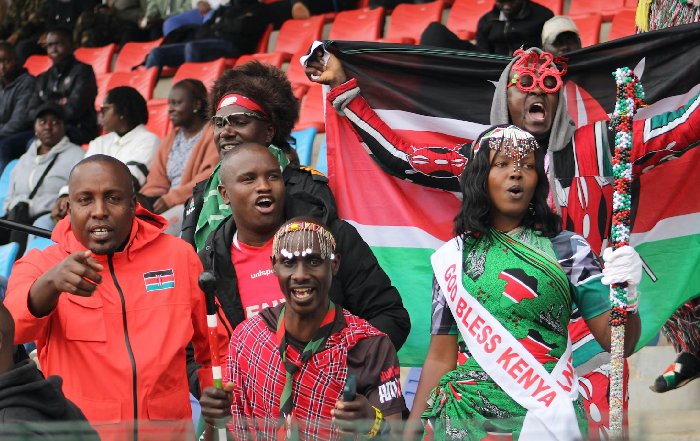
Major tournaments like the FIFA World Cup, organized by FIFA and chronicled on platforms such as FIFA.com, have repeatedly shown how football can temporarily suspend political and social tensions. When African teams advance in the competition, celebrations spill into the streets not only in their home countries but also across the continent, with fans adopting a pan-African identity that transcends national borders. In cities such as Accra, Nairobi, Johannesburg, and Cairo, viewing centers, fan parks, and community screenings bring together diverse groups who might otherwise have little interaction, creating shared experiences that reinforce a sense of belonging.
At the grassroots level, community football tournaments, school leagues, and youth academies play an important role in building social bridges. Local initiatives documented by organizations such as UNICEF, whose work on child development and sport is outlined at UNICEF.org, demonstrate that structured football programs can reduce youth involvement in crime, foster inter-ethnic understanding, and create safe spaces for girls and young women in societies where gender norms may limit their public participation. For the FitBuzzFeed audience that follows training and physical performance trends, these community programs also highlight how simple, low-cost football activities can generate profound psychological and social benefits alongside physical fitness.
Beyond Football: Diverse Sporting Cultures and Local Identity
While football dominates headlines, Africa's sporting landscape is far more diverse, and this diversity is itself a source of unity, as communities rally around disciplines that reflect their unique histories and geographies. In East Africa, distance running has become a defining feature of national identity, with athletes from Kenya, Ethiopia, and Uganda consistently leading global rankings in marathons and long-distance track events. The training hubs in Iten, Eldoret, and Addis Ababa, often profiled by outlets such as World Athletics, have transformed rural highland communities into international centers of excellence, drawing aspiring runners and sports scientists from across the world and creating shared economic opportunities.
In North Africa, basketball has grown rapidly, supported by partnerships between the National Basketball Association (NBA) and African federations, culminating in the launch of the Basketball Africa League (BAL). This league, whose development is covered on NBA.com, brings together clubs from multiple countries, hosting games that attract cross-border audiences both in arenas and via digital platforms. The BAL not only showcases elite talent but also invests in youth clinics, coaching education, and infrastructure, thereby embedding basketball deeper into community life and offering new pathways for social mobility.
Traditional sports also remain vital. Senegalese wrestling, or "laamb," has evolved into a major professional spectacle, yet it retains strong community roots, connecting villages and urban neighborhoods through shared rituals, music, and local heroes. In countries like South Africa and Namibia, rugby continues to serve as a complex but powerful symbol of transformation; the success of the Springboks, extensively analyzed on World Rugby, has contributed to conversations about reconciliation and shared citizenship in a society marked by a history of apartheid. These diverse sporting cultures demonstrate that unity in Africa is not about uniformity but about recognizing and celebrating different traditions while building common narratives of achievement and resilience.
Health, Wellness, and Community Resilience
The unifying power of sport in Africa is closely linked to its role in improving health and wellness, particularly as the continent confronts a dual burden of infectious diseases and rising non-communicable conditions such as diabetes, cardiovascular disease, and obesity. Public health agencies, including the World Health Organization (WHO), emphasize on WHO.int that regular physical activity is a cornerstone of disease prevention, mental health, and healthy aging. In many African communities where access to formal healthcare and recreational facilities is limited, community sports programs offer a practical and culturally acceptable way to promote active lifestyles.
For FitBuzzFeed readers who follow wellness and nutrition trends, the intersection of sport and health in Africa offers instructive examples of holistic, community-based approaches. Football, running clubs, cycling groups, and fitness collectives often integrate health education, nutritional guidance, and mental health support into their activities. Partnerships between local NGOs, health ministries, and international organizations such as the Global Alliance for Chronic Diseases, which provides resources via GACD.org, support evidence-based interventions where sport becomes a gateway to screening, counseling, and health literacy.
These initiatives are especially important for youth, who make up a significant share of Africa's population. Structured sports programs help young people establish lifelong habits of movement and self-care, reducing the risk of future illness while also strengthening social networks that can provide emotional support during periods of unemployment, migration, or social stress. In low-income urban areas, where sedentary lifestyles and processed foods are increasingly common, community sports clubs are emerging as hubs where residents can learn more about healthy eating, injury prevention, and stress management, reinforcing the broader wellness ecosystem that FitBuzzFeed covers in its health and fitness sections.
Economic Opportunity, Jobs, and the Sports Business Ecosystem
Sport's unifying effect is also economic. The growth of professional leagues, sponsorships, broadcasting rights, and sports tourism has created a complex ecosystem of jobs and business opportunities that extend far beyond athletes and coaches. From event management and sports marketing to facility construction, sports medicine, data analytics, and digital content production, the African sports industry is becoming a recognized contributor to GDP and employment. Reports from organizations such as the African Development Bank, which analyzes sectoral growth on AfDB.org, highlight sport and creative industries as emerging engines of inclusive growth.
For entrepreneurs, investors, and job seekers who follow FitBuzzFeed's business and jobs coverage, the sports sector offers a case study in how passion-driven industries can catalyze innovation. Startups are building platforms for ticketing, fan engagement, and athlete management; local brands are sponsoring community tournaments to reach new customer segments; and international broadcasters are partnering with African media houses to expand coverage of domestic leagues. These developments create shared interests among clubs, communities, governments, and private companies, reinforcing collaboration and encouraging long-term investment in infrastructure and human capital.
Moreover, sport-based social enterprises are gaining prominence, blending financial sustainability with social impact. Initiatives supported by organizations such as Sport for Development and Peace and profiled by institutions like the United Nations, whose work can be explored at UN.org, demonstrate that well-designed sports programs can generate revenue while delivering measurable outcomes in education, gender equality, and conflict resolution. This blend of purpose and profit resonates with younger generations across Africa, who seek careers that align with both their values and their economic aspirations, and it provides a template for how communities can organize around shared sporting projects that benefit all stakeholders.
Sport, Peacebuilding, and Social Cohesion
In regions affected by conflict, political polarization, or social fragmentation, sport has emerged as a practical tool for peacebuilding and reconciliation. International frameworks promoted by the United Nations Educational, Scientific and Cultural Organization (UNESCO), described on UNESCO.org, encourage governments and civil society organizations to integrate sport into broader strategies for social cohesion. In post-conflict settings such as parts of West and Central Africa, football tournaments and youth leagues have been used to bring together communities that were previously on opposing sides of violence, creating neutral spaces where dialogue and trust can gradually be rebuilt.
These initiatives often operate at a micro level, focusing on neighborhood clubs, school teams, and informal groups rather than elite competitions. Coaches and community leaders receive training in conflict sensitivity, trauma awareness, and inclusive leadership, enabling them to use sport as a medium for teaching respect, non-violence, and cooperation. The rules of the game, the shared goals of the team, and the emotional intensity of competition provide a framework in which former adversaries can interact in structured, positive ways. Research institutions such as the Peace Research Institute Oslo (PRIO), whose publications are available at PRIO.org, have documented how these small-scale interactions can contribute to broader patterns of reconciliation when supported by consistent programming and local ownership.
For a platform like FitBuzzFeed, which reports on world and news as well as sport, these peacebuilding stories underscore the profound societal stakes of athletic initiatives. Sport in Africa is not only about medals and trophies; it is also about healing, rebuilding trust, and offering young people alternatives to violence and extremism. When communities gather around a field, a court, or a running track, they are not simply spectators; they are participants in a shared project of social reconstruction.
Gender, Inclusion, and the Changing Face of African Sport
One of the most significant developments in African sport over the past decade has been the rise of women's participation and leadership, which has reshaped community dynamics and expanded the unifying potential of athletic culture. Women's football, basketball, athletics, and rugby have gained visibility and institutional support, with continental competitions and global events such as the FIFA Women's World Cup and the World Athletics Championships providing platforms for African female athletes to inspire new generations. Organizations like UN Women, whose work on gender equality can be explored at UNWomen.org, advocate for sport as a space where girls can develop confidence, leadership skills, and bodily autonomy.
In many communities, women's sports teams bring together participants from different social backgrounds, challenging traditional gender roles and opening conversations about education, health, and economic independence. These teams often become focal points for broader community activities, including health campaigns, entrepreneurship training, and mentoring programs. By involving parents, local authorities, and religious leaders in supporting women's sport, communities create new networks of trust and mutual respect that extend beyond the playing field.
Inclusion also extends to people with disabilities, whose participation in sport has been championed by bodies such as the International Paralympic Committee, with resources available at Paralympic.org. Adaptive sports programs in countries across Africa are demonstrating that individuals with physical or intellectual disabilities can not only compete but also lead teams, coach, and organize events, thereby challenging stigma and strengthening social cohesion. For FitBuzzFeed readers interested in inclusive lifestyle and wellness practices, these stories highlight how sport can model the equitable societies that many aspire to build.
Technology, Media, and the Digital Community of Fans
The rapid expansion of mobile internet, social media, and streaming platforms has transformed the way African communities experience sport, creating digital spaces that complement and amplify physical gatherings. Fans in Lagos, Nairobi, Johannesburg, and Cairo now follow local leagues, European clubs, and global competitions in real time, engaging in conversations that cut across national and continental boundaries. Technology companies, broadcasters, and startups are leveraging this connectivity to deliver live coverage, analysis, and interactive features, making sports content more accessible than ever.
For a digitally savvy audience such as FitBuzzFeed's, who engage with technology and brands, this media ecosystem is reshaping fan identities and community structures. Supporters' groups for clubs like Liverpool, Barcelona, Bayern Munich, and Paris Saint-Germain have chapters in multiple African cities, organizing local viewing parties and charity events that blend global fandom with local solidarity. African clubs and federations are also building their online presence, using platforms like CAFOnline.com to reach diasporic communities in Europe, North America, and Asia, thereby extending the unifying power of sport beyond the continent's physical borders.
Digital tools further enable data-driven training, injury prevention, and performance analysis, which are increasingly adopted by academies and semi-professional clubs. Wearable devices, video analytics, and online coaching resources, some of which are curated by organizations like FIFA and World Athletics, help level the playing field for athletes who may lack access to traditional high-performance centers. As these technologies become more affordable and widespread, they are likely to deepen the integration between sport, education, and career development, reinforcing the sense that participation in sport connects individuals to a broader, tech-enabled community of practice.
Events, Tourism, and City Branding
Major sports events hosted in African cities have become powerful catalysts for urban regeneration, tourism, and international visibility, aligning closely with the interests of readers who follow events and world trends. Tournaments such as the Africa Cup of Nations, the African Games, and international marathons in cities like Cape Town, Nairobi, and Marrakech draw visitors from across the continent and beyond, generating revenue for hotels, restaurants, transport providers, and local artisans. City authorities and national tourism boards increasingly see sport as a strategic pillar of destination branding, using high-profile events to showcase cultural heritage, hospitality, and investment opportunities.
Organizations such as the World Tourism Organization (UNWTO), which offers guidance on sustainable event tourism at UNWTO.org, encourage host cities to integrate sports events into long-term development plans rather than treating them as one-off spectacles. This approach emphasizes community engagement, environmental sustainability, and post-event utilization of facilities, ensuring that local residents benefit from improved infrastructure, recreational spaces, and job opportunities. When done well, these events foster a sense of shared ownership and pride, as communities participate as volunteers, small business owners, performers, and fans.
For FitBuzzFeed, whose coverage spans sports, lifestyle, and business, these developments illustrate how sport can anchor broader narratives about African cities as vibrant, connected, and forward-looking hubs. The memories created during these events-whether a last-minute goal, a marathon finish, or a community festival-become part of the collective identity of residents and visitors alike, reinforcing the idea that sport is a shared asset with enduring social value.
What's Coming - Strategic Investment in Sport as Social Infrastructure
As Africa moves deeper into the 2020s, with a young and rapidly growing population, the role of sport in uniting communities is likely to become even more significant. Policymakers, business leaders, and civil society organizations increasingly recognize that sport is not a luxury but a form of social infrastructure that supports health, education, employment, and social cohesion. Strategic investment in community facilities, coaching education, inclusive programming, and digital innovation will be essential to unlock the full potential of sport as a unifying force.
For the global FitBuzzFeed community, which spans interests from fitness and health to business and world affairs, Africa's sports story offers lessons that are relevant far beyond the continent. It demonstrates how athletic culture, when grounded in community needs and supported by thoughtful policy, can bridge divides, create opportunities, and inspire collective action. International organizations such as the World Bank, which discusses human capital and youth development at WorldBank.org, increasingly integrate sport into their frameworks for inclusive growth, reinforcing its legitimacy as a development tool.
Ultimately, the unifying power of sport in Africa lies in its capacity to bring people together in pursuit of shared goals, whether that is winning a match, improving health, building a business, or healing from conflict. On dusty village pitches, in modern stadiums, on city streets transformed into race routes, and across digital platforms that connect fans worldwide, sport continues to weave a complex, hopeful tapestry of community life. As FitBuzzFeed continues to explore the intersections of movement, health, and society, the African experience stands as a vivid example of how sport, when embraced as a common language, can help shape a more cohesive, resilient, and inclusive future.