
How Business Leaders Are Rethinking Growth in a Changing Economy

Last updated by Editorial team at fitbuzzfeed.com on Wednesday 17 December 2025
Article Image for How Business Leaders Are Rethinking Growth in a Changing Economy

How Business Leaders Are Rethinking Growth in a Changing Economy

A New Era of Growth for a Disrupted World

By 2025, the definition of business growth has shifted decisively away from a narrow focus on quarterly earnings toward a more complex, multidimensional vision that integrates financial performance with resilience, sustainability, human capital, and technological innovation. Executives across the United States, Europe, Asia, Africa, and the Americas are confronting an environment shaped by persistent inflationary pressures, geopolitical fragmentation, rapid advances in artificial intelligence, and heightened stakeholder expectations, and they are discovering that the traditional playbook of scale-at-all-costs is no longer sufficient to secure long-term competitiveness. For the global audience of FitBuzzFeed.com, whose interests range from business and technology to wellness, lifestyle, and performance, this transition is not simply a financial story; it is a fundamental change in how organizations think about value, people, and purpose in a volatile world.

The new growth mindset is emerging at the intersection of macroeconomic uncertainty and structural transformation. Institutions such as the International Monetary Fund highlight how global growth remains uneven and exposed to shocks, while organizations like the World Economic Forum emphasize that resilience, sustainability, and inclusion are now strategic imperatives rather than peripheral concerns. In this context, business leaders from New York to London, Berlin, Singapore, and Sydney are rebalancing their priorities, seeking to build companies that can grow steadily while withstanding disruption, attracting scarce talent, and maintaining the trust of regulators, customers, and communities. As readers explore broader economic and geopolitical dynamics on the FitBuzzFeed world section, it becomes clear that this rethinking of growth is deeply connected to shifting forces in trade, energy, demographics, and technology.

From Linear Expansion to Resilient, Sustainable Growth

For much of the past few decades, growth strategies in many industries were rooted in assumptions of relatively stable globalization, cheap capital, and predictable supply chains. The experience of the early 2020s, with pandemic-era shocks, energy price volatility, and logistical disruptions, forced companies to confront the fragility of these assumptions. Leading advisory firms such as McKinsey & Company have documented how supply chain resilience, risk diversification, and regionalization are now central themes in corporate strategy, and executives increasingly recognize that resilience is not a drag on performance but a precondition for sustainable growth. Learn more about how resilient operations support long-term competitiveness on Harvard Business Review.

This shift is visible in how organizations approach everything from inventory management to supplier relationships and geographic footprint. Manufacturers in Germany, automotive firms in Japan, and technology companies in the United States are investing in dual sourcing, nearshoring, and digital supply chain visibility tools so that they can respond more quickly to disruptions, while service-sector leaders in finance, healthcare, and professional services are building more robust business continuity and cybersecurity capabilities. For business readers who follow broader industry developments on the FitBuzzFeed business page, the message is consistent across sectors: growth that ignores operational resilience is increasingly seen as fragile and short-sighted.

At the same time, sustainability has moved from the realm of corporate social responsibility to the core of competitive strategy. As regulators in the European Union, the United States, and across Asia-Pacific introduce stricter climate disclosure and emissions rules, and as large institutional investors integrate environmental, social, and governance considerations into capital allocation, leaders are rethinking growth in terms of decarbonization, circularity, and resource efficiency. Reports from organizations such as the International Energy Agency show that clean energy investment is accelerating globally, creating new markets and reshaping value chains. Executives who once viewed sustainability as a cost center now see it as a driver of innovation, brand differentiation, and risk mitigation, especially in industries such as consumer goods, transportation, and real estate. Those seeking to understand how climate policy intersects with business strategy can explore deeper analysis on The World Bank and OECD.

The Human Factor: Talent, Wellbeing, and Performance

The rethinking of growth is just as profound in the realm of human capital. After years of tight labor markets, demographic aging in countries such as Japan, Germany, and Italy, and rising employee expectations in North America, Europe, and Asia, leaders have recognized that sustainable growth depends on the ability to attract, retain, and continually develop skilled people. The pandemic experience, together with the global conversation on mental health and wellbeing, reshaped how organizations view work, productivity, and performance. For the FitBuzzFeed community, which already understands the link between physical health, mental resilience, and achievement through resources such as the fitness section and wellness hub, this evolution in corporate thinking is especially resonant.

Forward-looking companies in the United States, United Kingdom, Canada, and beyond are integrating wellbeing into their growth strategies by redesigning work environments, expanding access to mental health resources, and promoting healthier lifestyles. Research from institutions such as the World Health Organization and Mayo Clinic underscores that employee wellbeing is closely tied to productivity, engagement, and retention, and executives have begun to quantify the return on investment from initiatives that support physical activity, nutrition, sleep, and stress management. Learn more about the health impacts of workplace stress on the WHO website. This is not merely a matter of offering gym memberships or mindfulness apps; it involves rethinking workload expectations, leadership behavior, flexibility, and psychological safety.

At the same time, the rapid pace of technological change, particularly in artificial intelligence and automation, is forcing leaders to reimagine how skills are developed and careers are managed. Organizations in sectors as diverse as finance, manufacturing, healthcare, and media are investing heavily in reskilling and upskilling programs, often in partnership with universities, technical institutes, and online learning platforms. Reports from LinkedIn and World Economic Forum on the future of jobs highlight that roles focused on data, AI, cybersecurity, and sustainability are growing quickly, while routine tasks are increasingly automated. Business leaders who want to remain competitive are therefore treating learning as a continuous, strategic priority rather than a periodic training exercise. Readers interested in how training and physical performance intersect with professional growth can explore the FitBuzzFeed training section and consider how similar principles of consistent practice, feedback, and adaptation apply to organizational learning.

Technology, AI, and the Reinvention of Business Models

No discussion of growth in 2025 can ignore the transformative role of digital technologies, especially generative AI, cloud computing, and data analytics. Over the past few years, companies such as Microsoft, Google, Amazon, and NVIDIA have accelerated the deployment of AI infrastructure and tools, enabling organizations of all sizes to automate complex tasks, personalize customer experiences, and unlock new forms of insight. Analysts at Gartner and Forrester note that AI is shifting from experimental pilots to scaled deployments, affecting everything from customer service and marketing to supply chain optimization and product design. Business readers seeking a deeper technical understanding can explore AI trends on MIT Technology Review.

The most forward-thinking leaders are not treating AI merely as a cost-cutting tool but as a catalyst for reimagining business models and value propositions. Retailers in the United Kingdom and Europe, for example, are using AI-driven demand forecasting and dynamic pricing to improve margins while reducing waste, while banks in Singapore and South Korea deploy AI-based risk models to expand access to credit while managing compliance. Healthcare providers in the United States, Canada, and Australia are experimenting with AI-assisted diagnostics and personalized treatment pathways. These initiatives require substantial investment in data governance, cybersecurity, and ethics, as regulators and the public increasingly scrutinize how algorithms are trained and deployed. Those interested in the regulatory and ethical dimensions of AI can learn more from resources provided by the European Commission and organizations like The Alan Turing Institute in the United Kingdom.

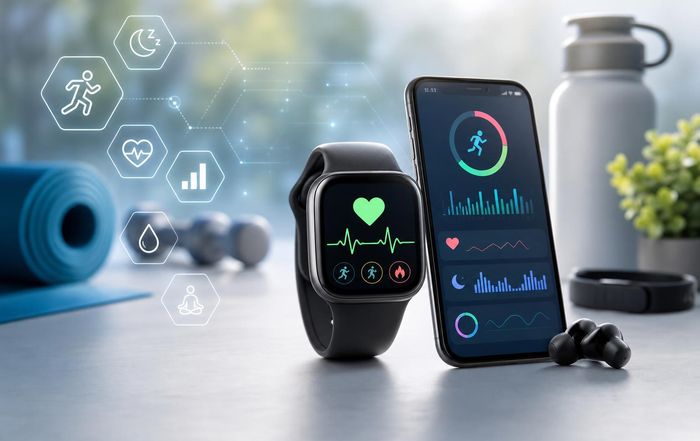
For FitBuzzFeed readers who follow developments at the intersection of technology, lifestyle, and performance via the technology section, this technological shift illustrates how digital tools are becoming embedded in everyday life and work. Wearables, digital health platforms, and AI-driven coaching systems are transforming how individuals track their fitness, nutrition, and recovery, while businesses in sports, wellness, and consumer brands leverage these technologies to create more personalized and engaging experiences. Growth, in this sense, is as much about deepening relationships and creating value for customers as it is about expanding scale.

Customer-Centric Growth in a Fragmented Marketplace

The global consumer of 2025 is more informed, more demanding, and more diverse than ever, with preferences shaped by culture, income, digital exposure, and generational values. In North America and Europe, younger consumers often prioritize sustainability, authenticity, and social impact, while in fast-growing markets across Asia, Africa, and Latin America, rising middle classes are driving demand for higher-quality goods, digital services, and experiences. Organizations such as PwC and Deloitte have documented how trust, personalization, and transparency are now critical drivers of customer loyalty, particularly in sectors such as retail, financial services, travel, and wellness. Learn more about evolving consumer expectations on Deloitte Insights.

Business leaders rethinking growth are therefore adopting more customer-centric strategies, using data and analytics to understand behavior across channels, tailoring products and services to local markets, and building brands that resonate with distinct communities. For example, sports and fitness brands in the United States, Germany, and Japan are developing region-specific product lines and digital content to reflect local training cultures and body types, while global technology companies are adapting payment options and user interfaces for markets in India, Brazil, and Nigeria. The rise of direct-to-consumer models, subscription services, and community-based platforms has encouraged companies to think of growth in terms of lifetime value and engagement rather than one-off transactions. Readers who follow brand and lifestyle trends on the FitBuzzFeed brands section and lifestyle page will recognize how this shift toward deeper customer relationships is reshaping marketing, product development, and service delivery.

In this fragmented marketplace, trust becomes a precious asset. Data privacy, responsible marketing, and transparent communication are essential components of a modern growth strategy, particularly as regulators in the European Union, California, and other jurisdictions strengthen data protection rules. Organizations that mishandle customer data or fail to live up to their stated values risk reputational damage that can quickly erode growth prospects. By contrast, companies that demonstrate reliability, fairness, and responsiveness are better positioned to build enduring communities of customers, fans, and advocates, much like high-performing sports teams or fitness communities that earn the loyalty of their members over time.

Integrating Health, Wellness, and Performance into Corporate Strategy

One of the most notable developments in how leaders think about growth is the integration of health and wellness into corporate strategy, both as an internal performance driver and as an external market opportunity. As global awareness of chronic disease, mental health challenges, and lifestyle-related risks increases, and as organizations such as the Centers for Disease Control and Prevention and Public Health England highlight the economic costs of poor health, executives are recognizing that the wellbeing of employees, customers, and communities has direct implications for productivity, innovation, and brand strength. Learn more about the economic burden of chronic disease on the CDC website.

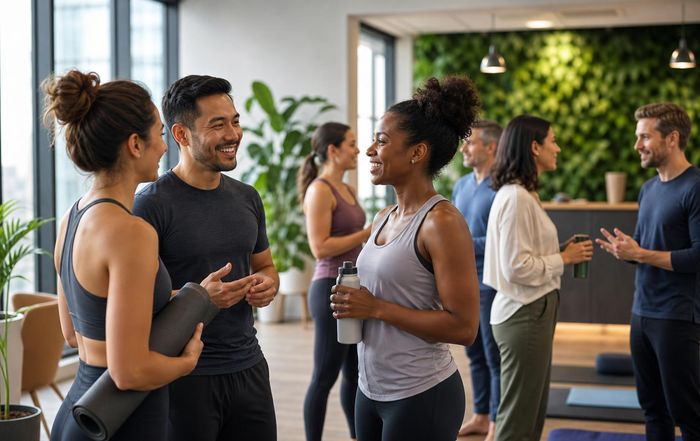
Internally, companies are moving beyond basic health benefits to create environments that encourage physical activity, healthy nutrition, and psychological resilience. They are redesigning offices to support movement and collaboration, offering flexible work arrangements that allow for better work-life integration, and partnering with wellness providers to deliver coaching, screening, and preventive care. These efforts align closely with the themes covered on the FitBuzzFeed health section and nutrition page, where readers can explore how evidence-based approaches to diet, exercise, and recovery contribute to sustained performance. Externally, a growing number of businesses are entering or expanding within the health, fitness, and wellness markets, from sports apparel companies in the United States and Europe to digital health startups in Singapore, South Korea, and Israel. They are developing products and services that support everything from high-performance training and physical therapy to mindfulness, sleep optimization, and workplace ergonomics.

This convergence of business and wellbeing underscores a broader trend: growth is increasingly evaluated not only by financial metrics but also by its impact on human flourishing. Investors, regulators, and consumers are asking whether companies contribute positively to public health, social cohesion, and environmental quality, and leaders who can credibly demonstrate such contributions are more likely to attract capital, talent, and loyalty. For a platform like FitBuzzFeed.com, which bridges the worlds of sports, fitness, lifestyle, and business, this integrated perspective is particularly relevant, as it reflects how individuals and organizations alike are striving for sustainable performance in every dimension.

Globalization Rewired: Regional Strategies and Local Realities

While globalization remains a defining feature of the world economy, its character has changed significantly since the early 2000s. Trade tensions, geopolitical rivalries, and regulatory divergence have encouraged many companies to rethink global expansion strategies, emphasizing regional resilience, local partnerships, and diversified supply chains. Analysts at Brookings Institution and Chatham House note that the emerging pattern is one of "globalization rewired," where cross-border flows of goods, data, and capital continue but are increasingly shaped by security considerations, industrial policies, and regional trade agreements. Readers seeking a deeper understanding of these dynamics can explore global policy analyses on Brookings.

Executives planning growth in 2025 must therefore navigate a more complex map of risks and opportunities. In North America and Europe, industrial policies aimed at strengthening domestic manufacturing, clean energy, and semiconductor production create incentives for local investment but also introduce new compliance requirements. In Asia, regional agreements such as the Regional Comprehensive Economic Partnership influence supply chain decisions and market entry strategies, while in Africa and South America, infrastructure development, digital connectivity, and demographic trends shape long-term growth potential. For businesses that operate across multiple continents, this environment demands a nuanced, country-by-country and region-by-region approach, balancing efficiency with resilience and local relevance.

For FitBuzzFeed readers who track global developments through the world section and current updates on the news page, this reconfiguration of globalization has direct implications for jobs, industries, and communities. It affects where factories are built, where research centers are located, how supply chains are structured, and which regions become hubs for emerging technologies or sports and entertainment events. Growth strategies that succeed in this environment are those that combine global vision with local insight, building partnerships with local stakeholders, understanding cultural nuances, and aligning with national development priorities.

Leadership, Governance, and the Trust Imperative

Underlying all these shifts is a deeper transformation in how leadership and governance are practiced. In an era of heightened scrutiny from regulators, media, employees, and the public, business leaders are increasingly aware that their decisions on issues such as climate, labor practices, data privacy, and political engagement can quickly affect their license to operate. Research from institutions like Stanford Graduate School of Business and INSEAD emphasizes that effective modern leadership requires a combination of strategic acumen, ethical judgment, empathy, and communication skills. Executives are expected not only to deliver financial performance but also to articulate a credible purpose, engage with diverse stakeholders, and foster cultures of integrity and inclusion. Learn more about evolving leadership expectations on Stanford GSB Insights.

Boards of directors, too, are adapting their oversight roles, strengthening expertise in areas such as cybersecurity, sustainability, and human capital, and revising incentive structures to align executive compensation with long-term value creation rather than short-term share price movements. Regulators in jurisdictions such as the United States, United Kingdom, and European Union are enhancing disclosure requirements and enforcement mechanisms, particularly around climate risk, data protection, and corporate governance. In this environment, trust becomes both a strategic asset and a fragile resource. Organizations that are transparent about their challenges, consistent in their actions, and responsive to feedback are more likely to maintain credibility, whereas those that rely on superficial messaging without substantive change risk rapid reputational damage.

For the FitBuzzFeed audience, which includes professionals, entrepreneurs, and leaders across industries, this evolving leadership paradigm has practical implications for careers and organizational culture. It influences how companies design jobs, evaluate performance, and promote talent, as well as how they engage with communities, sponsor events, and support causes related to sports, health, and wellness. Readers interested in how these trends affect employment and career development can explore the FitBuzzFeed jobs section, where the link between personal development, organizational values, and market opportunities becomes increasingly apparent.

The Road Ahead: Redefining Success for the Next Decade

As 2025 unfolds, it is evident that business leaders are not merely adjusting tactics but fundamentally rethinking what it means to grow and succeed. The old model, focused narrowly on scale, cost efficiency, and short-term shareholder returns, is giving way to a more integrated vision that balances financial performance with resilience, sustainability, human wellbeing, and technological innovation. This does not mean that profitability and competitiveness are any less important; rather, it reflects the recognition that enduring success in a complex, interconnected world requires a broader, more holistic approach.

For organizations operating in sectors ranging from sports and fitness to technology, finance, manufacturing, and consumer goods, this new growth paradigm calls for disciplined experimentation, continuous learning, and a willingness to challenge established assumptions. It invites leaders to think of their companies as ecosystems that support the performance and wellbeing of employees, customers, partners, and communities, much as athletes and high-performing teams understand that long-term success depends on training, recovery, nutrition, mindset, and strategy working together. Readers who wish to explore how these ideas intersect with everyday life and performance can navigate the broader content of FitBuzzFeed.com, from physical training insights on the physical performance page to coverage of major sports and wellness events on the events section and analysis of business and technology trends.

Ultimately, the rethinking of growth in a changing economy is not a temporary response to recent crises but a structural evolution in how organizations conceive of their role in society. As climate risks intensify, technological disruption accelerates, and demographic shifts reshape labor markets, the companies that thrive will be those that combine financial discipline with a deep commitment to human and environmental wellbeing, ethical leadership, and responsible innovation. For the global community that engages with FitBuzzFeed, this transformation offers both challenges and opportunities, inviting individuals and organizations alike to align their ambitions with a more sustainable, resilient, and inclusive vision of progress.

Inside the Fitness Habits Powering Healthier Cities Worldwide

Last updated by Editorial team at fitbuzzfeed.com on Wednesday 17 December 2025
Article Image for Inside the Fitness Habits Powering Healthier Cities Worldwide

Inside the Fitness Habits Powering Healthier Cities Worldwide

How Urban Fitness Became a Global Economic and Cultural Force

In 2025, the story of cities is increasingly the story of movement. Around the world, from New York and London to Singapore and Stockholm, urban leaders, employers, and citizens are discovering that fitness habits are no longer a niche lifestyle choice but a powerful driver of public health, economic productivity, social cohesion, and even urban competitiveness. For readers of FitBuzzFeed, who follow the intersection of sports, fitness, health, lifestyle, and business, the evolution of fitness-centric cities reveals how daily routines, policy choices, and technology platforms are converging into a new model of urban living where physical activity is treated as critical infrastructure rather than a private hobby.

This shift is not happening in isolation. Global data from organizations such as the World Health Organization shows that insufficient physical activity remains a major risk factor for noncommunicable diseases, yet it also demonstrates that structured interventions, better city design, and accessible fitness culture can dramatically reduce those risks. As more city governments and corporate leaders recognize the link between movement, mental resilience, and economic performance, fitness is becoming a strategic priority rather than a discretionary perk. Readers who track the latest developments in global health and wellness can see that the most successful cities are those that integrate fitness habits into transport systems, workplaces, digital ecosystems, and community life.

The Economic Case for Fitter Cities

The economic rationale for promoting fitness in cities has strengthened significantly over the past decade. Research from the World Bank and the Organisation for Economic Co-operation and Development (OECD) has consistently highlighted the macroeconomic burden of sedentary lifestyles, including rising healthcare costs, lost productivity, and lower workforce participation. At the same time, case studies from cities such as Copenhagen, Amsterdam, and Vancouver demonstrate that investments in active transport, public sports facilities, and wellness programs can yield measurable returns in reduced medical spending and improved labor output. Business leaders who follow urban and corporate trends increasingly view fitness as both a risk-mitigation tool and a source of competitive advantage.

Major employers in the United States, United Kingdom, Germany, Canada, and Australia have already embraced this logic. Global consultancies such as McKinsey & Company and Deloitte have documented how comprehensive wellness strategies, including subsidized gym memberships, in-office training sessions, and digital fitness platforms, correlate with lower absenteeism and higher employee engagement. In parallel, health insurers in markets like the Netherlands and South Africa have begun to integrate fitness tracking and activity-based incentives into their products, aligning financial rewards with healthier behavior. These developments mirror a broader shift toward value-based healthcare models, as discussed by organizations such as the U.S. Centers for Medicare & Medicaid Services, which encourage prevention and lifestyle intervention in place of purely reactive treatment.

For cities competing to attract high-value industries and skilled professionals, fitness-friendly environments are now part of the location decision. Surveys by Mercer and The Economist Intelligence Unit on city livability and talent attraction increasingly factor in access to green spaces, active transport networks, and recreational sport. Urban regions that can demonstrate strong health and wellness ecosystems, supported by robust sports infrastructure and a vibrant fitness culture, are better positioned to attract technology firms, creative industries, and globally mobile professionals who prioritize quality of life alongside salary and career prospects. Readers who follow world and regional developments can observe that this trend is particularly pronounced in Europe and Asia-Pacific, where cities such as Zurich, Singapore, and Sydney frequently rank at the top of global livability indices.

Active Transport: Turning Commuting into Daily Training

One of the most powerful fitness habits reshaping cities is the normalization of active transport. Rather than treating walking and cycling as leisure activities, leading urban regions now design their mobility systems to encourage citizens to integrate movement into daily commuting, errands, and social activities. The World Health Organization and UN-Habitat have repeatedly emphasized that walkable, bikeable cities deliver outsized health benefits, especially when combined with reliable public transport that reduces car dependency. In practice, this means wider sidewalks, protected bike lanes, traffic-calmed neighborhoods, and multimodal hubs that make it easy to combine cycling or walking with trains and buses.

Cities such as Paris, Berlin, and Barcelona have become emblematic of this shift, with ambitious plans to reduce car traffic, expand cycling infrastructure, and reclaim public space for pedestrians and outdoor exercise. In North America, New York City, Toronto, and Vancouver have invested heavily in bike-share schemes, waterfront running paths, and open-street programs that encourage residents to move more as part of everyday life. Asian cities like Tokyo, Seoul, and Singapore have focused on integrating rail networks with pedestrian-friendly districts, making it possible for commuters to accumulate significant daily step counts without deliberate gym time. Those who follow sports and physical performance coverage can see how these environments effectively turn the entire city into a training ground.

The impact of active transport goes beyond individual fitness metrics. Research from institutions such as Harvard T.H. Chan School of Public Health and The Lancet indicates that cities with higher rates of walking and cycling see lower levels of air pollution, reduced traffic congestion, and improved mental health outcomes. These factors, in turn, support more resilient local economies and healthier social dynamics. For businesses, the ability to locate offices in districts where employees can commute actively or take walking meetings is now a differentiator in talent acquisition. Companies in London's financial district, Berlin's startup hubs, and Singapore's central business district increasingly highlight proximity to running routes, cycle paths, and fitness studios in their recruitment messaging, recognizing that movement-friendly environments signal a broader commitment to employee wellbeing.

The Workplace as a Fitness Ecosystem

As work patterns evolve, especially in the wake of widespread hybrid and remote arrangements, the workplace has emerged as a critical arena for embedding sustainable fitness habits. Forward-thinking organizations in the United States, United Kingdom, Germany, and across Asia-Pacific are reimagining offices not just as places for desks and meeting rooms but as wellness ecosystems that encourage regular movement throughout the day. This approach aligns with guidance from bodies such as the American College of Sports Medicine and the National Health Service (NHS) in the UK, which emphasize the importance of breaking up long periods of sitting with short bouts of physical activity.

Leading global firms, including technology giants, financial institutions, and professional services organizations, have invested in on-site gyms, dedicated stretching and meditation rooms, and ergonomic workstations that support standing, walking, or cycling while working. Many have partnered with digital fitness platforms to offer employees personalized training plans, live virtual classes, and health coaching that can be accessed from home or the office. This model reflects a broader trend in corporate wellness, where the focus has shifted from one-off initiatives to integrated programs that combine fitness, nutrition, mental health, and sleep hygiene. Readers who follow wellness and lifestyle features will recognize that this holistic approach is particularly appealing to younger professionals who expect employers to support their overall wellbeing rather than simply provide a paycheck.

The rise of flexible work has also created new opportunities and challenges for fitness habits. On the one hand, remote workers in countries such as Canada, Australia, and New Zealand often have more control over their schedules, making it easier to integrate mid-day workouts, outdoor runs, or short training sessions between meetings. On the other hand, the blurring of boundaries between work and home can lead to longer screen time and fewer natural movement breaks. To address this, progressive organizations are adopting policies that normalize walking meetings, encourage employees to block time for exercise in their calendars, and provide stipends for home fitness equipment or local gym memberships. These practices are increasingly seen not only as benefits but as strategic investments in long-term workforce resilience.

Digital Fitness, Data, and the New Urban Athlete

Digital technology has transformed the way urban residents engage with fitness, turning city streets, parks, and even living rooms into data-rich training environments. Wearable devices from companies such as Apple, Garmin, and Fitbit track steps, heart rate, sleep quality, and workout intensity, enabling individuals to monitor progress and tailor their routines with unprecedented precision. At the same time, platforms like Strava, Peloton, and Nike Training Club have created global communities where millions of users share workouts, compete in virtual challenges, and discover new routes and routines. For readers who follow technology trends in health and fitness, this convergence of hardware, software, and social networks is central to the emergence of the "urban athlete" as a mainstream identity.

City planners, sports brands, and public health agencies are also beginning to leverage anonymized fitness data to understand how residents move and where infrastructure gaps exist. For example, aggregated running and cycling data can reveal which neighborhoods lack safe routes or where additional lighting and signage might encourage more evening activity. Organizations such as the World Economic Forum and Smart Cities Council have highlighted the potential of such data-driven approaches to support more inclusive and effective urban design. However, they also stress the importance of robust privacy protections and transparent governance to maintain public trust, especially as health-related data becomes more granular and commercially valuable.

The integration of digital fitness into urban life is especially visible in cities with strong technology sectors and high smartphone penetration, such as San Francisco, London, Berlin, Singapore, and Seoul. In these environments, residents use apps to book gym classes, join community runs, locate outdoor training areas, and track nutrition. The growth of hybrid fitness models, where individuals combine in-person training with on-demand digital content, has also expanded access to professional coaching and specialized programs beyond traditional gym memberships. Readers interested in training and performance insights can see how this digital layer allows people to pursue personalized goals, whether they are preparing for a marathon, managing chronic conditions, or simply maintaining consistent daily movement.

Community, Culture, and the Social Side of Movement

While technology and infrastructure are important, the most enduring fitness habits are often rooted in culture and community. In many cities, group activities such as running clubs, outdoor boot camps, recreational sports leagues, and community yoga classes have become essential social anchors, helping residents build connections and a sense of belonging. Organizations like Parkrun, which hosts free weekly timed runs in parks across the United Kingdom, Ireland, Australia, South Africa, and beyond, demonstrate how low-barrier, community-driven initiatives can normalize regular physical activity for people of all ages and abilities. These events, often supported by local volunteers and sponsors, illustrate that fitness can be both inclusive and scalable when designed with simplicity and accessibility in mind.

In regions such as Scandinavia, Japan, and parts of continental Europe, long-standing cultural norms around outdoor recreation, cycling, and walking have created a foundation upon which modern fitness trends can build. The concept of "friluftsliv" in Norway and Sweden, emphasizing open-air life, or the Japanese practice of group calisthenics known as "radio taiso," reflects a deep-rooted belief that movement is integral to daily life rather than an optional extra. These traditions, reinforced by supportive policies and infrastructure, have contributed to some of the highest physical activity rates and healthiest populations in the world. For readers following global lifestyle and wellness stories, these examples offer valuable lessons on how cultural narratives can either encourage or inhibit active living.

In many emerging urban centers across Asia, Africa, and South America, fitness culture is also evolving rapidly, often blending global influences with local practices. Cities such as Bangkok, São Paulo, Johannesburg, and Kuala Lumpur have seen a surge in boutique studios, outdoor training groups, and wellness-themed events that cater to growing middle classes and young professionals. At the same time, informal spaces-public squares, waterfronts, and neighborhood courts-continue to play a crucial role in providing accessible venues for movement. The challenge for policymakers and business leaders is to ensure that the commercialization of fitness does not leave behind those who cannot afford premium memberships or equipment, and that public facilities remain central to city-wide health strategies.

Nutrition, Recovery, and the Holistic Urban Health Model

Fitness habits in modern cities increasingly extend beyond exercise to encompass nutrition, sleep, and recovery, reflecting a more integrated understanding of health. Urban residents are exposed to a wide array of dietary options, from ultra-processed fast food to plant-based restaurants and functional beverages, and their choices significantly influence the effectiveness of their training and overall wellbeing. Public health agencies such as the U.S. Department of Agriculture, Public Health England, and Health Canada provide evidence-based guidelines on balanced diets, while research institutions continue to explore the relationship between nutrition, performance, and long-term disease risk. For readers tracking nutrition and wellness insights, the message is clear: sustainable fitness cannot be separated from what people eat and how they recover.

Cities around the world are experimenting with policies and initiatives to make healthier food more accessible and appealing. Examples include nutritional labeling in restaurants, restrictions on marketing unhealthy products to children, and incentives for retailers to offer fresh produce in underserved neighborhoods. In parallel, workplace wellness programs increasingly integrate nutrition education, healthy catering options, and personalized dietary coaching alongside fitness initiatives. This holistic approach aligns with guidance from organizations such as the Academy of Nutrition and Dietetics and the European Food Safety Authority, which emphasize that small, consistent changes in diet can have significant cumulative effects on health outcomes.

Recovery and mental health are also gaining recognition as essential components of urban fitness habits. High-intensity work cultures in cities from New York and London to Hong Kong and Tokyo have historically valorized long hours and constant connectivity, often at the expense of sleep and psychological wellbeing. However, mounting evidence from institutions like Stanford University and Mayo Clinic has underscored the importance of adequate rest, stress management, and emotional support for physical performance and disease prevention. As a result, more individuals and organizations are embracing practices such as structured sleep routines, mindfulness, and active recovery days. This trend is reflected in the growth of wellness-focused hotels, recovery studios, and corporate mental health initiatives that complement traditional gyms and sports facilities.

Sports, Events, and the Urban Fitness Brand

Major sports events and city-wide fitness initiatives play a pivotal role in shaping the identity and brand of urban regions. Marathons in cities such as Boston, London, Berlin, Chicago, and Tokyo attract tens of thousands of participants and global media attention, showcasing not only athletic excellence but also the host cities' commitment to active lifestyles and public engagement. These events often inspire residents to begin training programs months in advance, creating a ripple effect that extends far beyond race day. Readers who follow sports coverage and global events are well aware that such spectacles can catalyze long-term fitness habits, especially when supported by accessible training resources and community programs.

Beyond elite competitions, many cities host mass-participation events such as charity walks, cycling festivals, and outdoor fitness expos that encourage broader segments of the population to engage in physical activity. Partnerships between city governments, sports brands, and local businesses can help fund infrastructure improvements, sponsor grassroots programs, and create inclusive spaces for movement. Organizations like World Athletics and the International Olympic Committee have increasingly emphasized legacy planning, urging host cities to ensure that new facilities and initiatives continue to serve local communities long after the spotlight has moved on. For readers interested in events and brand activations, these collaborations highlight how fitness can be woven into the economic and cultural fabric of urban life.

The commercial dimension of urban fitness is also notable. Global and local brands in sportswear, equipment, nutrition, and digital health compete to align themselves with cities that are perceived as active, innovative, and health-conscious. Companies such as Nike, Adidas, and Lululemon invest heavily in community programs, pop-up experiences, and influencer partnerships that position them at the heart of urban fitness culture. At the same time, smaller local brands often differentiate themselves through hyper-local storytelling, sustainability commitments, or niche expertise. Platforms that track emerging brands and business models can see that the fitness economy is becoming a significant driver of jobs, entrepreneurship, and urban regeneration, particularly in neighborhoods where new studios, cafes, and wellness spaces cluster.

Building Inclusive Fitness Futures in a Changing World

As cities worldwide continue to evolve, the fitness habits that power healthier urban life will need to adapt to demographic shifts, technological change, and environmental pressures. Aging populations in countries such as Japan, Germany, Italy, and South Korea will require fitness ecosystems that support older adults through accessible facilities, low-impact programs, and intergenerational activities. Rapid urbanization in parts of Asia and Africa will demand scalable, affordable solutions that integrate physical activity into dense, resource-constrained environments. Climate change will force cities in regions such as Southern Europe, North America, and Australia to rethink outdoor training and event scheduling in the face of rising temperatures and extreme weather.

Policy frameworks from organizations like the World Health Organization and the United Nations emphasize that addressing these challenges requires cross-sector collaboration between governments, businesses, civil society, and citizens. Fitness cannot be treated as a standalone domain; it intersects with transport, housing, education, labor, and environmental policy. Cities that take a systems-level approach-aligning urban planning with health objectives, incentivizing employers to support wellness, and leveraging technology responsibly-will be best positioned to create environments where healthy choices are the easiest choices. Readers who monitor news and policy developments can expect fitness to feature more prominently in debates about economic resilience, social equity, and climate adaptation.

For the global audience of FitBuzzFeed, spanning North America, Europe, Asia, Africa, and South America, the emerging picture is both challenging and optimistic. The habits that individuals cultivate-choosing to walk or cycle, joining a community sports group, scheduling regular training, prioritizing sleep and nutrition-remain the foundation of personal health. Yet these habits are profoundly shaped by the design of cities, the strategies of employers, the innovations of technology companies, and the narratives promoted by media and brands. As more stakeholders recognize that fitter cities are not only healthier but also more prosperous, creative, and resilient, the momentum behind movement-centric urban life is likely to accelerate.

In this landscape, the role of platforms like FitBuzzFeed is to provide readers with informed, trustworthy, and actionable insights that bridge fitness, health, business, and culture. By connecting stories from fitness and training to jobs and careers in the wellness economy, and by highlighting innovations across health, lifestyle, and technology, the platform helps its audience understand not only how to optimize their own routines but also how their daily choices contribute to the broader transformation of cities worldwide. As 2025 unfolds, the cities that thrive will be those where movement is not an afterthought but a shared value, embedded in streets, offices, homes, and hearts.

Global Sports Trends Shaping How Fans Watch and Play

Last updated by Editorial team at fitbuzzfeed.com on Wednesday 17 December 2025
Article Image for Global Sports Trends Shaping How Fans Watch and Play

Global Sports Trends Shaping How Fans Watch and Play in 2025

The New Global Arena: Sports as a Connected Ecosystem

By 2025, global sport has evolved from a series of isolated competitions into a tightly connected ecosystem in which fans, athletes, brands, and technology companies interact in real time across borders and platforms. For the audience of FitBuzzFeed, which spans interests from sports and fitness to business, technology, and wellness, this transformation is not an abstract industry story; it is changing how people train, how they consume live events, how they work in sports-related jobs, and how they engage with brands and communities across the world.

In markets such as the United States, the United Kingdom, Germany, Canada, Australia, France, Italy, Spain, the Netherlands, Switzerland, China, Sweden, Norway, Singapore, Denmark, South Korea, Japan, Thailand, Finland, South Africa, Brazil, Malaysia, and New Zealand, sport now operates as both a cultural language and a global business engine. The world's largest leagues and events, from the National Football League (NFL) and English Premier League (EPL) to the Olympic Games and FIFA World Cup, are distributed across a complex web of streaming services, social platforms, betting operators, and fitness technologies that are reshaping the fan experience. As organizations, athletes, and media companies adapt to this new reality, the key trends defining how fans watch and play sport are increasingly informed by data, personalization, and a growing focus on health, sustainability, and inclusion.

Streaming, Fragmentation, and the Reinvention of Live Sports

The most visible shift in fan behavior over the last decade has been the migration from traditional broadcast television to digital and streaming platforms. In 2025, global fans rarely rely on a single broadcaster for live sports; instead, they navigate an ecosystem that includes services such as ESPN and Disney's platforms in North America, Sky Sports and BT Sport in the United Kingdom, DAZN across Europe and Asia, and a growing number of league-owned platforms such as NFL+ and NBA League Pass. As rights cycles renew, more properties are moving to subscription-based or hybrid models, and fans are learning to assemble their own packages rather than passively accepting bundled offerings. Analysts at organizations like Deloitte and PwC have repeatedly highlighted that sports rights are now a central driver of streaming competition, and executives across the sector closely follow these insights to understand how consumer behavior is shifting.

This fragmentation brings both opportunity and risk. Fans benefit from greater choice, on-demand replays, multi-angle viewing, and personalized highlights that can be surfaced via algorithms similar to those used by YouTube and TikTok, but they also face subscription fatigue and confusion about where and how to watch their favorite teams. Business leaders across the sports value chain are therefore experimenting with new aggregation models, including partnerships between telecom operators and streaming platforms, as well as "freemium" approaches that mix free-to-air coverage with premium, data-rich experiences. Regulatory bodies and research institutions such as Ofcom in the United Kingdom and the Federal Communications Commission (FCC) in the United States continue to assess how these shifts affect competition, consumer rights, and access to major events, particularly in markets where certain national competitions are protected for free-to-air broadcasting.

Immersive Viewing: From Second-Screen to Mixed Reality

The second-screen era, in which fans watched a match on television while simultaneously engaging on mobile or social platforms, has now matured into a fully immersive environment. Emerging technologies in virtual reality (VR), augmented reality (AR), and mixed reality (MR) are enabling fans to experience games from perspectives previously reserved for players, coaches, and officials. Companies such as Meta, Apple, and Sony are investing heavily in headsets and spatial computing devices that can overlay live statistics, tactical information, betting odds, and social interactions onto the viewing experience. Fans can now sit courtside virtually for an NBA game or "stand" behind the goal during a penalty shootout, using platforms that integrate official data from providers like Opta and Stats Perform.

The most advanced sports organizations are partnering with technology ecosystems to deliver these experiences at scale. In Europe and Asia, major football clubs and leagues are experimenting with digital twins of stadiums, allowing fans to navigate a virtual venue, enter branded lounges, and interact with avatars of friends or influencers during live events. Research from entities such as McKinsey & Company and the World Economic Forum has suggested that immersive technologies will become a significant revenue stream for sports rights holders, especially as younger fans seek more interactive and gamified forms of entertainment. At the same time, broadcasters and leagues must manage complex issues around data privacy, latency, accessibility, and the risk of excluding fans who lack the devices or connectivity required to participate fully.

The Rise of Sports Data, Analytics, and AI-Driven Personalization

Data is now the currency of modern sport, and artificial intelligence is the engine that transforms that data into actionable insights for teams, media companies, and fans. Professional clubs in the United States, Europe, and Asia increasingly rely on advanced analytics to inform recruitment, tactical decisions, and injury prevention, building on the foundations laid by early adopters in baseball and football. This transformation has been documented extensively by organizations such as MIT Sloan Sports Analytics Conference and academic institutions like Harvard Business School, which have treated sport as a live laboratory for data-driven decision-making.

For fans, AI is reshaping how content is discovered, recommended, and consumed. Streaming platforms now use machine learning models to curate highlight reels based on preferences for specific players, teams, leagues, or even types of plays, such as three-point shots or long passes. Betting operators, guided by regulatory frameworks and best practices from bodies such as the International Betting Integrity Association, use predictive models to set odds and monitor for suspicious patterns. On the fitness side, wearable devices from companies like Apple, Garmin, Fitbit, and WHOOP collect biometric data that can be integrated with training plans and wellness content on sites like FitBuzzFeed's fitness section and training hub, helping individuals to align their routines with the standards used by elite athletes.

The convergence of sports data and AI also raises serious questions about fairness, transparency, and trust. Athletes and players' unions in the United States, United Kingdom, Germany, and other markets are increasingly focused on data ownership rights, while regulators and organizations such as OECD and UNESCO are exploring frameworks for responsible AI use. Fans, for their part, are becoming more aware of how their viewing habits and personal information are being used to drive personalization and monetization, which places a premium on clear communication and ethical data practices by leagues, broadcasters, and technology providers.

From Spectator to Participant: Fitness, Wellness, and Everyday Athletes

A defining trend for the FitBuzzFeed audience is the blurring of lines between spectatorship and participation. Global fans are no longer content to passively watch; they want to integrate elements of high-performance sport into their own lives, whether through structured training, recreational leagues, or wellness routines that mirror those of professional athletes. The growth of connected fitness platforms, home gym technologies, and community-based wellness programs has accelerated this shift, particularly in North America, Europe, and parts of Asia-Pacific such as Australia, Japan, and Singapore.

Apps and services that combine coaching, social features, and performance tracking have created a new category of "everyday athletes" who follow nutrition advice, strength protocols, and recovery strategies that would once have been reserved for elite competitors. Leading health organizations such as the World Health Organization (WHO) and Centers for Disease Control and Prevention (CDC) have emphasized the importance of regular physical activity for combating non-communicable diseases, and many individuals now look to resources like FitBuzzFeed's health, nutrition, and wellness sections for practical guidance that aligns with these global recommendations. In markets like Germany, Sweden, and Norway, the integration of sport into public health policy has helped normalize active commuting, community sports clubs, and corporate wellness initiatives, while in countries such as Brazil, South Africa, and Thailand, grassroots programs are using sport as a vehicle for social inclusion and youth development.

The business implications of this shift are profound. Brands in apparel, footwear, nutrition, and wellness are repositioning themselves not only as sponsors of elite competitions but as daily partners in consumers' physical and mental health journeys. Companies like Nike, Adidas, Puma, and Lululemon invest heavily in digital communities and training content, while major nutrition and wellness brands collaborate with credible platforms and experts to provide evidence-based insights. For FitBuzzFeed, this convergence of sport, health, and lifestyle underscores the importance of curating trustworthy, actionable information that supports readers' goals across lifestyle, physical performance, and long-term wellbeing.

Women's Sports, Inclusion, and the Expansion of the Global Fan Base

Another powerful trend reshaping how fans watch and play in 2025 is the rapid growth and increasing visibility of women's sports. Tournaments such as the FIFA Women's World Cup, the UEFA Women's Champions League, the Women's National Basketball Association (WNBA), and domestic leagues in countries including the United States, England, Spain, France, Germany, and Australia have seen rising attendances, broadcast audiences, and commercial investment. Media organizations and advocacy groups have documented these developments extensively, and reports from entities like UN Women and Amnesty International have linked increased visibility of women's sport to broader advances in gender equality and social inclusion.

For fans, this expansion translates into a richer and more diverse content offering, with more live games, documentaries, and behind-the-scenes series that showcase the stories of female athletes and leaders. Brands are responding by investing in sponsorships that emphasize empowerment, authenticity, and community, recognizing that audiences increasingly expect organizations to reflect modern values around diversity and inclusion. In parallel, governing bodies such as FIFA, the International Olympic Committee (IOC), and national federations in Europe, Asia, Africa, and the Americas are introducing policies to promote equal access to facilities, coaching, and competition for women and girls, which in turn fuels the pipeline of talent and future stars.

Inclusion also extends beyond gender. Adaptive sports and the Paralympic Games have gained broader recognition, aided by improved coverage from public broadcasters and digital platforms, as well as advocacy from global organizations that promote rights for persons with disabilities. Fans in countries such as Japan, the United Kingdom, and Brazil have been particularly exposed to these narratives through recent major events, and many have begun to follow adaptive athletes with the same passion traditionally reserved for able-bodied stars. For a platform like FitBuzzFeed, which speaks to a global audience interested in world developments and inclusive wellness, these trends highlight the importance of representing diverse forms of athletic excellence and ensuring that training, health, and lifestyle content is accessible to all.

Sports as a Business Powerhouse: Jobs, Brands, and New Revenue Models

Sports in 2025 is not only a cultural phenomenon but also a sophisticated business sector that generates significant employment and economic value across continents. From stadium operations and event management to media rights, sponsorship, and technology development, the global sports industry offers a wide array of career paths. Organizations such as World Bank and International Labour Organization (ILO) have examined how sports-related infrastructure and events contribute to job creation, tourism, and urban development, particularly in emerging markets across Asia, Africa, and South America.

For professionals and aspiring entrants into the industry, understanding the evolving landscape of sports business is critical. Traditional roles in marketing, operations, and media are being augmented by new specializations in data analytics, fan engagement, esports management, and sustainability. Universities and business schools in the United States, United Kingdom, Europe, and Asia increasingly offer dedicated sports management programs, while professional associations and conferences provide networking and learning opportunities. Platforms like FitBuzzFeed's jobs section and business coverage can help readers track emerging roles, skills requirements, and market dynamics across regions including North America, Europe, and Asia-Pacific.

Brands are also rethinking how they invest in sport. Sponsorship has moved beyond logo placement to encompass long-term partnerships that integrate storytelling, purpose-driven campaigns, and digital engagement. Major corporations in sectors such as finance, technology, automotive, and consumer goods are aligning their sports investments with broader sustainability and social impact objectives, taking cues from frameworks developed by organizations like the United Nations Global Compact. Learn more about sustainable business practices through resources that explore how sport can contribute to the UN Sustainable Development Goals, including climate action, health, and gender equality. For FitBuzzFeed's audience interested in brands, this shift underscores the value of authenticity and measurable impact in sports marketing, particularly among younger fans who evaluate companies based on their values as much as their products.

Sustainability, Climate, and the Future of Sports Events

As climate change intensifies, the sports industry is confronting the reality that its events, infrastructure, and supply chains are both affected by and contributors to environmental challenges. Heatwaves, air pollution, and extreme weather have already disrupted competitions in regions such as North America, Europe, and Asia, prompting federations and event organizers to rethink scheduling, venue design, and travel patterns. Research and guidance from organizations like the Intergovernmental Panel on Climate Change (IPCC) and UN Environment Programme have made it clear that adaptation and mitigation are no longer optional for sport if it is to remain viable and responsible in the coming decades.

In response, leading leagues, clubs, and venues are implementing sustainability strategies that address energy use, water consumption, waste management, and transportation. Initiatives such as UNFCCC Sports for Climate Action encourage signatories to commit to science-based targets and transparent reporting, while local authorities in cities like London, Paris, Tokyo, and Los Angeles are incorporating sports infrastructure into broader climate resilience planning. Fans increasingly expect major events, from the Olympics and World Cups to regional championships, to minimize their environmental footprint, and are rewarding organizations that demonstrate credible progress. Learn more about sustainable event management through resources that outline best practices for green stadiums, low-carbon travel, and circular merchandising models.

For FitBuzzFeed readers who track events and global news, sustainability is becoming a key lens through which to evaluate the future of mega-events and local competitions alike. The intersection of sport, environment, and community well-being will shape how cities bid for and host tournaments, how fans choose to attend, and how brands position themselves as part of the solution rather than contributors to the problem.

Esports, Gaming, and the Convergence of Digital and Physical Play

While traditional sports remain central to global culture, the rise of esports and gaming has fundamentally altered what it means to be a fan and a player. Titles such as League of Legends, Counter-Strike, Fortnite, and FIFA have created massive digital arenas that attract audiences comparable to major physical sports events, particularly among younger demographics in markets like South Korea, China, the United States, and Europe. Organizations such as Riot Games, Valve, and Epic Games have built sophisticated competition structures, complete with franchises, media rights, and sponsorship deals that mirror those of conventional leagues.

The convergence between sports and gaming is now evident in hybrid formats, virtual competitions, and cross-promotional partnerships. Many football clubs, basketball teams, and motorsport organizations operate their own esports divisions, using them as a bridge to engage digital-native fans and experiment with new forms of content. Health experts, including those at Mayo Clinic and Cleveland Clinic, have also begun to explore the implications of intensive gaming on physical and mental health, emphasizing the importance of balance, ergonomics, and fitness for professional and recreational gamers alike. For FitBuzzFeed, which covers both physical training and broader lifestyle trends, this convergence highlights the need to address both the opportunities and the risks associated with the digitalization of play.

Regional Perspectives: How Fans Watch and Play Around the World

Despite the global nature of today's sports ecosystem, regional differences in culture, infrastructure, and regulation continue to shape how fans watch and play. In North America, major leagues such as the NFL, NBA, MLB, and NHL dominate domestic attention, but global football and combat sports are gaining ground, especially via streaming and social media. In Europe, football remains the primary passion, but rugby, cricket, handball, and winter sports maintain strong followings, and governments often play a more direct role in funding grassroots sport and regulating media rights. Across Asia, from Japan and South Korea to India, Thailand, and Singapore, a mix of traditional sports, local leagues, and global properties compete for attention, with mobile-first consumption and social platforms driving much of the growth.

Africa and South America, home to some of the world's most passionate football cultures, are also emerging as innovation hubs in their own right, particularly in youth development, fan communities, and creative content. Organizations such as CAF in Africa and CONMEBOL in South America are working to professionalize leagues and improve infrastructure, while local entrepreneurs build platforms that reflect regional realities and aspirations. For a global platform like FitBuzzFeed, which seeks to serve readers across continents, understanding these regional nuances is essential for delivering relevant coverage in areas such as world sport, technology innovation, and locally grounded training and wellness content.

What This Means for the FitBuzzFeed Community

For the FitBuzzFeed audience, the global sports trends shaping 2025 are more than abstract headlines; they define how individuals choose to spend their time, money, and energy. Fans now navigate a world in which watching and playing are deeply interconnected, where a live match can inspire a new training plan, where a documentary can influence career decisions in sports business, and where a wearable device can turn everyday activity into a personal performance dashboard. The platforms, leagues, and brands that will succeed in this environment are those that combine experience, expertise, authoritativeness, and trustworthiness, offering not only entertainment but also reliable information, meaningful community, and tangible value.

As FitBuzzFeed continues to expand its coverage across sports, fitness, health, business, lifestyle, and wellness, the platform is positioned to help readers interpret these trends and apply them to their own lives, whether they are training for a local race, following a global league, exploring a career in sports, or simply seeking a healthier, more active routine. The future of sport will be defined by those who can integrate technology, sustainability, inclusion, and human performance into a coherent vision, and the global community of fans and everyday athletes will play a central role in shaping that future.

The Future of Fitness Apps: Personalized Coaching Meets AI Analytics

Last updated by Editorial team at fitbuzzfeed.com on Saturday 29 November 2025
Article Image for The Future of Fitness Apps: Personalized Coaching Meets AI Analytics

As the global fitness routine rolls on with extraordinary momentum, the convergence of advanced artificial intelligence and personalized digital coaching has fundamentally redefined how individuals engage with health, performance, and long-term well-being. What began as simple activity trackers and step counters has evolved into comprehensive ecosystems powered by machine learning models, predictive analytics, and biometric intelligence capable of generating deeply personalized experiences. This shift reflects a growing demand for insights that are not only accurate but also contextually meaningful, actionable, and aligned with the realities of modern life. Readers of FitBuzzFeed—many of whom actively follow global developments in sports, health, business, and technology—understand how innovation in this sector continues to accelerate across regions and industries.

The pressures of contemporary living, including widespread sedentary behavior, rising rates of chronic disease, and heightened workplace stress, have amplified the need for data-driven frameworks that support sustainable health improvement. Health authorities such as the World Health Organization routinely emphasize the value of preventive care and consistent physical activity, a message reinforced by research from sources such as Harvard Health Publishing and Cleveland Clinic, which confirm that digital engagement often leads to stronger adherence than traditional interventions. As a result, governments, corporations, and global wellness leaders are investing heavily in intelligent technologies that bridge the gap between professional expertise and everyday behavior.

The Shift Toward Deep Personalization Through AI

Artificial intelligence has ushered in a new era of personalization that goes far beyond the static workout templates of earlier apps. Modern platforms backed by major innovators such as Apple, Google, Samsung, and Garmin now analyze a wide spectrum of variables including sleep quality, stress markers, metabolic signals, movement patterns, and environmental conditions. Users seeking more information about this evolution can explore resources like Learn more about wearable technology innovation, which detail how modern sensors have achieved unprecedented levels of accuracy.

The core strength of AI is its ability to interpret data within context. A runner using an intelligent coaching app is no longer limited to pace and distance; instead, personalized insights now consider historical performance trends, surface type, weather conditions, air quality, and biomechanical fatigue. A strength trainee receives real-time form analysis generated through movement-recognition algorithms supported by machine learning models. These guidance systems evolve continuously, becoming more accurate as they learn from the user’s behavior and physiological responses. Readers researching personal performance improvement through FitBuzzFeed’s training section appreciate how this level of personalization enhances both efficiency and safety.

AI-driven coaching has also improved the effectiveness of human professionals. Trainers, physiologists, and medical specialists now have access to comprehensive dashboards that consolidate biometric trends, behavioral patterns, and training metrics. Organizations such as American College of Sports Medicine and National Academy of Sports Medicine integrate these advancements into certification programs that uphold global standards of expertise. For many professionals exploring career opportunities highlighted in FitBuzzFeed’s jobs section, AI has become a valuable tool that enhances—not replaces—the human element of coaching.

Global Demand for Smarter Fitness Technology

Demand for advanced fitness platforms continues to climb across regions including the United States, United Kingdom, Germany, Canada, Australia, France, Italy, Japan, Singapore, South Korea, China, and rapidly developing markets across South America, Africa, and Southeast Asia. In all these environments, digital fitness has become part of broader initiatives aimed at modernizing healthcare, promoting preventive care, and supporting population-level well-being. Nations with strong traditions of physical activity, such as the Netherlands, Sweden, Norway, and Switzerland, increasingly rely on AI-backed monitoring tools to reinforce government-supported wellness programs. Meanwhile, mobile-first economies in Africa, Asia, and South America embrace fitness apps as accessible alternatives to gym memberships or specialized coaching.

Studies from Statista and MarketWatch reveal that digital fitness revenues continue to experience double-digit annual growth, driven by both consumer adoption and corporate wellness initiatives. Companies such as Nike, Peloton, Whoop, and Oura are forming powerful partnerships that integrate business, technology, and health, fueling innovation and expanding their global footprint. Readers following corporate developments on FitBuzzFeed’s business section recognize the pivotal role of these companies in shaping the future of health engagement.

Digital fitness also contributes to public health priorities. Universities, governments, and international sports bodies including FIFA and the International Olympic Committee utilize AI-enhanced tools to improve youth athletic development and optimize elite performance. Insights into global wellness trends available through FitBuzzFeed’s world section reflect how deeply embedded digital fitness has become in policy, education, and economic strategy.

AI Fitness Coach Matcher

Discover your personalized AI-powered fitness solution

The Evolution of Personalized Coaching in a Digitally Connected Era

In 2025, digital coaching frameworks offer a level of precision and adaptability that significantly surpasses traditional in-person models. Coaches now rely on continuous biometric data, adaptive feedback loops, and AI-powered analysis to monitor client progress with far greater accuracy. Multimedia tools, video evaluations, and real-time communication support global clients across multiple time zones and cultural backgrounds. Resources like Learn more about sports performance science illustrate how digital tools have democratized access to scientific insights once limited to elite sports programs.

From marathon training to injury rehabilitation, AI-assisted coaching tailors programs according to user-specific constraints, environmental factors, and physiological responses. Readers of FitBuzzFeed’s physical performance section frequently explore how customized programming protects against overtraining and accelerates progress.

AI has also raised expectations around professional qualifications and accountability. Coaches integrating these tools are expected to interpret data through frameworks backed by organizations such as American Heart Association, Canadian Society for Exercise Physiology, and British Journal of Sports Medicine. FitBuzzFeed readers exploring brand credibility within the brands section regularly evaluate companies based on their scientific rigor and ethical standards.

Behavioral Insights and Habit Formation Driven by AI

The ability of AI to analyze behavioral patterns represents one of the fitness industry's most significant breakthroughs. Behaviorally intelligent algorithms use machine learning to identify moments of vulnerability, track motivational fluctuations, and recommend habit-building interventions that reflect psychological principles. Insights from the American Psychological Association help explain how these models support long-term adherence.

AI-powered journaling, mindfulness tools, and stress analytics demonstrate how emotional health influences training outcomes. Readers exploring holistic wellness on FitBuzzFeed’s wellness section appreciate how behavioral awareness complements physical fitness.

AI can detect early signs of burnout using markers such as sleep disturbances, HRV trends, and cumulative training load. This supports populations in demanding regions like the United States, Japan, and Germany, where work-life stress often intersects with intense training. Tools grounded in behavioral therapy principles, such as those supported by Mayo Clinic, help users maintain consistent routines and recover from lapses without discouragement.

The Future of Wearables and Biometric Intelligence

Modern wearables provide unprecedented access to physiological data. Devices from Garmin, Whoop, Fitbit, Apple, Huawei, and Xiaomi monitor variables such as neuromuscular strain, sleep architecture, HRV, blood oxygenation, and metabolic fluctuations. Resources like Learn more about biometric wearables offer detailed insights into sensor innovations shaping this transformation.

Wearables now integrate with cloud-based predictive engines that generate holistic interpretations of long-term data. Continuous glucose monitoring, once reserved for medical patients, has reached mainstream fitness applications. Readers exploring the role of nutrition and metabolism on FitBuzzFeed’s nutrition section appreciate how these insights shape dietary behaviors.

Wearable adoption spans corporate wellness, elite sports, healthcare institutions, and public health initiatives. Governments in Singapore, South Korea, and Sweden integrate wearable data into population wellness programs. Professional sports teams adjust training strategies using real-time analytics. These trends demonstrate the trustworthiness and effectiveness of AI-supported biometric ecosystems.

The Intersection of Fitness Apps and Global Health Trends

Fitness applications now play a crucial role in national health strategies, especially as chronic diseases rise across continents. Many countries in Europe, Asia, North America, and emerging markets leverage digital coaching to improve population-level well-being. Insights from WHO reveal how early intervention through fitness reduces long-term healthcare burdens.

Mobile-first markets in Africa, South America, and Southeast Asia rely heavily on cost-effective digital tools to supplement limited access to physical fitness facilities. This expansion reflects the democratization of expert coaching—a trend covered frequently in FitBuzzFeed’s world news section.

High-income nations such as Switzerland, Japan, and Canada integrate fitness data into healthcare systems, enabling physicians to track patient recovery through digital rehabilitation platforms. Research from Johns Hopkins Medicine supports remote monitoring as a method to improve recovery rates and treatment compliance.

The Corporate Role in Shaping the Digital Fitness Revolution

Corporations increasingly adopt AI-driven wellness platforms to improve productivity, retention, and overall workplace satisfaction. Insights from SHRM emphasize the economic benefits of health-focused corporate culture.

Partnerships between Microsoft, Amazon, Deloitte, and digital fitness platforms demonstrate an industry-wide shift toward comprehensive wellness infrastructure. FitBuzzFeed’s business section frequently highlights how health investments support organizational resilience.

The rise of hybrid work prompted widespread adoption of ergonomic tools, virtual workouts, and stress reduction programs across the United States, UK, Australia, and parts of Europe. Publications like Harvard Business Review reinforce how data-informed wellness culture strengthens leadership and teamwork.

The Merging of Lifestyle, Mobility, and Digital Fitness

Modern fitness extends into travel, recreation, nutrition, and mental health. Apps that integrate training with travel insights—such as those referenced on Lonely Planet—optimize routines for jet lag, climate changes, and sleep disruption.

Performance nutrition powered by AI helps users navigate evolving dietary landscapes including gut health, plant-based diets, and metabolic optimization. Readers often explore these multidimensional lifestyle strategies on FitBuzzFeed’s lifestyle section.

Outdoor and recreational athletes benefit from predictive analytics that assess terrain difficulty, environmental risks, and weather conditions. Publications such as Outside Online highlight how technology enhances safety and enjoyment in outdoor fitness.

The Future of Immersive Fitness Experiences

Virtual, augmented, and mixed reality platforms developed by Meta, Sony, and HTC are redefining how users experience fitness. Articles from Wired detail how these technologies deliver sensory-rich simulations that boost motivation and learning.

Immersive fitness supports rehabilitation, sports training, mobility enhancement, and global social engagement through virtual classes and competitions. FitBuzzFeed’s events coverage showcases how global fitness communities participate in hybrid digital gatherings.

Data Ethics, Privacy, and Responsible AI Adoption

With immense data collection comes the responsibility to protect user privacy. Regulatory frameworks such as GDPR and CCPA guide responsible data practices. Insights from EFF highlight the importance of transparency, consent, and algorithmic fairness.

Organizations must ensure that AI personalization enhances autonomy—not replaces it. Ethical design principles promoted by global health bodies encourage user choice, accessibility, and cultural inclusivity. Readers who follow FitBuzzFeed’s news section understand that responsible innovation is essential for long-term trust.

Economic Impact and Market Forecast for AI Fitness

Economic forecasts from firms like Grand View Research project continued expansion of digital fitness across subscription services, analytics platforms, and wearable ecosystems. Companies such as Peloton, Nike, Tempo, Apple, and Whoop continue to expand into global markets, forging partnerships in healthcare and elite sports.

Emerging markets in India, Brazil, Indonesia, and South Africa drive additional growth, presenting opportunities for accessible digital coaching. FitBuzzFeed readers exploring the sports section see how these markets influence global performance trends.

The Convergence of AI Coaching and Human Expertise

Despite technological advances, human expertise remains central to effective coaching. AI enhances professional capabilities, enabling coaches to focus on personal connection, motivation, and judgment. Resources such as ACSM demonstrate how science-backed coaching remains foundational across fitness disciplines.

This hybrid model improves global consistency, ensuring users in Japan, Canada, or Italy experience high-quality guidance grounded in research and AI interpretation.

Conclusion: A New Era for Intelligent Fitness and Global Well-Being

The future of fitness applications marks a pivotal moment in global health and performance. As AI-powered coaching, immersive environments, biometric wearables, and behavioral modeling reshape the fitness landscape, individuals gain access to tools that align personal aspirations with scientific precision. From developed markets across Europe and North America to emerging regions in Asia, Africa, and South America, digital fitness has become an essential companion for navigating modern life.

For FitBuzzFeed’s international audience—professionals, athletes, enthusiasts, and health-conscious individuals—the fusion of personalized coaching and advanced analytics represents a new era of empowerment. Fitness technology has transformed from basic tracking to strategic lifestyle enhancement, enabling users worldwide to pursue long-term well-being with confidence, clarity, and expert support.

Behind the Scenes of Global Sports Events: Brands, Sustainability, and Growth

Last updated by Editorial team at fitbuzzfeed.com on Saturday 23 August 2025
Behind the Scenes of Global Sports Events Brands Sustainability and Growth

Global sports events have evolved far beyond the competitions played on the field, the track, or the court. In 2025, they represent a fusion of athletic performance, corporate influence, cultural identity, and technological innovation. These events—from the Olympic Games and FIFA World Cup to Formula 1 Grand Prix circuits and Wimbledon Championships—bring together not only the world’s best athletes but also some of the most powerful brands, media houses, and investors.

Behind the scenes, the scale of these events extends into areas like sponsorship, digital broadcasting, sustainability practices, supply chain management, and fan engagement strategies. As billions of dollars are spent each year on organizing, promoting, and monetizing sports, the business of global sports events becomes a critical driver of economies worldwide. For readers of FitBuzzFeed, who are deeply engaged with sports, fitness, and lifestyle trends, understanding the forces shaping these events provides insight into how culture, business, and athleticism intersect in the global economy.

The Role of Global Brands in Sports Events

Major sports events are now as much about branding as they are about competition. Companies ranging from Coca-Cola and Visa to Nike, Adidas, and Samsung invest billions in sponsorship and advertising. For them, global sports provide unparalleled opportunities to connect with consumers emotionally, aligning their identities with moments of triumph, national pride, and international unity.

The International Olympic Committee (IOC), for example, has long maintained lucrative sponsorship contracts with corporations under its TOP Programme (The Olympic Partners), which secures long-term funding in exchange for exclusive marketing rights. Similarly, FIFA’s partnerships with Adidas and Qatar Airways highlight how companies use football’s reach to strengthen brand equity in markets that traditional advertising cannot fully penetrate.

Sports sponsorship is not merely about visibility—it has become a mechanism for storytelling. Nike’s campaigns with athletes like LeBron James and Serena Williams do not just advertise products; they weave narratives around perseverance, social justice, and inspiration. As a result, global sports events act as platforms where brands can reinforce their values to billions of viewers across continents.

For further exploration of the evolving role of branding in sports and lifestyle, readers can visit FitBuzzFeed Features, which frequently covers global trends in business and athletics.

Evolution of Global Sports Events

Cultural Diplomacy Era

Rugby World Cup in South Africa symbolizes post-apartheid reconciliation

1995
2008

Global Power Projection

Beijing Olympics showcase China's emergence as global superpower

Digital Transformation

Tokyo Olympics pioneer virtual fan experiences and digital engagement

2020
2024

Climate-Positive Era

Paris Olympics become first climate-positive Games with renewable energy

$600B Global Economy

Sports industry reaches $600B+ with AI analytics and blockchain integration

2025
2026

Multi-Nation Innovation

FIFA World Cup spans 48 teams across US, Canada, and Mexico

Net-Zero Future

Formula 1 achieves carbon neutrality with synthetic fuels and green logistics

2030

Key Transformation Areas

🌱 Sustainability💻 Digital Innovation🤝 Cultural Diplomacy💰 Economic Growth

The Growth of Digital Broadcasting and Fan Engagement

The traditional model of sports consumption through television is rapidly shifting toward digital platforms. Streaming giants such as Amazon Prime Video, DAZN, and Apple TV are competing alongside established broadcasters like ESPN, BBC Sport, and NBC Sports. The competition for broadcasting rights has driven up the value of media contracts, with sports organizations relying heavily on these revenues to fund their global expansion.

In addition, fan engagement is increasingly shaped by digital tools. From interactive apps that provide real-time statistics to augmented reality (AR) experiences that bring fans closer to the action, technology is reshaping the way audiences consume events. Social media platforms like Instagram, TikTok, and X (formerly Twitter) have become essential avenues for athletes and brands to connect directly with fans, bypassing traditional intermediaries.

For younger generations, short-form video highlights often replace full-match viewing, forcing event organizers to rethink how content is packaged and delivered. At the same time, innovations like blockchain-based ticketing systems and fan tokens, pioneered by platforms such as Socios.com, create new revenue streams while enhancing transparency and security in ticketing.

The business implications of these digital transitions are immense, and they reflect broader lifestyle shifts covered in FitBuzzFeed Lifestyle, where technology, culture, and fitness increasingly converge.

The Push for Sustainability in Global Sports

As global awareness of climate change intensifies, the environmental impact of massive sports events has come under scrutiny. Hosting the Olympics or the World Cup requires enormous infrastructure projects, extensive travel by fans, and heavy consumption of energy and water resources. In response, organizations are implementing new sustainability measures designed to reduce carbon footprints and improve legacy outcomes.

For example, the Paris 2024 Olympics committed to being the first “climate-positive” Games, using renewable energy, sustainable construction practices, and widespread recycling systems. Similarly, Formula 1 has pledged to achieve net-zero carbon by 2030 through innovations in fuel, logistics, and operations. Clubs and stadiums in Europe, such as Tottenham Hotspur Stadium in London and Allianz Arena in Munich, are investing in energy-efficient systems and waste reduction programs to meet environmental standards.

This focus on sustainability is not only ethical but also strategic, as younger fans increasingly value environmental responsibility. Brands that associate themselves with eco-friendly practices enhance their reputation and future-proof their business models. For readers looking to align their personal health and fitness journeys with global sustainability goals, FitBuzzFeed Health offers insights into how wellness, sports, and environmental consciousness intersect.

Economic Growth and the Sports Ecosystem

The global sports economy is worth over $600 billion in 2025, and mega-events play a central role in driving this figure. Cities compete aggressively for the right to host because the potential economic benefits include infrastructure upgrades, job creation, increased tourism, and international visibility. However, the actual outcomes are mixed. While some cities, such as Barcelona after the 1992 Olympics, experienced long-term economic transformation, others like Rio de Janeiro in 2016 faced debt and underutilized infrastructure.

Beyond hosting, the sports economy benefits from surrounding ecosystems, including hospitality, merchandising, fitness equipment, and media. For instance, during the FIFA World Cup 2022 in Qatar, luxury brands like Louis Vuitton and Adidas experienced surges in sales tied to football-related campaigns. Similarly, tourism boards leverage sports events to promote destinations, with countries like Japan, Australia, and South Africa using the Olympics, Rugby World Cup, and Cricket World Cup to showcase their global appeal.

For more analysis of how sports intersect with international business, FitBuzzFeed World provides readers with coverage of global sports developments, trade partnerships, and cultural impacts.

The Human Side: Athletes as Global Ambassadors

Athletes have transitioned from being competitors to becoming global influencers. Their voices often carry as much weight as corporate brands or political leaders, particularly when they speak on issues like racial equality, gender rights, and mental health. Naomi Osaka, for instance, used her platform at major tournaments to advocate for racial justice, while Lionel Messi and Cristiano Ronaldo are as much business moguls as they are athletes, managing global endorsement empires.

The rise of women’s sports has also reshaped global engagement. Events like the Women’s World Cup, WNBA Finals, and women’s tennis Grand Slams now command significant audiences, attracting major sponsors such as Barclays and Visa. This signals not just progress in gender equity but also untapped market potential that brands are eager to harness.

Behind every event lies the reality that athletes are not only performers but also workers navigating contracts, endorsements, and public scrutiny. Their ability to balance commercial commitments with personal integrity often shapes both their careers and the brands associated with them.

-

Innovation and Technology Driving Global Sports Events

The future of global sports events is increasingly defined by technological innovation. In 2025, advancements in artificial intelligence (AI), wearable technology, data analytics, and virtual reality (VR) have fundamentally changed how athletes train, how fans consume content, and how organizers manage logistics on a global scale.

AI-driven performance analytics allow teams and athletes to assess biomechanics, optimize nutrition, and monitor recovery with unprecedented accuracy. Companies like Catapult Sports and Whoop provide wearable devices that measure heart rate variability, sleep cycles, and exertion levels, helping athletes maximize their training regimens. These technologies are not limited to elite athletes—fitness enthusiasts worldwide now access similar data-driven tools, reflecting the democratization of sports science. Readers can explore parallel trends in everyday health tracking on FitBuzzFeed Fitness.

At the fan experience level, VR and AR platforms are offering immersive opportunities to “attend” events virtually. Whether it is experiencing the NBA Finals from a courtside perspective or exploring a Formula 1 pit lane, these tools are bridging geographical and economic barriers. Meanwhile, blockchain solutions for digital collectibles, such as NBA Top Shot, allow fans to purchase officially licensed moments, merging sports with the growing digital asset economy.

For event organizers, technology improves operational efficiency. Smart stadiums use sensors for crowd management, facial recognition for secure entry, and AI-based platforms for predictive maintenance. These measures not only enhance safety but also deliver cost savings and sustainability benefits, reinforcing the economic model of large-scale events.

The Global Labor and Employment Market in Sports Events

Behind every international sports event is a vast labor ecosystem ranging from athletes and coaches to event staff, broadcasters, and hospitality workers. In host cities, employment opportunities surge as stadiums are built, transport systems are upgraded, and temporary jobs in tourism and service industries multiply. For example, the Los Angeles 2028 Olympics is projected to create over 100,000 jobs in construction, event management, and entertainment.

However, the labor dynamics of global sports also raise questions about wage equity, worker conditions, and long-term benefits. Migrant workers who built stadiums for the Qatar World Cup 2022 highlighted the challenges of balancing global spectacle with ethical responsibility. This has prompted organizations such as Human Rights Watch and Amnesty International to push for stricter oversight of labor practices in future events.

At the professional level, sports agents, analysts, and physiotherapists represent an expanding career field, supported by the commercialization of sports medicine and sports management. Universities across the United States, United Kingdom, and Germany are offering advanced programs in sports business and analytics to meet rising demand. For young professionals interested in careers that intersect sports, health, and global business, this industry offers long-term growth potential.

Readers can stay updated on evolving job opportunities within global fitness and sports at FitBuzzFeed Jobs & Sports Coverage.

Regional Perspectives on Sports Event Growth

United States and North America

The U.S. remains a global leader in the commercialization of sports events, with the NFL Super Bowl, NBA Finals, and US Open Tennis setting global benchmarks for sponsorship, broadcasting rights, and fan engagement. The 2026 FIFA World Cup, jointly hosted by the U.S., Canada, and Mexico, will further cement North America’s position as a hub for mega-events. U.S. sports leagues are also pioneers in technology adoption, with franchises integrating AI analytics and AR fan experiences to maximize engagement.

Europe

Europe continues to dominate in football, tennis, and cycling, with events like the UEFA Champions League, Wimbledon, and Tour de France drawing global attention. European sports organizations have also been at the forefront of sustainability initiatives, with clubs like FC Barcelona and Bayern Munich integrating renewable energy into stadium operations. Germany, in particular, has leveraged its engineering expertise to position itself as a leader in eco-friendly sports infrastructure.

Asia

Asia has rapidly grown as a center for sports expansion. Japan’s Tokyo 2020 Olympics, despite challenges, showcased the region’s organizational capacity. China is investing heavily in both infrastructure and sports development programs, with the aim of becoming a global sports powerhouse by 2035. South Korea’s esports industry has redefined what constitutes a global sports event, with tournaments attracting millions of viewers worldwide. Meanwhile, Singapore has emerged as a premier destination for Formula 1 and international martial arts competitions, supported by its world-class infrastructure.

Africa and South America

Africa and South America offer vibrant sports cultures and passionate fan bases. Events like the African Cup of Nations and the Copa América highlight the talent and potential of these regions. Countries like South Africa and Brazil are increasingly using sports as a diplomatic and economic tool, leveraging tourism and cultural identity to boost their global visibility. However, challenges remain in infrastructure investment and economic sustainability, issues that require international collaboration and long-term planning.

Readers can explore global sports developments further on FitBuzzFeed World, which highlights international coverage across continents.

The Economics of Sponsorship and Media Rights

One of the most significant drivers of sports event growth lies in the battle for sponsorships and broadcasting rights. In 2025, global sports sponsorship spending surpassed $90 billion, with media rights deals generating even greater sums. For example, NBCUniversal’s Olympic broadcasting rights deal, valued at over $7 billion, demonstrates how media giants view sports as indispensable to their long-term strategies.

Brands increasingly demand data-backed returns on sponsorship investments, leveraging AI-driven analytics to measure brand exposure and audience engagement. Sponsorships are no longer limited to logos on jerseys; they extend into interactive fan experiences, social media collaborations, and community development programs. This multi-channel integration ensures that brands gain relevance across multiple platforms while building authentic connections with audiences.

Meanwhile, competition between traditional broadcasters and digital platforms drives innovation. While Sky Sports and ESPN maintain dominance, digital-first entrants like Amazon Prime have secured exclusive rights to key events, reshaping viewing habits worldwide. This media shift mirrors trends in fitness and lifestyle consumption, where on-demand content increasingly defines engagement, a dynamic often analyzed in FitBuzzFeed Features.

Looking Ahead: The Future of Global Sports Events

The next decade promises an even greater transformation of global sports. Three major trends are shaping the future trajectory:

Sustainability and Responsibility: Events will be judged as much by their environmental and social impact as by their athletic excellence. Carbon-neutral Games, ethical labor practices, and long-term community legacies will define successful hosting.

Digital Integration: AI-driven fan personalization, VR experiences, and data-driven sponsorship models will dominate engagement. The fusion of sports with gaming and esports will blur boundaries, attracting new generations of fans.

Geopolitical Influence: Sports will remain a powerful diplomatic tool, with nations investing in mega-events to project soft power and foster international alliances.

For businesses, brands, athletes, and fans alike, global sports events will continue to offer opportunities for growth, influence, and shared human experiences. The balance between commercial ambition and cultural responsibility will determine which events stand out not only as spectacles of athleticism but also as benchmarks of progress in an interconnected world.

For more in-depth features on global fitness, sports culture, and business trends, visit FitBuzzFeed, where health, lifestyle, and international sports intersect daily.

Case Study: FIFA World Cup 2026 – North America’s Strategic Expansion

The FIFA World Cup 2026, jointly hosted by the United States, Canada, and Mexico, represents the largest World Cup in history, with 48 participating teams. The decision to spread the tournament across three countries was not only a logistical innovation but also a strategic move to capture the economic and cultural diversity of North America.

The U.S. will host the majority of matches, leveraging iconic stadiums such as the Rose Bowl, MetLife Stadium, and AT&T Stadium, while Canada and Mexico will provide key venues in cities like Toronto, Vancouver, and Mexico City. This distributed model is expected to generate billions in tourism revenue, while reducing the financial burden on any single host country.

For FIFA, the expansion to 48 teams offers new opportunities to engage emerging markets, particularly in Africa and Asia, where football fandom is growing rapidly. Sponsorship deals are expected to surpass those of Qatar 2022, with brands like Visa, Adidas, and Coca-Cola expanding their global campaigns to reach diverse fan bases.

The tournament also highlights the increasing role of digital platforms in fan engagement. Apple TV and Amazon Prime have competed aggressively for streaming rights, while TikTok has partnered with FIFA to deliver behind-the-scenes content targeted at younger audiences. For fans in North America, the 2026 World Cup represents more than just football—it is a celebration of cultural unity, economic growth, and digital transformation.

This event offers a preview of how global sports can bridge cultural divides, a topic regularly explored in FitBuzzFeed World.

Case Study: Formula 1 – Driving Toward a Net-Zero Future

Formula 1 (F1) has long been synonymous with speed, engineering excellence, and global spectacle. Yet in recent years, it has also become a leader in sustainability and innovation. The F1 organization has pledged to achieve net-zero carbon emissions by 2030, a goal that requires rethinking not only the cars but the entire ecosystem of logistics, energy use, and fan experiences.

The introduction of hybrid power units and the development of synthetic fuels are part of F1’s roadmap toward greener competition. Companies like Aramco and Shell are working on advanced biofuels and hydrogen solutions, which could eventually trickle down into mainstream automotive markets.

At the same time, F1 has invested in reducing its logistical footprint, including more efficient freight systems and sustainable event management practices. Races like the Singapore Grand Prix and British Grand Prix have adopted green initiatives such as solar energy, water conservation systems, and zero-waste programs.

F1’s transformation is also digital. The F1 TV app delivers real-time race analytics, drone footage, and interactive data visualization, creating an immersive experience for global fans. These innovations show how legacy sports can reinvent themselves for a sustainable and tech-driven future. Readers interested in the crossover between high-performance sports and global fitness culture will find parallels on FitBuzzFeed Fitness.

The Cultural Impact of Mega-Events

Global sports events are more than economic drivers—they are cultural milestones. They reflect national identities, shape global perceptions, and often serve as platforms for political messaging. For instance, the 1995 Rugby World Cup in South Africa symbolized reconciliation in a post-apartheid era, while the Beijing 2008 Olympics showcased China’s emergence as a global power.

In the 2020s, cultural influence continues to be central. The Tokyo 2020 Olympics highlighted resilience in the face of the pandemic, and the upcoming Los Angeles 2028 Games are expected to showcase America’s leadership in entertainment, technology, and diversity. Sports events have become cultural diplomacy tools, with nations investing heavily in hosting to project soft power and build global influence.

Beyond geopolitics, the fan culture associated with these events has become a global phenomenon. Music, fashion, and lifestyle trends often emerge from mega-events, influencing not just athletes but also consumers worldwide. From the rise of football-inspired streetwear to the global popularity of athlete-driven fitness programs, cultural spillovers from sports are increasingly visible. More of these lifestyle intersections can be explored at FitBuzzFeed Lifestyle.

Challenges Facing Global Sports Events

Despite their massive appeal, global sports events face critical challenges that could reshape their future.

Cost Overruns and Debt: Many host cities struggle with the financial burden of infrastructure projects, often leaving behind “white elephant” stadiums.

Ethical Concerns: Issues of corruption, human rights abuses, and exploitation of workers have plagued events like the Qatar World Cup, damaging reputations of governing bodies.

Environmental Impact: Even with sustainability pledges, the global travel and consumption linked to these events remain a major source of emissions.

Digital Piracy: As broadcasting shifts online, illegal streaming poses revenue risks for organizers and broadcasters.

Political Uncertainty: Global tensions, such as trade wars or regional conflicts, can disrupt planning and participation.

Addressing these challenges requires collaboration among governments, corporations, and civil society. Long-term success depends not only on delivering memorable spectacles but also on ensuring that events contribute positively to economies, societies, and the environment.

Conclusion: Balancing Spectacle with Responsibility

The behind-the-scenes dynamics of global sports events reveal a delicate balance between commercial ambition and cultural responsibility. From the Paris 2024 Olympics and FIFA 2026 World Cup to the ongoing transformation of Formula 1, the future of mega-events lies in their ability to combine sustainability, technology, and inclusivity while delivering unmatched global entertainment.

For brands, these events remain unrivaled platforms for visibility and storytelling. For governments, they are opportunities to boost economies and project national identity. For athletes, they provide global stages to showcase talent and advocacy. And for fans, they represent moments of unity, inspiration, and cultural connection.

As the world looks toward the next decade of global sports, the challenge will be to ensure that these events not only create unforgettable memories but also leave positive legacies that align with environmental goals, social progress, and economic growth.

For readers who want to stay connected to the latest developments in sports, fitness, and global cultural trends, FitBuzzFeed offers in-depth coverage that bridges health, lifestyle, and the world of international sports.

How Fitness Retreat Tourism Is Transforming Wellness Journeys

Last updated by Editorial team at fitbuzzfeed.com on Friday 15 August 2025
How Fitness Retreat Tourism Is Transforming Wellness Journeys

Well in recent years, fitness retreat tourism has moved from being a niche luxury to a mainstream wellness phenomenon, transforming the way individuals view travel, exercise, and personal well-being. The rise of these retreats reflects a cultural shift in which vacations are no longer purely about indulgence or sightseeing; instead, they have become opportunities for rejuvenation, self-improvement, and lifestyle transformation. From yoga in Bali’s rice terraces to high-intensity training in the Swiss Alps, the global appetite for combining travel with fitness has never been greater.

As fitbuzzfeed.com has often explored in its fitness and lifestyle coverage, this shift is driven by a growing recognition that health is a lifelong investment. Wellness-minded travelers now seek experiences that align with their personal goals, whether improving cardiovascular fitness, reducing stress, or building resilience through mindful movement. The convergence of the travel industry and the health sector is creating not only a new category of tourism but also a global movement with significant social, economic, and cultural implications.

The Global Expansion of Fitness Retreats

The fitness retreat sector has evolved rapidly, driven by advances in sports science, the accessibility of international travel, and a rising awareness of holistic health. According to the Global Wellness Institute, the wellness tourism market surpassed $900 billion globally in 2024, with fitness-focused retreats accounting for a substantial share. This growth is evident in both luxury markets, where premium resorts integrate spa therapies with cutting-edge training, and in affordable options that make wellness travel more inclusive.

Countries such as Thailand, Costa Rica, Australia, and Portugal have positioned themselves as global leaders in wellness tourism. Programs range from intensive boot camps led by elite trainers to hybrid retreats that combine cultural immersion with structured physical activity. In Asia, particularly in Bali and Thailand, retreats often integrate ancient healing traditions, offering guests not only physical conditioning but also meditation, nutrition workshops, and mindfulness practices. In Europe, alpine fitness escapes combine endurance training with breathtaking mountain treks, merging the thrill of nature with structured athletic programs.

Travelers from the United States, United Kingdom, and Germany have emerged as some of the most active participants, often traveling abroad for retreats that provide both a physical challenge and a break from high-stress urban living. For many, these experiences are a form of “preventative healthcare vacation,” designed to reset habits, enhance immunity, and build long-term resilience.

🏃‍♀️ Find Your Perfect Fitness Retreat

How Fitness Retreats Differ from Traditional Vacations

Unlike traditional vacations, which often revolve around leisure and passive relaxation, fitness retreats are immersive and goal-oriented. Guests typically follow personalized schedules designed to meet their specific fitness and wellness objectives. Days may begin with sunrise yoga or strength training sessions, followed by nutritious, locally sourced meals and workshops on healthy living. Afternoons might involve activities such as paddleboarding, trail running, or group hikes, with evenings dedicated to recovery therapies like massage, hydrotherapy, or guided meditation.

Retreat organizers often incorporate elements of sports science into their programs, drawing on research from organizations like the American College of Sports Medicine to ensure training protocols are safe, effective, and adaptable for different fitness levels. This structured approach makes retreats appealing to both seasoned athletes seeking performance gains and beginners looking to build a sustainable exercise routine.

The social element is also key. Shared experiences create strong bonds among participants, often leading to long-term accountability networks. Many retreats maintain virtual communities after the event, enabling guests to continue their training together online, share progress, and sustain motivation long after returning home. As discussed on fitbuzzfeed.com/features, this continuity is one of the reasons participants see longer-lasting results compared to short-lived “fitness challenges” undertaken at home.

The Wellness-Travel Economy: Opportunities and Market Shifts

The expansion of fitness retreat tourism has significant implications for both the travel and health industries. Resorts and hotels are increasingly allocating space for fitness facilities and hiring certified trainers, while travel agencies are curating wellness-focused itineraries. According to Euromonitor International, the integration of health-based experiences into tourism offerings has led to higher per-trip spending, as travelers are willing to invest more in curated, high-quality wellness programs.

From a business perspective, retreats offer opportunities for partnerships between fitness brands, sports apparel companies, and nutrition providers. Brands such as Nike Training Club and Under Armour have begun collaborating with retreat organizers to provide branded workout gear, exclusive training content, and even athlete-led workshops. Meanwhile, wellness-focused startups are leveraging technology to offer pre-retreat assessments and post-retreat follow-up via mobile apps, ensuring a more personalized and measurable fitness journey.

For destinations, the appeal of attracting wellness travelers is clear: these visitors typically stay longer, spend more, and engage more deeply with local culture than standard tourists. Local economies benefit not only through hospitality services but also through the inclusion of local guides, nutritionists, therapists, and artisans in retreat programming.

Technology’s Role in Enhancing Retreat Experiences

The integration of technology into fitness retreats has revolutionized how participants engage with their wellness journey before, during, and after their trip. While retreats have always offered immersive in-person experiences, the digital layer now provides personalized insights, measurable progress tracking, and continued post-retreat engagement.

Wearable fitness devices such as Garmin, Fitbit, and Apple Watch have become essential tools for both trainers and guests. These devices track heart rate variability, caloric expenditure, sleep quality, and activity levels, enabling instructors to adjust training intensity on the fly. Retreat organizers are also using platforms like Trainerize and MyFitnessPal to create customized programs and share meal plans directly with participants.

Live streaming and virtual reality (VR) are also finding their way into the retreat space. Some high-end programs allow remote participants to join live classes in exotic locations, giving them a taste of the environment without traveling. Others use VR-based mindfulness sessions or guided nature meditations to deepen the relaxation component. This digital extension makes wellness tourism more accessible to people who cannot commit to long-haul travel but still want the curated experience.

On fitbuzzfeed.com/health, wellness experts have noted that tech-enhanced retreats also foster accountability. By using progress dashboards, guests can see tangible improvements in strength, flexibility, or endurance over the course of the retreat. This data-driven approach appeals especially to business professionals and performance-oriented individuals who want measurable returns on their investment in health.

Psychological Benefits and Mental Health Transformation

Beyond the physical results, fitness retreats deliver profound psychological benefits that make them increasingly popular among those seeking mental and emotional rejuvenation. Structured exercise in natural surroundings helps reduce cortisol levels, improve mood regulation, and boost serotonin production. Research from the World Health Organization underscores the importance of regular physical activity for mental well-being, particularly when combined with time spent in nature.

Mindfulness and meditation sessions—often core elements of retreats—teach participants to manage stress more effectively. Whether through traditional yoga practices in Kerala, forest bathing in Japan, or breathwork in the Costa Rican rainforest, these activities foster a sense of presence and calm that contrasts sharply with the constant stimulation of urban life.

The community aspect of retreats also plays a critical role in mental wellness. Spending time with like-minded individuals in a supportive environment fosters a sense of belonging and reduces feelings of isolation. For many, this social connection is as valuable as the fitness training itself. The retreat setting, free from everyday distractions, allows participants to reflect on their personal goals and develop a clearer vision for their health and life priorities.

As fitbuzzfeed.com/world has highlighted, the mental health benefits often outlast the retreat itself. Guests frequently report better sleep patterns, reduced anxiety, and improved focus weeks or even months after returning home. This enduring effect is one of the reasons companies are now offering corporate wellness retreats, recognizing their potential to reduce burnout and improve productivity among employees.

Case Studies of Leading Retreats Worldwide

The diversity of fitness retreat models is one of the industry’s strengths, allowing travelers to choose experiences that align with their personal goals, cultural interests, and budget.

Chiva-Som, Thailand – Known as one of the pioneers of wellness tourism, Chiva-Som combines state-of-the-art fitness facilities with traditional Thai healing therapies. Guests undergo comprehensive health assessments upon arrival, followed by tailored programs including personal training, physiotherapy, and nutritional counseling.

The Ranch Malibu, USA – This retreat is renowned for its disciplined schedule, plant-based cuisine, and rigorous hiking and strength training regimen. The program emphasizes mental resilience and detoxification alongside physical conditioning.

Lanserhof Tegernsee, Germany – Integrating medical expertise with luxury hospitality, Lanserhof offers diagnostics, metabolic analysis, and specialized exercise therapy, making it ideal for guests seeking a scientifically guided reset.

Fivelements, Bali – A spiritual wellness sanctuary that merges Balinese healing rituals with plant-based gastronomy and yoga-based movement practices, offering a deeply cultural and restorative experience.

Wildfitness, Kenya – For travelers seeking adventure, Wildfitness organizes retreats in nature reserves, combining primal movement training with wildlife safaris, creating a unique balance of exertion and awe.

These examples show the breadth of options—from medically supervised programs to spiritually infused wellness escapes—that define the modern fitness retreat market.

Sustainability and Ethical Practices in Fitness Retreat Tourism

As the wellness travel market grows, sustainability has become an essential consideration. Responsible retreat operators are increasingly integrating eco-friendly practices, from building with locally sourced materials to offering farm-to-table dining using organic produce. Many retreats also engage in environmental preservation efforts, such as beach clean-ups, wildlife conservation partnerships, or reforestation projects.

Wellness travelers, particularly from regions like Scandinavia and Australia, often prioritize retreats with strong environmental and ethical commitments. This includes fair labor practices, cultural respect for local traditions, and minimal ecological footprint. Industry leaders like Wellness Tourism Association have introduced sustainability guidelines to encourage best practices across the sector.

On fitbuzzfeed.com/sports, sustainability is seen not just as an environmental responsibility but as part of the holistic wellness journey. A retreat that promotes physical health while damaging its surroundings risks undermining the very sense of balance and renewal it promises.

Choosing the Right Fitness Retreat: A Practical Guide

For travelers considering a fitness retreat, aligning the program’s philosophy and structure with personal goals is essential. Some prefer a results-oriented boot camp, while others seek a restorative yoga experience. Budget, location, instructor credentials, and program intensity should all be factored in.

Pre-retreat preparation is equally important. Consulting a medical professional, building baseline fitness, and setting realistic expectations can help participants maximize the experience. Post-retreat, integrating learned habits into daily life ensures the benefits endure beyond the trip.

Trusted resources like fitbuzzfeed.com/about and independent wellness tourism reviews can help travelers evaluate program quality, trainer qualifications, and customer feedback before making a commitment.

Future Trends in Fitness Retreat Tourism

The trajectory of fitness retreat tourism points toward a future where travel, wellness, and lifestyle design are even more deeply intertwined. As global consumers continue to prioritize health, the demand for more specialized, immersive, and transformative retreats is expected to accelerate. Several trends are already shaping the industry in 2025, indicating where growth and innovation will emerge.

One major development is the shift toward year-round retreats rather than seasonal programs. Climate-controlled facilities, indoor training arenas, and digital extensions have made it possible for destinations to operate continuously, catering to travelers from different hemispheres with varying vacation schedules. This change is especially significant for locations in regions such as Northern Europe and Canada, where winters once limited retreat operations.

Another trend is biohacking and performance optimization. Retreats are beginning to incorporate advanced wellness technologies such as cryotherapy, hyperbaric oxygen therapy, infrared saunas, and genetic testing to create highly personalized programs. Elite travelers, including corporate executives and professional athletes, are seeking retreats that can deliver measurable improvements in VO2 max, metabolic flexibility, and cognitive function.

Hybrid corporate retreats are also emerging as a strong segment. In response to workplace burnout and the growing acceptance of remote work, companies are investing in programs that combine strategy sessions with physical training and stress management. This approach allows organizations to align professional development with employee well-being, often resulting in improved team cohesion and productivity.

Regional Market Outlook

The global fitness retreat market is not growing uniformly; regional variations in consumer preferences, infrastructure, and cultural norms are influencing its evolution.

North America – The United States remains a leader in high-end fitness retreats, particularly in California, Colorado, and Hawaii. There is also growth in shorter “weekend warrior” programs designed for busy professionals.

Europe – Germany, Spain, and Portugal are emerging as wellness hubs, blending medical-grade assessments with nature-based activities. Mediterranean retreats emphasize fresh, seasonal diets alongside outdoor training.

Asia-Pacific – Thailand, Bali, and Japan continue to dominate, with strong appeal to international visitors seeking cultural immersion. South Korea is gaining attention for retreats integrating K-wellness concepts, combining skincare, spa therapies, and fitness.

Africa – Kenya, Morocco, and South Africa are building reputations for combining luxury wellness with safari experiences, catering to adventure-driven travelers.

Latin America – Costa Rica and Brazil are capitalizing on eco-tourism trends by offering retreats in biodiversity-rich areas, merging conservation with wellness.

This regional diversity ensures that travelers can find retreats that match not only their fitness goals but also their cultural and environmental preferences.

Business Opportunities and Industry Growth

The intersection of wellness, travel, and lifestyle brands presents fertile ground for innovation and collaboration. Entrepreneurs entering the fitness retreat sector can leverage several business models, from boutique retreats targeting niche markets to scalable franchises operating across multiple countries.

Brand partnerships are one of the most lucrative opportunities. Fitness apparel companies, nutrition brands, and technology firms are increasingly collaborating with retreat operators to showcase products in a real-world, high-engagement setting. For example, a sportswear brand might provide custom gear for participants, while a health food company supplies meals or supplements.

Real estate and hospitality industries are also poised to benefit. Hotels that incorporate wellness-focused spaces—such as open-air gyms, recovery zones, and plant-forward restaurants—can attract a new segment of health-conscious travelers. For property developers, building dedicated retreat venues can create recurring revenue streams, especially in tourism-friendly locations.

Furthermore, content creation is becoming a parallel business in itself. Many retreats now document experiences through professional photography and videography, producing branded content for social media and online marketing. This strategy not only attracts new customers but also builds long-term brand equity.

Climate Change and the Future of Wellness Travel

Climate change is a critical factor that retreat operators must address. Extreme weather events, rising temperatures, and shifting seasons are affecting travel patterns and the viability of certain outdoor activities. Some coastal retreats are having to adapt by incorporating flood-resilient infrastructure, while mountain-based programs are adjusting schedules to account for unpredictable snowfall.

Sustainability is therefore not just an ethical imperative but a business necessity. Retreats that integrate renewable energy sources, minimize waste, and support local conservation projects will be better positioned to appeal to environmentally conscious travelers. As fitbuzzfeed.com/lifestyle has explored in detail, modern travelers are increasingly choosing experiences that align with their environmental values.

Long-Term Consumer Shifts

The rise of fitness retreat tourism reflects deeper societal changes in how people view health, leisure, and personal growth. Rather than seeing vacations as a break from healthy habits, travelers are beginning to see them as accelerators for long-term well-being. This shift is reinforced by the popularity of health tracking, the visibility of wellness influencers on platforms like Instagram and YouTube, and a growing library of online resources such as fitbuzzfeed.com/fitness.html and fitbuzzfeed.com/health.html.

Generational differences are also shaping the market. Millennials and Gen Z travelers often prioritize experiences over possessions and are more likely to spend on wellness-oriented travel. Baby Boomers, on the other hand, are driving demand for low-impact fitness programs that support mobility, joint health, and active aging.

The Transformative Power of Fitness Retreat Tourism

Fitness retreat tourism has evolved into a sophisticated and multifaceted industry that bridges the worlds of travel, health, and lifestyle design. From tech-enhanced training in the mountains to mindfulness-based healing in tropical sanctuaries, the options are more diverse and accessible than ever before.

The industry’s growth is being fueled by consumers’ desire for meaningful, results-driven travel experiences that align with their broader life goals. Whether the aim is to improve physical performance, reset mental health, or connect with nature, fitness retreats offer a structured yet inspiring path to transformation.

For destinations, operators, and brands, this is not simply a passing trend but a sustainable market shift—one that reflects a fundamental redefinition of what it means to take a holiday in the 21st century. The wellness traveler of today seeks more than rest; they seek renewal, empowerment, and a tangible path toward a healthier future.

And as the coverage on fitbuzzfeed.com continues to show, fitness retreats are not just transforming vacations—they are transforming lives.

Wearable Tech Revolution: Fitness Gadgets That Track More Than Steps

Last updated by Editorial team at fitbuzzfeed.com on Friday 15 August 2025
Wearable Tech Revolution Fitness Gadgets That Track More Than Steps

The wearable technology industry has undergone a profound transformation over the past decade, evolving from basic step counters into sophisticated health-monitoring ecosystems. In 2025, fitness gadgets have become an integral part of daily life for millions across the globe, no longer limited to athletes or tech enthusiasts. These devices are now helping users track a wide range of biometric and environmental data—from blood oxygen levels and sleep cycles to stress, hydration, and even air quality.

This technological evolution is not just redefining personal health; it's shaping how fitness, wellness, and preventive medicine are approached in societies from Singapore to South Africa, and from Canada to Germany. As interest in health and performance optimization grows worldwide, so does the appetite for smarter, more insightful wearable solutions.

In this article, FitBuzzFeed.com explores how next-generation wearable fitness gadgets are revolutionizing health tracking and reshaping the future of personal wellness.

Wearable Device Explorer

Compare features across different wearable categories

The Rise of Holistic Health Tracking

Modern wearable devices are no longer designed to simply count steps or monitor heart rate. Instead, they are increasingly focused on providing a comprehensive overview of a user’s physical, emotional, and mental well-being.

Platforms like the FitBuzzFeed Health section have documented how this shift reflects a broader change in how consumers perceive fitness—not as isolated workouts, but as part of a broader lifestyle strategy that includes recovery, mindfulness, nutrition, and environmental awareness.

Smartwatches such as the Apple Watch Series 10 and Samsung Galaxy Watch Ultra, now monitor blood oxygen saturation (SpO2), skin temperature, and even mental stress levels through heart rate variability (HRV) analysis. Meanwhile, Oura Rings and WHOOP bands have shifted the market toward minimalistic yet data-rich devices worn 24/7, delivering insights on recovery readiness and sleep efficiency.

Sleep Quality and Recovery Metrics

As recent studies have shown, the quality of sleep has a direct impact on cognitive function, immunity, and athletic performance. Recognizing this, leading wearable brands are investing heavily in sleep-related tracking capabilities.

Devices like the Oura Ring Generation 4 provide detailed breakdowns of deep, light, and REM sleep cycles, along with latency, disturbances, and even body temperature fluctuations throughout the night. Their data empowers users to make lifestyle changes such as adjusting caffeine intake or screen time before bed.

Similarly, the Garmin Venu 3 and Fitbit Sense 3 offer personalized sleep scores and recovery recommendations, helping users align their training intensity with their rest quality. Visit the FitBuzzFeed Fitness section to learn how these metrics are influencing athlete recovery programs globally.

Stress Monitoring and Mental Well-being

Wearables are becoming mental wellness tools by identifying stress through physiological signals such as elevated heart rates or skin conductance. Fitbit’s EDA sensor, found in the Sense series, measures electrodermal activity to detect stress responses and prompt breathing exercises when needed.

Amazfit Balance takes this a step further by incorporating guided mindfulness sessions directly into the wearable’s interface. With the rising popularity of mental wellness in regions like Sweden, Japan, and Brazil, this integration aligns with consumer demand for technology that supports holistic living.

The ability of these devices to proactively support stress management makes them valuable not only to individuals but also to employers, healthcare providers, and wellness coaches. According to industry insights published by FitBuzzFeed World News, workplace wellness programs are increasingly subsidizing such wearables to reduce burnout and improve productivity.

Tracking Women’s Health More Accurately

Another significant breakthrough in wearable tech is the advancement in female-focused health metrics. Devices like the Bellabeat Ivy and Garmin Lily 2 are designed with women’s health in mind, offering period tracking, fertility windows, hydration alerts, and stress prediction—based on hormonal fluctuations.

Meanwhile, Apple Watch integrates cycle tracking features that sync with other health data to deliver a more tailored health experience. In countries such as France, South Korea, and Australia, where women’s fitness and health apps are growing in popularity, these wearables play a vital role in lifestyle personalization.

As discussed in recent coverage by FitBuzzFeed Lifestyle, this wave of innovation is empowering women worldwide with better tools to take control of their unique health journeys.

Biometric Innovation: Beyond the Basics

The evolution of biometric tracking in fitness wearables is pushing beyond traditional parameters like heart rate or steps. Today’s cutting-edge gadgets measure respiratory rate, skin temperature, blood pressure estimations, hydration levels, and even blood glucose trends—all non-invasively.

Withings ScanWatch 2, for example, offers medical-grade ECG and SpO2 monitoring, while maintaining a stylish analog face. Meanwhile, Amazfit Helio Ring, Ultrahuman Ring AIR, and WHOOP 4.0 specialize in tracking recovery through a combination of HRV, resting heart rate, and skin temperature. These metrics inform not only daily readiness scores but also recommend personalized activity levels and sleep goals.

Such data-driven personalization is especially valuable in regions like the United Kingdom, United States, and Germany, where the consumer base is focused on optimization through metrics. On FitBuzzFeed Sports, athletes share how these innovations help prevent overtraining and support smarter programming across elite and amateur levels alike.

Medical-Grade Monitoring for Everyone

Perhaps the most transformative development in wearables is the democratization of medical-grade monitoring tools. Historically, tools such as ECGs, pulse oximeters, and continuous glucose monitors (CGMs) were confined to clinical environments. Now, they are being integrated into wrist-based and ring-based wearables used by everyday individuals.

Dexcom G7 and Abbott FreeStyle Libre are leaders in the CGM space, with Bluetooth-enabled sensors providing real-time blood sugar data on smartphones and smartwatches. These innovations are not limited to diabetes management; fitness enthusiasts now use CGMs to understand how meals and exercise impact their energy levels.

BioBeat and Aktiia offer wearables capable of 24/7 blood pressure monitoring—without a cuff—through photoplethysmography (PPG) sensors. The implications of this are profound, especially in countries like Italy, Spain, and Switzerland, where cardiovascular health awareness is growing rapidly. Learn more about wearables empowering chronic care from our Health section.

These devices are also integrated with telehealth platforms, allowing physicians to remotely monitor patients’ vitals. This shift represents a future where proactive, real-time health management becomes the norm, improving both lifespan and quality of life globally.

Environmental Awareness and Adaptive Technology

Fitness gadgets are also evolving to track environmental factors that influence wellness, such as air quality, UV exposure, noise levels, and temperature. These capabilities are increasingly important for urban populations in cities like Beijing, New Delhi, Los Angeles, and São Paulo, where pollution levels can significantly impact respiratory and cardiovascular health.

Devices like TZOA’s Air Quality Monitor or BreezoMeter-enabled wearables provide live feedback on air pollution, encouraging users to adjust routes during outdoor activities. Garmin Fenix 8 and Suunto Vertical now offer UV exposure tracking to protect against skin damage during high-altitude hikes or beach workouts. Learn more about how environmental data supports safe outdoor fitness from FitBuzzFeed Features.

These adaptive technologies enable fitness gadgets to become more responsive to external conditions, reinforcing safety and supporting smarter training decisions. In places like Thailand, South Africa, and Japan, this helps people adapt their workouts to climate realities and avoid health risks linked to heatstroke, allergens, or poor air quality.

Integration with Smart Home and Wellness Ecosystems

As smart homes become more common in regions such as Norway, Singapore, and New Zealand, wearables are increasingly integrated into broader wellness ecosystems. Devices now sync with home HVAC systems, lighting, and even smart beds to create optimized recovery environments.

For example, the Eight Sleep Pod 4 adjusts mattress temperature based on biometric data from wearables like WHOOP or Apple Watch, improving sleep efficiency. Google Nest Hub integrates with Fitbit and delivers daily health snapshots and meditation prompts tailored to user vitals.

At a global level, smart ecosystem compatibility reflects a growing desire for seamless, intuitive health solutions that span environments—from gym to bedroom to workspace. Explore emerging trends in fitness and tech fusion at FitBuzzFeed.com.

Personalized Coaching Through AI and Machine Learning

Artificial intelligence is transforming wearable fitness from a passive monitoring tool into an active personal coach. Devices today not only track behavior but also interpret patterns, predict future trends, and suggest actionable changes.

WHOOP Coach AI, Fitbit’s Daily Readiness Score, and Oura’s Insights AI are prime examples of machine learning in action. They tailor daily activity recommendations, suggest optimal sleep and recovery protocols, and alert users to anomalies in vital signs.

For users in Canada, Australia, and Finland, where remote fitness coaching is gaining traction, these tools bridge the gap between data collection and behavior change. Learn how AI-driven wearables are shaping the global coaching industry in FitBuzzFeed Business coverage.

This trend is also fueling the development of app ecosystems that integrate wearables into broader fitness and nutrition platforms like MyFitnessPal, Strava, WHOOP, and Apple Health—offering users a 360-degree view of health.

Data Privacy and Ethical Considerations

With the rapid adoption of wearable fitness devices comes the inevitable rise of privacy and ethical concerns. The data collected—ranging from heart rate patterns to menstrual cycles, sleep quality, and GPS locations—is highly personal and valuable. As companies increasingly rely on biometric data to offer hyper-personalized recommendations, questions about ownership, consent, and misuse are becoming more urgent.

Recent controversies involving companies like Meta and Google have spotlighted how personal data from health apps and wearables might be shared with advertisers or third-party platforms. While brands such as Apple and Garmin emphasize end-to-end encryption and privacy-first design, users must still read the fine print when syncing devices with apps or platforms. Learn how consumers can safeguard their health data on FitBuzzFeed Features.

In Europe, regulations like the General Data Protection Regulation (GDPR) ensure more robust protections, requiring explicit user consent before data is processed or exported. In North America and Asia, however, standards are still evolving. As biometric data becomes part of insurance policies, employment wellness programs, and smart cities, the pressure to build ethical frameworks around wearable tech is intensifying globally.

Organizations like the Center for Democracy & Technology and Future of Privacy Forum advocate for transparent data usage policies, while new startups in Denmark, France, and the Netherlands are leading the charge in privacy-preserving wearables. This intersection of technology, law, and ethics will be a central focus for industry innovation in the years ahead.

Wearables in Professional Sports and Occupational Use

Beyond the consumer fitness market, wearables are making a significant impact in professional sports and workplaces. In elite sports—from the Premier League to the NFL and Olympic training centers—wearable devices are deployed to measure workload, monitor injury risk, and optimize performance.

Catapult Sports, STATSports, and Polar Team Pro are widely used among professional teams in the UK, Germany, Australia, and South Korea. These systems track speed, acceleration, deceleration, heart rate zones, and player fatigue—allowing coaching staff to fine-tune training regimens and manage risk in real time.

In the occupational health sector, wearables are used to reduce injury and increase productivity in labor-intensive industries such as construction, logistics, and emergency services. Devices from StrongArm Tech and Kenzen monitor posture, movement, and hydration to prevent heat stress and musculoskeletal injuries. These applications are particularly valuable in hot climates like India, the Middle East, and Mexico, where worker safety is paramount.

Visit FitBuzzFeed Sports for detailed stories on how wearables are revolutionizing sports science and workplace ergonomics across global industries.

Consumer Behavior and Market Trends

Consumer demand for wearable tech continues to surge in 2025, with global revenue projected to surpass $150 billion by the end of the year. The market is diversifying rapidly, with devices tailored to niche needs—such as hydration tracking, fertility prediction, or posture correction—seeing significant growth.

Millennials and Gen Z consumers across North America, Europe, and Asia-Pacific remain the largest demographic, but adoption among older adults is increasing thanks to simplified user interfaces and proactive health tracking features. In countries like Japan and Sweden, where aging populations are a priority, wearables are being prescribed to monitor heart health, fall risk, and medication adherence.

The rise of subscription-based services is also redefining business models. Brands like WHOOP, Peloton, and Oura offer monthly memberships that unlock deeper analytics, guided programs, and AI-based coaching. This shift from hardware to health-as-a-service reflects a broader transformation in consumer expectations.

Major retailers and online platforms such as Amazon, Best Buy, and JD.com are enhancing their health-tech offerings, while insurance providers in countries such as Canada, Singapore, and Switzerland incentivize wearable use through wellness discounts. Read more about these consumer shifts on FitBuzzFeed Lifestyle.

Future Outlook: Wearables in 2030 and Beyond

Looking ahead to 2030, wearable fitness technology is expected to become more ambient, integrated, and intelligent. The future of wearables likely includes:

Implantable sensors that monitor glucose, hydration, and oxygen saturation in real time without external devices.

Smart fabrics that weave sensors directly into clothing for more natural, constant tracking.

Brain-computer interfaces (BCIs) for cognitive fitness and neurofeedback training.

Predictive analytics that detect illness days before symptoms arise, changing the landscape of preventive healthcare.

Advancements in biotechnology, nanomaterials, and AI will continue to drive miniaturization and accuracy, making wearables less obtrusive yet more powerful. In parallel, partnerships between healthcare providers, fitness brands, and technology firms will redefine how consumers engage with their health.

The convergence of wearable technology, AI coaching, and personalized health ecosystems is shaping a new era of connected living. From New York to Nairobi, and Helsinki to Hong Kong, people are embracing this digital health revolution—not just to track steps, but to transform how they live, move, and thrive.

Conclusion: More Than Just a Trend

Wearable fitness technology in 2025 is no longer a luxury or a novelty; it is a necessity for millions aiming to optimize their health, performance, and lifestyle. These devices have evolved from simple step counters into advanced bio-analytical tools capable of shaping the future of global health and wellness.

As the world moves toward a more data-driven, personalized approach to well-being, the role of wearable technology will only grow. From reducing healthcare costs and enhancing athletic performance to improving sleep and emotional resilience, wearables offer a compelling promise of a healthier tomorrow.

Top Fitness Retreats in Thailand for a Holistic Wellness Experience

Last updated by Editorial team at fitbuzzfeed.com on Friday 15 August 2025
Top Fitness Retreats in Thailand for a Holistic Wellness Experience

Thailand continues to shine as a global hub for fitness and wellness tourism, captivating health-conscious travelers from around the world. With its pristine beaches, tropical climate, nourishing cuisine, and spiritually rich culture, Thailand offers a compelling blend of physical training, mental relaxation, and holistic healing that few countries can rival. From the bustling wellness communities in Chiang Mai to the beachside luxury fitness havens of Phuket and Koh Samui, Thailand’s wellness infrastructure is diverse, high-quality, and purpose-built to support personal transformation.

As international interest in wellness travel surges, more individuals are seeking fitness retreats that do more than provide a temporary break — they want life-changing experiences. Whether it's weight loss, detox, yoga mastery, strength building, or post-burnout mental recovery, Thailand has developed specialized programs to meet varied needs. Many of these retreats blend Eastern philosophies such as Thai massage and meditation with Western disciplines like high-intensity interval training (HIIT), physiotherapy, and tailored nutrition plans.

This article curated by fitbuzzfeed.com serves as an authoritative guide to the top fitness retreats in Thailand. It provides in-depth analysis, expert-backed insights, and trusted resources to help readers choose the most suitable destination for their holistic health journey. Explore the best of what this tropical paradise has to offer and discover how these retreats help reset not just the body, but also the mind and spirit.

🏝️ Thailand Retreat Finder

Discover your perfect wellness retreat in Thailand

What's your primary goal?

Question 1 of 4

Thailand’s Wellness Boom: A Strategic Industry

Thailand's positioning as a top destination for fitness retreats is no accident. The Thai government, under its Medical Hub Policy, has long invested in health tourism infrastructure. As part of Thailand 4.0, a national innovation-driven economic strategy, the wellness sector has received special emphasis. According to the Global Wellness Institute, wellness tourism in Asia is growing faster than the global average, and Thailand is leading the way thanks to its extensive retreat offerings and value-for-money pricing.

In 2024, Thailand welcomed over 5 million wellness tourists, many drawn by its reputation for skilled practitioners, modern facilities, and serene natural settings. What sets Thailand apart is its integration of medical-grade services with traditional healing modalities — offering visitors both depth and flexibility. Retreats often include certified personal trainers, doctors, Thai medicine experts, and mental wellness coaches working in tandem to craft comprehensive programs.

For readers of fitbuzzfeed.com/lifestyle.html, who prioritize long-term wellbeing over quick fixes, Thailand’s strategic emphasis on holistic health provides a fertile ecosystem to grow, heal, and thrive.

Features of a Top-Tier Thai Fitness Retreat

Before highlighting individual retreats, it's important to define what constitutes a world-class fitness retreat in Thailand today. The best programs go beyond aesthetics or relaxation — they aim for sustainable health optimization, offering an ecosystem of support for physical, mental, and emotional wellbeing.

Key features include:

Expert-Led Programs: Instructors certified in international fitness standards such as NASM, ACE, or ISSA.

Integrated Wellness Modalities: Programs that combine strength training, yoga, meditation, sports therapy, and personalized nutrition.

Customizable Retreat Durations: Options ranging from short weekend resets to intensive 28-day body transformation camps.

State-of-the-Art Facilities: Fully equipped gyms, spa centers, recovery lounges, and natural outdoor training spaces.

Professional Medical Oversight: Some retreats partner with local hospitals for health assessments and monitoring.

Nutrition-Forward Cuisine: Focus on organic, locally sourced meals designed by sports dietitians or Ayurvedic chefs.

Community and Accountability: Group training sessions, personal coaching, and post-retreat follow-up support.

The retreats covered in this article were evaluated based on these core principles to ensure they meet the expectations of global readers across regions including the United States, United Kingdom, Germany, Australia, and Canada.

1. Kamalaya Wellness Sanctuary – Koh Samui

Kamalaya is perhaps Thailand’s most internationally acclaimed holistic wellness retreat, offering a rare integration of clinical detox therapies, spiritual wellness, and physical fitness. Nestled in a lush hillside overlooking a private beach on Koh Samui, Kamalaya blends ancient Eastern healing with Western science-backed techniques.

Their Comprehensive Optimal Fitness program includes personal fitness assessments, one-on-one training, cardio and resistance training, Pilates, yoga, aqua therapy, and Thai massage. Visitors also gain access to naturopathy sessions, traditional Chinese medicine, and life enhancement mentoring.

The retreat’s Functional Fitness Centre features Technogym equipment, resistance training rooms, yoga salas, and a natural rock pool. Nutritional programs are tailored to each guest, and menus are plant-forward with a therapeutic culinary philosophy.

Learn more on the Kamalaya official website and discover why it consistently ranks among the top wellness resorts in Asia.

2. Phuket Cleanse – Rawai Beach, Phuket

Perfect for those seeking intensity, community, and life reset, Phuket Cleanse offers an immersive fitness and detox experience. Located in the tranquil southern coast of Phuket, this retreat is popular among digital nomads, burnt-out professionals, and fitness enthusiasts seeking a mental and physical reboot.

The program includes an impressive lineup of HIIT, Muay Thai, functional strength circuits, yoga, and guided meditations, all underpinned by daily raw vegan or vegetarian meals. Their detox programs include infrared sauna sessions, colon hydrotherapy, liver flushes, and bio-hacking protocols.

Guests benefit from high accountability and flexible daily scheduling. The team includes certified personal trainers, plant-based chefs, and spiritual counselors, fostering a well-rounded transformation.

Visitors can check in for a week or stay for several months — ideal for readers of fitbuzzfeed.com/fitness.html interested in achieving long-term physical and emotional renewal.

Explore more at the Phuket Cleanse website.

3. Chiva-Som – Hua Hin

Synonymous with elite wellness since 1995, Chiva-Som in Hua Hin remains a benchmark for luxury wellness retreats in Southeast Asia. With its reputation cemented by awards from Condé Nast Traveler and Wellness Tourism Association, Chiva-Som specializes in scientifically grounded health transformation programs that are personalized and medically supervised.

Its Fitness Retreat Program includes fitness assessments, personal training, strength and endurance workouts, Pilates, aquatic therapy, and physiotherapy. Guests can choose from various integrated modules such as weight management, spinal health, and musculoskeletal wellness.

In addition to traditional Thai therapies and reflexology, Chiva-Som also offers advanced treatments like craniosacral therapy, reiki, acupuncture, and oxygen therapy. Its setting along the Gulf of Thailand offers a calming, restorative atmosphere ideal for guests coming from high-stress urban environments in Europe, North America, and Asia.

Visit the Chiva-Som website to learn more about their approach to high-performance, integrated wellness.

4. Tiger Muay Thai – Chalong, Phuket

For those seeking a more intense, athlete-style experience, Tiger Muay Thai is the gold standard in Thailand. Located in Chalong, Phuket, this sprawling training facility is a favorite among MMA fighters, bodybuilders, and fitness professionals from around the world.

Tiger Muay Thai’s programs offer Muay Thai, Brazilian jiu-jitsu (BJJ), Western boxing, strength and conditioning, CrossFit, and specialized body transformation camps. Programs cater to all levels, from beginners to pro athletes, with options for accommodation and meal plans.

Many international athletes fly in to spend weeks at Tiger, attracted by the camaraderie, elite coaching staff, and community-driven progress. Programs also include recovery services such as ice baths, massage, and mobility classes.

Tiger Muay Thai is ideal for readers at fitbuzzfeed.com/sports.html who enjoy pushing physical limits while being immersed in a global community of high-performance individuals.

Explore the academy at Tiger Muay Thai’s website.

5. The LifeCo Phuket – Detox & Wellness Center

The LifeCo Phuket focuses heavily on anti-aging, detoxification, and disease prevention, making it a prime destination for those seeking to reset or repair their health from the inside out. Situated near the peaceful beaches of Nai Thon, this center is backed by the Turkish wellness brand The LifeCo, with locations in Bodrum and Antalya as well.

The LifeCo offers structured detox programs including juice fasting, raw vegan meal plans, intermittent fasting, liver and colon cleansing, and medically supervised diagnostics. Their Holistic Health Program combines fitness classes, lymphatic drainage massage, oxygen therapy, and yoga.

It is particularly suited for guests dealing with inflammation, obesity, high blood pressure, or burnout. This retreat's emphasis on longevity and prevention appeals to readers across Germany, Switzerland, and Scandinavia, where functional medicine and holistic wellness are highly valued.

More information can be found on The LifeCo Phuket's official page.

6. Absolute Sanctuary – Koh Samui

Known as the “fitness resort for the soul,” Absolute Sanctuary is one of Koh Samui’s most reputable wellness retreats focused on transformation through Pilates, yoga, and nutrition. It is operated by the founders of Absolute You, one of Thailand’s most successful wellness brands.

Absolute Sanctuary offers structured programs for core strengthening, weight loss, anti-stress, and hormone rebalancing, combining reformer Pilates, hot yoga, HIIT, and wellness consultations. Their Fitness Reboot program includes body composition analysis, individualized fitness coaching, and post-retreat follow-up.

Accommodation includes Moroccan-inspired rooms, spa therapies, and healthy cuisine rooted in Thai and Mediterranean traditions. The retreat is especially attractive to solo travelers, corporate professionals, and women prioritizing mental clarity and body awareness.

Read more at the Absolute Sanctuary website.

7. Vikasa Yoga Retreat – Koh Samui

With breathtaking clifftop views overlooking the ocean, Vikasa Yoga Retreat offers a more introspective and community-driven wellness experience. Founded by Kosta Miachin, Vikasa emphasizes yoga not just as a form of exercise, but as a complete lifestyle and philosophy.

The retreat includes dynamic Vinyasa classes, yin yoga, yoga philosophy workshops, nutrition coaching, and wellness treatments. Their Life Transformation Program blends mindful movement with journaling, holistic health coaching, and meditative exploration.

Its open-air yoga sala, organic Life Café, and eco-friendly accommodations appeal to the eco-conscious traveler and digital nomad community. For readers of fitbuzzfeed.com/world.html, Vikasa offers a profound blend of community, sustainability, and inner peace.

Explore the experience at Vikasa Yoga Retreat.

Cost Comparison and Value for Money

One of Thailand’s strongest advantages in wellness tourism is cost-effectiveness without compromising on quality. Retreats in Thailand offer significantly more value than their counterparts in Europe, North America, or Australia. For example:

Tiger Muay Thai monthly transformation package (with accommodation): ~$1,200 USD

Phuket Cleanse all-inclusive 7-day detox program: ~$1,400 USD

Absolute Sanctuary Fitness Reboot 10-day program: ~$2,000 USD

Chiva-Som luxury fitness and spa package (minimum 5 nights): ~$5,000 USD

These prices include accommodations, meals, training sessions, wellness treatments, and coaching — providing robust support and tangible outcomes.

Wellness tourists seeking long-stay options can often negotiate discounts and even customize their programs for periods of 3–6 months, making Thailand ideal for sabbatical travelers and remote workers who prioritize health.

For more lifestyle-focused insights, check out fitbuzzfeed.com/health.html and fitbuzzfeed.com/features.html.

Regional Differences: Choosing the Right Thai Destination

Thailand offers a broad variety of settings that can dramatically influence your wellness retreat experience. Understanding the distinct qualities of each region helps travelers align their retreat goals with the most appropriate environment.

Koh Samui: Tranquility and Spiritual Retreats

Known for its calm waters, lush landscapes, and spiritual energy, Koh Samui is the preferred destination for yoga, detox, and emotional healing. Many retreats here focus on mindfulness, hormone balancing, and gentle body transformation, making it ideal for individuals recovering from stress, grief, or burnout. Retreats such as Kamalaya, Absolute Sanctuary, and Vikasa thrive in this atmosphere, offering immersive programs amid nature.

Phuket: High-Performance and Community Fitness

Phuket, on the other hand, attracts a more physically active crowd seeking strength training, weight loss, and group energy. With institutions like Tiger Muay Thai and Phuket Cleanse, the region excels at community fitness, martial arts, and transformation bootcamps. It’s a vibrant, international scene ideal for competitive types or those seeking camaraderie and accountability.

Chiang Mai: Culture-Driven, Budget-Friendly Options

For a more cultural and affordable experience, Chiang Mai in Northern Thailand offers mountain air, spiritual immersion, and budget-friendly retreats. While less famous for fitness, it is rising in popularity for Thai massage training, herbal detox, and meditation retreats. The city’s ancient temples and relaxed pace suit long-term travelers looking to rebuild at a slower rhythm.

For readers of fitbuzzfeed.com/lifestyle.html, each region offers unique benefits depending on desired outcomes: tranquility, intensity, or authenticity.

Travel and Visa Information for Wellness Travelers

Thailand is relatively visa-friendly, making it accessible for global wellness tourists. As of 2025, here are the key travel considerations:

Visa Exemptions: Citizens from over 60 countries, including the US, UK, Australia, Germany, and Canada, can enter Thailand visa-free for up to 30 days (extendable to 60 days).

Special Tourist Visa (STV): Allows stays up to 270 days, perfect for long-term wellness programs.

Retreat Visas and Workcations: Some retreats assist with Education or Wellness Visas, covering stays for programs like yoga teacher training or detox therapy.

Health Insurance Requirements: Visitors engaging in health or fitness programs are encouraged (and sometimes required) to have comprehensive travel and health insurance.

Air connectivity is strong, with direct international flights into Phuket, Bangkok, and Chiang Mai. The affordability of local transportation, food, and accommodation makes long stays practical and attractive.

Learn more from Thailand’s Ministry of Foreign Affairs.

2025 Wellness Trends Driving the Industry

The wellness retreat landscape in Thailand is evolving rapidly to meet global demands. As fitness and mental health continue to converge, these trends are shaping the future:

Biohacking Meets Wellness

Retreats are increasingly adopting biohacking principles such as cryotherapy, intermittent fasting, red light therapy, wearable fitness tech, and personalized genetic testing. Programs at The LifeCo and Phuket Cleanse are pioneering in this domain, appealing to science-forward health consumers.

Men’s Wellness and Hormonal Health

Traditionally female-dominated, wellness retreats are now attracting more men seeking solutions for stress, testosterone imbalance, and lifestyle burnout. Retreats now include male-focused hormone rebalancing, strength programs, and mindfulness tailored to male physiology.

Corporate Burnout Recovery

Retreats are seeing a surge in attendees from high-pressure industries like finance, law, and tech. With mental health at the forefront, many programs are incorporating work-life balance coaching, digital detox, and anti-anxiety therapies into their core offerings.

Digital Nomad Integration

With Thailand’s rise as a digital nomad hub, especially in Phuket and Chiang Mai, wellness retreats now offer co-working spaces, extended stay packages, and hybrid retreat/work models for remote professionals.

These trends align with the forward-thinking audience of fitbuzzfeed.com/about.html, reflecting a shift toward more intelligent, data-informed, and lifestyle-integrated wellness models.

How to Choose the Right Retreat

Given the abundance of options, choosing the right Thai fitness retreat depends on individual goals, budget, time frame, and preferred intensity. Here are some guiding questions:

Goal-Oriented: Are you looking for weight loss, strength building, mindfulness, detox, or a combination?

Duration: Do you have a weekend, two weeks, or several months?

Intensity Level: Do you prefer bootcamp-level workouts or gentler, restorative approaches?

Medical Needs: Do you have specific conditions that require professional oversight?

Environment: Would you thrive on a busy island like Phuket or a quiet hillside in Koh Samui?

For a curated selection, fitbuzzfeed.com/fitness.html regularly reviews and updates fitness travel options tailored to different personality types and fitness stages.

Thailand as One of the Global Hubs for Holistic Fitness Retreats

In 2025, Thailand stands tall as a beacon for those seeking more than just a vacation — it offers a transformational escape where mind, body, and soul are equally prioritized. The country's unparalleled fusion of natural beauty, cultural heritage, and cutting-edge wellness services makes it a powerhouse in the global wellness tourism industry.

Whether it’s an elite retreat like Chiva-Som, a rugged Muay Thai experience at Tiger Muay Thai, or a mindfulness-focused sanctuary like Vikasa Yoga Retreat, Thailand delivers programs that are as diverse as its landscapes. It serves not just as a fitness destination but as a personal health ecosystem, where travelers are guided by expert practitioners, nurtured by nutritious cuisine, and restored through ancient therapies.

For those in North America, Europe, and across the Asia-Pacific, Thailand offers affordability without compromise, making long-term transformation feasible and accessible. The country’s visa flexibility, international air connectivity, and wellness-friendly policies further support its thriving health tourism ecosystem.

As the lines between lifestyle, fitness, and mental wellness continue to blur, more individuals are turning to structured retreats to reset, recharge, and reclaim their wellbeing. Thailand’s capacity to adapt to evolving wellness trends — such as biohacking, personalized fitness, and digital nomad integration — ensures it remains relevant and desirable.

Final Thoughts for the FitBuzzFeed Community

At fitbuzzfeed.com, we recognize that wellness is not a one-size-fits-all journey. The Thai fitness retreat landscape is rich and varied enough to meet the needs of first-timers, elite athletes, recovering professionals, and wellness veterans alike.

Whether you're researching your first retreat or returning for a deeper transformation, we encourage our readers to:

Define clear goals before choosing a retreat.

Research instructors and certifications.

Review sample schedules and cuisine plans.

Ask about post-retreat support and community platforms.

Prioritize alignment over luxury — the best retreat is the one that aligns with your true needs.

To help you navigate further, explore related insights and features across our platform:

Explore global fitness trends

Discover wellness tips for mental health

Find destination guides for health-conscious travelers

Browse fitness-focused lifestyle updates

Read our mission and editorial philosophy

Thailand is not just a destination; it's a springboard for personal renewal. With the right mindset and informed guidance, it can become the start of your most powerful transformation yet.

Useful Resources

Here are some external links for further reading and planning:

Global Wellness Institute

Thailand Medical Hub Policy

Tourism Authority of Thailand – Wellness Travel

Ministry of Foreign Affairs Thailand – Visa Info

Wellness Tourism Association

Condé Nast Traveler Wellness Awards

OECD Health Statistics

International Health Insurance Providers

World Health Organization – Health and Travel

World Bank – Wellness Economy Report

Published by the editorial team at fitbuzzfeed.com, where global fitness and wellness meet trusted journalism.

The Role of Fitness in Preventative Healthcare in Canada

Last updated by Editorial team at fitbuzzfeed.com on Tuesday 22 July 2025
The Role of Fitness in Preventative Healthcare in Canada

Global healthcare landscape is evolving, with countries increasingly prioritizing preventative healthcare as a sustainable long-term strategy. Among the nations leading this transformation is Canada, where public health policy, technological innovation, and cultural attitudes are converging around one unifying concept: fitness as medicine.

The cost of treating chronic diseases in Canada has continued to rise, creating economic pressure on provincial health systems like Ontario Health, Alberta Health Services, and British Columbia’s Ministry of Health. At the same time, data from Statistics Canada and the Canadian Institute for Health Information (CIHI) suggest that the prevalence of preventable conditions such as heart disease, obesity, and Type 2 diabetes could be dramatically reduced through structured physical activity and lifestyle modifications.

Canada’s national health policies now place significant emphasis on integrating physical fitness into daily life—not merely as a matter of personal choice, but as a key determinant of long-term population health. This article explores the multi-dimensional role fitness plays in Canada’s preventative healthcare strategy, drawing connections between research, policy, and on-the-ground implementation in communities nationwide.

Explore related articles in Fitness and Health sections of FitBuzzFeed.

🍁 Canada's Fitness-First Healthcare

Transforming Prevention into Medicine

💰
$2.1B
Federal Investment
Over 5 Years
📊
40%
Type 2 Diabetes
Risk Reduction
🏃
71%
Adults Active
3+ Times/Week

🎯 Key Programs & Initiatives

💊

Exercise is Medicine Canada

Physicians prescribing structured physical activity in clinical treatment plans

🏫

Daily Physical Activity Policies

Mandatory 30 minutes of structured activity in schools across provinces

🏢

Corporate Wellness Programs

22% decrease in absenteeism, 14% improvement in job satisfaction

📈 Economic Impact

💡

ROI

Every $1 invested returns
$4-$7
in reduced healthcare costs

🎯

2030 Goal

Fitness prescriptions in
80%
of primary care visits

🕐 Timeline of Progress

22
2022-2024:Get Active BC shows 12% increase in school physical activity levels
24
2024:$2.1B federal budget allocation for community fitness programs
25
2025:71% of adults now active 3+ times per week (up from 52% in 2014)

🌟 Canada leading the global shift from reactive to preventative healthcare

Understanding the Canadian Healthcare Context

Canada's healthcare system is publicly funded, universal, and decentralized. Each province and territory administers its own health programs under the framework of the Canada Health Act. However, there has been a consistent trend toward centralizing policies around disease prevention, especially after the COVID-19 pandemic exposed systemic vulnerabilities.

The federal government, in partnership with agencies such as the Public Health Agency of Canada (PHAC), has increasingly allocated resources toward preventative care strategies, including fitness and community wellness initiatives. The 2024 federal budget earmarked $2.1 billion over five years specifically for expanding access to community fitness programs, subsidizing gym memberships for at-risk populations, and funding research into the health impacts of physical activity.

Major cities such as Toronto, Vancouver, Calgary, and Montreal have begun transforming urban infrastructure to accommodate the growing demand for active transportation, including bike lanes, fitness parks, and pedestrian zones.

Fitness as a Tool to Curb Chronic Disease

The most compelling argument for investing in national fitness programs lies in their ability to mitigate or even reverse chronic conditions. According to the Heart and Stroke Foundation of Canada, physical inactivity is a leading risk factor for cardiovascular disease, which remains one of the top causes of death in the country.

By promoting exercise as a daily habit, healthcare professionals are now prescribing fitness in the same way they once prescribed medication. Programs like Exercise is Medicine Canada (EIMC), in collaboration with ParticipACTION, are training physicians and kinesiologists to include structured physical activity in clinical treatment plans.

Studies published by The Canadian Medical Association Journal (CMAJ) and supported by longitudinal data from CIHI indicate that just 150 minutes of moderate-intensity exercise per week can reduce the risk of developing Type 2 diabetes by nearly 40% and decrease the likelihood of depression by 30%.

Visit Features to read more in-depth reports on innovations in healthcare and fitness.

Community-Based Fitness Programs: Local Solutions for National Impact

One of Canada’s key strengths is its ability to tailor national strategies to suit regional needs. Indigenous communities in Northern Ontario, Nunavut, and British Columbia, for example, have been launching culturally appropriate fitness programs designed to address both physical and mental wellness.

The Moose Hide Campaign, a grassroots movement addressing violence against Indigenous women and promoting healing through movement, integrates physical fitness, traditional dance, and ceremony as forms of therapeutic activity. In urban centers, YMCA Canada, GoodLife Fitness, and community-run fitness centers have partnered with local health authorities to offer sliding-scale memberships and free classes for seniors and youth.

The provincial initiative Get Active BC, for instance, combines incentives, school partnerships, and community fitness challenges to reduce sedentary behavior. Results from the program show a 12% increase in physical activity levels among participating schools between 2022 and 2024.

Discover more global health and fitness movements at World and Lifestyle.

The Business of Fitness in Canada

Canada’s $8.5 billion fitness industry is evolving rapidly in response to the preventative healthcare trend. A wave of fitness-tech startups, wellness brands, and telehealth platforms are reshaping how Canadians approach exercise. Companies like Trainer+, WellnessLiving, and League have introduced platforms that integrate fitness tracking with virtual coaching, insurance incentives, and employer-sponsored wellness programs.

Many of these companies are leveraging Canada’s reputation for digital health innovation, supported by federal initiatives such as the Digital Health and Discovery Platform (DHDP). This infrastructure allows for the secure sharing of fitness and health data across medical and lifestyle platforms, ensuring more personalized and predictive health interventions.

In addition, Canada's corporate wellness market is growing as businesses recognize the link between physical activity and employee productivity. Firms such as Lululemon Athletica, Shopify, and TELUS Health have adopted in-house wellness initiatives that include subsidized gym memberships, team fitness challenges, and onsite yoga or bootcamp sessions.

Learn more about how fitness intersects with business trends on FitBuzzFeed's Business section.

Technology’s Expanding Role in Preventative Fitness

In 2025, technology is no longer a supplementary tool but a core driver of fitness-based preventative healthcare in Canada. The proliferation of wearable health devices, AI-powered coaching apps, and telehealth platforms has transformed the personal health landscape.

Companies such as WHOOP, Garmin, and Apple have integrated physiological tracking—including heart rate variability, VO₂ max estimates, sleep scores, and activity load—into wearable devices now used by millions of Canadians. These metrics are increasingly accepted by medical professionals, with provincial health authorities beginning to integrate patient-generated fitness data into clinical decision-making.

Canadian tech firm Milo AI, for example, provides AI-powered training programs that adapt in real time to user performance and stress levels. These personalized plans have shown measurable improvements in consistency and adherence compared to generic fitness routines. Similarly, the TELUS Health Virtual Care platform now offers consultations that incorporate fitness assessments into mental and physical health plans, allowing for holistic care that encourages physical movement as a fundamental input.

Explore how innovation is redefining personal fitness on the Technology and Fitness coverage at FitBuzzFeed.

Fitness in the Education System: Starting Early

Canada’s approach to integrating fitness in schools has gained new momentum. The Pan-Canadian Joint Consortium for School Health (JCSH) now includes mandatory physical literacy assessments across provinces for children aged 6 to 12, evaluating balance, coordination, strength, and cardiovascular endurance as early indicators of long-term health.

Initiatives like Daily Physical Activity (DPA) policies have become more standardized across provinces, ensuring students engage in at least 30 minutes of structured physical activity during the school day. In British Columbia, the Action Schools! BC initiative has expanded to include mental health education and mindfulness alongside traditional PE.

Furthermore, school partnerships with fitness brands—such as Nike Canada’s Active Schools Program and Reebok’s Move More Campaign—bring world-class fitness professionals and athletes into Canadian classrooms, helping to inspire youth through role models.

These early interventions are critical. Research from ParticipACTION shows that children who are physically active are more likely to maintain healthy habits into adulthood, significantly reducing their future burden on healthcare systems.

See more youth and education coverage in FitBuzzFeed’s Lifestyle section.

Workplace Wellness and Fitness Integration

As Canadian employers adopt hybrid and remote working models, fitness has emerged as a cornerstone of corporate wellness strategies. Businesses now understand that healthier employees are more productive, resilient, and engaged.

Canada Life, Manulife, and Sun Life Financial—three of the country’s largest insurance providers—now offer premium discounts for organizations that meet certain employee wellness participation benchmarks. These benchmarks often include the use of step-tracking challenges, gym reimbursements, and company-wide activity campaigns.

Meanwhile, companies such as Hootsuite, Slack Canada, and Deloitte Canada have redesigned their workplaces to support active habits—adding standing desks, walk-and-talk meeting guidelines, onsite gyms, and meditation rooms.

The results speak volumes: studies from McMaster University and University of British Columbia found that companies with active workplace programs see a 22% decrease in absenteeism and a 14% improvement in job satisfaction across departments.

To stay informed on the intersection of employment and fitness, visit Jobs and Wellness at FitBuzzFeed.

Addressing Health Equity through Fitness

While urban areas in Canada have led the charge in embedding fitness into healthcare, rural and underserved communities face unique challenges—particularly when it comes to infrastructure and accessibility. Tackling these disparities is a top priority for organizations such as Canadian Women & Sport, Indigenous Physical Activity and Cultural Circle (IPACC), and KidSport Canada.

Government-funded programs like ParticipACTION’s Community Better Challenge have helped bridge these gaps by funding micro-grants for rural and remote communities to build local fitness infrastructure—such as outdoor gyms, walking trails, and community classes.

Additionally, multicultural health programs have been implemented in diverse neighborhoods across Toronto, Winnipeg, and Edmonton, incorporating cultural norms into fitness engagement, such as Bollywood dance, tai chi, Zumba, and traditional Indigenous movement practices.

By focusing on inclusion, Canada is taking a global leadership role in showing how preventative fitness models must account for social determinants of health, including income, race, and geography.

Learn more about inclusive wellness models on FitBuzzFeed’s World section.

Canada’s Global Leadership in Preventative Fitness

Canada is increasingly seen as a model for other nations looking to shift from reactive to preventative healthcare systems. In recent years, Canada has participated in joint fitness and health pilot programs with the World Health Organization (WHO), OECD, and Global Wellness Institute to test scalable community wellness models.

During the 2024 Global Wellness Summit in Geneva, Canada was recognized for its innovative use of public-private partnerships to fund nationwide wellness campaigns, such as the Move More Canada Initiative, which reached over 15 million Canadians in its first 18 months.

Academic collaborations with global institutions like Karolinska Institute in Sweden, King’s College London, and Stanford University continue to reinforce Canada’s evidence-based approach to merging exercise and clinical practice. These research alliances are vital in advancing the global discourse on physical activity as a therapeutic tool.

To explore more global health leadership stories, head to FitBuzzFeed’s World section.

Government Policy and Institutional Support

The Canadian federal and provincial governments have increasingly aligned health and fitness under a unified policy vision. The Public Health Agency of Canada (PHAC), in collaboration with Health Canada, has expanded its mandate to include physical fitness as a primary health determinant. As a result, numerous federal programs have emerged that incentivize municipalities, schools, and healthcare providers to promote active living.

The Healthy Canadians and Communities Fund, now in its third phase, supports more than 300 community-based fitness initiatives across Canada. Recent amendments to the Income Tax Act allow tax credits for fitness-related expenses for children, seniors, and people living with chronic conditions. Furthermore, Canada’s Physical Activity Guidelines, updated in 2024 in line with WHO standards, now recommend a combination of aerobic, strength, and flexibility training as part of a weekly routine for all age groups.

These policy moves are not just aspirational—they are backed by outcome tracking. For example, Nova Scotia Health Authority reported a 9% decrease in preventable hospital admissions since integrating fitness counseling into primary care through a new initiative called “Movement as Medicine.”

Policy briefs from CIHI suggest that every $1 invested in preventative fitness returns between $4 and $7 in reduced healthcare costs, lower absenteeism, and improved mental health outcomes.

Financial Sustainability of a Fitness-First Approach

While critics once questioned the return on investment for fitness-focused health policy, Canada is increasingly demonstrating the financial sustainability of such models. Public and private sector collaboration has been critical in driving down costs while scaling impact.

Public-private partnerships (PPPs) such as those between Sport Canada, Peloton Interactive, and municipal parks departments are creating co-branded fitness zones in urban parks. At the same time, health insurance providers are underwriting fitness app subscriptions and personal training services as part of preventative coverage.

The Canadian Life and Health Insurance Association (CLHIA) forecasts that preventative fitness incentives will reduce annual claims by 10% over the next decade. Combined with technological efficiencies—like AI-generated workout plans and real-time health dashboards—this model is proving more cost-effective than traditional treatment-heavy healthcare paradigms.

Moreover, employers are realizing that healthier employees mean healthier balance sheets. A 2025 report from RBC Economics found that companies that invest in staff fitness programs enjoy up to 3.6x ROI through reduced turnover, better engagement, and lower insurance premiums.

Find more data-driven health business insights in the Business section at FitBuzzFeed.

Changing Canadian Consumer Behavior Around Fitness

Fitness in Canada is no longer a niche interest—it’s part of the mainstream lifestyle economy. A 2024 national survey by Ipsos Canada found that 71% of adults now engage in physical activity at least three times per week, up from 52% a decade ago. The trend cuts across age groups, with Gen Z, Millennials, and even Baby Boomers embracing fitness as a personal responsibility.

Social media platforms like Instagram, TikTok, and Canadian-grown wellness app MoveU have become major influence channels for fitness adoption. Influencers such as Chloe Wilde, Sasha Exeter, and Brent Bishop are now household names, helping to normalize movement, recovery, and fitness as essential parts of Canadian identity.

This consumer shift has had ripple effects across retail and services. Sales of activewear brands like Lululemon, Reigning Champ, and Roots have surged. Fitness tourism—such as wellness retreats in Banff, Tofino, and Prince Edward Island—is also on the rise.

More trends and lifestyle reporting can be found in the Lifestyle section at FitBuzzFeed.

Future Outlook: What Comes Next?

Looking forward, the role of fitness in Canada’s healthcare system is set to become even more prominent. By 2030, the federal government aims for fitness prescriptions to be a mandatory offering in 80% of primary care visits. Provincial systems are exploring incentives for fitness program adherence, including rebates, wellness points, and AI-led personalized plans.

Canada is also poised to become a global exporter of preventative health models, sharing best practices and digital infrastructure with partner countries. In fact, an initiative between Global Affairs Canada, UNICEF, and the Caribbean Public Health Agency (CARPHA) is already underway, helping to replicate Canadian fitness-first policies in small island nations dealing with rising chronic disease rates.

Meanwhile, Canadian universities such as University of Toronto, McGill, and University of Alberta are expanding their kinesiology and health informatics programs, building the next generation of public health and fitness leaders.

The fitness sector itself is expected to become increasingly interdisciplinary—fusing AI, biometrics, behavioral psychology, and even gamification to drive deeper engagement and results. With greater federal commitment, tech innovation, and public participation, Canada is on track to show the world how fitness can become a cornerstone of healthcare, economic productivity, and national resilience.

Conclusion: Canada's Fitness Model as a Beacon

Canada’s proactive approach to embedding fitness in preventative healthcare represents a paradigm shift in public policy, community well-being, and personal health management. The synergy between government investment, private sector innovation, and public enthusiasm has created a uniquely Canadian model—one that is scalable, sustainable, and effective.

As other countries grapple with rising healthcare costs and an aging population, the Canadian fitness-first model offers a path forward—proving that exercise is not just a lifestyle choice, but a national strategy.

Stay updated on developments in preventative healthcare and fitness policy by exploring the About page and following expert features on FitBuzzFeed’s Health section.

The Best Fitness Apps for Busy Men and Women

Last updated by Editorial team at fitbuzzfeed.com on Friday 15 August 2025
The Best Fitness Apps for Busy Men and Women

In an era where time is a scarce commodity and work-life balance continues to evolve, staying healthy and active has become more essential—and more challenging—than ever before. For men and women leading fast-paced lifestyles, the solution increasingly lies not in gym memberships or personal trainers, but in a more accessible, digital counterpart: fitness apps. These mobile tools are revolutionizing the way people approach exercise, nutrition, wellness, and even mental health by making customized plans, tracking features, and expert guidance available anytime, anywhere.

Whether someone is juggling multiple jobs in New York, traveling across Europe, or working remotely from Sydney, today's fitness apps eliminate the barriers to achieving wellness goals. With just a smartphone, users now have access to personalized workouts, AI-driven coaching, meal planning, and health tracking—empowering them to take control of their well-being without needing to carve out hours for traditional gym routines.

This transformation is not a fleeting trend but a global movement, evident in the staggering growth of the digital fitness market. According to industry forecasts, the worldwide fitness app industry is expected to surpass $30 billion by 2026, driven largely by demand from busy urban professionals, remote workers, and health-conscious millennials and Gen Z. From Berlin to Toronto, from Shanghai to Los Angeles, mobile fitness has become a global equalizer in the pursuit of health.

This article explores the top fitness apps that cater to this growing need, offering men and women around the world intelligent, affordable, and flexible solutions to meet their wellness goals—no matter how hectic their schedules may be.

🏃‍♂️ Fitness App Finder 🏃‍♀️

What's your primary fitness goal?

Progress1/4

What Makes a Great Fitness App?

Before diving into the list of best apps, it's essential to understand the core features that separate truly effective platforms from the overcrowded app marketplace. While preferences vary by individual goals—strength training, weight loss, yoga, or running—certain characteristics consistently stand out:

Personalization and Adaptability: Leading apps like Freeletics and Nike Training Club tailor workouts based on a user’s fitness level, time availability, and progress, often adapting routines dynamically.

User Experience and Interface: The best apps offer seamless navigation, intuitive controls, and compelling visuals that keep users engaged and motivated over the long term.

Integration with Wearables: Whether it’s Apple Watch, Fitbit, or Garmin, app compatibility with devices enables real-time heart rate monitoring, calorie tracking, and movement analysis.

Expert Content and Instruction: High-quality apps rely on certified trainers, physiotherapists, and nutritionists, ensuring that users receive science-backed advice rather than gimmicks.

Flexibility for All Lifestyles: From five-minute desk stretches to intense HIIT routines, a top-tier fitness app should fit neatly into varied daily schedules.

Mental Health and Holistic Wellness: Many platforms now offer meditation, sleep tracking, and mindfulness coaching, reflecting the growing demand for a more holistic approach to health.

Let’s now take a closer look at the apps that excel in delivering these features and empowering busy men and women to live healthier, stronger lives.

1. Nike Training Club – Best for Guided Workouts with Variety

Nike Training Club continues to lead the fitness app space with its wide array of expert-led workouts across multiple disciplines—from yoga and core to bodyweight training and mobility. It provides adaptive training plans that users can follow at their own pace, regardless of whether they have 10 minutes or an hour to spare.

Busy professionals will appreciate the clear video demonstrations, offline access, and tailored programs based on personal goals and fitness levels. The app’s deep integration with Apple Health and Wear OS devices makes it easy to track performance across platforms.

Recently, the brand added mindfulness and recovery routines, recognizing the importance of rest and mental well-being in fitness success. Learn more about how apps like Nike are redefining modern wellness in the health section of FitBuzzFeed.

2. MyFitnessPal – Best for Nutrition Tracking and Calorie Counting

For many time-strapped users, understanding their nutritional intake is half the battle. MyFitnessPal stands out with its enormous food database (over 14 million items), barcode scanning capability, and seamless syncing with wearables and fitness trackers.

This app excels at helping users stay on top of their macronutrients, hydration, and weight goals. Whether someone is on a ketogenic diet, vegan meal plan, or just trying to reduce sugar intake, MyFitnessPal offers robust customization.

Its integration with fitness platforms like Strava, Under Armour, and Garmin Connect ensures that users can link exercise and diet data for a more holistic overview. For many busy professionals, it serves as a central dashboard for all aspects of wellness.

3. FitOn – Best Free App for At-Home Fitness

FitOn democratizes fitness with a free, all-in-one app that features celebrity trainers, customizable workout plans, and mood-based routines. From short cardio bursts to prenatal yoga, it caters to a wide range of user needs with no required equipment.

The app's standout feature is its social fitness function, which allows users to work out with friends virtually, boosting motivation through shared experiences even across continents. This is especially valuable for global users navigating different time zones and routines.

FitOn's premium version unlocks personalized meal plans, real-time heart rate tracking, and exclusive workouts—but the free version remains impressively robust. See how this app aligns with trends in social health on FitBuzzFeed's lifestyle page.

4. Centr – Best for All-In-One Wellness by Chris Hemsworth

Centr, developed by actor and fitness icon Chris Hemsworth, combines elite-level training with a holistic lifestyle philosophy. The app provides comprehensive workout plans, mindfulness exercises, guided meditations, and dietitian-approved meal guides in one cohesive platform.

Busy men and women who need variety and balance will find value in Centr's flexibility—it offers everything from intense strength training and boxing to yoga and Pilates. Users can also select goals like muscle gain, fat loss, or stress relief, and the app will generate daily plans that can be followed at home or in the gym.

The app's guided meditations and sleep visualizations contribute to its popularity among users seeking a mind-body connection, especially those who travel frequently or work long hours. Centr exemplifies how modern fitness apps are embracing full-spectrum well-being.

Learn more about mental and physical health synergy in our features section.

5. 8fit – Best for Quick Workouts and Meal Planning

For time-crunched individuals who want to build healthy habits without feeling overwhelmed, 8fit is a standout. It offers high-quality, equipment-free workouts that last just 10 to 20 minutes, ideal for fitting into lunch breaks or pre-meeting routines.

But 8fit doesn't stop at exercise—it includes detailed meal planning, grocery lists, and nutritional coaching tailored to users’ goals, whether that's losing fat, gaining lean muscle, or just eating more whole foods. It’s one of the best hybrid apps blending fitness with food.

Busy users benefit from its ability to reduce decision fatigue by offering automated day-by-day plans, syncing workouts and meals seamlessly. This structured yet flexible system has made it especially popular among professionals and working parents in regions like Canada, Germany, and Australia.

6. Jefit – Best for Strength Training and Gym Workouts

Jefit is a go-to app for those who prefer lifting weights and training in gyms but need a tool to track sets, reps, and progress. It provides access to thousands of strength-focused routines, customized workout splits, and a built-in workout log.

Its detailed analytics allow users to monitor gains over time, and its social feature encourages accountability through a community of fitness enthusiasts. For busy men and women who have limited gym windows, the app's superset planning and rest timer automation maximize training efficiency.

Jefit also includes programs tailored for beginners, intermediates, and advanced users—meaning it's scalable for those just starting out or returning after a break. Explore the rise of strength training in modern fitness culture through FitBuzzFeed’s sports section.

7. Freeletics – Best for AI-Driven Personalized Training

Freeletics sets itself apart through its AI-powered coach that generates hyper-personalized training plans based on your goals, feedback, and time constraints. No gym? No problem—Freeletics specializes in bodyweight training, making it perfect for home, hotel rooms, or the park.

Users start by completing a fitness test and answering lifestyle questions. The app then adapts and evolves week-to-week, learning from user performance. This makes it ideal for busy individuals who thrive on data-driven routines and appreciate efficiency.

With workout durations ranging from 5 to 45 minutes and advanced features like audio coaching and motivational sessions, Freeletics offers a futuristic approach to training that suits even the most hectic of schedules.

Check out how AI is reshaping health and training in FitBuzzFeed’s world section.

8. Sweat – Best Fitness App for Women

Created by Kayla Itsines, Sweat has grown into a global movement, empowering millions of women with structured fitness programs that are both challenging and time-efficient. Programs like BBG (Bikini Body Guide) and PWR focus on progression, form, and sustainable fitness goals.

Sweat’s detailed plans, ranging from 20 to 40 minutes, are specifically designed for busy women balancing work, family, and wellness. Whether at home, outdoors, or in the gym, users can choose programs that fit their schedules and experience levels.

The app also features wellness education, tracking tools, and community support. Its sleek interface and motivational design make it a standout for women globally, particularly in countries like the UK, Sweden, and the United States.

Learn more about empowering fitness platforms for women on FitBuzzFeed’s fitness page.

9. Strava – Best for Runners, Cyclists, and Outdoor Enthusiasts

Among outdoor fitness communities, Strava reigns supreme. While originally built for runners and cyclists, it has evolved into a powerful platform for swimmers, hikers, and trail athletes. What makes Strava particularly useful for busy people is its ability to record routes, analyze performance, and track progress with minimal manual input.

The app uses GPS-based tracking to provide detailed insights into speed, elevation, pace, and heart rate (when connected to wearables like Garmin or Polar). Its global heat maps and route suggestions are especially beneficial for frequent travelers looking for safe, popular trails in unfamiliar cities—from Amsterdam to Hong Kong.

Strava’s community features, such as challenges, leaderboards, and group events, also bring a social dimension to fitness—fostering motivation through healthy competition. Learn more about how movement builds community in the lifestyle section of FitBuzzFeed.

10. Apple Fitness+ – Best Integrated App for Apple Ecosystem

For those already embedded in the Apple ecosystem, Apple Fitness+ offers a seamless, elegant experience that works across the iPhone, Apple Watch, iPad, and Apple TV. Designed to eliminate friction, the app offers studio-style workouts, ranging from dance and HIIT to strength and meditation, led by charismatic trainers in beautifully filmed sessions.

The real-time metrics from the Apple Watch (heart rate, calories, rings) are displayed on-screen, keeping users informed and engaged. Time-pressed users can jump into 5-, 10-, or 30-minute workouts without needing to scroll endlessly through menus.

Its new "Time to Walk" feature blends mindfulness and exercise, offering audio-guided walks from celebrities and wellness experts—perfect for lunch breaks or mental reset moments. Apple Fitness+ brings fitness into daily life with zero setup and high personalization.

11. Peloton App – Best for Connected Training Without Equipment

The Peloton brand may be synonymous with high-end bikes and treadmills, but its app alone delivers an impressive fitness experience—even for users without Peloton hardware. With thousands of live and on-demand classes spanning cycling, yoga, bootcamps, meditation, and stretching, the app has become a go-to for home workouts.

Busy men and women who enjoy the energy of studio training without the commute will find Peloton’s content deeply motivating. The app’s stacking feature lets users pre-plan routines (e.g., a 20-minute cardio followed by 10-minute stretching), saving time and adding structure.

Peloton’s global leaderboard, progress tracking, and immersive music playlists further enhance user engagement. It’s ideal for professionals in countries like France, Italy, and the Netherlands, where space is limited but demand for interactive fitness is growing.

12. WHOOP – Best Wearable-Driven Coaching for High Performers

WHOOP is not just an app—it's a performance optimization platform that works in tandem with its wearable sensor to provide deep insights into strain, recovery, and sleep. Designed originally for elite athletes, WHOOP has become increasingly popular among executives, biohackers, and fitness enthusiasts seeking detailed health metrics.

The app provides a recovery score each morning, which is used to guide exercise intensity and duration recommendations. Its journal function allows users to correlate behaviors—like caffeine intake or travel—with sleep quality and performance.

For high-performance individuals in industries like tech, finance, or sport—especially in hubs like London, Zurich, and San Francisco—WHOOP represents the pinnacle of smart, data-led fitness. Discover how performance data is shaping training behavior in the business section of FitBuzzFeed.

13. Glo – Best for Mindful Fitness and Yoga

In a world where stress management is as crucial as physical strength, Glo has carved a niche with its focus on yoga, Pilates, meditation, and breathwork. It’s designed to help users move mindfully, and its filters allow users to choose sessions based on length, energy level, focus area, or teacher.

For busy parents, remote workers, or digital nomads, Glo provides convenient access to restorative movement that can be done at home or even during travel. Classes range from 5-minute stress resets to 75-minute power flows, meeting users exactly where they are.

With more people prioritizing mental resilience and holistic wellness in 2025, apps like Glo are helping shift the fitness paradigm from aesthetics to sustainable vitality. Learn more about mental fitness on FitBuzzFeed's health page.

14. MapMyRun – Best Route Planning App for Urban Runners

For city dwellers balancing tight schedules and high-density environments, MapMyRun offers a practical solution. Developed by Under Armour, the app helps users find and create running routes in cities around the world, making it easier to stay fit while traveling or relocating.

Its community database and GPS accuracy are valuable for navigating safe, scenic, and well-used paths. Users can log workouts, monitor shoes for wear and tear, and even connect with friends for route sharing.

MapMyRun’s straightforward design and smart alerts make it ideal for spontaneous workouts during lunch breaks or after-work hours in cities like Tokyo, Barcelona, or New York.

Final Thoughts: The Future of Fitness Is Mobile, Personal, and Holistic

The explosive rise of fitness apps over the past few years is not merely a byproduct of the pandemic or the digital shift—it’s a reflection of a deeper, more enduring transformation in the way people approach health. For busy men and women juggling professional obligations, family commitments, and the pressure of modern life, fitness apps offer flexibility, accountability, and autonomy.

From AI-powered platforms like Freeletics and WHOOP to integrated systems like Apple Fitness+ and socially engaging communities like Strava, the options available in 2025 have become both diverse and sophisticated. What unites them is a core principle: enabling individuals to train smarter, live healthier, and feel more in control—on their own terms.

Just as important as the technology, however, is the shift in mindset. Fitness is no longer viewed as an isolated activity confined to a gym; it has evolved into a lifestyle supported by mental wellness, nutrition, sleep, and community. The best apps are those that understand and reflect this holistic reality.

Trends Shaping the Fitness App Landscape in 2025

As the industry continues to innovate, several trends are reshaping the mobile fitness experience:

AI and Personalization: More apps are now leveraging machine learning to adapt workouts and recommendations in real-time based on biofeedback, behavioral data, and performance history.

Global Communities: Fitness is becoming more collaborative and cross-border. Apps like Peloton and FitOn bring people together through challenges, leaderboards, and shared experiences—even when continents apart.

Mental Fitness: Apps increasingly include guided meditation, emotional resilience training, and sleep coaching, recognizing that wellness is as much psychological as it is physical.

Sustainability and Eco-Conscious Design: Developers are beginning to integrate sustainability into app operations, from digital carbon footprint trackers to environmentally-focused challenges.

Workplace Wellness Integration: Many corporations in Germany, Australia, and the U.S. now offer app subscriptions as part of employee benefits, signaling a broader commitment to health in professional environments.

Stay informed on these trends by visiting FitBuzzFeed’s world section and about page.

How to Choose the Right App for You

With so many options available, choosing the right fitness app may seem overwhelming. Here are a few guiding questions for users trying to decide:

What is my primary goal? (e.g., strength, weight loss, stress reduction, endurance)

How much time can I realistically commit each day?

Do I prefer solo or community-based workouts?

Am I looking for holistic health, or just physical training?

Do I need equipment, or am I looking for bodyweight-only options?

How important is nutrition, sleep, and mental health in my routine?

By evaluating personal needs against app features, users can find a platform that fits their lifestyle and empowers consistent progress—without unnecessary friction or guilt.

Conclusion: A Global Movement of Empowered Wellness

From San Francisco to Stockholm, from London to Beijing, people across the globe are embracing digital tools to take control of their health. These apps are not only making fitness more accessible; they are reshaping the very definition of what it means to be “fit” in a hyperconnected, fast-moving world.

Whether you're a jet-setting executive with 15 minutes between meetings, a parent squeezing in a workout before school drop-off, or a remote worker balancing deadlines and dumbbells, there is a fitness app designed to support your journey. These platforms are breaking down geographic, economic, and motivational barriers, proving that wellness is not a luxury—it’s a daily practice, one tap away.

To discover more about fitness innovations, trends, and stories from around the globe, visit FitBuzzFeed's fitness section and health insights.