

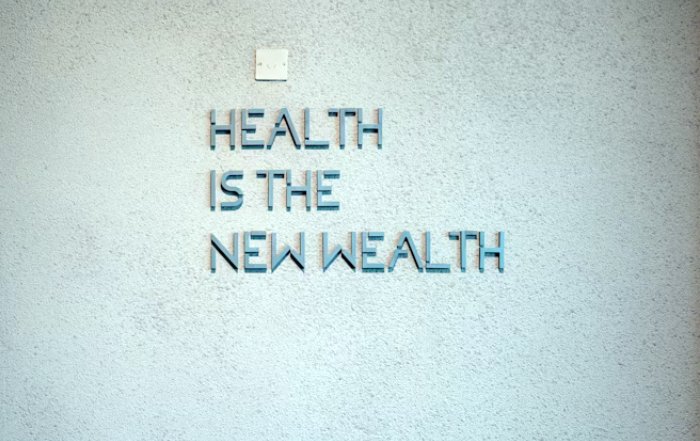
The Global Shift Towards Preventive Health: Why 2026 Is a Turning Point
Preventive Health Becomes a Global Business Imperative
In 2026, preventive health is no longer a niche concern of public health officials or wellness enthusiasts; it has become a central pillar of economic strategy, workforce planning, and brand positioning for organizations across the world. Governments from the United States to Singapore, multinational corporations headquartered in London, Berlin, and Tokyo, and fast-scaling digital health startups in São Paulo and Johannesburg are converging on a shared realization: investing in prevention is now one of the most effective ways to manage healthcare costs, improve productivity, and build resilient societies. For a platform like FitBuzzFeed, which sits at the intersection of fitness, health, lifestyle, and business, this global shift is not just a topic of coverage but a defining lens through which its audience increasingly views sports, wellness, technology, and work. As readers navigate sections such as health, fitness, and business, the theme of prevention now underpins everything from training trends to corporate strategy.
The economic rationale is compelling. According to analyses from organizations such as the World Health Organization, preventable noncommunicable diseases-cardiovascular disease, diabetes, respiratory illnesses, and many cancers-continue to account for the majority of deaths worldwide and impose a massive productivity burden on economies. When business leaders in New York, London, Frankfurt, Toronto, Sydney, and Singapore examine long-term risk, they increasingly see chronic disease not only as a healthcare issue but as a strategic threat to labor markets, insurance systems, and consumer spending. As a result, preventive health has moved from a cost center mentality to a value creation mindset, with companies and governments exploring how early interventions, healthier lifestyles, and data-driven risk prediction can unlock sustainable growth and competitive advantage.
From Treatment to Prevention: A Structural Reorientation
The most profound change underway is a structural reorientation of health systems and corporate health strategies away from a reactive, treatment-centric paradigm and toward proactive, prevention-centric models. Historically, healthcare in regions such as North America and Europe has been dominated by hospital-centered, specialist-driven care that intervenes after disease has already developed. While this model has produced extraordinary advances in acute care, it has struggled to contain the long-term costs and human toll of lifestyle-related chronic conditions. In 2026, policy frameworks, payment models, and technological infrastructures are gradually realigning to reward the avoidance of disease rather than the volume of procedures performed.
In the United States, for example, value-based care models promoted by institutions like the Centers for Medicare & Medicaid Services are increasingly tying reimbursement to outcomes, incentivizing hospitals, primary care providers, and insurers to invest in preventive screenings, digital monitoring, and patient education programs that keep populations healthier for longer. Across the European Union, health ministries and public insurers are expanding population health initiatives, with countries such as Germany, Sweden, Denmark, and the Netherlands emphasizing early detection programs, integrated primary care, and workplace wellness regulations that encourage employers to support preventive measures. Readers tracking global developments in the world and news sections of FitBuzzFeed will recognize how these policy shifts are reshaping expectations of what a modern health system should deliver.
This reorientation is not limited to the public sector. Large employers in industries ranging from financial services and technology to logistics and manufacturing are reframing health benefits as strategic investments rather than obligatory costs. Organizations headquartered in London, Zurich, Toronto, Singapore, and Tokyo are increasingly adopting comprehensive preventive health strategies that integrate annual screenings, mental health support, nutrition coaching, and fitness programs into the employee experience. As global professional networks such as World Economic Forum and OECD highlight the macroeconomic benefits of healthier workforces, prevention is becoming a core component of corporate governance and ESG reporting, aligning health outcomes with broader commitments to sustainability and social responsibility.
The Role of Lifestyle, Fitness, and Nutrition in Prevention
At the heart of preventive health lies behavior: how individuals move, eat, sleep, and manage stress on a daily basis. For the FitBuzzFeed community, which engages deeply with sports, lifestyle, and nutrition, this behavioral focus is both intuitive and empowering. The mounting evidence from institutions such as Harvard T.H. Chan School of Public Health and Mayo Clinic underscores that regular physical activity, balanced nutrition, adequate sleep, and mental wellbeing practices can significantly reduce the risk of cardiovascular disease, type 2 diabetes, certain cancers, and depression, while also enhancing cognitive performance and resilience.
In 2026, the global fitness industry is increasingly integrated into formal health strategies. Gyms, sports clubs, and digital fitness platforms in the United States, United Kingdom, Germany, Canada, Australia, and beyond are partnering with insurers and employers to design structured preventive programs that combine strength training, cardiovascular exercise, mobility work, and recovery protocols. These programs are being tailored to diverse populations, from young professionals in Seoul and Singapore to aging workers in Italy and Japan, recognizing that preventive health must be inclusive and adaptable. For readers exploring training and physical performance content, the message is clear: consistent, well-designed movement routines are now recognized as one of the most powerful preventive tools available.
Nutrition has undergone a similar evolution. The conversation has shifted from short-term dieting to long-term metabolic health, with greater emphasis on whole foods, plant-forward dietary patterns, reduced ultra-processed food consumption, and personalized nutrition strategies. Research from organizations like National Institutes of Health and European Food Safety Authority continues to link dietary quality to reduced risk of chronic disease, improved immune function, and better mental health outcomes. In response, food brands, retailers, and restaurant chains across North America, Europe, and Asia are reformulating products, expanding healthier offerings, and experimenting with transparent labeling and digital tools that help consumers make more informed choices. For FitBuzzFeed readers, this convergence of science, industry innovation, and consumer awareness reinforces the importance of everyday choices and supports the platform's mission to connect lifestyle decisions with long-term health and performance.
Technology, Data, and the Rise of Predictive Prevention
The shift toward preventive health is being accelerated by rapid advances in digital technology and data analytics, which are transforming how risk is identified, monitored, and managed. Wearable devices, connected fitness equipment, and health-tracking apps have evolved from simple step counters into sophisticated biosensing platforms capable of measuring heart rate variability, sleep stages, respiratory patterns, glucose levels, and even early signals of cardiovascular or respiratory distress. Technology companies in Silicon Valley, Shenzhen, Seoul, and Stockholm are increasingly collaborating with healthcare providers and research institutions to translate continuous biometric data into actionable insights that support early intervention and lifestyle optimization.
In 2026, predictive analytics and artificial intelligence are allowing health systems and insurers to shift from retrospective analysis to proactive risk management. By integrating electronic health records, genomic data, and lifestyle information, advanced algorithms can identify individuals and populations at elevated risk for specific conditions long before symptoms manifest. Organizations such as Cleveland Clinic and Karolinska Institute are at the forefront of developing and validating these predictive models, exploring how they can be used ethically and effectively to guide preventive strategies, from targeted screening programs to personalized exercise and nutrition interventions. Readers interested in the convergence of health and innovation can explore how these trends intersect within FitBuzzFeed's technology coverage, where the implications for athletes, professionals, and everyday consumers are increasingly intertwined.
However, the growing reliance on health data raises critical questions about privacy, equity, and trust. Regulators in the European Union, United Kingdom, Canada, and other jurisdictions are refining data protection frameworks and digital health regulations to ensure that personal health information is handled securely and transparently. Organizations such as European Commission and Office for Civil Rights in the United States are setting guidelines on consent, data sharing, and algorithmic fairness, aiming to protect individuals while enabling innovation. For preventive health to realize its full potential, individuals must trust that their data will not be misused and that predictive systems will not exacerbate existing inequities in access to care or insurance. This makes transparent governance, robust cybersecurity, and responsible AI practices essential components of any credible preventive health strategy.
Corporate Wellness, Workforce Performance, and the Future of Work
Across global labor markets, the relationship between health and work has been fundamentally redefined by the experiences of the early 2020s, including the pandemic, the rise of hybrid work, and the intensifying war for talent. Employers in the United States, United Kingdom, Germany, Canada, Australia, Singapore, and beyond now recognize that preventive health is not only about reducing absenteeism but also about enhancing cognitive performance, creativity, and resilience in increasingly complex and demanding roles. For the business-oriented audience of FitBuzzFeed, which closely follows developments in jobs and business, this intersection of health and work is particularly salient.
Corporate wellness programs have evolved from basic gym subsidies to integrated health ecosystems that combine physical, mental, and social wellbeing. Leading companies such as Microsoft, Unilever, and Deloitte have implemented comprehensive preventive initiatives that include regular health screenings, digital coaching, mental health resources, ergonomic assessments for remote workers, and structured programs that encourage movement breaks, stress management, and healthy eating during the workday. These initiatives are increasingly supported by measurable KPIs, linking improvements in health metrics to productivity, engagement, retention, and employer brand strength. As global consultancies and business schools, including McKinsey & Company and INSEAD, publish research on the ROI of wellbeing, preventive health is becoming a core element of human capital strategy and leadership development.
This evolution also reflects changing expectations among employees, particularly in younger cohorts across Europe, Asia, Africa, and the Americas. Professionals in cities such as New York, London, Berlin, Toronto, Melbourne, Paris, Madrid, Amsterdam, Zurich, Shanghai, Stockholm, Oslo, Copenhagen, Seoul, Tokyo, Bangkok, Helsinki, Johannesburg, São Paulo, Kuala Lumpur, and Auckland increasingly evaluate potential employers based on their commitment to health, flexibility, and psychological safety. Organizations that treat preventive health as a strategic priority rather than an HR add-on are better positioned to attract and retain top talent in competitive markets. For FitBuzzFeed, which connects readers to trends in careers, training, and performance, this alignment between personal wellbeing and professional success underscores the platform's focus on practical, actionable insights that help individuals and organizations thrive.
Global and Regional Perspectives: Different Paths to the Same Goal
While the overarching shift toward preventive health is global, the pathways and priorities vary significantly across regions, shaped by demographic trends, cultural norms, economic structures, and policy environments. In North America and Western Europe, aging populations and high prevalence of lifestyle-related chronic diseases are driving urgent efforts to reduce long-term healthcare expenditures and maintain workforce participation among older adults. Countries such as the United States, United Kingdom, Germany, France, Italy, Spain, Netherlands, Switzerland, Sweden, Norway, Denmark, and Finland are investing heavily in primary care strengthening, digital health infrastructure, and community-based prevention programs that promote physical activity, healthy eating, and social connectedness among seniors.
In Asia, rapidly urbanizing economies such as China, India, Thailand, and Malaysia are grappling with a dual burden of infectious diseases and rising noncommunicable diseases linked to changing diets, sedentary lifestyles, and air pollution. Governments and health systems in these countries are increasingly emphasizing preventive measures, from urban planning that promotes active transport to large-scale public education campaigns on tobacco control, alcohol consumption, and nutrition. High-income Asian economies such as Singapore, Japan, and South Korea are at the forefront of integrating technology into preventive health, leveraging smart city initiatives, digital health passports, and AI-driven screening programs to manage population health at scale. Organizations like World Bank and Asian Development Bank are supporting these efforts by highlighting the economic benefits of investing in prevention across diverse income settings.
In Africa and South America, where health systems often face resource constraints and competing priorities, preventive health strategies are being adapted to local realities. Countries such as South Africa and Brazil are expanding community health worker programs, integrating preventive services into primary care clinics, and leveraging mobile technology to deliver health education and reminders in rural and underserved urban areas. Partnerships between governments, NGOs, and private sector organizations are playing a critical role in scaling preventive interventions, from vaccination campaigns to maternal health programs and chronic disease management. For a global readership accessing FitBuzzFeed from multiple continents, understanding these regional nuances is essential to appreciating both the shared challenges and the innovative solutions emerging in different contexts.
Brands, Trust, and the Commercialization of Prevention
The commercial landscape surrounding preventive health has expanded dramatically, with brands across sectors-from sportswear and consumer electronics to food and financial services-positioning themselves as partners in long-term wellbeing. For FitBuzzFeed readers who actively follow brands, this proliferation of preventive health messaging can be both empowering and overwhelming. The central question becomes one of trust: which products, services, and platforms truly support evidence-based prevention, and which are leveraging the trend without delivering meaningful value?
Global sportswear companies such as Nike and Adidas continue to promote active lifestyles through connected training platforms, community events, and collaborations with health professionals and sports scientists. Consumer technology giants like Apple and Samsung are embedding increasingly sophisticated health and fitness features into their devices, emphasizing early detection, behavior change support, and integration with medical systems. Food and beverage companies are reformulating product lines, launching healthier sub-brands, and investing in transparent labeling, while retailers and e-commerce platforms experiment with personalized recommendations that nudge consumers toward more nutritious choices. Financial services firms, including major insurers and banks, are developing wellness-linked products, such as health savings accounts, reduced premiums for active lifestyles, and rewards programs for preventive behaviors.
For brands, credibility in this space depends on alignment with scientific evidence, transparent communication, and a willingness to be held accountable for outcomes. Collaborations with respected medical institutions, adherence to guidelines from organizations such as National Health Service in the United Kingdom, and participation in multi-stakeholder initiatives focused on public health can help build this trust. For consumers, and for the editorial approach at FitBuzzFeed, discerning between marketing claims and substantive preventive impact requires a focus on data, independent evaluations, and real-world results rather than hype or short-lived trends.
Events, Education, and the Culture of Prevention
One of the most significant yet less quantifiable aspects of the global shift toward preventive health is the gradual emergence of a culture that normalizes and celebrates proactive wellbeing. Conferences, sporting events, industry expos, and community initiatives around the world are increasingly framing health not only as an individual responsibility but as a shared social and economic priority. Major gatherings such as health innovation summits, sports science congresses, and corporate leadership forums now dedicate substantial agendas to preventive strategies, digital health, and the integration of wellbeing into business models and urban planning.
For platforms like FitBuzzFeed, which covers events and trends in wellness, this cultural shift offers an opportunity to connect global developments with personal action. Educational content, expert interviews, and cross-disciplinary features can help readers in cities from New York and London to Berlin, Toronto, Sydney, Paris, Milan, Barcelona, Amsterdam, Zurich, Shanghai, Stockholm, Oslo, Copenhagen, Seoul, Tokyo, Bangkok, Helsinki, Johannesburg, São Paulo, Kuala Lumpur, and Auckland understand how macro-level changes in policy, technology, and business strategy translate into daily choices about movement, nutrition, sleep, and stress. By highlighting credible sources such as Centers for Disease Control and Prevention and Public Health England, and by showcasing case studies of successful community and corporate initiatives, media platforms can play a vital role in embedding preventive thinking into mainstream culture.
Education is central to this cultural transformation. Schools, universities, and professional training programs across continents are gradually incorporating health literacy, behavior change science, and basic preventive medicine into curricula. Medical and nursing schools are emphasizing lifestyle medicine, motivational interviewing, and interdisciplinary collaboration, preparing future clinicians to support prevention as effectively as they treat disease. Business schools and leadership programs are integrating wellbeing, resilience, and sustainable performance into their teaching, recognizing that future leaders must understand the health implications of organizational design, workplace culture, and strategic choices. This cross-sector educational effort aligns closely with FitBuzzFeed's mission to provide accessible, evidence-informed content that empowers individuals and organizations to take informed preventive action.
The Road Ahead: Integrating Prevention into Everyday Life and Strategy
As of 2026, the global shift toward preventive health is well underway but far from complete. Significant challenges remain, including persistent health inequities within and between countries, fragmented data systems, misaligned financial incentives, and cultural barriers that can make sustained behavior change difficult. Yet the direction of travel is clear: prevention is moving from the periphery to the center of how societies think about health, how businesses plan for the future, and how individuals navigate their careers, lifestyles, and aspirations.
For the international audience of FitBuzzFeed, spanning North America, Europe, Asia, Africa, and South America, the implications are both personal and professional. On a personal level, preventive health offers a framework for making daily decisions that support long-term vitality, performance, and resilience, whether through structured training programs, thoughtful nutrition, improved sleep, or proactive mental health practices informed by resources across wellness and fitness. On a professional and organizational level, it challenges leaders to integrate health into core strategy, recognizing that sustainable success in a complex, fast-changing world depends on the wellbeing of people as much as on technology, capital, or market positioning.
As policymakers refine regulations, companies innovate, and research institutions deepen understanding of what works in prevention, platforms like FitBuzzFeed will continue to play a pivotal role in translating complex developments into practical insights for readers. By maintaining a commitment to experience, expertise, authoritativeness, and trustworthiness, and by grounding coverage in high-quality evidence and real-world examples, the platform can help ensure that the global shift toward preventive health is not merely a passing trend but a lasting transformation in how health, work, and life are understood and lived. For individuals, organizations, and societies alike, embracing prevention in 2026 and beyond is not just a health strategy; it is a foundation for long-term human and economic flourishing.