

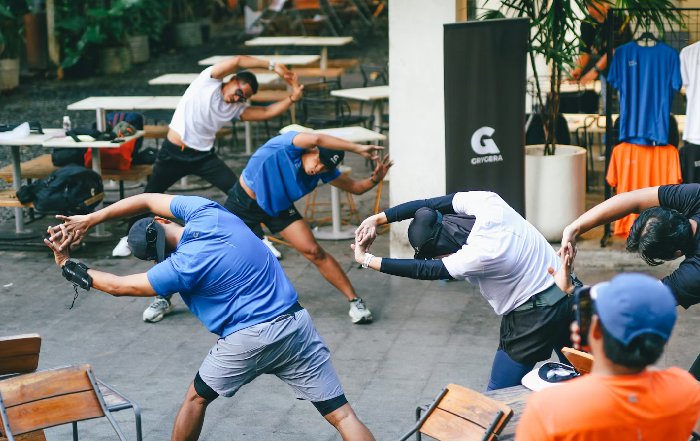
Why Group Fitness Is the Ultimate Social Network
The New Social Fabric of Movement
The global conversation about health, work and community has converged around a simple but powerful idea: people are wired to move together. While digital platforms still dominate much of modern social life, a growing body of evidence from organizations such as World Health Organization and U.S. Centers for Disease Control and Prevention shows that meaningful, in-person connection is one of the strongest predictors of long-term health, productivity and resilience. Against this backdrop, group fitness has evolved far beyond the traditional image of an aerobics studio or a weekend running club. It has become, in effect, the ultimate social network - a hybrid ecosystem where physical movement, digital technology, professional coaching and shared identity intersect.
For readers of FitBuzzFeed, who follow developments in fitness, health, business, technology and lifestyle across regions from North America and Europe to Asia, Africa and South America, this shift is more than a trend; it is a structural change in how people build communities, careers and brands. Group fitness now functions as a social, economic and technological platform, influencing everything from how professionals in New York and London network after work, to how entrepreneurs in Berlin and Singapore launch wellness startups, to how communities in Johannesburg, São Paulo and Bangkok strengthen social cohesion through movement.
From Gyms to Communities: How Group Fitness Evolved
Historically, fitness was often framed as an individual pursuit, shaped by solitary gym sessions or personal routines at home. Over the past decade, however, consumer behavior has moved decisively toward shared experiences. Reports from McKinsey & Company and Deloitte have highlighted how experience-driven consumption has outpaced traditional product-focused spending, particularly among younger demographics in the United States, United Kingdom, Germany, Canada and Australia. Group fitness sits at the heart of this experience economy, offering a fusion of physical challenge, social interaction and emotional engagement that digital-only networks struggle to replicate.
The rise of boutique studios, from cycling concepts inspired by pioneers such as SoulCycle and Barry's to functional training and boxing communities, has been mirrored in markets from Paris and Milan to Seoul and Tokyo. Simultaneously, large health club chains and community-based facilities in cities like Amsterdam, Zurich, Singapore and Sydney have reoriented their offerings around class-based programming. These classes, whether they focus on high-intensity interval training, yoga, strength, dance or sports performance, have evolved into micro-communities with their own rituals, language and shared goals. Readers can explore how this shift connects to broader wellness culture in the FitBuzzFeed Wellness section, where the emphasis on community as a driver of healthy behavior is increasingly visible.
The Psychology of Belonging: Why Group Fitness Works
The effectiveness of group fitness as a social network is rooted in well-documented psychological mechanisms. Social identity theory, developed by leading psychologists and discussed widely in academic and business circles, explains how individuals derive a sense of self from the groups to which they belong. When participants join a regular class, running club or training cohort, they adopt a shared identity - whether as early-morning cyclists in London, lunchtime HIIT enthusiasts in Frankfurt, or weekend trail runners in Vancouver and Cape Town. This shared identity strengthens motivation, adherence and satisfaction.
Behavioral scientists at institutions such as Harvard T.H. Chan School of Public Health and Stanford Medicine have shown that social support is one of the strongest predictors of long-term exercise adherence. The presence of peers, a trusted coach and a predictable schedule reduces the cognitive load required to maintain a routine. Instead of negotiating daily with oneself about whether to work out, participants simply show up for the group, much as they would for a meeting or a social commitment. For audiences who follow FitBuzzFeed Health, this alignment between psychology and practice is central to understanding why group formats consistently outperform isolated efforts when it comes to sustainability.
Moreover, the emotional dimension of shared struggle - the experience of completing a demanding circuit, mastering a new skill or finishing a long run together - creates what neuroscientists describe as "collective effervescence," a heightened sense of connection and meaning. Research summarized by Greater Good Science Center at UC Berkeley highlights how synchronized movement, such as group exercise, can increase trust and cooperation among participants. In a world where many professionals in cities from New York to Singapore spend long hours in digital environments, this embodied sense of connection has become a rare and valuable asset.
Trust, Safety and Professional Expertise
For group fitness to function as a genuine social network rather than a fleeting trend, it must be underpinned by trust, safety and professional expertise. The most successful studios, sports clubs and training communities across Europe, Asia-Pacific and the Americas are led by highly qualified instructors and coaches who combine technical competence with emotional intelligence. Certifications from organizations like American Council on Exercise, National Academy of Sports Medicine and UK Active have become markers of credibility, particularly in markets such as the United States, United Kingdom and Australia, where consumer expectations around safety and evidence-based practice are high.
These professionals do more than count repetitions or design workouts. They act as community managers, culture builders and informal health advisors, ensuring that sessions are inclusive, scalable across fitness levels and responsive to the needs of diverse participants, from corporate employees in Toronto and Munich to older adults in Stockholm and Wellington. The emphasis on proper technique, progressive overload and injury prevention is not only a matter of physical safety; it is also a trust signal that encourages participants to invite colleagues, family members and friends into the community. Readers interested in how this intersects with performance and conditioning can explore FitBuzzFeed Training, where the role of structured, coach-led programming is consistently highlighted.
In emerging markets and developing regions across Africa, South America and parts of Asia, the rapid growth of group fitness has also raised important questions about regulation, qualifications and quality assurance. Governments and industry bodies in countries such as Brazil, South Africa and Thailand are increasingly collaborating with global institutions to develop standards that protect consumers while enabling innovation. This interplay between local context and global best practice is one reason why group fitness has become a significant topic in the broader wellness economy, which Global Wellness Institute estimates to be worth trillions of dollars worldwide.
Technology: Extending the Network Beyond the Studio
The transformation of group fitness into a social network has been accelerated by technology. What began as simple class booking apps has evolved into integrated ecosystems that combine live in-person sessions, virtual classes, wearable data, leaderboards and social features. Platforms inspired by early pioneers such as Peloton and Les Mills have been joined by regional innovators in markets like Germany, Japan and Singapore, where hybrid models blend local culture with global content.
Wearables from brands such as Garmin, Apple and WHOOP now integrate seamlessly with group training platforms, allowing participants to track performance, recovery and health metrics while comparing progress with teammates. This data-rich environment creates new forms of accountability and shared achievement; participants in a strength class in Berlin can celebrate heart rate milestones or personal records alongside peers in Toronto or Melbourne through digital leaderboards and community forums. For technology-focused readers, the FitBuzzFeed Technology section regularly explores how these tools are reshaping the relationship between physical and digital networks.
At the same time, the post-pandemic normalization of remote work has expanded the geographic boundaries of group fitness communities. Corporate wellness programs in multinational organizations now routinely offer hybrid memberships that allow employees in London, New York, Singapore and São Paulo to join the same virtual classes, fostering cross-border camaraderie and shared culture. Platforms supported by companies like Microsoft Teams and Zoom enable live, interactive sessions where participants can see, hear and encourage one another, turning what might once have been a solitary home workout into a collective experience.
Business Models and Brand Building in the Group Fitness Economy
From a business perspective, group fitness has matured into a sophisticated ecosystem that touches real estate, technology, apparel, nutrition, media and employment. Entrepreneurs in cities from Los Angeles and Toronto to Berlin and Copenhagen are building brands that revolve around community-first group training concepts, while established health club operators in markets like the Netherlands, Switzerland and Japan are redesigning their floor plans to prioritize studio spaces and multi-purpose group areas. Detailed analysis of these trends can often be found in FitBuzzFeed Business, where the intersection of fitness, finance and innovation is a recurring theme.
Group fitness also plays a pivotal role in brand strategy for major sportswear and equipment companies. Firms such as Nike, Adidas and Under Armour have invested heavily in community events, run clubs and training collectives, recognizing that the most enduring customer relationships are built through shared experiences rather than one-way advertising. By sponsoring local classes, regional tours and global challenges, these brands tap into the social capital of group fitness communities, turning participants into advocates and content creators. Readers who track brand strategy and partnerships will find complementary coverage in FitBuzzFeed Brands, where the storytelling around movement and identity is increasingly prominent.
From an employment standpoint, the growth of group fitness has created new career pathways for instructors, coaches, community managers, digital content producers and wellness consultants. In markets like the United States, United Kingdom and Canada, it is now common for professionals from finance, technology or creative industries to transition into full-time or portfolio careers in fitness, leveraging their communication and leadership skills in the studio environment. The FitBuzzFeed Jobs section frequently highlights how these roles blend entrepreneurship, performance and service, reflecting a broader shift toward purpose-driven work.
Group Fitness as a Driver of Health Equity and Social Impact
Beyond commercial success, group fitness has emerged as a powerful tool for addressing health disparities and social fragmentation. In urban centers from Chicago and London to Johannesburg and Rio de Janeiro, community-based organizations and NGOs are using group exercise as an accessible gateway to healthier lifestyles, particularly in neighborhoods where chronic disease, stress and social isolation are prevalent. Initiatives supported by entities such as UNICEF and World Economic Forum emphasize the role of physical activity in improving educational outcomes, labor productivity and community cohesion.
In many countries, public health agencies are partnering with local studios, sports clubs and grassroots trainers to deliver subsidized or free group programs in parks, schools and community centers. These initiatives are especially significant in regions where healthcare systems are under strain, such as parts of Africa, South America and Southeast Asia. By reducing barriers to entry - including cost, equipment and expertise - group fitness becomes not only a social network but also a public health infrastructure. For readers who follow global developments, the FitBuzzFeed World section often showcases how these efforts intersect with broader social and economic policies.
Furthermore, group fitness has played a role in advancing gender equality and inclusion. Women-only classes in conservative regions, LGBTQ+ friendly studios in major cities like Berlin, Amsterdam and San Francisco, and adaptive programs for people with disabilities in Scandinavia and Japan all demonstrate how movement can be tailored to create psychologically safe spaces. Organizations such as Women in Sport and Special Olympics provide frameworks that many local operators adapt to their own cultural context, reinforcing the idea that the most successful group fitness networks are those that prioritize diversity and accessibility.
The Nutrition and Recovery Layer of the Network
No modern discussion of group fitness is complete without addressing the role of nutrition, recovery and holistic wellness. As participants become more invested in their communities and performance, they increasingly seek guidance on how to fuel and restore their bodies. Evidence-based resources from institutions like Academy of Nutrition and Dietetics and Mayo Clinic have influenced how studios, coaches and brands communicate about food, supplements and hydration.
Many group fitness communities now integrate workshops, digital content and partnerships with local cafes or meal services, creating a lifestyle ecosystem that extends beyond the workout. In cities like Melbourne, Vancouver, Copenhagen and Seoul, it is common to see groups move directly from a class to a shared, health-focused meal, reinforcing social bonds while aligning behavior with long-term health goals. Readers can explore the nutritional dimension in greater depth through FitBuzzFeed Nutrition, where the interplay between diet, performance and recovery is a recurring theme.
Sleep, stress management and mental health have also become central pillars of group fitness culture. Coaches increasingly collaborate with psychologists, physiotherapists and sleep specialists, drawing on research from organizations such as National Sleep Foundation to educate participants on the importance of rest and stress regulation. This holistic approach aligns with the broader wellness movement, in which the boundaries between fitness, healthcare and lifestyle are dissolving.
Events, Sports and the Expansion into Everyday Life
Group fitness communities rarely remain confined to the studio or gym. They spill into city streets, parks, stadiums and digital platforms through events, challenges and collaborations with sports organizations. Mass participation runs, obstacle races, charity rides and outdoor bootcamps in cities from New York and Chicago to Berlin, Barcelona, Tokyo and Singapore have become annual highlights that anchor community calendars. Coverage of such events is a natural fit for FitBuzzFeed Events, where the convergence of sport, culture and social impact is a key focus.
These events often serve as gateways into more structured sports participation, whether through amateur leagues, masters competitions or corporate tournaments. The line between "fitness enthusiast" and "athlete" is increasingly blurred, as people who begin with a weekly class find themselves training for marathons, triathlons or team sports. This evolution reflects the broader trend documented by organizations like Sport England and Canadian Sport Institute, which highlight how inclusive, community-based entry points can significantly increase long-term engagement in physical activity. Readers who closely follow athletic performance and competition will find these themes echoed in FitBuzzFeed Sports, where stories of transformation often begin with a single group session.
The Future of Group Fitness as a Social Network?
Looking ahead to the late 2020s, several forces are poised to shape the next phase of group fitness as the ultimate social network. Technological innovation will continue to expand possibilities, from AI-assisted coaching and personalized programming to immersive mixed-reality experiences that blend physical studios with virtual environments. At the same time, demographic shifts - including aging populations in Europe and East Asia, urbanization in Africa and South Asia, and the continued rise of health-conscious younger generations globally - will create diverse demands for formats that accommodate varying abilities, schedules and cultural preferences.
Policy and corporate strategy will also play decisive roles. Governments in regions such as the European Union, North America and parts of Asia are increasingly recognizing physical activity as a strategic lever for reducing healthcare costs and improving workforce productivity, as reflected in initiatives discussed by OECD. Corporations, facing ongoing challenges around employee engagement, mental health and hybrid work, are integrating group fitness into their talent and culture strategies, often in partnership with specialized providers.
For FitBuzzFeed and its global readership, the story of group fitness is ultimately a story about how people choose to live, work and connect in an era defined by both digital abundance and human fragmentation. Whether the reader is a business leader in New York, a startup founder in Berlin, a health professional in Toronto, a coach in Johannesburg or a student in Tokyo, the underlying message is consistent: structured, shared movement offers a uniquely powerful way to build networks that are not only broad and diverse, but also deeply grounded in trust, experience and mutual support.
As this network continues to evolve, FitBuzzFeed will remain committed to covering its many dimensions - from health and wellness to business and technology, from local events to global trends - ensuring that readers across continents can understand, join and shape the communities of movement that increasingly define modern life.