

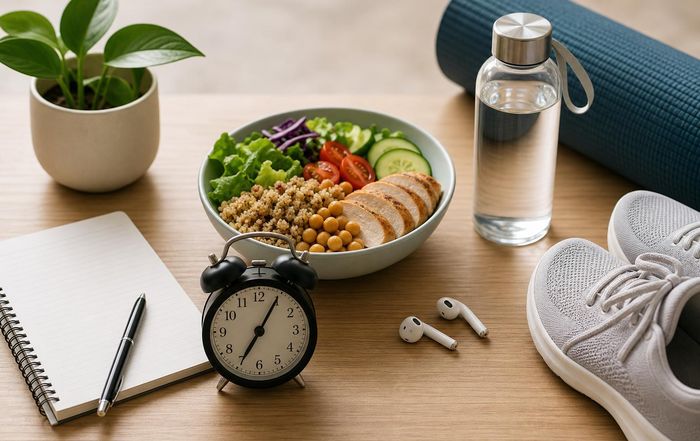
Wellness Habits That Fit Into Packed Schedules
The New Reality of High-Performance Living
Professionals across North America, Europe, Asia and beyond are operating in an environment where the boundaries between work, home and digital life have effectively dissolved, and the same executive in New York who manages global teams across time zones is also expected to maintain peak mental clarity, physical resilience and emotional balance, while entrepreneurs in Berlin, Singapore or São Paulo navigate hybrid work models, relentless information flows and an always-on culture that can quietly erode their health if not managed with deliberate structure and discipline. Within this context, wellness is no longer a discretionary lifestyle upgrade or a luxury reserved for those with free time; it has become a core performance strategy, one that leading organizations such as McKinsey & Company, Deloitte, Microsoft and Google now actively embed into leadership development, talent retention and future-of-work initiatives, because the evidence is increasingly clear that sustainable high performance is inseparable from daily health habits that are realistic, time-efficient and simple enough to execute even on the busiest days.
For open minded, active and well read fans of FitBuzzFeed, who follow new developments in fitness, health, business, jobs and lifestyle across global markets, the central question is no longer whether wellness matters, but how to integrate evidence-based habits into lives already dominated by demanding schedules, travel, caregiving responsibilities and digital overload, and how to do so in a way that aligns with the realities of careers in cities from London to Tokyo, Toronto to Sydney and Johannesburg to Stockholm. The answer lies less in radical overhauls and more in micro-strategies that compound over time, blending expertise from sports science, occupational health, behavioral psychology and digital technology into a practical framework that respects the constraints of modern work while protecting long-term health, cognitive capacity and emotional resilience.
Why Time-Efficient Wellness Has Become a Strategic Advantage
As organizations across the United States, United Kingdom, Germany, Singapore and other advanced economies continue to embrace hybrid and remote work, professionals are discovering that the old model of separating "work time" from "wellness time" is increasingly obsolete, with long commutes replaced by back-to-back video calls, asynchronous collaboration stretching into evenings, and global teams extending the working day beyond traditional office hours. Research from institutions such as Harvard T.H. Chan School of Public Health and Stanford Medicine has repeatedly linked chronic stress, poor sleep and sedentary behavior with increased risks of cardiovascular disease, metabolic disorders and mental health challenges, while also demonstrating measurable declines in cognitive performance, decision quality and creativity among overworked individuals. Those who wish to understand these dynamics in greater depth can explore how chronic stress impacts health and productivity through resources such as Harvard Health Publishing.
Forward-looking executives and entrepreneurs now recognize that personal energy management is a core leadership competency, and that the ability to sustain focus, emotional regulation and physical stamina across extended periods of uncertainty is what differentiates those who merely survive from those who thrive, especially in fast-moving sectors such as technology, finance, sports and entertainment. High-performing athletes in leagues supported by organizations like FIFA, the NBA and the International Olympic Committee have long used structured recovery, nutrition and mental skills training to maintain peak performance; today, many of those principles are being translated into corporate environments, where knowledge workers, founders and managers are treated as "corporate athletes" whose output depends on how effectively they manage sleep, movement, nutrition and psychological recovery throughout the week. Readers and newsletter subs interested in the athletic side of this analogy can follow original developments in sports performance and conditioning to see how elite practices are evolving.
In this landscape, time-efficient wellness habits are not side projects but strategic assets, and the most competitive professionals in markets from the United States to South Korea and the Nordic countries are those who design their days with the same rigor that they apply to financial models, product roadmaps or training cycles.
Micro-Habits: The Building Blocks of Sustainable Wellness
The traditional approach to personal health often involved ambitious resolutions, such as committing to daily gym sessions or strict diets, which frequently collapsed under the pressure of competing priorities, travel schedules and unexpected work demands; by contrast, the most effective wellness strategies for 2026 are built around micro-habits that require minimal willpower, can be executed in minutes and integrate seamlessly into existing routines. Behavioral scientists at organizations such as University College London, Stanford University and University of Cambridge have documented how small, consistent actions anchored to existing cues-such as morning coffee, calendar reminders or commuting patterns-are far more likely to persist over months and years than sweeping lifestyle overhauls, particularly for individuals in high-pressure roles. Those who wish to explore the science behind habit formation in more depth can review research summaries from Stanford's behavior design resources or similar academic centers.
For the fit healthy, sometimes scientific and academic audience of FitBuzzFeed, this perspective is especially relevant because it acknowledges that wellness must coexist with the realities of demanding careers in New York, London, Singapore, Shanghai, Paris, Dubai or São Paulo, where unpredictable schedules, client meetings and travel can easily derail rigid health plans. Instead of asking busy professionals to carve out large blocks of time, micro-habits invite them to stack short, high-impact behaviors onto moments that already exist in their day, such as integrating a brief mobility routine between video calls, using a walk to decompress after intense negotiations, or transforming lunch into a structured nutrition anchor that stabilizes energy for the afternoon. Readers exploring broader wellbeing strategies can find complementary insights in FitBuzzFeed's wellness coverage, which frequently highlights how small, consistent shifts accumulate into significant outcomes.
Movement Strategies for People Who Do Not Have Time to Exercise
One of the most persistent barriers reported by professionals in the United States, Canada, Germany, Japan and Australia is the belief that meaningful exercise requires long sessions at the gym, yet sports scientists and organizations such as the World Health Organization and American College of Sports Medicine have shown that short, accumulated bouts of movement can deliver substantial cardiovascular, metabolic and cognitive benefits when structured intelligently. Those interested can review the latest physical activity guidelines and their rationale via the World Health Organization's recommendations.
For high-performing readers of FitBuzzFeed, the most practical approach is often to reframe movement not as a single daily workout but as a series of strategic inserts throughout the day, each designed to counteract the specific risks of sedentary work, such as impaired circulation, musculoskeletal strain and reduced mental clarity. In practice, this can mean using the first ten minutes after waking for simple mobility and activation exercises, turning at least one daily meeting into a walking meeting where feasible, selecting stairs instead of elevators in office buildings and transit hubs, and performing brief strength or stretching intervals during short breaks between digital tasks. Those looking for more structured guidance can explore FitBuzzFeed's physical training coverage or training-focused resources, which frequently translate sports science into accessible routines.
In markets like the Netherlands, Sweden and Denmark, where cycling culture and active commuting are well established, professionals often integrate movement into transportation by choosing bicycles or walking routes for at least part of their journey, thereby converting a logistical necessity into a wellness asset; similar practices are emerging in cities like London, New York, Singapore and Sydney, where urban planning and corporate wellness programs increasingly encourage active travel. Urban professionals can explore how active cities and transport policies support movement by reviewing resources from organizations such as C40 Cities or World Economic Forum, where initiatives around healthy, sustainable cities are regularly documented.
At the same time, the rise of digital fitness platforms and connected devices has enabled busy individuals in regions from Asia-Pacific to Europe to access short, high-intensity interval training sessions, mobility flows and guided strength workouts that fit into 10-20 minute windows, often requiring no equipment and minimal space, making them ideal for hotel rooms, home offices or small apartments. Technology leaders like Apple, Peloton and Garmin have continued to evolve their ecosystems to support micro-workouts, while sports medicine institutions such as the Mayo Clinic provide accessible overviews of safe exercise practices that can be adapted to different fitness levels; readers can learn more about safe exercise for busy adults through these kinds of resources.
Nutrition That Works When Work Never Stops
Nutrition is another area where busy professionals often feel trapped between long meetings, travel, client entertainment and irregular hours, yet the evidence from organizations such as the Academy of Nutrition and Dietetics, National Health Service in the UK and World Heart Federation consistently shows that even modest improvements in food quality and timing can significantly influence energy stability, cognitive function and long-term health markers. Understanding the principles of balanced, minimally processed nutrition does not require becoming a dietitian, but it does require a basic grasp of macronutrient balance, fiber intake, hydration and the impact of ultra-processed foods, which can be explored through reputable resources such as the Academy of Nutrition and Dietetics or similar professional bodies.
For readers of FitBuzzFeed who operate in high-stakes environments across finance, technology, consulting, media and sports, the most practical nutritional strategies are those that can be executed under time pressure, in airports, office cafeterias or late-night hotel restaurants, without requiring elaborate preparation. This often involves identifying a small set of reliable meal templates that prioritize lean proteins, vegetables, whole grains and healthy fats, while minimizing excessive sugars and refined carbohydrates that can trigger energy crashes and impair concentration. Those seeking more detailed, performance-oriented insights can explore FitBuzzFeed's nutrition coverage, which regularly connects dietary choices to cognitive performance and physical resilience.
In regions such as the Mediterranean countries, including Italy, Spain and France, as well as parts of the Middle East and North Africa, traditional dietary patterns rich in vegetables, legumes, olive oil and fish have long been associated with lower rates of cardiovascular disease and improved longevity, and these patterns have inspired modern corporate wellness initiatives that encourage employees to adopt similar principles even in fast-paced urban settings. Professionals interested in the scientific foundations of these approaches can learn more about Mediterranean-style eating patterns through organizations like the American Heart Association, which provide practical guidance on adapting such principles to different cultural and logistical contexts.
Hydration is another frequently overlooked but critical factor for cognitive performance, especially for individuals who spend long hours in climate-controlled offices or on airplanes; mild dehydration has been shown to impair attention, memory and mood, which is why many high-performing executives and athletes now treat hydration as a non-negotiable habit anchored to daily rituals such as morning coffee, key meetings or training sessions. Resources from institutions like the European Food Safety Authority and Centers for Disease Control and Prevention offer clear, science-based guidance on fluid intake and its relationship to health, and readers can review evidence-based hydration recommendations to calibrate their own routines.
Sleep, Recovery and Cognitive Edge in a 24/7 World
Sleep has emerged as one of the most powerful performance levers for leaders, creators and athletes across the globe, with research from University of Oxford, University of Pennsylvania, Karolinska Institute and National Institutes of Health demonstrating that chronic sleep restriction undermines decision-making, emotional regulation, metabolic health and immune function, even among individuals who believe they are functioning well. In regions like the United States, United Kingdom, Japan and South Korea, where long working hours and late-night digital engagement are culturally entrenched, the consequences of insufficient sleep extend beyond personal wellbeing to organizational risk and national productivity. Those who wish to explore the science of sleep and performance in more depth can review resources from National Sleep Foundation or similar organizations that synthesize current research.
For the international readership of FitBuzzFeed, the key challenge is not simply understanding that sleep matters, but designing routines that protect sleep quality despite early calls with Europe, late meetings with Asia or frequent intercontinental travel. Time-efficient sleep strategies do not necessarily require longer nights in bed, although that remains ideal; they focus on optimizing sleep opportunity, improving pre-sleep routines, managing light exposure and aligning caffeine and alcohol intake with circadian rhythms. This can include establishing a consistent wind-down period of at least 20-30 minutes before bed that minimizes bright screens, heavy work-related thinking and stimulating content, while incorporating calming practices such as light stretching, reading or brief breathing exercises. Readers interested in broader wellbeing strategies that complement sleep hygiene can explore FitBuzzFeed's wellness insights, which frequently connect recovery practices to long-term resilience.
In Europe, North America and Asia-Pacific, a growing number of organizations are now treating sleep as a strategic asset rather than an individual concern, with companies like SAP, Unilever and Aetna experimenting with policies and incentives that encourage employees to prioritize rest, reduce unnecessary late-night communication and align workloads more intelligently with human energy cycles. These initiatives reflect a broader global trend toward sustainable work models, which can be explored through business and policy analyses from platforms such as OECD's Future of Work initiatives or similar think tanks.
Mental Health, Stress Management and Emotional Resilience
The last decade has seen a profound shift in how mental health is discussed within business, sports and public life, with leaders in countries such as the United States, United Kingdom, Canada, Australia and South Africa increasingly willing to share their experiences with burnout, anxiety and depression, and elite athletes under organizations like Team GB, USA Gymnastics and World Athletics openly acknowledging the psychological pressures of competition. This cultural evolution has helped normalize conversations around stress, emotional wellbeing and psychological safety, but it has also highlighted the need for practical, time-efficient tools that busy professionals can use to regulate stress responses and maintain clarity under pressure. Those who wish to understand the broader mental health landscape can review resources from organizations such as the World Health Organization's mental health hub.
For FitBuzzFeed readers navigating demanding careers in finance, law, technology, media, healthcare or sports management, the most effective stress management strategies are often those that can be deployed in minutes, without special equipment or privacy, such as brief breathing protocols, micro-meditations or structured reflection exercises. Evidence-based practices from mindfulness research, cognitive behavioral therapy and sports psychology have shown that even short interventions, when performed consistently, can reduce physiological markers of stress, improve emotional regulation and enhance focus, particularly when combined with supportive sleep, movement and nutrition habits. Readers interested in integrating these approaches into their daily routines can complement this perspective with FitBuzzFeed's health coverage, which often explores the intersection of mental and physical wellbeing.
At the organizational level, companies across Europe, Asia and the Americas are increasingly investing in employee assistance programs, digital mental health platforms and leadership training focused on psychological safety and burnout prevention, recognizing that unmanaged stress drives absenteeism, turnover and reputational risk. Analyses from institutions like World Economic Forum and McKinsey Global Institute frequently highlight the economic impact of mental health on productivity and national economies, and professionals can explore how mental health influences business performance through these lenses.
Technology as an Enabler of Smart, Not Obsessive, Wellness
Digital technology has become a double-edged sword in the wellness landscape of 2026, simultaneously contributing to distraction, comparison and digital fatigue while also enabling highly personalized, data-driven health strategies that were previously accessible only to elite athletes or clinical populations. Wearables from companies like Apple, Samsung, Garmin, Fitbit and Whoop, along with health platforms from Oura and Polar, now offer continuous monitoring of metrics such as heart rate variability, sleep stages, movement patterns and recovery indices, giving busy professionals objective feedback on how their habits and workloads affect their physiology over time. Those who wish to understand the broader evolution of digital health can explore analyses from organizations like Rock Health or similar digital health think tanks.
For the global audience of FitBuzzFeed, the key is to leverage technology as an enabler of smart, efficient decision-making rather than as a source of anxiety or perfectionism, which means using data trends to guide adjustments-such as improving sleep routines when recovery scores decline or adding low-intensity movement on days with prolonged sedentary time-while avoiding obsessive tracking that can paradoxically increase stress. Readers interested in the intersection of technology, health and performance can explore FitBuzzFeed's technology coverage, which often examines how emerging tools can be integrated responsibly into everyday life.
In regions like Singapore, South Korea, Japan, the Nordic countries and parts of North America, governments and healthcare systems are increasingly exploring digital-first prevention strategies, using apps, remote monitoring and telehealth platforms to support citizens in managing chronic conditions, mental health and lifestyle risks. Reputable organizations such as World Health Organization, OECD and European Commission regularly publish frameworks and case studies on digital health ecosystems, and professionals can learn more about digital health policy and innovation through these channels to understand how their personal data fits into a broader public health context.
Designing a Personal Wellness System That Survives Real Life
Ultimately, wellness habits that fit into packed schedules are less about isolated tips and more about systems design, where each individual constructs a set of default behaviors, environmental cues and digital supports that make the healthy choice the easy choice, even on days dominated by travel, deadlines or family responsibilities. For the diverse, globally distributed readership of FitBuzzFeed, spanning continents from North America and Europe to Asia, Africa and South America, the most successful systems share several common characteristics, including clarity about non-negotiables, realistic expectations and alignment with personal values and professional realities.
Many high-performing professionals now define a small set of daily non-negotiables-such as a minimum movement target, a basic sleep window, structured hydration or a brief mental reset practice-that they commit to protecting regardless of workload, while treating more intensive workouts, extended meditation sessions or elaborate meal preparation as performance bonuses rather than baseline expectations. This mindset reduces all-or-nothing thinking and allows individuals to maintain continuity even during periods of intense pressure, travel or disruption. Readers looking to align such systems with their broader career and lifestyle goals can explore FitBuzzFeed's business insights and world coverage, which frequently examine how macroeconomic and cultural trends shape individual choices.
Environmental design is equally important, as professionals in cities like New York, London, Berlin, Singapore, Dubai and Hong Kong increasingly discover that their physical and digital environments either support or sabotage their intentions, whether through the placement of healthy snacks, the configuration of home offices, the structure of digital notifications or the norms of team communication. Thoughtful adjustments-such as keeping basic workout equipment visible and accessible, pre-positioning water bottles at key workstations, using calendar blocks for movement or focus time, and configuring devices to minimize non-essential alerts-can significantly increase the likelihood that wellness habits are executed consistently. Those interested in how environment and behavior interact can explore resources on behavioral design and choice architecture from institutions like Behavioral Insights Team or similar organizations.
The Study Perspective - Wellness as a Competitive Edge
As the world moves deeper into the second half of the 2020s, professionals, athletes, entrepreneurs and creators across continents are recognizing that the ability to integrate sustainable wellness habits into packed schedules is not merely a matter of personal preference but a critical determinant of long-term performance, career longevity and quality of life. For the community that gathers around FitBuzzFeed, following developments in news, brands, events and lifestyle trends alongside health, fitness and technology, the emerging consensus is clear: the future belongs to those who can combine ambition with recovery, intensity with reflection and digital acceleration with human-centered self-care.
In practice, this means that a software engineer in Toronto, a strategist in London, a founder in Berlin, a sports agent in Los Angeles, a consultant in Singapore or a creative director in Cape Town can no longer rely on sporadic bursts of self-care to offset chronic overload; instead, they must design daily systems that weave micro-movements, intelligent nutrition, protected sleep, emotional regulation and smart technology into the fabric of their work and home lives. The organizations that employ them, from startups and scale-ups to multinationals and public institutions, increasingly recognize that supporting such systems is not just a moral responsibility but a business imperative, influencing engagement, innovation and resilience in the face of global volatility.
For those seeking to deepen their activity and academic engagement with these ideas, FitBuzzFeed will continue to track how wellness, performance and technology intersect across fitness, health, wellness and lifestyle, offering analysis, interviews and practical frameworks tailored to ambitious readers who want to perform at their best without sacrificing their long-term wellbeing. As the demands of modern life continue to expand, the individuals and organizations that treat wellness as a non-negotiable foundation rather than an afterthought will be those best positioned to navigate uncertainty, seize opportunities and build careers and lives that are not only successful on paper but genuinely sustainable in practice.