

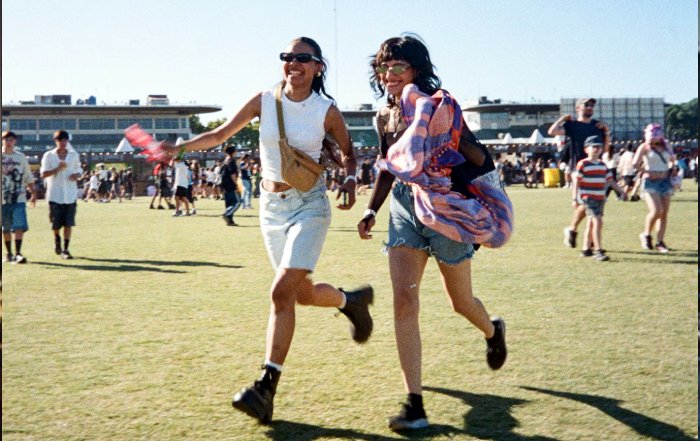
Inside the Multi-Million Dollar Business of Music Festivals and Fitness
The Convergence of Sound, Sweat, and Strategy
The global business landscape surrounding music festivals and fitness has evolved into a sophisticated ecosystem where live entertainment, wellness culture, and digital technology intersect in ways that would have been difficult to predict a decade ago. What once existed as two largely separate industries-multi-day music festivals on one side and gyms, studios, and wellness brands on the other-has converged into a powerful hybrid model that blends performance, physical activity, lifestyle branding, and high-margin experiential offerings. For a platform like FitBuzzFeed and its audience, which moves fluidly between interests in sports, fitness, health, business, and lifestyle, understanding this convergence is no longer optional; it is central to grasping where consumer attention, corporate investment, and career opportunities are heading.
From the United States and the United Kingdom to Germany, Australia, Singapore, and Brazil, the rise of wellness-infused festivals and fitness-driven live events reflects deeper shifts in how people value experiences, how brands seek loyalty, and how digital platforms monetize engagement. The multi-million dollar business now emerging at the intersection of music festivals and fitness is built on a complex value chain that stretches from artist bookings and licensing deals to sportswear collaborations, performance nutrition partnerships, and data-driven training experiences, all underpinned by a global audience that expects entertainment and wellbeing to coexist seamlessly.
The Economics of Modern Music Festivals
The modern music festival is no longer a simple gathering of artists and fans; it is a finely tuned commercial engine. Events such as Coachella, Glastonbury, Tomorrowland, Lollapalooza, and Primavera Sound illustrate how large-scale festivals have become platforms for premium ticketing, sponsorship integration, and multi-layered revenue streams. According to data from the International Federation of the Phonographic Industry, live music has remained a crucial revenue driver even as recorded music shifted toward streaming, prompting organizers and investors to treat festivals as high-stakes business ventures rather than seasonal cultural happenings.
Ticketing is only the most visible layer. Organizers design tiered passes, VIP experiences, backstage hospitality, and wellness-focused add-ons that can multiply per-capita spend several times over. At the same time, brands ranging from Nike and Adidas to Red Bull and Heineken compete for sponsorship rights that grant them access not just to physical festival grounds but also to digital audiences through livestreams, exclusive content, and co-branded merchandise. Learn more about how global live entertainment economics have evolved by exploring resources from PwC's Global Entertainment & Media Outlook, which highlight the growing role of experiential events in the broader media and entertainment value chain.
The festival business model has also become more international. Events that began in North America or Europe now operate editions in South America, Asia, and the Middle East, leveraging standardized production frameworks and brand equity. This global expansion strategy mirrors that of major sports leagues and fitness franchises, underlining how the festival industry increasingly behaves like a mature, scalable enterprise rather than a local cultural initiative.
Fitness as a Lifestyle Economy and Brand Platform
Parallel to the rise of mega-festivals, the fitness industry has transformed into a lifestyle economy that extends far beyond gym memberships or personal training sessions. From boutique studio concepts in New York, London, and Berlin to large-scale franchises in Canada, Australia, and Singapore, fitness now represents a multi-faceted ecosystem of digital platforms, connected equipment, wearables, coaching programs, and branded experiences. According to the World Economic Forum, wellness-including fitness, nutrition, and mental health-has grown into a multi-trillion-dollar market, driven by shifting consumer preferences toward preventive health and holistic wellbeing.
Major players such as Peloton, Equinox, Planet Fitness, F45 Training, and Les Mills have demonstrated how fitness brands can monetize not just physical attendance but also digital subscriptions, on-demand content, branded equipment, and corporate wellness partnerships. At the same time, the rise of fitness influencers and trainers on platforms like YouTube, Instagram, and TikTok has created a new class of micro-entrepreneurs whose personal brands can anchor events, retreats, and collaborations with music festivals and lifestyle gatherings. For readers of FitBuzzFeed who follow developments in training, wellness, and nutrition, this shift has opened new pathways to participate in and benefit from the expanding fitness economy.
This evolution has been accelerated by the integration of sports science, data analytics, and digital platforms. Sources such as the American College of Sports Medicine and the World Health Organization emphasize the importance of regular physical activity for long-term health outcomes, giving fitness brands a powerful narrative to combine evidence-based training with aspirational marketing. The result is a marketplace where consumers no longer view workouts as isolated tasks but as components of a broader lifestyle identity that aligns naturally with music, travel, and social experiences.
Where Festivals Meet Fitness: The Rise of Hybrid Experiences
The intersection of music festivals and fitness has emerged from this confluence of economic opportunity and cultural change. Over the last several years, large-scale events have increasingly integrated yoga stages, functional training zones, running clubs, cycling activations, and even structured endurance events into their programming, recognizing that attendees expect more than passive consumption of performances. The festival-goer of 2026 is as likely to start the day with a guided HIIT session or sunrise yoga flow as they are to end it with a headline DJ set.
Some festivals now operate full wellness villages that feature movement classes, breathwork sessions, recovery lounges, and nutrition-focused offerings curated in partnership with fitness brands and health experts. These areas are often sponsored by sportswear companies, connected fitness platforms, or beverage brands that position themselves at the nexus of performance and lifestyle. For an audience that values both physical performance and cultural engagement, this hybrid model provides a compelling proposition: a single destination where they can train, recover, socialize, and enjoy world-class music.
At the same time, fitness brands have begun organizing their own music-centric festivals, blurring the lines even further. Large group workouts accompanied by live DJs, wellness retreats featuring well-known artists, and citywide fitness tours with festival-style production illustrate how the event template is being reimagined. Resources such as Eventbrite's industry insights and IBISWorld's event promotion reports show how this category of hybrid events is attracting both corporate sponsors and local governments interested in tourism, economic development, and public health.
Revenue Streams: From Tickets to Training Subscriptions
The multi-million dollar business of music festivals and fitness is underpinned by a diverse set of revenue streams that reinforce each other. Ticket sales remain the core driver, but organizers have learned to extend the economic life of an event far beyond the festival weekend itself. Early-bird passes, loyalty programs, and membership-style models allow events to collect revenue months in advance while providing attendees with ongoing digital content, training plans, and community forums. Some festivals now offer annual memberships that include priority ticket access, exclusive fitness classes, and discounts on partner products, effectively merging the subscription logic of fitness platforms with the scarcity-driven economics of live events.
On-site monetization is equally sophisticated. Food and beverage vendors increasingly offer health-conscious menus that align with the expectations of fitness-focused attendees, often in partnership with nutrition brands and sports drink companies. Branded fitness zones and wellness experiences are commonly sponsored by sports apparel companies, wearable technology firms, and recovery-focused startups, who view festivals as live laboratories for product sampling and consumer feedback. For readers tracking the intersection of brands and business on FitBuzzFeed, this model illustrates how experiential marketing has evolved into a core revenue strategy rather than a peripheral activity.
Post-event monetization is another critical factor. Livestream recordings of workouts, panel discussions with trainers and artists, and exclusive behind-the-scenes content can be repackaged into digital programs sold weeks or months after the festival ends. Some organizers partner with streaming platforms or fitness apps to host these materials, generating licensing revenue and keeping their brand top-of-mind year-round. Industry analyses from organizations such as McKinsey & Company and Deloitte highlight how this "always-on" approach to content and community is redefining what it means to operate in the live events sector.
Technology, Data, and the Personalization of Experience
The integration of technology has been pivotal in transforming festivals and fitness into a unified, data-driven business. Wearables from companies like Apple, Garmin, Fitbit, and WHOOP enable attendees to track their steps, heart rate, and sleep across multi-day events, while some festivals now offer app integrations that sync live workouts with participant devices. This creates a feedback loop in which organizers can better understand attendee behavior and preferences, and participants can quantify their experience beyond photos and memories.
Mobile apps have also become central to navigation, scheduling, and personalization. Attendees can build custom itineraries that include both musical performances and fitness or wellness sessions, receive real-time updates on capacity, and access digital maps that highlight healthy food options, hydration stations, and recovery zones. Learn more about how digital platforms are reshaping consumer experiences by exploring analyses from MIT Sloan Management Review on digital transformation and customer engagement.
For the fitness side of the equation, technology has enabled remote participation in festival-linked training programs. Weeks before an event, attendees can join virtual training challenges, follow curated workout plans designed by festival partners, and connect with fellow participants through online communities. This pre-event engagement not only enhances physical readiness but also deepens emotional investment, making the eventual in-person experience more meaningful and commercially valuable. For FitBuzzFeed readers who follow technology and events, this convergence of digital infrastructure and live experience is a key indicator of where future innovation will occur.
Health, Safety, and Regulatory Considerations
As music festivals and fitness-oriented events draw larger crowds and more intense physical participation, health and safety have become central concerns for organizers, regulators, and corporate partners. The integration of structured fitness activities introduces new risk profiles related to exertion, hydration, heat, and injury, particularly in outdoor environments where weather conditions can be unpredictable. Public health guidance from institutions such as the U.S. Centers for Disease Control and Prevention and the European Centre for Disease Prevention and Control has influenced how organizers design medical support, sanitation, and emergency response protocols.
Leading organizers now collaborate with sports medicine professionals, physiotherapists, and nutrition experts to create guidelines for safe participation, especially for endurance-style events embedded within festivals. Pre-event communication often includes recommendations on hydration, sleep, and training load, while on-site infrastructure features medical tents, first-aid teams, and clearly marked recovery zones. For a readership concerned with health and wellness, this emphasis on evidence-based safety measures is a key indicator of professionalism and trustworthiness within the sector.
Insurance and liability considerations have also grown more complex. Underwriters evaluate not only crowd management and security but also the design and supervision of fitness activities, the qualifications of trainers, and the clarity of participant waivers. Legal frameworks vary across regions-from North America and Europe to Asia, Africa, and South America-requiring organizers to adopt localized compliance strategies. Organizations such as the International Live Music Conference and the Global Association of the Exhibition Industry provide forums where best practices on safety, regulation, and risk management are regularly discussed and refined.
Sustainability and the Ethics of Large-Scale Experiences
The environmental impact of festivals and large-scale fitness events has become a focal point for regulators, communities, and increasingly conscious consumers. Travel emissions, waste generation, energy consumption, and resource use all contribute to the ecological footprint of multi-day gatherings. At the same time, the fitness and wellness narrative emphasizes long-term health and planetary responsibility, creating both an ethical imperative and a branding opportunity for organizers to align their operations with sustainable practices.
Many leading festivals have adopted sustainability frameworks that address waste reduction, renewable energy, and responsible sourcing of food and merchandise. Initiatives include reusable cup systems, plant-forward menus, carbon offset programs, and partnerships with environmental organizations. Fitness zones and wellness areas are often used to promote messages around sustainable living, active transportation, and mental health, reinforcing the idea that personal wellbeing cannot be separated from the wellbeing of communities and ecosystems. Those interested in how events can operate more responsibly can explore resources from the United Nations Environment Programme and learn more about sustainable business practices through platforms such as Harvard Business Review.
From a business perspective, sustainability has moved from a reputational concern to a competitive differentiator. Corporate sponsors, particularly in Europe and regions such as Scandinavia, increasingly require demonstrable environmental and social responsibility before committing budgets. For FitBuzzFeed readers who follow world developments and global policy trends, this alignment of commercial strategy and sustainability signals a maturing industry that recognizes long-term viability depends on more than short-term profit.
Careers, Skills, and the Future of Work in Festival-Fitness Ecosystems
The fusion of music festivals and fitness has also created a dynamic labor market that spans creative, technical, and health-focused roles. Event producers, talent bookers, sponsorship managers, and marketing strategists now work alongside sports scientists, personal trainers, nutritionists, and wellness coaches to design and deliver integrated experiences. The result is a growing demand for professionals who can navigate both the cultural nuances of live entertainment and the scientific foundations of physical performance and health.
For job seekers and career-changers, this evolving ecosystem offers opportunities in areas such as digital community management, fitness content production, data analytics, brand partnerships, and operational logistics. Those exploring the jobs landscape through FitBuzzFeed will find that employers increasingly value cross-disciplinary skills: an understanding of festival operations combined with certification in personal training, or expertise in sports marketing paired with knowledge of music culture and artist relations. Professional organizations like the Event Safety Alliance and the International Health, Racquet & Sportsclub Association provide resources and networking opportunities for individuals seeking to build careers at this intersection.
Remote and hybrid work models also play a role. While the core of festival and fitness events is inherently physical, much of the planning, content development, and community engagement occurs online, enabling professionals from countries such as the United States, the United Kingdom, Germany, Canada, and Singapore to collaborate on global projects without relocating. This internationalization of talent further professionalizes the sector and introduces diverse perspectives on culture, health, and technology.
How FitBuzzFeed's Audience Fits into the Evolving Landscape
For FitBuzzFeed and its global readership-from North America and Europe to Asia-Pacific, Africa, and South America-the rise of the music festival-fitness hybrid represents more than a trend; it reflects a deeper realignment of how people choose to invest their time, money, and energy. Readers who follow sports, fitness, and wellness are already attuned to the importance of structured training, recovery, and nutrition, while those focused on business, news, and technology understand the role of innovation, capital, and data in shaping emerging markets.
As these interests converge, the most successful participants-whether they are consumers, entrepreneurs, or professionals-will be those who can navigate multiple dimensions simultaneously. They will evaluate festivals not just by their lineups but by the quality of their fitness programming and health infrastructure. They will assess fitness brands not solely by their training methodologies but by their ability to create meaningful cultural experiences and responsible partnerships. They will pay attention to how events address sustainability, inclusivity, and mental health, recognizing that long-term value is built on trust and integrity, not just spectacle and hype.
For those exploring new experiences or business opportunities, FitBuzzFeed serves as a bridge between these domains, offering perspectives that connect physical performance, global culture, and commercial innovation. Whether readers are preparing for their first wellness-infused festival, considering a career in event-fitness management, or evaluating investment prospects in the broader wellness and entertainment sectors, the insights derived from this evolving ecosystem will help them make informed decisions grounded in experience, expertise, authoritativeness, and trustworthiness.
Looking Ahead: The Next Chapter of Festival and Fitness Business
As the world moves deeper into 2026 and beyond, the multi-million dollar business of music festivals and fitness is likely to continue expanding, driven by demographic shifts, technological advances, and the enduring human desire for shared experiences. Emerging markets in Asia, Africa, and South America will play a larger role, with cities in countries such as Thailand, South Africa, Brazil, and Malaysia positioning themselves as hubs for regional events that blend music, sport, and wellness. At the same time, established markets in the United States, the United Kingdom, Germany, France, Italy, Spain, the Netherlands, and the Nordic countries will refine their offerings, focusing on higher-quality experiences, deeper integration of health science, and more robust sustainability frameworks.
Hybrid physical-digital models will likely become the norm, with pre- and post-event training programs, virtual participation options, and data-driven personalization enhancing the core live experience. Advances in immersive technologies, biometric monitoring, and AI-powered coaching could enable festivals to deliver individualized wellness journeys within mass gatherings, reinforcing the sense that each attendee is both part of a community and the protagonist of a personal narrative. Organizations such as the World Economic Forum and OECD are already exploring how these shifts intersect with broader trends in work, leisure, and digital identity.
Ultimately, the convergence of music festivals and fitness represents a broader cultural shift toward integrated living, where entertainment, health, work, and community are no longer siloed but interwoven. For FitBuzzFeed and its readers, this convergence offers a lens through which to understand not only a lucrative business niche but also the changing nature of modern life itself-a life in which the beat of the music and the rhythm of the heart rate monitor increasingly move in sync, and where the most valuable experiences are those that enrich both body and mind while contributing to a more sustainable and connected world.