

How Different Cultures Approach Community and Fitness in a Connected World
The Global Culture of Movement in 2026
In 2026, as fitness, wellness and community continue to converge across borders, the global audience of FitBuzzFeed finds itself at the center of a profound shift in how societies understand physical activity and collective wellbeing. From the running clubs of New York and London to community tai chi in Shanghai, outdoor gyms in Rio de Janeiro, and cycling cultures in Copenhagen and Amsterdam, fitness is no longer viewed merely as an individual pursuit but increasingly as a social, cultural and even economic asset that shapes how people live, work and connect. The rise of hybrid work, digital platforms and health-conscious brands has intensified this transition, making it essential for professionals, organizations and policymakers to understand how different cultures approach community and fitness, and how those approaches can inform strategy, product design and workplace policies.
For readers of FitBuzzFeed Business and FitBuzzFeed Lifestyle, this evolution is not an abstract trend but a practical framework for navigating consumer expectations, employee engagement and brand positioning. Global companies, sports organizations, health systems and technology innovators are all learning that cultural nuance in fitness and community engagement can determine the success of everything from corporate wellness programs to digital fitness platforms. By examining cultural patterns across regions such as North America, Europe, Asia-Pacific and Africa, this article explores how community-based fitness is reshaping business models, labor markets and public health strategies, while also highlighting the role of trust, expertise and credible information in guiding these changes.
North America: From Individual Performance to Connected Wellbeing
In the United States and Canada, fitness culture has historically emphasized individual performance, personal transformation and competitive achievement, a perspective reinforced by the growth of commercial gym chains, boutique studios and digital platforms. Over the past decade, however, there has been a noticeable shift toward community-centered formats such as group training, run clubs, outdoor boot camps and workplace wellness initiatives that focus on social accountability and shared goals. Organizations such as CrossFit, Orangetheory Fitness and F45 Training have built global brands around structured group workouts, performance tracking and a strong sense of belonging, illustrating how community can become a core value proposition and retention driver. Those models have influenced how employers and insurers design wellness incentives, with many corporate programs incorporating group challenges, step competitions and social recognition to encourage participation and adherence.
The growing emphasis on community has also intersected with public health priorities. Agencies such as the U.S. Centers for Disease Control and Prevention highlight the role of social support in sustaining physical activity, and many cities are investing in infrastructure such as bike lanes, public parks and open streets initiatives to make active lifestyles more accessible. Urban centers like New York, Los Angeles, Toronto and Vancouver have seen an expansion of free or low-cost community fitness events, from park yoga to charity runs, that bring together diverse populations and reinforce a sense of shared responsibility for health. Professionals seeking to understand these dynamics can explore how public health guidance aligns with community fitness trends by reviewing resources on evidence-based physical activity recommendations.
At the same time, the North American market has become a testing ground for connected fitness technologies that blend individual data with communal experiences. Platforms such as Peloton, Apple Fitness+ and Nike Training Club use leaderboards, virtual classes and social features to simulate group environments, even for users training alone at home or in remote locations. This hybridization of digital and physical communities has important implications for businesses and brands, as it expands the definition of "local" community and enables global audiences to participate in shared fitness experiences. Readers can explore how these trends intersect with emerging health technologies and digital platforms by following developments in consumer health tech innovation.
For the FitBuzzFeed community, which spans fitness, sports, health and technology, North America illustrates how a culture rooted in individualism can evolve toward more collaborative and inclusive fitness ecosystems, with implications for brand building, product design and employer strategies across industries.
Europe: Active Cities, Social Sport and Everyday Movement
Europe presents a distinct approach to community and fitness, shaped by compact cities, robust public transport, cycling infrastructure and a long tradition of social sport. In countries such as Netherlands, Denmark and Germany, daily commuting by bicycle or on foot is not only a personal health choice but a widely accepted social norm and policy priority. Cities like Amsterdam and Copenhagen are often cited as global benchmarks for active urban design, where cycling lanes, pedestrian zones and public spaces encourage movement throughout the day rather than confining exercise to gym sessions. Professionals interested in how infrastructure and policy support active lifestyles can review comparative data on European transport and mobility patterns.
In the United Kingdom, France, Spain and Italy, team sports and local clubs play a central role in fostering community and fitness, with football, rugby, cycling and running clubs offering structured opportunities for people of all ages to engage in regular activity. Organizations such as parkrun, which organizes free, weekly 5K events in parks across the UK and many other countries, demonstrate how low-barrier, community-led initiatives can scale internationally while preserving local identity and volunteer-driven governance. These models highlight the importance of trust, transparency and consistency in building long-term participation, attributes that resonate strongly with the Experience, Expertise, Authoritativeness and Trustworthiness framework that FitBuzzFeed prioritizes in its coverage and recommendations.
European workplaces and governments also tend to integrate wellbeing more visibly into policy and regulation. Many employers in Germany, Sweden and Finland provide subsidized sport club memberships, in-house fitness facilities or flexible working hours to encourage physical activity, recognizing links between movement, productivity and mental health. Public health agencies such as the World Health Organization Regional Office for Europe provide guidance on promoting physical activity through policy that is influencing how cities and companies think about community-based fitness. For FitBuzzFeed readers focused on world and news perspectives, Europe offers a rich case study in how policy, culture and infrastructure can collectively shape fitness behaviors.
In Southern Europe, social and family-oriented approaches to fitness are especially visible in evening walks, outdoor group activities and multi-generational participation in sport. The Mediterranean lifestyle, often associated with balanced nutrition, outdoor living and social connection, underscores the idea that community and fitness are not separate domains but intertwined aspects of daily life. Professionals and brands seeking to design products or campaigns for European audiences must therefore consider not just individual motivations but also family structures, social rituals and public spaces that influence how people choose to move.
Asia-Pacific: Tradition, Technology and Collective Movement
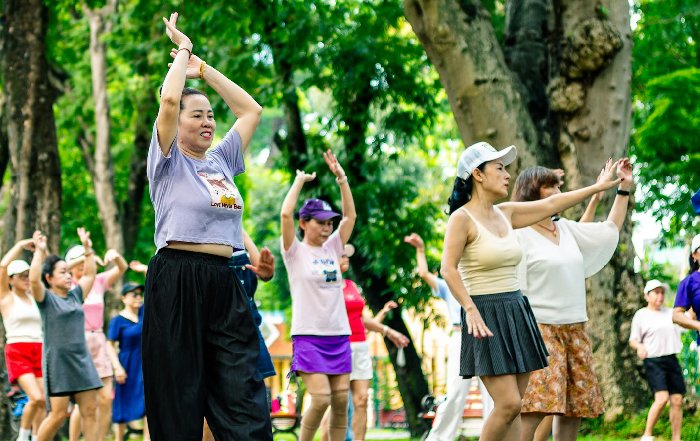
Across Asia, approaches to community and fitness are deeply influenced by tradition, collectivist values and rapid technological adoption. In China, early-morning group exercise in public squares, including tai chi, dance and calisthenics, remains a visible expression of community health, particularly among older adults. These practices reflect a longstanding cultural emphasis on harmony, balance and preventive health, which aligns with the growing interest in holistic wellness among younger generations. At the same time, the expansion of urban middle classes and the influence of global fitness trends have led to the proliferation of gyms, boutique studios and digital platforms in cities such as Beijing, Shanghai and Shenzhen. Analysts tracking these developments often consult sources like the World Economic Forum for insights into urbanization and health in Asia.
In Japan and South Korea, community fitness is shaped by both workplace culture and urban design. Japan's long history of workplace calisthenics, known as radio taiso, demonstrates how structured group exercise can be embedded into daily routines and corporate identity, even within demanding work environments. In South Korea, the popularity of hiking, group cycling and K-pop-inspired dance fitness reflects a blend of outdoor culture, entertainment and social media-driven communities. The rise of "fitness influencers" and group challenges on platforms such as Instagram, YouTube and TikTok has created new forms of virtual community that transcend national borders, with Korean and Japanese training methods influencing audiences from Singapore to London and New York.
Southeast Asia presents its own distinct patterns. In Thailand, Malaysia and Singapore, outdoor group exercise in parks and along waterfronts, combined with a growing market for boutique studios and wellness retreats, illustrates how tropical climates and tourism economies shape fitness culture. Governments and city planners in these countries have invested in park connectors, waterfront promenades and community sports facilities to encourage physical activity and social cohesion. For example, Singapore's emphasis on "Active, Beautiful, Clean Waters" reflects a policy vision that integrates environmental design with public health, which can be explored further through resources on urban sustainability and health.
Asia-Pacific is also a leading region for digital fitness innovation, with super-apps, wearables and AI-driven coaching platforms enabling highly personalized yet socially connected experiences. Providers integrate step challenges, group leaderboards and corporate wellness modules that allow companies to engage employees across multiple countries, time zones and languages. For professionals designing cross-border programs, this region demonstrates how technology can support culturally relevant community fitness while maintaining global standards of data privacy, safety and clinical validation. FitBuzzFeed readers focused on technology and training will recognize Asia-Pacific as a laboratory for future models of hybrid, community-based fitness.
Africa and the Middle East: Community Resilience and Emerging Fitness Economies
In Africa and parts of the Middle East, community and fitness are often shaped by informal networks, outdoor spaces and resourceful adaptations to limited infrastructure. In countries such as South Africa, Kenya and Ethiopia, running culture has global visibility due to the dominance of East African athletes in long-distance events, yet at the community level, group running clubs, township fitness initiatives and school-based sports programs play an equally important role in promoting health and social cohesion. Community-based organizations and NGOs frequently use sport and fitness as tools for youth development, crime prevention and gender empowerment, illustrating how physical activity can address broader social challenges. Professionals seeking to understand these dynamics may consult organizations such as UNICEF and UNESCO, which publish analyses on sport for development and peace.
Urban centers such as Cape Town, Johannesburg, Nairobi, Lagos and Cairo have seen a rise in commercial gyms, outdoor boot camps and wellness events that cater to a growing middle class and an increasingly health-conscious youth population. Social media has amplified these trends, enabling local trainers, entrepreneurs and brands to build communities that blend global fitness formats with regional music, culture and identity. For the FitBuzzFeed audience, this underscores the importance of recognizing Africa not only as an emerging market but as a source of innovation in low-cost, community-driven fitness models that can inform strategies in other regions.
In the Middle East, particularly in United Arab Emirates, Saudi Arabia and Qatar, ambitious national visions focused on diversification and public health have spurred investments in sports infrastructure, mega-events and community fitness initiatives. Large-scale events such as marathons, cycling festivals and fitness challenges have become tools for nation branding, tourism and citizen engagement, as well as vehicles for encouraging healthier lifestyles in populations facing rising rates of non-communicable diseases. Regional policymakers and investors often reference global guidelines on physical activity and non-communicable disease prevention to align their initiatives with international best practices.
For FitBuzzFeed readers interested in events and world developments, Africa and the Middle East demonstrate how community-based fitness can serve as both an economic opportunity and a tool for resilience, social inclusion and national identity, especially in rapidly changing societies.
Latin America: Social Energy, Outdoor Culture and Brand Engagement
In Latin America, particularly in Brazil, Argentina, Chile, Colombia and Mexico, fitness and community are often intertwined with music, dance and outdoor culture. In cities like Rio de Janeiro and São Paulo, outdoor gyms along beaches and in public parks provide accessible spaces for strength training, calisthenics and group classes, reflecting a cultural emphasis on social interaction, body expression and enjoyment of public space. Capoeira, samba, soccer and various dance-based fitness formats illustrate how traditional and contemporary practices can blend to create dynamic, community-centered movement experiences that resonate across age groups and social backgrounds.
Brands and organizations have recognized the potential of this social energy, using community fitness events, sponsored races and dance festivals as platforms for engagement and storytelling. Major sportswear and beverage companies frequently collaborate with local trainers, musicians and influencers to create immersive experiences that go beyond conventional advertising, positioning themselves as facilitators of community rather than mere product providers. For professionals analyzing brand strategy, Latin America offers a compelling example of how authenticity, cultural resonance and on-the-ground community building can drive loyalty in competitive markets. Those interested in broader economic context can explore analyses of sports and recreation markets in Latin America.
Public health challenges, including urban inequality and safety concerns, also influence how communities approach fitness. Grassroots organizations often step in to provide safe spaces for youth sport and physical activity, using football tournaments, dance workshops and mixed-gender training sessions to promote inclusion and reduce vulnerability. These initiatives align with global frameworks on health equity and social determinants of health, reinforcing the idea that community-based fitness is not only about physical performance but also about social cohesion and opportunity.
For the FitBuzzFeed community, which spans sports, wellness and brands, Latin America's approach highlights how powerful narratives, music and collective joy can be leveraged to build sustainable fitness cultures that speak to both local identity and global trends.
Workplace, Jobs and the Business of Community Fitness
Across all regions, the intersection of community, fitness and work has become a strategic priority for employers, policymakers and entrepreneurs. In 2026, organizations are increasingly judged not only on financial performance but also on their contributions to employee wellbeing and community health. Corporate wellness programs that once focused narrowly on gym discounts or biometric screenings are evolving into holistic ecosystems that include group challenges, mental health support, flexible schedules for exercise and partnerships with local or digital fitness communities. Employers in United States, United Kingdom, Germany, Australia and Singapore are particularly active in experimenting with hybrid models that blend on-site classes, remote participation and personalized coaching.
The labor market implications are significant. Professionals in fitness, health coaching, sports science and wellness technology are finding new career pathways in corporate settings, insurance firms, digital platforms and public institutions. For readers exploring career opportunities, FitBuzzFeed Jobs offers a lens into how roles in community management, wellness program design and fitness technology integration are gaining prominence. At the same time, the gig economy has expanded opportunities for trainers, physiotherapists and nutrition experts to build their own communities through social media, online platforms and pop-up events, raising important questions about worker protections, income stability and professional standards.
The business of community fitness is also driving innovation in data analytics, behavior change science and user experience design. Companies are investing in research partnerships with institutions such as Harvard T.H. Chan School of Public Health, Mayo Clinic and Stanford Medicine to understand how social support, habit formation and digital engagement can improve health outcomes. Professionals can deepen their understanding of these evidence-based approaches by reviewing research on behavioral science and physical activity. For FitBuzzFeed's business-focused audience, this convergence of science, technology and community underscores the importance of grounding products and services in credible, transparent evidence while respecting privacy and cultural differences.
Nutrition, Lifestyle and Holistic Community Wellness
Community approaches to fitness cannot be separated from broader lifestyle and nutrition patterns. In many cultures, shared meals, traditional diets and social rituals around food play as important a role in health as structured exercise. The Mediterranean diet in Italy, Spain and Greece, the emphasis on plant-based ingredients and fermented foods in parts of Japan and South Korea, and the growing interest in indigenous and whole-food traditions in North America, Australia and New Zealand all demonstrate how communities draw on heritage to shape contemporary wellness practices. For readers seeking to connect movement with nutrition, FitBuzzFeed Nutrition and FitBuzzFeed Wellness provide integrated perspectives on how dietary choices, recovery and lifestyle habits interact with physical training.
Global health authorities such as the Food and Agriculture Organization and World Health Organization continue to publish guidance on healthy diets and physical activity, which many governments and organizations use as reference points for public campaigns and workplace initiatives. However, successful implementation often depends on community-level adaptation, local food systems and cultural preferences. For example, community gardens, cooking classes and shared meal programs can reinforce fitness initiatives by making healthy choices more accessible and socially rewarding, while also addressing issues such as food insecurity and social isolation.
For FitBuzzFeed, which serves a diverse global readership with interests spanning lifestyle, physical training and health, the key insight is that sustainable fitness cultures are built at the intersection of movement, nutrition, mental health and social connection. Communities that integrate these dimensions tend to achieve better long-term outcomes, both at the individual level and in broader public health metrics.
Building Trustworthy, Culturally Intelligent Fitness Communities
As brands, employers, cities and digital platforms seek to engage diverse populations in community-based fitness, the principles of Experience, Expertise, Authoritativeness and Trustworthiness become essential. Audiences in United States, United Kingdom, Germany, Canada, Australia, France, Italy, Spain, Netherlands, Switzerland, China, Sweden, Norway, Singapore, Denmark, South Korea, Japan, Thailand, Finland, South Africa, Brazil, Malaysia and New Zealand increasingly expect transparency about credentials, evidence, data use and inclusivity. They look for trainers with recognized qualifications, programs grounded in reputable research and platforms that protect privacy while offering meaningful community features.
Trusted organizations such as American College of Sports Medicine, National Health Service, Canadian Society for Exercise Physiology and Australian Institute of Sport provide guidelines and standards that can inform program design and consumer decisions. Professionals and consumers alike can explore these frameworks and learn more about safe, effective training principles to ensure that community fitness initiatives prioritize safety, inclusivity and long-term health over short-term trends or extreme practices.
For FitBuzzFeed, maintaining trust means curating information that reflects global diversity while upholding rigorous standards of accuracy and relevance. Whether covering a community running initiative in Berlin, a workplace wellness program in Toronto, a digital yoga collective in Bangalore or an outdoor calisthenics movement in Cape Town, the platform's role is to connect readers with credible insights, practical strategies and inspiring examples that respect local culture and individual agency.
The Future of Community and Fitness: Local Roots, Global Connections
Looking ahead from 2026, the future of community and fitness appears both more local and more global. Local, because the most effective initiatives are rooted in the specific needs, histories and aspirations of communities, drawing on familiar spaces, languages, traditions and social networks. Global, because digital platforms, international events and cross-border collaborations allow ideas, formats and best practices to circulate at unprecedented speed, enabling a running club in Stockholm to inspire a similar initiative in Johannesburg, or a mindfulness-based training method from Seoul to influence workplace wellness in San Francisco.
For the FitBuzzFeed audience, the opportunity lies in understanding and leveraging this duality. Businesses can design products and services that are globally scalable yet locally adaptable. Employers can create wellness strategies that respect cultural differences while aligning with universal principles of health and safety. Individuals can draw inspiration from global trends while choosing practices that fit their personal context, community and goals. Readers who wish to explore these intersections further can navigate the broader ecosystem of FitBuzzFeed, from fitness and sports to business and world coverage.
Ultimately, the way different cultures approach community and fitness reveals a shared human aspiration: to move, connect and thrive together. Whether in the parks of London, the streets of Bangkok, the beaches of Sydney, the plazas of Madrid or the townships of Cape Town, communities are continually reinventing how they stay active and support one another. For organizations, professionals and everyday participants, recognizing and respecting this diversity is not only a matter of cultural sensitivity but a strategic advantage in building healthier, more resilient societies.