

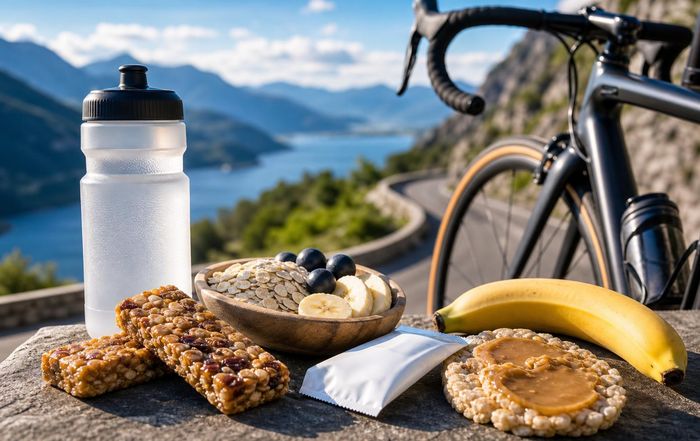
How to Fuel Long Bike Rides Without Digestive Discomfort :)
Stomach cramps, gas, or an urgent dash to the nearest bathroom can ruin a long bike ride faster than a headwind. Yet most endurance cyclists know they need to eat and drink steadily to avoid bonking. The challenge is finding a fueling strategy that supports performance without upsetting the gut. This relaxing guide brings together current sports nutrition research and practical experience from endurance sport to explain why digestive issues happen on the bike, how to prevent them, and what to eat and drink before, during, and after long rides so your stomach stays as steady as your cadence.
Why Long Rides Upset Your Stomach in the First Place
During prolonged exercise, blood flow is redirected away from your digestive system toward your working muscles and skin (for cooling). This "gut ischemia" makes digestion slower and more fragile. At the same time, jostling from the bike, changes in breathing, and heat stress can all add to discomfort. Research summarized by organizations such as the American College of Sports Medicine (ACSM) and International Olympic Committee indicates that 30-70% of endurance athletes report some form of gastrointestinal (GI) distress during training or competition.
Common triggers include high intake of concentrated simple sugars, especially fructose-only sources; very high fiber or fat before riding; large pre-ride meals eaten too close to the start; dehydration or overhydration; and unfamiliar sports products. Caffeine, artificial sweeteners, and certain sugar alcohols can also be problematic for some riders. Understanding these mechanisms makes it easier to design a fueling plan that's kind to your gut while still providing enough energy for performance.
For riders who train frequently or competitively, it can be worth tracking symptoms along with what you eat and drink, the weather, and ride intensity. This kind of basic self-monitoring, alongside general guidance from sports nutrition bodies like USA Cycling (usacycling.org) or British Cycling (britishcycling.org.uk), can help you identify your personal triggers and tolerances more quickly.
Set Your Energy and Carb Targets Before You Tinker With Foods
Before stressing about which specific bar or gel to buy, it helps to know roughly how much carbohydrate and fluid you actually need. Endurance exercise relies heavily on glycogen and blood glucose; once those deplete, you hit the classic "bonk" or feel sudden fatigue and loss of power. For rides longer than about 90 minutes, most sports nutrition guidelines recommend aiming for:
Around 30-60 grams of carbohydrate per hour for moderate endurance rides.
Up to 60-90 grams of carbohydrate per hour for high-intensity or race-pace efforts lasting several hours, especially if you're well trained.
These ranges are supported by consensus statements from groups like the International Olympic Committee and World Athletics (worldathletics.org). Hitting the upper end usually requires combining different carbohydrate sources (for example, glucose and fructose) to use multiple absorption pathways in the gut. However, jumping straight to 90 grams per hour without practice is a recipe for bloating and nausea for many riders.
A practical approach is to start at about 30-40 grams per hour on long rides and gradually increase by 10 grams per hour over several weeks, paying attention to symptoms. Tools such as energy calculators from Gatorade Sports Science Institute (gssiweb.org) or guidance from Sports Dietitians Australia (sportsdietitians.com.au) can help estimate your needs based on body size, pace, and environment. Once you know your target range, you can build a gut-friendly plan to reach it.
For riders who want to integrate fueling with broader training planning, resources on structured endurance programs at training and physical performance can help connect nutrition with workload and recovery.
Pre-Ride Nutrition: Arrive on the Bike With a Calm, Topped-Up Gut
What you eat in the 3-4 hours before rolling out sets the stage for how your stomach behaves later. The goal is to start with full glycogen stores, stable blood sugar, and minimal digestive workload once you begin riding.
A pre-ride meal 2-4 hours before the start generally works well for most people. It should be rich in easily digestible carbohydrates, moderate in protein, low to moderate in fat, and relatively low in fiber. Examples include white rice with eggs, oatmeal made with milk and banana, or a bagel with a thin spread of nut butter and some fruit. Athletes prone to GI trouble often do better with lower-fiber options such as white bread or rice rather than dense whole grains right before a big effort.
If your schedule only allows a small snack 60-90 minutes before the ride, keep it even simpler: a banana, a small yogurt (if you tolerate dairy), a slice of toast with honey, or a commercial sports bar you know sits well. Large, high-fat meals (like fried foods, heavy cheese, or creamy sauces) and very high-fiber foods (big salads, large portions of beans, or bran cereals) in the 3-5 hours before riding are common culprits for cramps and urgent bathroom stops.
Hydration also starts before you clip in. Drinking small amounts of fluid regularly in the hours leading up to the ride is better than chugging a large bottle right before you leave, which can contribute to sloshing and discomfort. Guidance from bodies such as the U.S. National Institutes of Health (nih.gov) and European Food Safety Authority (efsa.europa.eu) emphasizes total daily fluid balance rather than aggressive pre-loading for most recreational athletes. If you tend to sweat heavily or will be riding in heat, a light electrolyte drink beforehand can help, but avoid overly concentrated mixes.
For broader lifestyle context on how your usual eating pattern affects training days, readers can explore related topics in nutrition and health.
Carbs on the Bike: Choosing Gut-Friendly Fuel Sources
Once you're on the road or trail, the key is to deliver those 30-90 grams of carbohydrate per hour in a form your gut can handle while blood flow is diverted to your legs. Carbs during exercise come from three main categories: drinks, gels or chews, and solid foods. Each has pros and cons for digestion.
Sports drinks and carbohydrate-electrolyte solutions are often the easiest to tolerate because they provide fluid, sodium, and carbs in a relatively dilute form. Many commercially available drinks are formulated around 6-8% carbohydrate concentration, which research from groups like Gatorade Sports Science Institute suggests is a sweet spot for both absorption and GI comfort for most athletes. However, some riders find certain formulations too sweet or experience issues with high-fructose blends. Reading labels and testing different brands during training, not on race day, is important.
Gels and chews are more concentrated and convenient for carrying larger amounts of carbohydrate, but their higher osmolality (concentration) can draw water into the gut and cause cramping or diarrhea if not taken with enough fluid. A general rule is to follow each gel with several mouthfuls of water rather than sports drink, to avoid stacking too much sugar at once. Some products now use mixed carbohydrate sources (for example, maltodextrin plus fructose) to enhance absorption; these can be beneficial but still require individual testing. Organizations like UK Sport (uksport.gov.uk) and national cycling federations often provide general guidance on using sports products, but personal experimentation remains essential.
Solid foods-bananas, rice cakes, simple sandwiches, low-fiber energy bars-can be more satisfying on very long, lower-intensity rides, where your heart rate stays relatively modest and digestion can keep up. Many ultra-distance riders rely heavily on "real food," but even then, they usually favor low-fiber, low-fat, and low-protein options during the ride itself. High-fat pastries, heavy trail mix, or large portions of dried fruit can be difficult to process at tempo or threshold intensity.
For riders who enjoy experimenting with homemade fuel, balancing taste with digestibility is crucial. Small rice cakes with a bit of egg or cheese, boiled potatoes with a sprinkle of salt, or simple jam sandwiches on white bread are classic examples in the endurance world. More creative approaches can be explored as long as they're introduced gradually and tested on training rides, not during important events.
Fluids and Electrolytes: Avoid Both Dehydration and Overdrinking
Hydration status is one of the biggest determinants of GI comfort during long rides. Dehydration reduces blood volume and further restricts blood flow to the gut, increasing the risk of cramping and nausea. On the other hand, overdrinking, especially plain water without electrolytes, can lead to stomach sloshing, frequent urination, and in rare cases hyponatremia (dangerously low blood sodium).
Most sports nutrition guidelines, including those from the National Athletic Trainers' Association (nata.org) and World Health Organization (who.int), suggest aiming to limit body mass loss during exercise to no more than about 2% of starting weight, while also avoiding weight gain from excessive drinking. Because sweat rates vary widely by individual, environment, and intensity, a personalized approach works best. Weighing yourself before and after a few long training rides (with consistent clothing and conditions) can give you a rough idea of how much fluid you typically lose per hour.
As a starting point, many cyclists do well with roughly 400-800 ml of fluid per hour in temperate conditions, adjusting up in heat and down in cooler weather. Including some sodium-either via sports drinks, electrolyte tablets, or salty snacks-helps maintain fluid balance and may reduce the risk of cramping for some riders, though cramp causes are multifactorial. Plain water is fine for shorter or cooler rides, but for efforts longer than about 90-120 minutes, especially in warm conditions, adding electrolytes becomes more important.
From a gut perspective, sipping steadily is better than gulping large amounts at once. Pairing fluids with your carbohydrate intake-such as finishing a bottle each hour that provides both electrolytes and 20-30 grams of carbs-can simplify your plan and reduce the chances of overconcentrated sugar hitting your stomach. Riders interested in a deeper dive into hydration and environment can also look at resources on wellness and world climate and heat discussions, which increasingly intersect with endurance sport.
Timing and Pacing Your Intake to Keep the Gut Happy
Even the best food choices can cause issues if you take them in erratically. The gut tends to handle a steady trickle of carbohydrate and fluid better than large, sporadic doses. Instead of eating a big bar once every 90 minutes, many cyclists find it more comfortable to consume smaller amounts every 15-20 minutes, aligning bites or sips with landmarks, timer alerts, or laps on a cycling computer.
Intensity matters as well. Digestion is more compromised at high intensities, so it often works better to eat just before or after hard intervals, not during them. On rolling terrain, taking in fuel on flatter or gentler sections, when your breathing is more controlled, can reduce the risk of nausea. If you know a long climb is coming, getting a small carb dose in 10-15 minutes beforehand-while the road is still relatively easy-may be smarter than trying to swallow a gel mid-climb when your heart rate is near max.
Paying attention to early warning signs from your gut can help you adjust in real time. A sense of fullness, mild cramping, or increasing nausea may indicate that you're taking in too much too fast, or that your drinks are too concentrated. In that case, backing off solid foods for 20-30 minutes, focusing on water or a more dilute drink, and easing intensity slightly can often allow symptoms to settle. Conversely, feeling suddenly weak, irritable, or light-headed may signal under-fueling, in which case a small, quick-absorbing carb source (like a gel with water) can help.
Training Your Gut: Why Practice Makes Digesting Easier
Just as muscles adapt to training, the gut can adapt to regular carbohydrate intake during exercise. Several studies cited by organizations like World Athletics and ACSM suggest that gradually increasing carbohydrate intake during training can enhance the intestine's ability to absorb and tolerate higher amounts with fewer symptoms. This concept of "gut training" is especially relevant for riders who aim to reach the higher 60-90 grams per hour range during long events.
In practice, gut training means deliberately practicing your race-day or big-ride fueling strategy on many of your longer training rides, not just winging it. Start with a conservative intake-perhaps 30 grams of carbs per hour-and if tolerated well, increase by about 10 grams per hour every week or two until you reach your target. Use the same or similar products and foods you plan to use in events, and keep notes on what works and what does not.
It also helps to train in varied conditions. Your gut may respond differently in hot weather, at higher altitudes, or under higher intensity. By rehearsing your fueling plan across these conditions, you reduce the chances of unwelcome surprises on the day that matters. Riders who frequently race or do organized events can explore additional performance-focused content in sports and fitness, where fueling strategies tie directly into pacing and event demands.
If GI issues are persistent or severe despite careful gut training, consulting a sports dietitian or physician is wise. Professional guidance, potentially including screening for conditions such as celiac disease, lactose intolerance, or inflammatory bowel disease, can identify medical contributors that basic adjustments cannot fix.
Common GI Triggers on the Bike-and Smarter Alternatives
Certain ingredients and habits show up repeatedly in cyclists' GI horror stories. While individual tolerance varies, being aware of common culprits can help you troubleshoot.
Very high fiber before a ride-large salads, big bowls of beans, or heavy whole-grain cereals-can leave undigested material in the gut that continues to ferment and cause gas and urgency once you start riding. That does not mean fiber is bad overall; in fact, organizations like the World Health Organization and Harvard T.H. Chan School of Public Health (hsph.harvard.edu) emphasize fiber's long-term health benefits. The key is timing: keep your everyday diet fiber-rich, but taper the most fibrous foods in the 12-24 hours before particularly long or intense rides if you're prone to issues.
High-fat and greasy foods slow gastric emptying and can linger in the stomach, especially when combined with exercise. Burgers, fried foods, heavy cheeses, and cream-based sauces shortly before or during a ride are frequent offenders. Swapping these for leaner options-grilled chicken, low-fat yogurt, simple nut butters in small amounts-can often make a noticeable difference.
Highly concentrated sugar sources, especially those high in fructose without accompanying glucose, can overwhelm intestinal transporters and draw water into the gut, leading to diarrhea. Large amounts of fruit juice, soft drinks, or honey-only products mid-ride can be risky for sensitive riders. Choosing products that use mixed carbohydrates (like maltodextrin plus fructose) and sticking to recommended serving sizes helps.
Sugar alcohols and some artificial sweeteners, such as sorbitol, xylitol, and mannitol, are poorly absorbed and can cause gas and diarrhea even at rest. Many "sugar-free" gums, candies, and some low-calorie sports products contain them. Checking labels and avoiding heavy sugar alcohol intake on ride days is prudent. Similarly, caffeine, while performance-enhancing for many, can stimulate the bowel. If you're sensitive, it may be better to limit caffeine to a single pre-ride coffee or to lower-dose caffeinated products, rather than stacking multiple caffeinated gels and drinks over several hours.
Special Considerations: Heat, Altitude, and Sensitive Stomachs
Environmental and individual factors can magnify GI challenges. Hot weather increases blood flow to the skin for cooling and raises sweat rates, which can exacerbate dehydration and gut ischemia. In such conditions, you may need to slightly reduce carbohydrate concentration in drinks, increase total fluid and sodium intake, and be extra cautious about high-fat or high-fiber foods. Cooling strategies-light clothing, shaded routes, and starting earlier in the day-can indirectly protect your gut by reducing overall strain.
At altitude, reduced oxygen availability can further compromise digestion and appetite. Riders traveling to mountainous training camps or events may find that their usual fueling plan feels too heavy. Starting with lower intakes and gradually building up over several days at altitude, while prioritizing hydration and simple carbs, can help. Sports medicine bodies such as FIFA Medical (fifa.com) and IOC provide general altitude guidance that also applies to cyclists.
Some people have inherently more sensitive digestive systems, including those with irritable bowel syndrome (IBS) or food intolerances. For these riders, working with a dietitian familiar with low-FODMAP approaches or other targeted strategies can be valuable. Organizations like Monash University (monash.edu) have done extensive research on FODMAPs and exercise-related GI distress, showing that reducing certain fermentable carbohydrates before key sessions can lower symptoms in susceptible athletes. However, such approaches should be individualized to avoid unnecessary dietary restriction.
Recovery Fuel: Helping Your Gut Bounce Back After Long Rides
Digestive comfort does not end when you unclip. What you eat and drink in the hours after a long ride influences how quickly your gut and muscles recover for the next session. Immediately after exercise, the gut may still be somewhat compromised, so starting with easily digestible foods and fluids is wise.
A recovery snack or meal within about 1-2 hours that combines carbohydrates to replenish glycogen and protein to support muscle repair is generally recommended by organizations such as The American College of Sports Medicine and Dietitians of Canada (dietitians.ca). Examples include yogurt with fruit, a smoothie made with milk or a plant-based alternative, banana and peanut butter on toast, or a simple rice bowl with lean meat or tofu. If solid food sounds unappealing right away, starting with a smoothie or recovery drink and following up with a more substantial meal later can be easier on the stomach.
Hydration continues post-ride as well. Replacing lost fluids gradually, preferably with some sodium in the form of an electrolyte drink or salty foods, helps restore balance without overwhelming the stomach. Alcohol immediately after long, hot rides can worsen dehydration and irritate the gut, so delaying or minimizing it is generally better, particularly if you struggle with GI issues.
Over the longer term, a balanced diet rich in fruits, vegetables, whole grains, and fermented foods supports a diverse, resilient gut microbiome, which may in turn improve tolerance to exercise stress. For those interested in the broader connection between everyday diet, general health, and performance, the lifestyle and wellness sections offer additional context on building sustainable habits.
Putting It All Together: A Sample Gut-Friendly Fueling Plan
Translating principles into practice can help you design your own plan. Consider a 4-hour moderate-intensity ride for a recreational cyclist:
The evening before: A balanced dinner of white rice, grilled chicken, cooked vegetables, and a small dessert. Normal fluid intake, no extreme loading.
3 hours before: Breakfast of oatmeal made with milk, a banana, and a small handful of nuts. One glass of water and perhaps a light electrolyte drink if it's hot.
30-60 minutes before: A small snack if needed, such as half a bagel with jam or a small yogurt, plus a few sips of water.
During the ride: Aim for 40-50 grams of carbohydrate per hour and 500-700 ml of fluid per hour, adjusted for heat. For example, each hour might include one bottle of sports drink (about 20-25 grams of carbs) plus one small bar or half a banana and a few chews (another 20-25 grams). Take small bites or sips every 15-20 minutes.
After the ride: Within an hour, a smoothie with fruit and yogurt or milk, followed by a full meal later with carbs, protein, and vegetables.
From there, you would tweak based on your own body size, sweat rate, intensity, and gut feedback. Some riders will prefer more solids, others more liquid calories; some will tolerate higher carb intakes, others will feel better at the lower end of the range. The structure-steady intake, moderate concentrations, and pre-tested foods-remains the same.
For those who combine cycling with other sports or strength work, integrating this kind of plan with broader training and nutrition strategies can be explored through the top fitness and training resources. Finding a fueling approach that keeps you energized without digestive discomfort is less about a single "perfect" product and more about matching your carb, fluid, and electrolyte needs with foods and drinks your gut can handle, then practicing that plan until it feels routine. By respecting both the science of endurance nutrition and the individuality of your own digestion, long rides can become a test of your legs and lungs-not your stomach.