

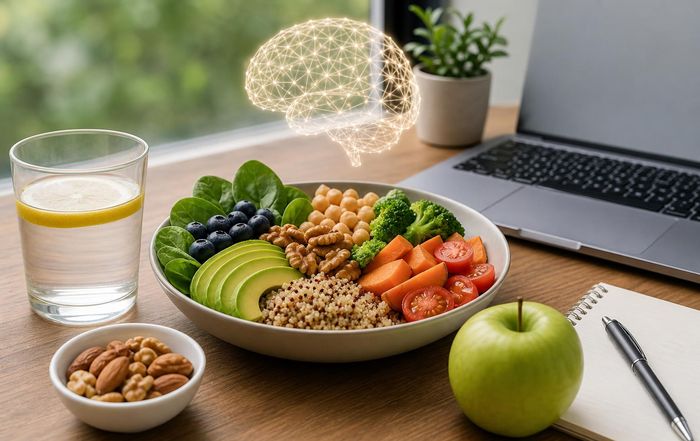
Healthy Eating Habits for Better Focus and Stamina! Let's Go.
Healthy eating has long been framed as a path to weight management and disease prevention, yet in 2026 an increasing share of professionals, athletes and knowledge workers are reframing nutrition as a performance tool, directly tied to mental focus, emotional balance and physical stamina. For the fit and happy global community that turns to FitBuzzFeed for daily insight on sports, fitness, health and high-performance living, nutrition is no longer a passive backdrop but a strategic asset that determines how clearly they think, how long they can sustain effort and how well they recover from everyday stressors. This shift is supported by a growing body of research from organizations such as Harvard T.H. Chan School of Public Health, World Health Organization, U.S. National Institutes of Health, European Food Safety Authority and leading sports science institutes that now treat food as a central lever for cognitive and physical resilience rather than a narrow clinical variable.
Why Focus and Stamina Start on the Plate
In an era where remote work, digital overload and global competition demand sustained attention and energy, the connection between nutrition and performance has become impossible to ignore. Research from institutions like Harvard Health Publishing has repeatedly highlighted how blood sugar stability, micronutrient adequacy, hydration and gut health all influence neurotransmitter production, inflammation and vascular function, which in turn shape concentration, reaction time and fatigue. For readers across North America, Europe, Asia and beyond who follow FitBuzzFeed for guidance on health, fitness and wellness, this science translates into a simple but powerful truth: the quality, timing and composition of daily meals can either sharpen or dull their ability to perform in sport, business and everyday life.
This perspective is particularly relevant in countries such as the United States, United Kingdom, Germany, Canada and Australia, where ultra-processed foods and high sugar intake remain prevalent despite public health campaigns. Global data compiled by the World Health Organization and accessible through resources such as the WHO nutrition pages show that diets high in refined carbohydrates and low in fiber and essential nutrients are associated not only with metabolic disease but also with increased fatigue, mood instability and impaired cognitive function. The implication for high performers is clear: those who treat nutrition as a daily performance system, rather than an occasional diet, are better positioned to maintain focus and stamina throughout long workdays, training cycles and travel schedules.
The Science of Energy: Blood Sugar, Brain Fuel and Endurance
At the core of sustained focus and stamina lies the body's ability to regulate energy supply, particularly glucose, which is the primary fuel for the brain. Rapid spikes and crashes in blood sugar, often triggered by meals heavy in refined carbohydrates and added sugars, can lead to cycles of hyperactivity followed by lethargy, difficulty concentrating and irritability. Organizations such as the American Diabetes Association and Centers for Disease Control and Prevention have emphasized through resources like the CDC nutrition guidance that stable blood sugar is not only a concern for people with diabetes but a fundamental pillar of long-term health and daily performance for everyone.
Complex carbohydrates from whole grains, legumes, vegetables and fruits provide a slower, more sustained release of glucose, which supports consistent mental clarity and physical endurance. Combining these carbohydrates with lean proteins and healthy fats further moderates digestion and absorption, creating what sports nutrition experts at bodies like the International Olympic Committee describe as an optimal fuel mix for athletes and active professionals. Readers who follow FitBuzzFeed for sports and training insights can apply this by structuring meals so that no single component dominates; instead, each meal becomes a balanced blend that keeps energy steady from mid-morning meetings to late-afternoon workouts.
The brain's energy metabolism is also influenced by micronutrients such as B vitamins, magnesium, iron and omega-3 fatty acids, which support mitochondrial function, oxygen transport and neurotransmitter synthesis. Public resources from the National Institutes of Health Office of Dietary Supplements, including the NIH nutrient fact sheets, outline how deficiencies in these nutrients can manifest as fatigue, poor concentration and reduced physical capacity long before more serious clinical symptoms appear. For knowledge workers in Singapore, software engineers in Sweden or entrepreneurs in Brazil, these subtle deficits can erode productivity and resilience in ways that are easy to misattribute to stress or lack of sleep alone.
Building a Focus-Friendly Plate: Macronutrients with a Purpose
Designing meals that support better focus and stamina begins with a deliberate approach to macronutrients-carbohydrates, proteins and fats-so that each plays a defined role rather than being consumed haphazardly. Carbohydrates should be prioritized from sources such as oats, quinoa, brown rice, beans, lentils, root vegetables and whole fruits, which offer fiber and phytonutrients alongside energy. These foods help maintain stable blood sugar and provide the slow-release fuel that is particularly valuable for long meetings, extended study sessions and endurance training. Those seeking deeper guidance on carbohydrate quality can review educational content from organizations like The Nutrition Source at Harvard T.H. Chan School of Public Health, which explains how glycemic index and fiber content interact to influence energy levels and satiety.
Protein serves dual roles in this context: it supports muscle repair and growth, which is essential for athletes and physically active individuals, and it also contributes to satiety and blood sugar stability, which are crucial for sustained concentration. Whether sourced from fish, poultry, eggs, dairy, tofu, tempeh, legumes or carefully selected plant-based products, protein should be present at each main meal and many snacks to prevent energy dips and cravings. For readers following the latest trends in sports performance and physical training on FitBuzzFeed, this approach aligns with guidance from sports science organizations such as Australian Institute of Sport and UK Sport, which emphasize distributed protein intake across the day rather than concentrating it in a single meal.
Healthy fats, particularly monounsaturated and polyunsaturated fats from olive oil, nuts, seeds, avocados and fatty fish, support brain structure, hormone production and anti-inflammatory pathways. Omega-3 fatty acids, widely studied by institutions like Cleveland Clinic, which offers accessible overviews on omega-3 benefits, have been linked to improved cognitive performance and mood regulation. For professionals managing high-pressure roles in finance, technology or healthcare, incorporating these fats can help buffer the physiological impact of chronic stress and support clearer thinking during demanding periods.
Micronutrients, Brain Health and Cognitive Performance
Beyond macronutrients, a growing body of research in nutritional neuroscience underscores the importance of specific vitamins, minerals and phytonutrients for optimal brain function. B vitamins, including B6, B9 (folate) and B12, play central roles in energy metabolism and the synthesis of neurotransmitters such as dopamine and serotonin, which influence motivation, mood and concentration. Iron and zinc are critical for oxygen transport and neural communication, while magnesium participates in hundreds of enzymatic reactions related to energy production and nervous system regulation. Authoritative bodies such as European Food Safety Authority and National Health Service in the UK, which maintain comprehensive resources like the NHS nutrition advice, consistently highlight the need for varied, minimally processed diets to secure adequate intake of these micronutrients.
For the global FitBuzzFeed audience interested in nutrition and performance, this means that colorful, plant-rich meals are not merely a lifestyle trend but a strategic choice. Dark leafy greens, berries, citrus fruits, cruciferous vegetables, nuts, seeds and herbs deliver a spectrum of antioxidants and polyphenols that protect brain cells from oxidative stress, which can be exacerbated by intense training, long work hours or exposure to polluted urban environments. Emerging research from institutions such as University College London and Karolinska Institutet is exploring how these compounds may support neuroplasticity and long-term cognitive resilience, suggesting that today's daily food choices may influence not only immediate focus but also future brain health.
Hydration, Electrolytes and Mental Clarity
While food often dominates discussions about focus and stamina, hydration status is equally critical and frequently neglected. Even mild dehydration, as documented by studies summarized by organizations like Mayo Clinic, can impair attention, working memory and mood, leading to reduced performance in tasks that require sustained concentration. For athletes and active individuals who follow FitBuzzFeed for sports and lifestyle coverage, the stakes are even higher, as fluid losses through sweat can accumulate rapidly during training, competition or outdoor work.
Water should form the foundation of hydration, complemented when necessary by beverages that provide electrolytes such as sodium, potassium and magnesium, particularly in hot climates or during prolonged physical activity. However, many commercial sports drinks contain added sugars that can undermine blood sugar stability and contribute to energy crashes. Guidance from organizations like Sports Dietitians Australia and American College of Sports Medicine, which can be explored through resources such as the ACSM hydration recommendations, suggests tailoring electrolyte intake to individual sweat rates and activity levels rather than adopting a one-size-fits-all approach. For knowledge workers and students, a simple habit of keeping water within arm's reach and consuming it consistently throughout the day can significantly reduce mid-afternoon fatigue and headaches that are often misattributed to workload alone.
Timing and Rhythm: When Eating Matters as Much as What
The timing of meals and snacks exerts a powerful influence on focus and stamina, particularly in a world where workdays stretch across time zones and many people adopt flexible or hybrid schedules. Skipping breakfast or delaying the first meal of the day until late morning, whether by choice or due to rushed routines, can leave the brain under-fueled during critical early hours of problem-solving and decision-making. While some individuals thrive on structured intermittent fasting protocols, evidence summarized by organizations such as Johns Hopkins Medicine, available via resources like the Johns Hopkins intermittent fasting overview, suggests that the cognitive impact of fasting varies significantly by person, workload and training demands.
For the diverse FitBuzzFeed readership spanning Europe, Asia, Africa and the Americas, a pragmatic approach involves establishing predictable eating windows that align with personal energy peaks and professional obligations. Consuming a balanced meal or substantial snack containing complex carbohydrates, protein and healthy fats two to three hours before important meetings, exams or training sessions can provide steady fuel without causing sluggishness. Similarly, planning smaller, nutrient-dense snacks-such as fruit paired with nuts or yogurt with seeds-every three to four hours helps prevent the energy troughs that often lead to impulsive snacking on sugary or ultra-processed foods. This rhythm is particularly valuable for shift workers, healthcare professionals and logistics staff, who can find tailored advice on work-related health and jobs performance through the broader FitBuzzFeed ecosystem.
Global Perspectives: Cultural Diets and Performance
Healthy eating for focus and stamina does not require abandoning cultural food traditions; in many cases, traditional dietary patterns offer powerful models for performance-oriented nutrition. The Mediterranean diet, widely studied by organizations such as UNESCO and American Heart Association, and detailed through resources like the AHA Mediterranean diet overview, emphasizes whole grains, legumes, vegetables, fruits, olive oil, nuts and fish, with modest amounts of dairy and meat. This pattern, common in countries such as Italy, Spain, France and Greece, has been associated with better cardiovascular health, lower inflammation and improved cognitive outcomes, all of which support sustained mental and physical performance.
In Asia, traditional Japanese and Korean diets, rich in fish, sea vegetables, fermented foods, rice and seasonal produce, provide another blueprint for balanced energy and gut health, as explored by institutions like National Center for Global Health and Medicine in Japan. Similarly, Nordic dietary patterns, which emphasize whole grains such as rye and barley, root vegetables, berries and fatty fish, have been recognized by researchers at University of Copenhagen and others for their potential to improve metabolic and cognitive health. For readers in South Africa, Brazil, Malaysia and other emerging markets, drawing on local staples such as beans, lentils, sorghum, cassava, plantains, leafy greens and tropical fruits can offer nutrient density and energy stability that rival more widely publicized Western diets. The common thread across these traditions, as reflected in guidance from the Food and Agriculture Organization of the United Nations and visible in resources like the FAO healthy diets portal, is an emphasis on minimally processed foods, diversity of plant-based ingredients and mindful use of animal products.
Nutrition, Stress and the Modern Work Environment
The modern work environment, shaped by rapid technological change, global connectivity and continuous information flows, places unprecedented demands on attention and emotional regulation. Chronic stress, whether from deadlines, financial pressure or geopolitical uncertainty, can alter appetite, disrupt digestion and increase cravings for high-sugar, high-fat comfort foods. Over time, this pattern creates a feedback loop in which poor nutrition exacerbates stress-related fatigue, mood swings and cognitive fog. Mental health organizations such as Mind in the UK and Canadian Mental Health Association, which share accessible resources like the Mind food and mood guide, have emphasized the bidirectional relationship between diet and mental well-being.
For business leaders, managers and entrepreneurs who follow FitBuzzFeed for business and news insights, this relationship has practical implications for organizational performance and culture. Companies that provide access to balanced meals, healthy snacks and nutrition education can help employees maintain better focus, resilience and engagement, particularly in high-stress sectors such as finance, technology and healthcare. In regions like Singapore, Denmark, Sweden and the Netherlands, where workplace wellness programs are increasingly linked to corporate strategy, nutrition is emerging as a key pillar of sustainable productivity. Those seeking to design or evaluate such programs can explore global frameworks for workplace health promotion through organizations like the World Economic Forum and International Labour Organization, which share resources on healthy workplaces.
Technology, Data and Personalized Nutrition
By 2026, technology has deeply reshaped how individuals approach healthy eating for focus and stamina. Wearable devices, continuous glucose monitors, smart scales and nutrition-tracking applications provide real-time data on how specific foods influence blood sugar, heart rate variability, sleep quality and training recovery. Research initiatives led by institutions such as Stanford University, MIT and Imperial College London are exploring how artificial intelligence can integrate these data streams to generate personalized nutrition recommendations that go far beyond generic dietary guidelines. For the tech-savvy segment of the FitBuzzFeed community, which regularly engages with technology and performance content, this emerging field offers both opportunities and challenges.
On one hand, personalized insights can help individuals in diverse regions-from the United States and Canada to Japan and South Korea-fine-tune their eating habits to support optimal focus and stamina based on their unique physiology, work patterns and training loads. On the other hand, over-reliance on data without appropriate context or professional guidance can lead to confusion, anxiety or unsustainable rigidity. Reputable organizations such as Academy of Nutrition and Dietetics in the United States and British Dietetic Association in the UK, which maintain evidence-based resources like the Eatright.org consumer hub, consistently advise combining digital tools with qualified professional support, particularly for individuals managing medical conditions or high-performance athletic goals.
Integrating Nutrition with Movement, Sleep and Recovery
Healthy eating habits do not operate in isolation; they interact with physical activity, sleep quality and recovery practices in ways that jointly determine focus and stamina. Regular movement, whether through structured training, commuting by bicycle or active breaks during the workday, improves insulin sensitivity, cerebral blood flow and mood, all of which amplify the benefits of a nutrient-dense diet. For readers seeking integrated guidance on fitness, wellness and events that support an active lifestyle, FitBuzzFeed serves as a platform where nutrition is consistently framed alongside exercise, mental health and recovery rather than in isolation.
Sleep, often sacrificed in high-pressure careers and academic paths, plays a critical role in appetite regulation and energy metabolism. Short or poor-quality sleep disrupts hormones such as leptin and ghrelin, increasing hunger and cravings for high-calorie, low-nutrient foods, which in turn undermine focus and stamina the following day. Organizations like National Sleep Foundation and Sleep Foundation, which provide educational content such as the Sleep Foundation nutrition and sleep guide, emphasize that consistent sleep schedules, light exposure management and pre-sleep eating habits all contribute to a virtuous cycle where nutrition and rest reinforce each other. For athletes, shift workers and global travelers, aligning meal timing with circadian rhythms becomes an advanced but valuable strategy for maintaining performance across time zones and irregular schedules.
A Strategic, Positive Path Forward
For the worldwide audience of FitBuzzFeed, spanning continents and professions but united by a commitment to better health, performance and quality of life, healthy eating for focus and stamina is best understood as an ongoing strategic practice rather than a short-term diet. It involves selecting minimally processed, nutrient-dense foods; balancing macronutrients to stabilize energy; paying attention to micronutrient adequacy and hydration; respecting cultural food traditions while integrating scientific insights; and aligning meal timing with work, training and sleep patterns. It also requires critical evaluation of information sources, favoring guidance from reputable organizations such as World Health Organization, Harvard T.H. Chan School of Public Health, National Institutes of Health, European Food Safety Authority and national health services over unverified social media trends.
As readers explore more performance-oriented original content here, from world developments in public health policy to emerging brands in functional foods and supplements, the unifying principle remains the same: trust is built on transparent evidence, practical application and respect for individual context. Healthy eating habits that enhance focus and stamina are not about perfection or restriction; they are about consistent, informed choices that align with personal goals, cultural identity and the realities of modern life. By integrating these principles into daily routines, individuals in the Australia, France, Italy, Spain, Netherlands, Switzerland, China and beyond can transform food from a background variable into a reliable, empowering driver of clarity, endurance and long-term well-being.
For those who wish to deepen this journey, the broader platform at fitbuzzfeed.com offers a continuously evolving ecosystem of insights each day on fitness, health, nutrition, technology, jobs and lifestyle, curated to help a global audience make evidence-informed choices that support both immediate performance and sustainable, resilient living.