

From Singapore to Seattle: How Cities Are Designing for Health
Urban life is being reshaped by a powerful, data-driven realization: the design of a city can either undermine public health or become one of its strongest protectors. From Singapore's dense tropical skyline to Seattle's waterfront neighborhoods, planners, public-health experts, and business leaders are converging around the idea that streets, buildings, and public spaces must actively promote physical activity, mental wellbeing, and long-term resilience. For readers of FitBuzzFeed, whose interests span fitness, health, technology, business, lifestyle, and global trends, this transformation represents not only a civic revolution but also a profound redefinition of how work, movement, and wellbeing intersect in the places people call home.
The Rise of Health-First Urban Design
Over the last decade, organizations such as the World Health Organization have emphasized how urban environments influence rates of chronic disease, mental health disorders, and overall life expectancy, especially as more than half of the world's population now lives in cities. As governments and businesses absorb the economic cost of inactivity, pollution, and stress-related illness, health-first design has shifted from a niche planning concept to a central pillar of competitive, future-ready cities. Those who want to understand this shift in depth increasingly turn to global resources that explore how to rethink cities around public health.
For the global audience following FitBuzzFeed across the United States, Europe, Asia, and beyond, this movement is more than policy rhetoric. It is directly visible in the walkable districts of London and Paris, in bike-centric networks emerging from Berlin to Barcelona, and in the dramatic reinvention of waterfronts and former industrial zones in North America and Asia. As cities compete for talent and investment, the ability to offer safe, active, health-supportive environments is becoming a core differentiator in economic development strategies, which is why urban health now sits alongside innovation and sustainability in many city masterplans.
Singapore: A Living Laboratory for Healthy Density
Among global exemplars, Singapore stands out as a meticulously planned city-state that has embraced health-centric design at scale. Long known for its efficient public transport, strict environmental regulations, and extensive greenery, Singapore has spent the last several years deepening its commitment to creating neighborhoods where residents can walk, cycle, and access essential services within minutes of their homes. The government's vision of a "City in Nature," coordinated by agencies such as the Urban Redevelopment Authority and the National Parks Board, is not just an aesthetic ambition; it is a public-health strategy aimed at reducing stress, encouraging daily movement, and mitigating the effects of heat and pollution in a tropical climate.
Singapore's expanding network of park connectors and linear green corridors illustrates how infrastructure can be used as a preventive health tool. By linking housing estates, business districts, and waterfronts through shaded trails and cycling paths, the city encourages residents to integrate movement into commuting and leisure rather than relying solely on gyms or structured workouts. Those tracking global best practices in active mobility often study Singapore's approach alongside initiatives documented by organizations such as C40 Cities, which highlight how climate-resilient design and health outcomes are deeply intertwined.
For readers of FitBuzzFeed, who may be focused on personal training, endurance sports, or daily physical performance, Singapore's model demonstrates how the right urban context can make movement effortless. The city's integration of fitness zones into public parks, accessible sports facilities, and covered walkways that protect pedestrians from intense sun and rain shows how infrastructure design can quietly support cardiovascular health, joint mobility, and mental recovery, even for people working long hours in high-pressure industries.
Seattle: Tech City, Wellness City
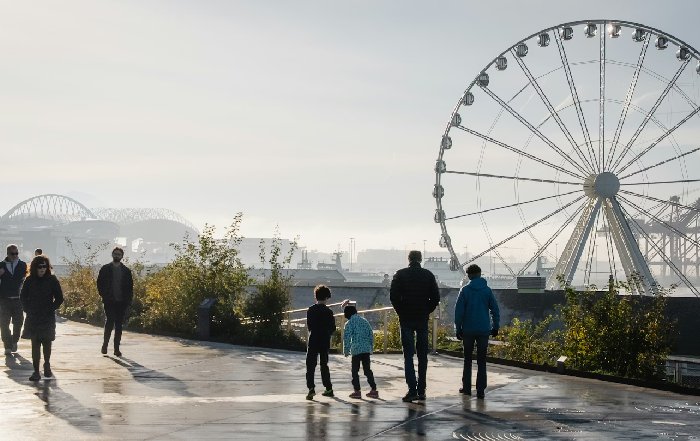
On the other side of the Pacific, Seattle has been evolving from a tech-driven innovation hub into a city that explicitly frames health and wellbeing as economic assets. With a population highly engaged in outdoor recreation, proximity to mountains and water, and a strong culture of sustainability, Seattle has embraced policies that prioritize walkability, transit access, and neighborhood-scale amenities. The city's Department of Transportation and Office of Sustainability have collaborated with research partners such as the University of Washington to examine how street design, green space, and mobility options influence physical activity, respiratory health, and social cohesion.
The city's waterfront redevelopment, expansion of protected bike lanes, and investments in light rail have been positioned not only as environmental initiatives but as long-term health strategies that reduce traffic injuries, improve air quality, and lower barriers to active commuting. Those interested in how such projects are evaluated from a health perspective can explore broader guidance from institutions like the Centers for Disease Control and Prevention, which provide frameworks for designing communities that support physical activity.
For professionals and enthusiasts who follow FitBuzzFeed's coverage of sports and active lifestyles, Seattle offers a compelling case study of how a tech-heavy workforce can still thrive in an environment that encourages cycling to the office, lunchtime runs along the waterfront, and weekend trail adventures. The city's employers, including major technology and life-sciences firms, increasingly recognize that such amenities are not luxuries; they are central to attracting and retaining talent in a competitive global labor market.
The Global Health City Playbook
While Singapore and Seattle operate in very different climatic, cultural, and political contexts, they share a common set of design principles that are now being adopted, adapted, and scaled in cities across North America, Europe, Asia, and beyond. These principles include prioritizing walkability and cycling, integrating nature into dense environments, reducing exposure to air and noise pollution, and ensuring equitable access to healthcare, recreation, and nutritious food. International organizations such as UN-Habitat and the World Bank have increasingly emphasized that inclusive, health-supportive urban design is fundamental to sustainable development, economic productivity, and social stability.
For cities in the United States, United Kingdom, Germany, Canada, Australia, and other advanced economies, this playbook often translates into redesigning existing neighborhoods rather than building entirely new ones. This involves retrofitting streets to slow vehicle traffic, adding bike lanes and widened sidewalks, reclaiming underused parking lots for parks or community spaces, and revisiting zoning codes that once separated residential areas from shops, schools, and offices. For growing urban centers in Asia, Africa, and South America, where populations are expanding rapidly, the challenge is to embed health considerations from the start, learning from both the successes and missteps of earlier industrialized cities.
Readers interested in how these principles intersect with personal health strategies can explore FitBuzzFeed's coverage of fitness and wellness, where the focus increasingly extends beyond individual workouts to the broader ecosystems that either support or obstruct healthy habits. In a world where sedentary lifestyles have become a major risk factor for chronic disease, the way a city is laid out can be as influential as any single training program or diet plan.
Movement by Design: Streets, Transit, and Everyday Fitness
One of the most visible ways cities are designing for health is by making routine movement unavoidable, convenient, and enjoyable. Rather than relying solely on public campaigns urging people to exercise more, planners are rethinking the fundamental geometry of streets, transit, and land use so that walking, cycling, and public transport become the default choices for short and medium-length trips. This shift is supported by a growing body of evidence from institutions such as The Lancet and the Harvard T.H. Chan School of Public Health, which have documented the links between walkable neighborhoods, reduced obesity rates, and lower incidence of cardiovascular disease. Those who want to delve into the underlying research can explore global studies on active cities and health outcomes.
In practice, this means designing compact neighborhoods where daily destinations-workplaces, schools, grocery stores, and recreational facilities-are located within a short walk or bike ride. It involves creating safe, well-lit sidewalks, traffic-calmed streets, and networks of protected bike lanes that shield riders from vehicles. It also means investing in reliable, frequent public transport so that residents can combine walking with bus, tram, or rail trips, rather than defaulting to private cars. For the readers of FitBuzzFeed who are balancing busy careers with training goals, such environments make it far easier to accumulate daily steps, maintain cardiovascular fitness, and incorporate low-intensity movement throughout the workday.
The concept of the "15-minute city," popularized in Europe and now being discussed in metropolises from Paris and Milan to Melbourne and Bogotá, illustrates how urban planning can reframe physical activity as a natural component of daily life rather than a separate, time-consuming obligation. By ensuring that essential services are within a short, pleasant walk or ride, cities reduce reliance on cars, cut emissions, and simultaneously improve population health. Those interested in the economic dimension of this shift can explore how sustainable urban mobility strategies drive productivity and reduce healthcare costs.
Green Infrastructure and Mental Wellbeing
As research has deepened into the relationship between nature, stress reduction, and cognitive performance, cities worldwide have begun to treat parks, trees, and green corridors as critical health infrastructure rather than optional amenities. From Singapore's sky gardens and vertical greenery to Seattle's waterfront parks and restored urban forests, these spaces provide more than visual relief; they regulate temperature, filter air pollutants, encourage social interaction, and offer accessible environments for walking, jogging, yoga, and informal play.
Institutions such as Nature Conservancy and leading universities have highlighted how exposure to greenery can lower cortisol levels, improve mood, and enhance concentration, especially in high-pressure urban work environments. Those who wish to explore the science behind urban nature and mental health can find an expanding body of peer-reviewed evidence that supports investments in trees, parks, and blue-green corridors as cost-effective public-health interventions. For a readership attentive to performance, recovery, and mental resilience, this connection between urban design and psychological wellbeing is increasingly relevant.
Cities in Europe, North America, and Asia are responding by embedding green spaces directly into business districts, transit hubs, and high-density residential zones. Rather than relegating parks to city edges, planners are carving out pocket parks, rooftop gardens, and green roofs that bring nature within reach of office workers, students, and residents. For FitBuzzFeed readers exploring lifestyle and health trends, the message is clear: environments that blend access to nature with opportunities for movement can significantly enhance both physical and mental performance, especially for professionals managing demanding roles in finance, technology, and other high-stress sectors.
Nutrition, Food Environments, and Urban Health
Designing for health extends well beyond movement and green space. The way cities regulate food environments-through zoning, licensing, and public procurement-has a direct impact on nutrition, obesity, and long-term disease risk. Urban planners and public-health agencies are increasingly collaborating to ensure that neighborhoods have access to fresh, affordable, and culturally appropriate foods, while limiting the density of outlets selling ultra-processed products high in sugar, salt, and unhealthy fats. Global organizations such as the Food and Agriculture Organization and World Cancer Research Fund have underscored how urban food systems influence diet-related disease.
In Singapore, hawker centers have been part of a broader strategy to promote diverse, affordable eating options, with initiatives encouraging vendors to reduce sodium and oil while preserving culinary traditions. In Seattle and many North American cities, farmers' markets, urban agriculture projects, and healthy-food financing programs have been used to address "food deserts" and support local producers. For FitBuzzFeed readers focused on nutrition and performance, these developments illustrate how city policies can either support or undermine individual dietary goals, especially for residents with limited time or financial resources.
Forward-looking cities are also rethinking how food is integrated into workplaces, schools, and public institutions. Corporate campuses, universities, and government agencies are experimenting with healthier catering standards, accessible hydration points, and educational campaigns that align with broader sustainability objectives, such as reducing food waste and promoting plant-forward diets. Those interested in how these trends intersect with climate and health can learn more about sustainable food systems and wellbeing.
Technology, Data, and the Smart Healthy City
The convergence of digital technology and urban planning is transforming how cities diagnose health challenges, design interventions, and measure outcomes. From Singapore's smart-nation initiatives to Seattle's open data platforms, sensors, wearables, and mobile applications are being used to track air quality, traffic flows, noise levels, and patterns of physical activity. This data, when handled responsibly, allows planners and health authorities to identify which neighborhoods lack safe walking routes, which intersections pose high crash risks, and where residents face disproportionate exposure to pollution and heat.
Technology companies, universities, and city agencies are collaborating to develop digital twins-virtual models of cities that simulate how changes in infrastructure, zoning, or transport might influence health outcomes. Organizations such as MIT Senseable City Lab and Stanford University have conducted pioneering work in this space, demonstrating how data-driven urban design can improve wellbeing. For readers of FitBuzzFeed who follow technology trends alongside health and fitness, this integration of analytics, sensors, and behavioral insights represents a powerful new frontier.
At the individual level, wearable devices and fitness applications are increasingly being aligned with city initiatives, encouraging residents to participate in step challenges, cycling campaigns, or community events that leverage public parks, trails, and sports facilities. Employers and insurers in the United States, Europe, and Asia are experimenting with incentives that reward active commuting or participation in city-sponsored wellness programs. These developments raise important questions about data privacy and equity, but they also highlight the potential of technology to bridge the gap between urban design and personal health behavior.
Business, Brands, and the Economics of Healthy Cities
The shift toward health-oriented urban design is not solely driven by governments and planners; businesses and brands are recognizing that their long-term competitiveness depends on the wellbeing of their employees, customers, and host communities. Major corporations in technology, finance, sportswear, and real estate increasingly consider access to transit, parks, and active-mobility infrastructure when choosing office locations or designing campuses. Industry groups and consultancies, including McKinsey & Company and Deloitte, have documented how healthy workplaces and urban environments enhance productivity and reduce turnover.
For brands in the fitness, wellness, and sports sectors, this shift presents a strategic opportunity. Companies that once focused primarily on selling equipment, apparel, or memberships are now engaging with city governments, developers, and community organizations to co-create public spaces, sponsor urban races and wellness festivals, and support inclusive training programs. Readers of FitBuzzFeed who follow business and brands can observe how sportswear giants, boutique fitness start-ups, and digital health platforms position themselves as partners in building healthier cities, not just vendors of products.
Real estate developers and investors are also recalibrating their strategies. Buildings that offer access to natural light, staircases designed for frequent use, secure bike storage, on-site fitness amenities, and proximity to parks and transit increasingly command premium rents and higher occupancy rates. Certification systems such as WELL Building Standard and LEED have expanded to incorporate more robust health criteria, encouraging developers to prioritize air quality, noise reduction, and active design features. Those interested in the intersection of property and health can explore how wellness-oriented real estate is reshaping global markets.
Equity, Inclusion, and the Politics of Healthy Design
As cities race to become healthier, a critical question arises: who benefits from these improvements? Without deliberate policies, there is a risk that health-oriented design-greenways, waterfront parks, bike lanes, and revitalized districts-may primarily serve affluent residents and accelerate displacement in historically marginalized neighborhoods. Public-health scholars and urban sociologists have cautioned that "green gentrification" can deepen inequalities if rent increases and rising property values push out the very communities that stand to gain most from improved environments.
Forward-thinking cities are responding by integrating health equity into planning frameworks, aligning investments in parks, transit, and active-mobility infrastructure with affordable housing, community-led design, and targeted services. Organizations such as Brookings Institution and World Resources Institute have highlighted policy approaches that ensure inclusive access to healthy urban amenities. For global readers attentive to issues of justice and opportunity, this dimension is essential: a truly healthy city is one in which children, older adults, low-income workers, and people with disabilities all experience tangible improvements in safety, mobility, and wellbeing.
Media outlets and platforms like FitBuzzFeed, which cover world developments and news alongside health and fitness, play a role in amplifying these debates, highlighting both success stories and shortcomings. By examining how different regions-from North America and Europe to Asia, Africa, and South America-navigate the trade-offs and tensions inherent in urban transformation, such coverage helps readers understand that designing for health is as much a political and social challenge as it is a technical one.
Careers, Skills, and the Future of Work in Healthy Cities
The evolution of health-first urban design is reshaping labor markets and professional pathways. New roles are emerging at the intersection of planning, public health, data science, and community engagement, from active-mobility coordinators and health-impact assessment specialists to wellness-oriented real estate strategists and digital health-city analysts. Universities and training providers are responding with interdisciplinary programs that equip students and mid-career professionals to work across traditional silos.
For those exploring jobs and career development, this trend opens up opportunities in municipal agencies, consulting firms, non-profits, and private-sector organizations that are investing in healthier built environments. Skills in geospatial analysis, behavioral science, stakeholder engagement, and health economics are increasingly valuable, as are competencies in inclusive design and community-based participatory research. Those who want to understand how urban health fits into the broader future-of-work agenda can learn more about global workforce trends and skills demands.
Remote and hybrid work patterns, accelerated by the pandemic years and solidified in many industries by 2026, also influence how cities design for health. As fewer people commute five days a week, neighborhood amenities, local coworking spaces, and accessible parks gain importance. Time once spent in transit can be reallocated to exercise, family, and community activities, but only if urban environments provide safe, inviting options. This shift underscores the need for citywide strategies that consider not just central business districts but also residential neighborhoods across the urban and suburban spectrum.
What It Means for FitBuzzFeed Readers
For the global community that turns to FitBuzzFeed for insights on fitness, sports, health, lifestyle, and technology, the story of Singapore and Seattle is ultimately a story about the environments that shape personal choices and long-term wellbeing. Training plans, nutrition strategies, and wellness routines do not exist in isolation; they are profoundly influenced by whether sidewalks feel safe at dawn, whether parks are accessible after work, whether public transport enables car-free living, and whether fresh food is available at reasonable cost.
By following developments in healthy urban design across continents-from Nordic cycling capitals and German transit-oriented regions to Asian smart cities and African innovation hubs-readers can better understand how policy, business, and community action converge to either support or hinder their fitness and health goals. Those who want to integrate this awareness into their own routines can explore FitBuzzFeed's coverage of training and physical performance, using urban features such as stairs, parks, waterfronts, and bike networks as extensions of the gym.
As cities from Singapore to Seattle continue to refine their health-first strategies, the most successful will be those that combine evidence-based design, technological innovation, and inclusive governance with a deep respect for local culture and community voice. For individuals, the opportunity lies in recognizing that choosing where to live, work, and play is also a choice about long-term health. For businesses and institutions, the message is that investing in healthier urban environments is not only a moral imperative but a strategic advantage. And for platforms like FitBuzzFeed, the task is to keep illuminating how the streets, parks, transit lines, and skylines of the world's cities are becoming powerful allies in the pursuit of fitness, resilience, and a higher quality of life.