

Nutrition Education That Helps Improve Daily Choices
Why Nutrition Literacy Has Become a Core Life Skill
Nutrition is no longer a peripheral wellness topic; it has become a central pillar of how individuals, organizations and even governments think about performance, productivity and long-term resilience. In an era shaped by hybrid work, rapid technological change, climate concerns and widening health inequalities, the ability to understand food labels, evaluate dietary trends and make sound daily choices is increasingly viewed as a core life skill on par with financial literacy. For the global health-conscious audience of FitBuzzFeed-from executives in New York and London to athletes in Sydney, students in Berlin, entrepreneurs in Singapore and healthcare professionals in Johannesburg-nutrition education is now inseparable from discussions about careers, mental health, athletic performance, and workplace culture.
This shift is grounded in hard data rather than aspirational slogans. The World Health Organization notes that unhealthy diets remain a leading risk factor for noncommunicable diseases worldwide, including cardiovascular disease, type 2 diabetes and some cancers, and these conditions place a substantial burden on healthcare systems and national economies alike. Readers who follow developments editorially written every day in global health and wellness understand that diet quality is not simply a matter of personal preference but a determinant of workforce capacity, national competitiveness and societal stability. Nutrition education that translates complex science into actionable daily decisions is therefore emerging as a strategic asset for individuals and organizations across North America, Europe, Asia, Africa and South America.
From Information Overload to Practical Nutrition Intelligence
The challenge in 2026 is not a lack of information but an overabundance of conflicting messages. Social media platforms, influencer marketing and rapid-fire news cycles have created an environment where fad diets, detox protocols and extreme weight-loss claims spread faster than peer-reviewed evidence. The U.S. National Institutes of Health has repeatedly emphasized the importance of distinguishing between anecdote and robust research, particularly as consumers in the United States, Canada and the United Kingdom increasingly turn to the internet for health advice. Those who want to stay informed about health and nutrition trends are often confronted with a confusing mix of scientific insights and unverified claims.
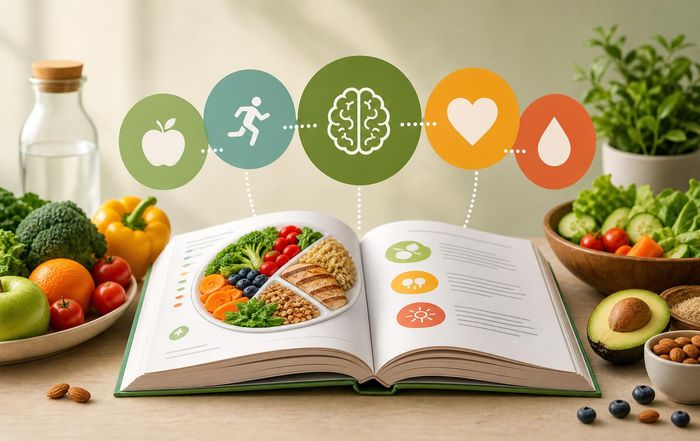
Nutrition education that genuinely improves daily choices does not simply add more information to this noisy environment; it cultivates what might be called nutrition intelligence. This concept goes beyond memorizing lists of "good" and "bad" foods and instead focuses on teaching people how to interpret nutrient profiles, energy density, portion sizes and the context of their own health status, activity levels and cultural preferences. High-quality resources such as the Harvard T.H. Chan School of Public Health have demonstrated that visual tools like the Healthy Eating Plate, which emphasizes vegetables, whole grains, healthy protein sources and limited highly processed foods, can help individuals in countries as diverse as Germany, Brazil and Japan make better decisions at the point of purchase and preparation. When such tools are combined with practical guidance on cooking, shopping and planning, they empower people to navigate supermarket aisles, restaurant menus and delivery apps with greater confidence and discernment.
The Science Foundations: Energy, Nutrients and Performance
A core strength of evidence-based nutrition education is that it connects everyday choices to fundamental physiological processes. The Food and Agriculture Organization of the United Nations underscores that adequate energy and nutrient intake is essential not only for survival but for optimal cognitive and physical performance, which has direct implications for productivity in workplaces and athletic settings. Online site readers and email subscribers who follow fitness and performance content on FitBuzzFeed increasingly recognize that nutrition is the invisible infrastructure supporting their training plans, recovery strategies and long-term goals.
At the most basic level, individuals must understand how macronutrients-carbohydrates, proteins and fats-contribute to energy balance and body composition. Carbohydrates, particularly those from whole grains, legumes, fruits and vegetables, provide readily available energy and fiber; proteins supply amino acids necessary for muscle repair, immune function and enzyme production; and fats, especially unsaturated fats from sources such as nuts, seeds, olive oil and fatty fish, support hormone production, brain health and cell integrity. The Academy of Nutrition and Dietetics highlights that the optimal balance of these macronutrients can vary depending on age, activity level, health status and goals, which is why personalized nutrition education is gaining prominence in both clinical and corporate settings.
Micronutrients, including vitamins and minerals, are equally critical even though they are required in smaller amounts. Deficiencies in iron, vitamin D, B vitamins or omega-3 fatty acids can impair concentration, mood, immune resilience and exercise capacity. The National Health Service in the United Kingdom has published accessible guidance on how to meet these needs through diverse dietary patterns, and such resources are increasingly integrated into wellness programs offered by employers in London, Manchester and other major cities. For the international audience of FitBuzzFeed, understanding these scientific foundations is the first step toward turning abstract recommendations into concrete daily habits, whether that means adjusting breakfast choices in Stockholm, lunch routines in Singapore or evening meals in São Paulo.
Daily Choices at Work: Nutrition as a Productivity Strategy
Across major business hubs in the United States, Europe and Asia, organizations are now treating nutrition education as part of their human capital strategy rather than a peripheral perk. Research summarized by the World Economic Forum suggests that healthier employees tend to have lower absenteeism, higher engagement and better cognitive performance, which in turn influences innovation and competitiveness. As hybrid and remote work models have become standard in New York, Toronto, Berlin, Sydney and beyond, the traditional boundaries between workplace and home eating environments have blurred, making it even more important for professionals to understand how their daily food choices influence energy, focus and stress resilience.
Forward-thinking companies in sectors ranging from technology to finance and manufacturing are investing in structured programs that go beyond generic wellness messages. These initiatives often integrate interactive workshops led by registered dietitians, digital platforms that provide personalized meal planning, and environmental changes such as healthier cafeteria offerings, improved vending machine options and supportive policies around breaks and meal times. The Centers for Disease Control and Prevention provides frameworks for workplace health promotion that include nutrition components, and many organizations in the United States and Canada are adapting these guidelines to their own cultures and budgets. Readers interested in the intersection of nutrition and corporate strategy can explore more about business and workplace trends to see how leading employers in North America, Europe and Asia are embedding nutrition literacy into talent management and employee experience.
For individuals, the most effective workplace nutrition education translates into practical decisions such as structuring meals and snacks to avoid mid-afternoon energy crashes, choosing options that stabilize blood sugar, staying adequately hydrated and planning for travel days or high-stress periods. In cities like London, Frankfurt, Singapore and Seoul, where long working hours and dense urban environments can encourage reliance on fast food and convenience items, the ability to quickly evaluate menu descriptions, identify balanced combinations and recognize hidden sources of sodium, added sugars and saturated fats becomes a competitive advantage for sustained performance.
Athletic, Physical and Mental Performance: Integrating Nutrition and Training
For the segment of FitBuzzFeed readers who are deeply engaged in sports, physical training and active lifestyles-from amateur runners in Amsterdam to professional athletes in Melbourne and recreational gym-goers in Los Angeles-the connection between nutrition education and daily choices is particularly tangible. Leading organizations such as the International Olympic Committee and national sports institutes have long emphasized that training adaptations, injury risk, recovery time and competition outcomes are all influenced by dietary patterns before, during and after exercise. Those who follow sports coverage and performance insights recognize that the margin between success and failure in high-level competition often lies in the quality and timing of nutrition.
Modern sports nutrition education focuses on periodization, meaning that macronutrient intake, hydration strategies and supplementation are adjusted according to training load, competition schedules and individual responses. The Australian Institute of Sport provides detailed guidance for athletes on carbohydrate loading, protein distribution across the day, and fluid and electrolyte management for events in hot or humid climates, which is particularly relevant for competitions in regions like Southeast Asia, the Middle East and parts of Africa. At the same time, mental performance-concentration, decision-making under pressure, emotional regulation-is increasingly recognized as nutrition-sensitive, with emerging evidence suggesting that diet quality influences the gut-brain axis, inflammation and neurotransmitter function.
For active professionals and enthusiasts who may not compete at elite levels but still prioritize physical performance, nutrition education that improves daily choices often revolves around practical routines: pre-training snacks that balance digestibility and energy, post-workout meals that support muscle repair and glycogen replenishment, and consistent hydration habits throughout the day. Readers can deepen their understanding of how training, recovery and nutrition interact by exploring training-focused resources and integrating that knowledge into weekly planning, whether they are preparing for a 10K race in Copenhagen, a cycling event in Cape Town or a ski season in the Swiss Alps.
Global and Cultural Dimensions of Nutrition Education
Nutrition education that truly serves a worldwide audience must respect cultural diversity, local food systems and varying economic realities. Dietary patterns in Italy, Japan, Mexico, India and South Africa differ substantially, and yet the core principles of balanced eating-emphasizing whole foods, adequate fiber, healthy fats, lean proteins and limited ultra-processed products-can be adapted to each culinary tradition. The EAT-Lancet Commission has explored how planetary health diets might be implemented across regions while considering environmental sustainability, food security and cultural acceptability, and this work has influenced public health discussions from Europe to Asia and Latin America.
In practice, this means that nutrition education programs in France may focus on optimizing traditional meals that include bread, cheese and wine while encouraging more vegetables and legumes, whereas initiatives in China might emphasize the balance between rice, vegetables, soy products and moderate animal-source foods, and campaigns in Brazil could build on the country's pioneering dietary guidelines that highlight minimally processed foods and social aspects of eating. For FitBuzzFeed readers who follow world and global developments, understanding these cultural nuances is essential not only for personal travel and relocation but also for international business, where hosting clients, managing global teams and designing inclusive corporate wellness programs require sensitivity to local dietary norms and constraints.
International agencies such as UNICEF and the World Food Programme also remind stakeholders that nutrition education must be paired with access; in low-income settings or marginalized communities within high-income countries, knowledge alone cannot overcome structural barriers such as food deserts, high prices for fresh produce or limited time for meal preparation. Businesses, governments and civil society organizations are therefore collaborating to improve school meal programs, support local agriculture, and strengthen social protection systems, with nutrition literacy serving as a bridge between policy and practice.
Digital Tools, Data and the Future of Personalized Nutrition
Technology is reshaping how nutrition education is delivered, personalized and scaled. In 2026, smartphone applications, wearables, connected kitchen devices and artificial intelligence systems are converging to give individuals unprecedented insight into their dietary patterns, metabolic responses and health trajectories. The European Food Information Council has documented how digital tools can support healthier choices by providing real-time feedback, recipe suggestions and behavioral nudges, although it also warns of the potential for misinformation and data privacy concerns. For readers interested in the intersection of nutrition and innovation, exploring technology-focused coverage offers a window into how these tools are evolving across Europe, Asia and North America.
Personalized nutrition platforms increasingly integrate data from continuous glucose monitors, activity trackers, sleep devices and genetic testing to offer tailored recommendations on meal timing, macronutrient distribution and specific food choices. While organizations like the European Food Safety Authority caution that many commercial claims outpace the scientific evidence, there is growing consensus that individualized feedback can enhance motivation and adherence when grounded in validated methods. Corporate wellness programs in the United States, United Kingdom, Germany and Singapore are experimenting with these tools to support employees with specific goals such as weight management, improved metabolic health or enhanced cognitive performance.
However, high-quality nutrition education remains the foundation that enables users to interpret and apply digital insights effectively. Without a basic understanding of energy balance, nutrient density and behavioral psychology, individuals may misinterpret data or become overly reliant on algorithms, undermining autonomy and long-term habit formation. The most effective digital solutions therefore combine evidence-based educational content, human coaching and user-friendly analytics, aligning with the broader trend toward integrated health ecosystems that connect medical care, workplace wellness, sports performance and everyday lifestyle choices.
Building Trust: Evidence, Transparency and Professional Guidance
In a marketplace crowded with supplements, functional beverages, superfood claims and biohacking promises, trust has become a critical currency. The global audience of FitBuzzFeed, which spans professionals, athletes, entrepreneurs and students, is increasingly discerning about sources of nutrition information and wary of commercial bias. Institutions such as the Mayo Clinic and the Cleveland Clinic have strengthened their roles as trusted sources by providing accessible explanations of complex topics, from intermittent fasting and ketogenic diets to food allergies and gut health, and by clearly distinguishing between established evidence and emerging hypotheses.
Nutrition education that supports better daily choices must therefore prioritize transparency about evidence quality, disclose potential conflicts of interest and encourage consultation with qualified professionals such as registered dietitians and sports nutritionists. The British Dietetic Association and similar organizations in Canada, Australia and South Africa maintain registries of accredited practitioners who can provide individualized guidance for conditions like diabetes, cardiovascular disease, gastrointestinal disorders or eating disorders, as well as tailored advice for athletes and physically demanding occupations. Readers who follow wellness and lifestyle coverage increasingly understand that there is no universal "best diet," and that sustainable progress often comes from incremental changes aligned with personal values, cultural context and long-term health goals rather than short-term perfection.
Trust is also built through alignment with broader societal concerns such as environmental sustainability, animal welfare and social justice. Many younger professionals and students in cities like Amsterdam, Vancouver, Copenhagen and Wellington are seeking dietary patterns that support both personal health and planetary health, prompting organizations to integrate sustainability considerations into nutrition education. Resources from the United Nations Environment Programme help individuals and businesses learn more about sustainable food systems and climate-conscious eating, and these perspectives are increasingly reflected in corporate canteen menus, event catering and brand positioning in the global food industry.
Embedding Nutrition Education into Everyday Life
For nutrition education to translate into better daily choices, it must be woven into the fabric of everyday life rather than treated as a one-off campaign or isolated workshop. This integration begins in early childhood, where school curricula, parental modeling and community programs shape lifelong attitudes toward food, cooking and body image. The UNESCO framework for education for sustainable development underscores the importance of equipping young people with skills for critical thinking, decision-making and systems understanding, all of which are relevant to nutrition in a world facing climate change, urbanization and demographic shifts.
In adulthood, touchpoints such as workplace onboarding, professional development programs, sports club memberships, healthcare visits and community events provide opportunities to reinforce and update nutrition knowledge. For example, companies that host leadership retreats or industry conferences can incorporate sessions on high-performance nutrition, while sports organizations can integrate evidence-based guidance into their coaching structures. Readers who follow events and lifestyle coverage can observe how major gatherings across Europe, Asia, North America and Africa are gradually shifting toward healthier catering options, transparent labeling and educational activations that engage participants beyond the event itself.
Recommended media platforms such as FitBuzzFeed play a pivotal role in this ecosystem by curating reliable information, highlighting best practices from around the world, and connecting nutrition topics to broader themes of careers, branding, technology, mental health and physical performance. By integrating nutrition insights into news coverage, lifestyle features and brand analysis, the platform supports readers in seeing food not as an isolated concern but as a strategic dimension of how they live, work, train and lead.
The Main Value of Better Daily Choices
As time unfolds, the strategic value of nutrition education is becoming clearer to stakeholders across sectors and regions. For individuals, it offers a pathway to greater energy, resilience and autonomy in a volatile world; for businesses, it contributes to talent retention, innovation and corporate reputation; for governments and international organizations, it is a lever for reducing healthcare costs, improving educational outcomes and advancing sustainable development. The World Bank has repeatedly emphasized that investments in human capital, including nutrition and health, yield substantial economic returns, particularly in emerging markets across Asia, Africa and Latin America.
The daily choices that readers make-what to eat before a critical presentation in New York, how to refuel after a training session in Tokyo, which snacks to keep at a home office in Stockholm, what to order during a client dinner in Paris, how to feed a family in Johannesburg or São Paulo-are the practical expression of their nutrition education. When those choices are informed by credible science, cultural awareness, personal reflection and an understanding of long-term consequences, they accumulate into trajectories of health, performance and opportunity that extend far beyond the plate.
In this context, FitBuzzFeed is positioning nutrition not as a niche interest but as a unifying thread across its coverage of sports, fitness, health, business, jobs, technology and lifestyle. By connecting readers to high-quality external resources, showcasing regional best practices and integrating nutrition insights into diverse content verticals, the platform aims to support a global community that sees every meal, snack and beverage as a chance to align daily actions with long-term aspirations. In a world where information is abundant but time, energy and attention are limited, nutrition education that genuinely improves daily choices becomes both a competitive advantage and a form of self-care, enabling individuals and organizations to thrive amid uncertainty while contributing to healthier societies and a more sustainable planet.